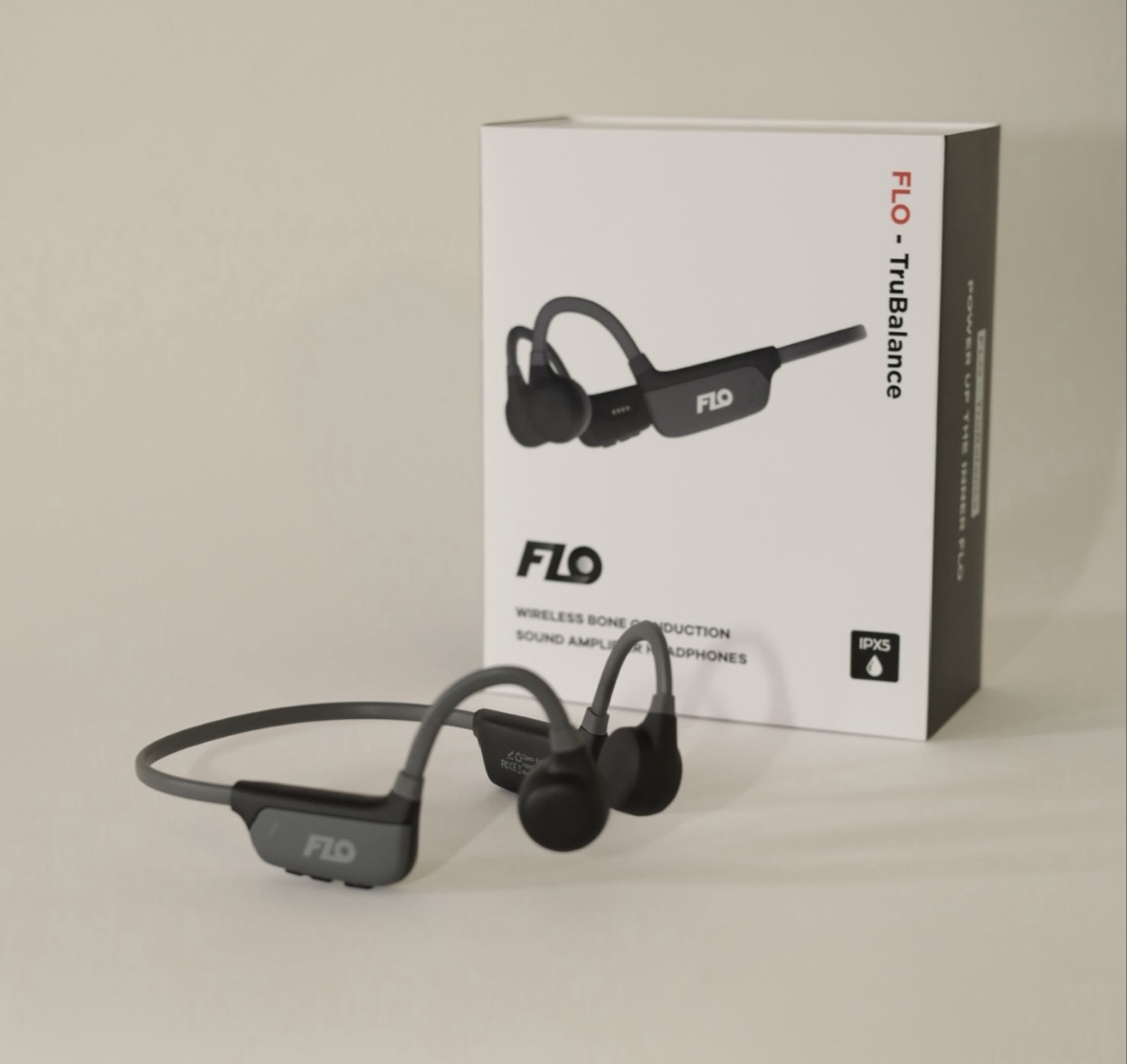
Let's explore the fascinating science behind bone conduction technology and how Flo True Balance devices harness this method to provide a unique and effective hearing solution. We'll delve into the mechanics of bone conduction, its benefits, and how Flo True Balance stands out in the market. This is a deeper dive into the topics we discussed with Michael Leung, the founder of Flo Group, in the latest episode of the podcast, Michael Leung On Affordable Hearing Help Under $300. Michael shared his personal journey and the inspiration behind creating affordable and accessible hearing solutions. So, let's dive in!
Understanding Bone Conduction Technology
Bone conduction is a method of transmitting sound directly to the inner ear (cochlea) through vibrations of the skull bones. Unlike traditional hearing aids that amplify sound waves through the air canal, bone conduction bypasses the eardrum and outer ear completely. This makes it an excellent alternative for individuals with certain types of hearing loss, such as those with conductive hearing loss or chronic ear infections.
The human skull is a natural conductor of sound vibrations. When a bone conduction device is placed against the skull, typically near the temple or behind the ear, it vibrates the bones of the skull. These vibrations are then transmitted directly to the cochlea, which interprets them as sound. This process allows individuals to perceive sound even when the traditional auditory pathways are compromised.
How Bone Conduction Differs from Traditional Hearing Aids
Traditional hearing aids work by amplifying sound waves and directing them into the ear canal. This amplified sound then vibrates the eardrum, which in turn vibrates the ossicles (tiny bones in the middle ear) and stimulates the cochlea. While effective for many, this method can be problematic for individuals with blockages in the ear canal, damage to the eardrum, or other conditions affecting the outer or middle ear. Bone conduction bypasses these issues, providing a clear and direct pathway to the inner ear.
Another key difference is the open-ear design of bone conduction devices. Traditional hearing aids often occlude the ear canal, which can lead to discomfort, a feeling of pressure, and the "occlusion effect" (a sensation of one's own voice sounding boomy or echoing). Bone conduction devices leave the ear canal open, allowing users to maintain a sense of natural hearing and environmental awareness. This is particularly beneficial for individuals who need to be aware of their surroundings, such as those working in busy environments or participating in outdoor activities.
The Science Behind Bone Conduction
The physics of bone conduction relies on the principle of mechanical vibration. When a bone conduction device vibrates against the skull, it generates mechanical waves that travel through the bone. These waves are characterized by their frequency and amplitude, which determine the pitch and loudness of the perceived sound, respectively.
The skull bones, particularly the temporal bone which houses the inner ear, are efficient conductors of these vibrations. The vibrations are transmitted through the bone matrix to the cochlea, a spiral-shaped structure filled with fluid and lined with hair cells. These hair cells are responsible for converting mechanical vibrations into electrical signals that are sent to the brain for interpretation.
Role of the Cochlea
The cochlea is the crucial component in hearing, regardless of whether the sound is transmitted through air or bone. Within the cochlea, the hair cells are arranged in a specific pattern that corresponds to different frequencies of sound. When the skull vibrations reach the cochlea, they cause the fluid inside to move, stimulating the hair cells. The stimulated hair cells then send electrical signals to the auditory nerve, which carries the signals to the brain.
The brain interprets these electrical signals as sound, allowing the individual to perceive and understand the auditory information. The efficiency of this process depends on the integrity of the cochlea and the auditory nerve. Even with bone conduction, if the cochlea is severely damaged or the auditory nerve is not functioning properly, hearing may still be impaired.
Factors Affecting Bone Conduction Efficiency
Several factors can influence the efficiency of bone conduction. These include:
- Contact Pressure: The amount of pressure exerted by the bone conduction device against the skull can affect the quality and loudness of the sound. Too little pressure may result in weak vibrations, while too much pressure can cause discomfort or even damage.
- Contact Area: The size and shape of the contact area between the device and the skull can also influence the transmission of vibrations. A larger contact area may provide better sound quality, but it can also be less comfortable.
- Bone Density: The density of the skull bones can affect their ability to conduct vibrations. Individuals with lower bone density may experience reduced sound quality.
- Device Placement: The location of the device on the skull can significantly impact the perceived sound. Different locations may result in different frequencies being amplified or attenuated.
How Flo True Balance Utilizes Bone Conduction
Flo True Balance devices are designed to leverage the benefits of bone conduction technology to provide a comfortable, effective, and accessible hearing solution. These devices are carefully engineered to optimize sound transmission and minimize discomfort.
Flo True Balance devices are designed with an ergonomic shape that fits comfortably against the skull. The devices are lightweight and adjustable, allowing users to find the optimal fit for their individual head shape and size. This ensures consistent contact pressure and minimizes the risk of discomfort or slippage.
Key Features of Flo True Balance
- Open-Ear Design: Leaves the ear canal open for natural hearing and environmental awareness.
- Lightweight and Comfortable: Designed for all-day wear without causing discomfort.
- Adjustable Fit: Adapts to different head shapes and sizes for optimal contact.
- Noise Reduction Technology: Helps to reduce background noise and improve speech clarity.
- Bluetooth Connectivity: Allows for seamless connection to smartphones, tablets, and other devices.
- Long Battery Life: Provides extended use throughout the day.
The Flo True Balance 2.0, as Michael Leung discussed in the podcast, includes significant improvements over the original model, particularly in terms of usability for seniors. These improvements include larger buttons, simplified controls, and enhanced voice clarity.
Benefits of Bone Conduction Hearing Devices
Bone conduction hearing devices offer a range of benefits compared to traditional hearing aids, making them a suitable option for various individuals.
Advantages for Specific Hearing Conditions
For individuals with conductive hearing loss, bone conduction devices provide a direct pathway to the inner ear, bypassing any blockages or damage in the outer or middle ear. This can significantly improve hearing clarity and reduce the need for invasive medical procedures.
Bone conduction can also be beneficial for individuals with chronic ear infections or other conditions that make traditional hearing aids unsuitable. The open-ear design helps to improve airflow and reduce the risk of further infection.
Improved Environmental Awareness
The open-ear design of bone conduction devices allows users to maintain a sense of natural hearing and environmental awareness. This is particularly important for individuals who need to be aware of their surroundings, such as those working in busy environments or participating in outdoor activities. This feature also helps reduce the feeling of isolation that can sometimes be associated with traditional hearing aids.
Enhanced Comfort and Reduced Occlusion Effect
Bone conduction devices are often more comfortable to wear than traditional hearing aids, especially for individuals who are sensitive to pressure or discomfort in the ear canal. The open-ear design eliminates the occlusion effect, providing a more natural and comfortable listening experience.
Michael Leung's Journey and the Creation of Flo
Michael Leung's personal experiences, as detailed in the podcast episode, are the driving force behind the creation of Flo True Balance. His own vision challenges and recovery from alcohol dependency fueled his passion for developing accessible and stigma-free hearing solutions. He recognized the barriers that many people face when seeking hearing support, including cost, discomfort, and social stigma.
Driven by his personal experiences and a desire to make a positive impact, Michael set out to create a hearing device that would address these challenges. The result is Flo True Balance, a device that combines the benefits of bone conduction technology with a user-friendly design and an affordable price point. As Michael mentioned, his goal is to make hearing support accessible to everyone, regardless of their financial situation or background.
Flo True Balance vs. True Balance 2.0: What's New?
Flo True Balance has evolved over time, with the True Balance 2.0 model incorporating several key improvements based on user feedback and technological advancements. Some of the most notable updates include:
- Enhanced Senior-Friendly Design: Larger buttons and simplified controls make the device easier to use for seniors with limited dexterity or vision.
- Improved Voice Clarity: Advanced signal processing algorithms enhance speech clarity, making it easier to understand conversations in noisy environments.
- Extended Battery Life: The True Balance 2.0 offers longer battery life, allowing for extended use throughout the day without needing to recharge.
- More Comfortable Fit: Refinements to the device's ergonomics ensure a more comfortable and secure fit for a wider range of head shapes and sizes.
These improvements reflect Flo's commitment to continuous innovation and user-centered design. By actively listening to user feedback and incorporating the latest technological advancements, Flo is constantly striving to provide the best possible hearing experience.
Addressing Stigma and Accessibility in Hearing Solutions
One of the biggest challenges in the hearing industry is the stigma associated with hearing loss and hearing aids. Many people are reluctant to seek hearing support due to concerns about appearing old, disabled, or different. This stigma can prevent people from getting the help they need and can have a negative impact on their quality of life.
Flo True Balance is designed to address this stigma by offering a discreet and stylish alternative to traditional hearing aids. The open-ear design makes the device less noticeable, and the modern aesthetic helps to normalize the use of hearing support. By reducing the stigma associated with hearing loss, Flo aims to encourage more people to seek help and improve their hearing health.
Accessibility for All
Accessibility is another key focus for Flo. Traditional hearing aids can be expensive and difficult to obtain, especially for individuals with limited financial resources. Flo True Balance is designed to be affordable and accessible to everyone, regardless of their income or location. The company offers a range of financing options and works with community organizations to provide hearing support to those in need.
Real-World Applications: From Seniors to the Blind Community
Flo True Balance has found applications in various communities, including seniors, veterans, and individuals with disabilities. The device's unique benefits make it a valuable tool for improving the quality of life for these individuals.
Supporting Seniors with Hearing Loss
Hearing loss is a common issue among seniors, and it can have a significant impact on their social engagement and overall well-being. Flo True Balance can help seniors to maintain their independence, stay connected with loved ones, and participate in activities they enjoy. The senior-friendly design and improved voice clarity make the device particularly well-suited for this population.
Assisting the Blind Community
Bone conduction technology offers unique benefits for the blind community. By leaving the ear canal open, Flo True Balance allows individuals to maintain their spatial awareness and sense of direction. This can be particularly helpful for navigating unfamiliar environments and avoiding obstacles. The device can also be used to listen to audiobooks, podcasts, and other audio content, providing a valuable source of information and entertainment.
Bluetooth Connectivity with True Blue TV Transmitter
The True Blue TV transmitter is a valuable accessory for Flo True Balance users, particularly those who enjoy watching television. This device allows users to wirelessly connect their Flo True Balance to their TV, providing a personalized and immersive listening experience.
The True Blue TV transmitter connects to the TV via Bluetooth, transmitting the audio signal directly to the Flo True Balance device. This eliminates the need for external speakers or headphones, providing a cleaner and more convenient listening experience. The transmitter also allows users to adjust the volume independently of the TV, ensuring that they can hear the audio clearly without disturbing others.
Community Outreach and Support Networks
Flo is committed to giving back to the community and providing support to those in need. The company partners with various organizations, including senior centers, community halls, and non-profits, to raise awareness about hearing loss and provide access to hearing support.
Michael Leung mentioned in the podcast episode that Flo also works with Lions Clubs International, a global service organization dedicated to improving the lives of others. Through this partnership, Flo aims to expand its reach and provide hearing support to underserved communities around the world.
Entrepreneurial Lessons and Product Evolution
Michael Leung's journey as an entrepreneur is full of valuable lessons. His experiences in developing and launching Flo True Balance have taught him the importance of:
- Listening to Customer Feedback: User feedback is invaluable for identifying areas for improvement and ensuring that the product meets the needs of its target audience.
- Continuous Innovation: The market is constantly evolving, and it's essential to stay ahead of the curve by continuously innovating and developing new features.
- Building a Strong Brand: A strong brand helps to differentiate the product from competitors and build trust with customers.
- Protecting Intellectual Property: Protecting intellectual property is essential for maintaining a competitive edge and preventing others from copying the product.
These lessons have been instrumental in the success of Flo True Balance and continue to guide the company's growth and development.
The Future of Accessible Hearing with Flo
Flo is committed to continuing its mission of providing accessible and stigma-free hearing solutions. The company plans to expand its product line, develop new technologies, and reach out to more communities in need.
The future of accessible hearing is bright, and Flo is proud to be a part of it. By combining innovative technology with a user-centered design and a commitment to social responsibility, Flo is making a positive impact on the lives of individuals with hearing loss around the world.
In conclusion, bone conduction technology as implemented in Flo True Balance devices offers a compelling alternative to traditional hearing aids, particularly for those seeking comfort, accessibility, and a more natural listening experience. Michael Leung's personal journey and dedication to addressing the challenges of hearing loss shine through in the design and mission of Flo. Be sure to listen to the full conversation in our episode: Michael Leung On Affordable Hearing Help Under $300 for even more insights into the world of affordable hearing solutions.

Creativity as a Survival Skill: Essential for a Meaningful Life

 RSS Feed
 Goodpods
 Apple Podcasts
 Spotify
 Amazon Music
 TuneIn
 iHeartRadio
 Pandora
 Podchaser
 Castbox
 Overcast
 Podcast Addict
 Castro
 PlayerFM
 YouTube