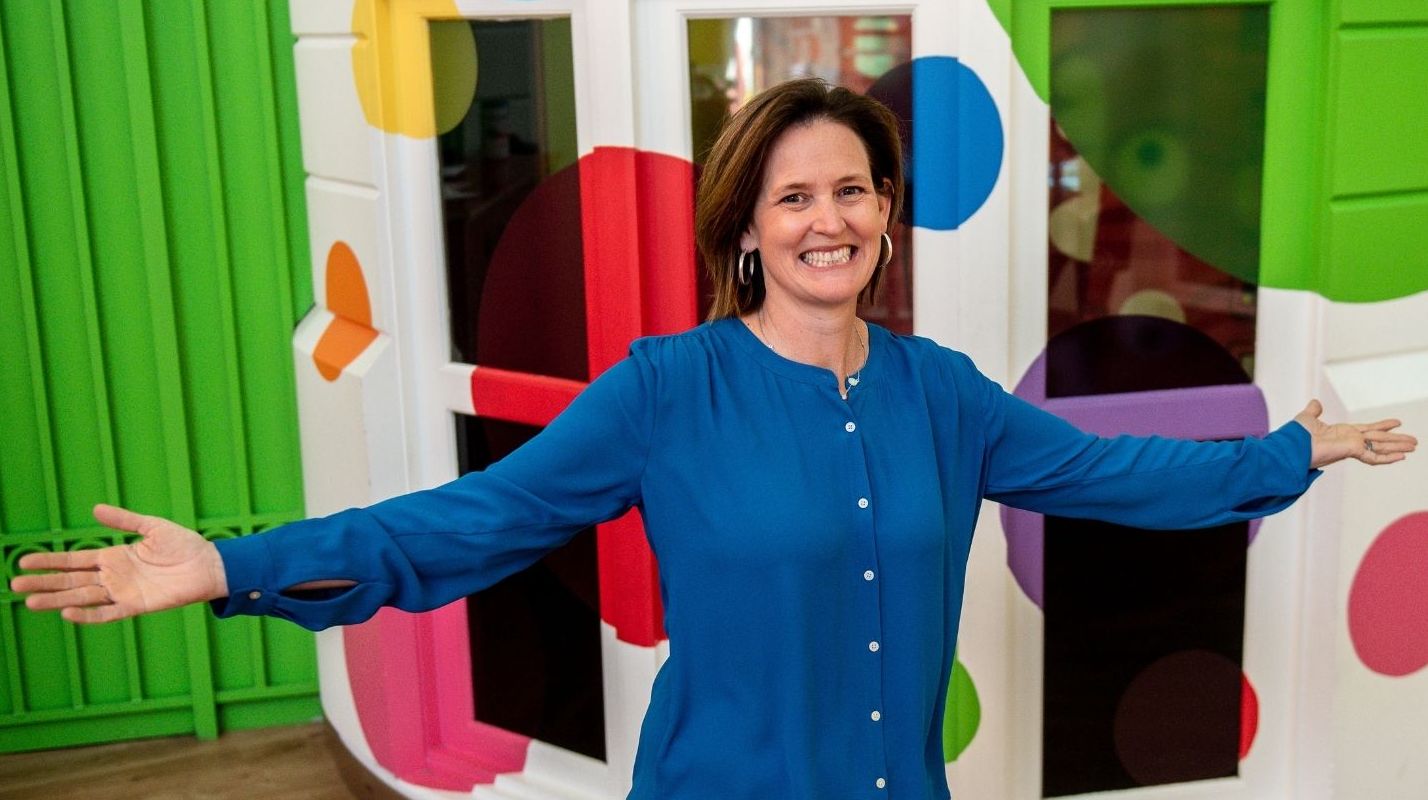
We had an incredibly insightful conversation with Carter Polakoff, the President and CEO of Port Discovery Children's Museum. We delved deep into a topic that is incredibly close to my heart: the profound importance of play for families, especially in fostering emotional health, curiosity, and connection. In our episode, "Carter Polakoff on Why Play Matters for Every Family," Carter shared her personal journey with the museum and her vision for making it a truly inclusive space. Today, we're going to expand on those themes, focusing specifically on how Port Discovery is actively working to serve neurodiverse families and military households, making their museum a welcoming hub for all.
Why Play Matters for Every Family
Before we dive into the specifics of Port Discovery's initiatives, let's reiterate why play is not just a frivolous pastime for children, but a fundamental building block for healthy development and strong family bonds. Play is how children learn about the world, problem-solve, develop social-emotional skills, and express themselves. For parents and caregivers, play offers a vital opportunity to connect with their children on a deeper level, relieve stress, and rediscover their own sense of wonder. As Carter emphasized in our conversation, children's museums are, in essence, family museums. They are spaces where learning and joy converge, benefiting everyone who walks through their doors. This understanding is the bedrock upon which inclusive institutions like Port Discovery are built.
The emotional benefits of play are often overlooked. In our fast-paced, often stressful world, providing a space where families can simply be together, explore, and laugh is invaluable. Play reduces anxiety, fosters resilience, and strengthens communication. It allows children to process their experiences and emotions in a safe, supportive environment. For adults, engaging in play can be a powerful form of self-care, helping them to de-stress and reconnect with their inner child. This holistic approach to well-being is something Port Discovery champions, recognizing that a child's development is intrinsically linked to the emotional well-being of their entire family unit.
Port Discovery Children's Museum: A Hub for Inclusive Play
Port Discovery Children's Museum in Baltimore is more than just a collection of exhibits; it's a vibrant ecosystem designed to nurture curiosity, creativity, and connection. From its inception, the museum has strived to be a place where every child feels welcome and every family can find joy. This commitment to inclusivity isn't just a buzzword; it's woven into the fabric of their operations, from exhibit design to programming and community outreach. They understand that "play" looks different for everyone, and their mission is to create an environment that accommodates and celebrates that diversity.
The museum's leadership, under Carter Polakoff's guidance, has consistently prioritized understanding the diverse needs of the community they serve. This proactive approach means they don't just offer generic experiences; they actively seek to tailor their offerings to ensure maximum accessibility and engagement for all visitors. This dedication to meeting families where they are, understanding their unique challenges and celebrating their strengths, is what truly sets Port Discovery apart as a leader in the field of children's museums.
Meeting Diverse Needs: Supporting Neurodiverse Families
One of the most significant areas where Port Discovery shines is its dedication to supporting neurodiverse children and their families. Neurodiversity encompasses a wide range of developmental differences, including autism spectrum disorder, ADHD, and dyslexia, among others. Children who are neurodiverse may experience the world differently, and traditional museum environments can sometimes be overwhelming due to sensory overload, social expectations, or communication barriers. Port Discovery has taken proactive steps to address these challenges and create a more supportive and engaging experience.
This commitment is evident in several key initiatives. The museum often offers sensory-friendly hours or events, which are specifically designed to reduce sensory input. This might include dimming lights, reducing sound levels, providing quiet spaces, and offering fewer crowds. During these times, children who are sensitive to overstimulation can explore the museum at their own pace and in a way that feels comfortable and safe for them. These events are not just about accommodating; they are about creating an environment where neurodiverse children can thrive and experience the same joy and learning opportunities as their peers.
Beyond scheduled events, Port Discovery strives to make its everyday exhibits more accessible. This can involve offering visual schedules, social stories that help prepare children for their visit, and fidget tools that can help with sensory regulation. Staff training is also crucial. Educators and volunteers are often trained on best practices for interacting with neurodiverse children, understanding their communication styles, and providing support when needed. This creates a more welcoming and understanding atmosphere for both children and their caregivers, reducing anxiety and allowing for a more positive and enriching experience for everyone involved.
The museum's approach is rooted in the understanding that accessibility is not a one-size-fits-all solution. They recognize that each neurodiverse child is unique, and their needs can vary greatly. By offering a range of supports and continually seeking feedback from the community, Port Discovery demonstrates a deep commitment to continuous improvement and genuine inclusion. This ongoing dialogue with families ensures that their programs and exhibits remain relevant and effective in meeting the evolving needs of the neurodiverse community.
Honoring Our Heroes: Initiatives for Military and Veteran Families
Port Discovery Children's Museum also holds a special place in its heart for military and veteran families. These families often face unique challenges, including frequent moves, parental deployments, and the emotional toll of service. Recognizing the sacrifices these families make, Port Discovery has developed programs and initiatives to provide support, connection, and opportunities for respite and fun.
One of the most impactful ways they honor military families is through their membership programs and special events. For example, they often offer discounted memberships or free admission days for military personnel and their families. These gestures acknowledge the financial and emotional strains that military life can impose and aim to make the museum's enriching experiences more accessible. These programs serve as a thank you, providing a space for families to create lasting memories and enjoy quality time together during periods of transition or stress.
The museum has also partnered with organizations like the USO to host special events specifically for military families. These events can include dedicated play times, themed activities, and opportunities for families to connect with each other and with resources available to them. These gatherings foster a sense of community among families who may be far from home or experiencing similar life circumstances. It provides a much-needed sense of belonging and support, reminding them that they are valued and appreciated.
Furthermore, Port Discovery understands that the impact of military service extends beyond the active-duty member. They are committed to supporting veterans and their families as well, recognizing the long-term effects of service and the importance of continued community support. By creating a welcoming and understanding environment, they aim to be a place where these families can find solace, joy, and connection, contributing to their overall well-being and resilience.
The Heart of Education: Joy, Curiosity, and Connection
At its core, Port Discovery Children's Museum operates on a philosophy that aligns perfectly with the ideas discussed in my conversation with Carter Polakoff: that joy, curiosity, and connection are the true engines of education. The museum believes that learning should be an exciting adventure, driven by a child's innate desire to explore and understand the world around them. Their exhibits and programs are designed to spark these natural inclinations, making learning an organic and joyful process.
Joy is fundamental. When children are happy and engaged, they are more open to learning and more likely to retain information. Port Discovery cultivates joy through imaginative play, interactive exhibits, and a welcoming atmosphere. Curiosity is the fuel for discovery. The museum provides countless opportunities for children to ask questions, experiment, and explore new ideas, fostering a lifelong love of learning. Connection is the glue that binds families and communities. By offering shared experiences, Port Discovery helps families bond, creating cherished memories and strengthening their relationships.
This philosophy transcends traditional academic settings. It emphasizes the holistic development of a child, recognizing that emotional, social, and cognitive growth are all interconnected. By prioritizing these essential elements, Port Discovery empowers children to become confident, creative, and lifelong learners.
How Port Discovery Designs Engaging Exhibits
The success of Port Discovery's mission lies in its thoughtful and deliberate approach to exhibit design. It's not enough to simply provide play spaces; these spaces need to be intentionally crafted to stimulate imagination, encourage problem-solving, and cater to a wide range of developmental levels and learning styles. As Carter shared, a crucial part of their process involves seeking input from children themselves.
This child-centered approach ensures that the exhibits resonate with their target audience. They observe how children interact with existing displays, listen to their feedback, and even involve them in the design process. This ensures that the exhibits are not only fun but also developmentally appropriate and educational. Whether it's a towering climbing structure that encourages physical exploration, a pretend grocery store that fosters imaginative role-playing, or an art studio that sparks creativity, each element is designed with purpose.
The museum also prioritizes sensory engagement in its exhibits. They understand that children learn through all their senses, and they incorporate a variety of textures, sounds, and visual elements to create a rich and stimulating environment. This multi-sensory approach is particularly beneficial for neurodiverse children, offering different ways to engage with the exhibits and find comfort or stimulation as needed. The goal is to create an immersive experience that sparks wonder and encourages exploration at every turn.
Making Museums Accessible: Memberships, Programs, and Community Days
Accessibility is a multifaceted endeavor, and Port Discovery approaches it from various angles. Their commitment extends beyond the physical design of exhibits to encompass financial accessibility, programmatic outreach, and community engagement.
Memberships: Offering various membership levels and often providing discounts for specific groups, including military families, is a key strategy. A membership allows families to visit repeatedly, fostering a deeper engagement with the museum and its offerings. This also provides a more predictable and less expensive way for families to access enriching activities on a regular basis. As mentioned in the show notes, there was a special offer for memberships providing 10% off, using the code CRBPodcast. This demonstrates a direct effort to make their experiences more attainable.
Programs: Beyond general admission, Port Discovery runs a plethora of specialized programs. This includes dedicated sensory-friendly events, educational workshops, and community outreach initiatives. The Playmakers Access Program, for example, ensures that children with disabilities and their families have opportunities to experience the museum. These targeted programs address specific needs and create more tailored, impactful experiences.
Community Days: Free or low-cost community days are vital for breaking down financial barriers. These events open the museum's doors to families who might not otherwise be able to afford a visit, ensuring that the joy of play and learning is available to everyone in the Baltimore community. These days are often collaborative, partnering with local organizations to provide additional resources and activities, further enhancing the community impact.
By integrating these various strategies, Port Discovery demonstrates a comprehensive understanding of accessibility. They recognize that removing barriers requires a multi-pronged approach that considers financial, sensory, and social needs. This holistic vision is what allows them to truly serve the diverse population of Baltimore.
The Enduring Impact of Play and Connection
As we wrap up this exploration of Port Discovery Children's Museum's incredible work, it's clear that their commitment to making museums accessible goes far beyond just opening their doors. They are actively fostering environments where joy, curiosity, and connection can flourish for all families, with a particular focus on supporting neurodiverse and military households.
The insights shared by Carter Polakoff in our episode, "Carter Polakoff on Why Play Matters for Every Family," resonate deeply with the tangible actions Port Discovery takes. The museum serves as a powerful example of how institutions can champion inclusivity, honor community needs, and ultimately enrich the lives of countless children and families. Their dedication to understanding and responding to the diverse needs of neurodiverse individuals and military families is commendable, and their work highlights the vital role that accessible, play-based learning environments play in building stronger, more connected communities. I encourage you to visit Port Discovery if you are in the Baltimore area, and to support institutions that are making such a profound difference.

The Predictive Power of Music: How Your Brain Anticipates the Next Note

 RSS Feed
 Goodpods
 Apple Podcasts
 Spotify
 Amazon Music
 TuneIn
 iHeartRadio
 Pandora
 Podchaser
 Castbox
 Overcast
 Podcast Addict
 Castro
 PlayerFM
 YouTube