In a world that constantly demands our attention, learning to say 'no' is more crucial than ever. This post delves into the power of prioritization, setting boundaries, and focusing on what truly matters, both in podcasting and in life. We’ll explore insights gleaned from my recent conversation with Mark J. Silverman, a leadership expert who’s rebuilt his life from the ground up. His story is a testament to the transformative potential of making conscious choices and saying 'no' to the non-essential. This is a topic that has come up quite a few times in my conversations with people and is important to talk about in a more in depth format. This blog post will help you apply some of the ideas discussed in the episode.
This post expands on the themes explored in my recent podcast episode, "Mark J. Silverman on Leadership, Addiction, and Rising Strong." We dive deep into Mark's incredible journey and how he applies the principle of 'no' to achieve impact over fame. This blog will offer more detailed advice and practical tips based on the insightful conversation I had with Mark.
Meet Mark J. Silverman: From Rock Bottom to Leadership Expert
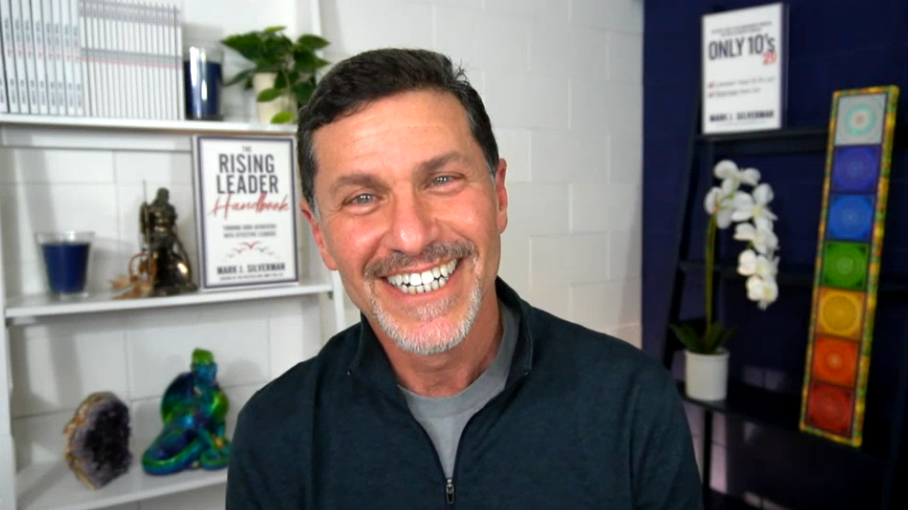
Mark J. Silverman’s story is nothing short of remarkable. He’s a best-selling author, executive coach, speaker, and the host of "The Rising Leader Podcast." But his journey wasn’t always smooth. Mark faced significant challenges, including addiction and homelessness, before transforming his life into one of purpose and leadership. He now leverages his experiences to help senior executives lead with clarity, presence, and humanity. His books, "Only Tens 2.0" and "The Rising Leader Handbook," are testaments to his wisdom and commitment to helping others rise to their full potential.
Mark's Journey: Addiction, Sobriety, and Rebuilding Life
Mark's journey began with a struggle against addiction that ultimately led to homelessness. Living out of a truck, he faced the harsh realities of life at its most challenging. However, this period became a catalyst for profound change. He committed to sobriety and began the arduous process of rebuilding his life, brick by brick. This transformation wasn't just about overcoming addiction; it was about redefining his values, priorities, and sense of self. It was about finally saying 'no' to the things that were detrimental to his life and 'yes' to a future of purpose and impact.
His recovery involved a deep dive into self-reflection, seeking guidance through programs like Alcoholics Anonymous (AA) and Narcotics Anonymous (NA), and adopting a spiritual foundation. These steps provided him with the structure and support needed to navigate the complexities of sobriety and personal growth. Mark's story is a powerful reminder that transformation is possible, regardless of how far one has fallen. He talks about this more in depth in the episode.
The Importance of Prioritization: Saying 'No' to the Non-Essential
Prioritization is the art of discerning what truly matters and allocating your time and energy accordingly. In a world of endless opportunities and demands, it's easy to become overwhelmed and spread yourself too thin. Saying 'no' to the non-essential is crucial for maintaining focus and achieving your goals. This involves a conscious decision to eliminate distractions, delegate tasks, and decline requests that don't align with your core priorities.
To effectively prioritize, start by identifying your values and goals. What is most important to you? What do you want to achieve in your personal and professional life? Once you have clarity on your priorities, you can begin to evaluate opportunities and requests against these criteria. If something doesn't align with your goals or values, it's a clear signal to say 'no.'
One practical technique is to use the Eisenhower Matrix, which categorizes tasks into four quadrants: urgent and important, important but not urgent, urgent but not important, and neither urgent nor important. Focus your energy on the urgent and important tasks, schedule time for the important but not urgent tasks, delegate the urgent but not important tasks, and eliminate the tasks that are neither urgent nor important.
Setting Boundaries: Protecting Your Time and Energy
Setting boundaries is an essential aspect of self-care and effective prioritization. Boundaries are the limits you set to protect your time, energy, and emotional well-being. Without clear boundaries, you risk becoming overextended, stressed, and resentful. Learning to say 'no' to requests that violate your boundaries is a critical skill for maintaining a healthy balance in your life.
Start by identifying your personal and professional boundaries. What are your limits in terms of workload, availability, and emotional investment? Communicate these boundaries clearly and assertively to others. Be prepared to enforce your boundaries, even if it means disappointing someone. Remember, it's better to disappoint someone else than to sacrifice your own well-being. Listen to the episode to hear Mark talk about how he learned to set personal and professional boundaries.
One effective strategy is to use "no" sandwich: start with a positive affirmation, deliver the 'no,' and end with another positive affirmation. For example, "I appreciate you thinking of me for this project, but I'm currently at capacity. I'm confident you'll find someone who can give it the attention it deserves." This approach softens the blow of the 'no' while still maintaining your boundary.
Focus on Impact Over Fame: Serving One Person at a Time
In a world obsessed with fame and recognition, it's easy to lose sight of what truly matters: making a positive impact on the lives of others. Mark advocates for focusing on serving one person at a time, rather than chasing widespread recognition. This approach allows you to deepen your connections, provide meaningful support, and create a lasting legacy.
Impact is about quality over quantity. It's about focusing your energy on the individuals you can truly help, rather than trying to appeal to a mass audience. This might involve mentoring a young professional, volunteering in your community, or simply offering a listening ear to a friend in need. These small acts of service can have a profound impact on the lives of others and bring a sense of fulfillment to your own life.
In the episode, Mark discusses how he transitioned from focusing on generating revenue for tech startups to helping individuals lead with clarity and purpose. This shift was driven by a desire to make a more meaningful impact on the world. By focusing on serving one person at a time, Mark has created a ripple effect of positive change, inspiring others to live more authentic and fulfilling lives.
Lessons in Podcasting: Applying 'No' to Guest Selection
Podcasting, like any creative endeavor, requires careful prioritization and boundary setting. One of the most important lessons Mark shared is the importance of saying 'no' to podcast guests who don't align with your values or audience. This might involve declining interviews with individuals who are solely focused on self-promotion or who promote harmful ideologies. Remember that even with my podcast, it can be a struggle to find people that fit the goals I've set for the show and that is okay.
When selecting guests, consider the value they bring to your audience. Will they provide insightful information, inspire positive change, or offer a unique perspective? Are they aligned with your brand and values? If the answer is no to any of these questions, it's a clear signal to decline the interview. This allows you to focus on hosting guests who will provide genuine value to your listeners and enhance the overall quality of your podcast.
Additionally, be mindful of the time commitment involved in preparing for and conducting interviews. Each interview requires research, preparation, and post-production work. By saying 'no' to less desirable guests, you free up time and energy to focus on creating high-quality content that resonates with your audience.
Faith, Spirituality, and Leadership: Anchoring Principles
Faith and spirituality play a significant role in Mark's life and leadership philosophy. He believes that having a strong spiritual foundation provides guidance, resilience, and a sense of purpose. This grounding allows him to navigate challenges with grace and maintain a focus on serving others. He mentions in the episode that his time in AA and NA allowed him to explore spirituality without the bounds of religion.
Whether through religious practices, meditation, or connecting with nature, cultivating a spiritual practice can provide a sense of inner peace and clarity. This inner strength can be invaluable in leadership, allowing you to make decisions based on your values rather than external pressures. It can also foster empathy and compassion, enabling you to connect with others on a deeper level.
Mark emphasizes that leadership is not just about achieving results; it's about inspiring and empowering others to reach their full potential. By leading with integrity, compassion, and a sense of purpose, you can create a positive impact on the world and leave a lasting legacy.
ADHD and Executive Function: Building Systems for Success
Mark has ADHD, a neurodevelopmental disorder that can impact executive function skills such as organization, planning, and time management. Despite these challenges, he has achieved remarkable success by developing systems and strategies to manage his ADHD. This includes breaking down tasks into smaller, manageable steps, using visual aids, and setting realistic deadlines. He also speaks a bit about his struggles with debt and how he overcame them as well.
If you struggle with ADHD or executive function challenges, it's essential to find strategies that work for you. This might involve working with a coach or therapist, using organizational tools, or creating a structured routine. The key is to identify your strengths and weaknesses and develop systems that leverage your strengths while mitigating your weaknesses.
Mark's story is a testament to the fact that ADHD is not a barrier to success. With the right strategies and support, individuals with ADHD can thrive and achieve their full potential. The conversation on the podcast goes into greater detail on this, as well.
Resources Mentioned: Books, Podcasts, and Support Systems
Throughout our conversation, Mark mentioned several resources that have been instrumental in his journey. These include his own books, "Only Tens 2.0" and "The Rising Leader Handbook," as well as his podcast, "The Rising Leader Podcast." He also highlighted the importance of support systems like Alcoholics Anonymous (AA), Narcotics Anonymous (NA), and Debtors Anonymous.
These resources provide valuable insights, guidance, and support for individuals seeking to improve their leadership skills, overcome addiction, or manage financial challenges. Additionally, Mark emphasized the importance of mentors, coaches, and therapists in providing personalized support and guidance. Finding the right resources and support systems can make a significant difference in your personal and professional growth.
Embracing the Power of 'No' for a More Meaningful Life
In conclusion, learning to say 'no' is a powerful tool for prioritizing your time and energy, setting boundaries, and focusing on what truly matters. Mark J. Silverman's journey from addiction and homelessness to leadership expert is a testament to the transformative potential of making conscious choices and saying 'no' to the non-essential. By embracing the power of 'no,' you can create a more meaningful, fulfilling, and impactful life.
I encourage you to listen to the full episode of "Conversations with Rich Bennett" featuring Mark J. Silverman here to gain deeper insights into his remarkable journey and the lessons he has learned along the way. Consider how you can incorporate these lessons into your own life and start embracing the power of 'no' today.

The LIGHT Philosophy: Finding Clarity, Confidence, and Momentum

 RSS Feed
 Goodpods
 Apple Podcasts
 Spotify
 Amazon Music
 TuneIn
 iHeartRadio
 Pandora
 Podchaser
 Castbox
 Overcast
 Podcast Addict
 Castro
 PlayerFM
 YouTube