Tales from the Crypt is more than just a horror anthology; it's a cultural phenomenon with a rich history and fascinating behind-the-scenes stories. This post dives into the making of this iconic show, exploring the creative minds, challenges, and surprising turns that shaped its legacy. We'll uncover the journey of Alan Katz, a key figure in bringing the Cryptkeeper and his ghoulish tales to life, and examine the impact of Hollywood's power dynamics on the creative process. We’ll also touch upon the personal struggles and redemptive power of storytelling that underscore the show’s lasting appeal. This exploration complements our latest podcast episode, Alan Katz: From Hollywood Success to Storytelling Redemption, where we dive even deeper into Alan's experiences and his current work in the world of podcasting. Prepare to unearth the untold stories behind the horror!
Unmasking the Tales from the Crypt
Tales from the Crypt emerged from the dark recesses of EC Comics in the 1950s, a time when horror comics were both wildly popular and heavily scrutinized. The original comics, known for their gruesome imagery and macabre humor, were created by William Gaines and Al Feldstein. These comics pushed boundaries, often facing censorship and public outcry due to their graphic content. Despite the controversy, they garnered a devoted following, laying the groundwork for the television series that would later captivate audiences.
Fast forward to the late 1980s, and the idea of adapting these classic horror comics for television was resurrected. The challenge was to capture the essence of the comics while navigating the sensibilities of a modern television audience. Enter a team of talented writers, producers, and directors who would embark on a journey to bring the Cryptkeeper and his tales of terror to life. The show needed to be both terrifying and funny, a delicate balance that required a unique creative vision.
Alan Katz: The Creative Force Behind the Horror
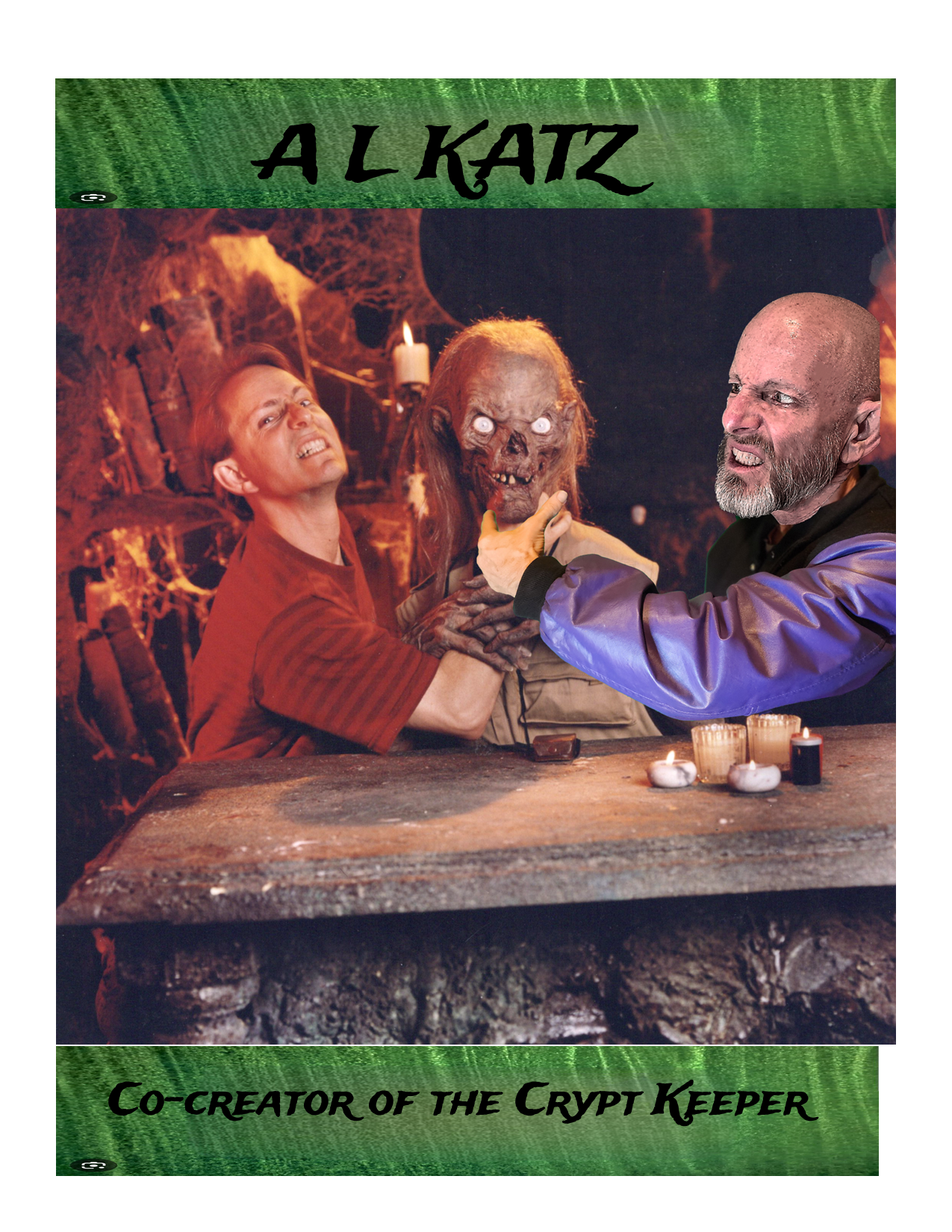
Alan Katz played a pivotal role in shaping Tales from the Crypt. As a writer and producer, he contributed significantly to the show's distinctive style and tone. His creative input helped to translate the shocking and humorous elements of the comics into a format that would resonate with television viewers. Katz's understanding of the horror genre, combined with his knack for dark comedy, made him an ideal fit for the project. He wasn't just writing scripts; he was helping to build a world that was both horrifying and darkly entertaining.
Katz's journey in Hollywood was not without its challenges. The creative process often involved navigating complex power dynamics and making tough decisions under pressure. He had to balance his artistic vision with the demands of the network and the expectations of the audience. Yet, despite these hurdles, Katz remained committed to delivering quality horror entertainment. His dedication and passion for storytelling were instrumental in the show's success.
The Genesis of Terror: Crafting Tales from the Crypt
Crafting an episode of Tales from the Crypt was a complex process that involved multiple stages of development. From selecting the right story to writing the script, casting the actors, and directing the scenes, each step required careful attention to detail. The goal was to create a self-contained narrative that would shock, amuse, and leave a lasting impression on the viewer.
The writers drew inspiration from various sources, including the original EC Comics, classic horror films, and contemporary social issues. They often incorporated twists and turns, playing with the audience's expectations to create suspense and surprise. The use of practical effects and makeup was also crucial in bringing the gruesome and fantastical elements of the stories to life. Each episode was a mini-movie, a carefully constructed piece of horror entertainment designed to thrill and unsettle.
Hollywood's Influence: Power Dynamics and Creative Control
The entertainment industry is known for its intricate power dynamics, and Tales from the Crypt was no exception. The creative team often had to navigate the competing interests of the network, the studio, and the various individuals involved in the production. This could lead to conflicts over budget, casting, and the direction of the show. Maintaining creative control was a constant battle, as the writers and producers fought to protect their vision from being diluted by external forces.
These power struggles sometimes resulted in compromises and changes that altered the final product. However, the creative team remained resilient, working to find ways to express their artistic vision within the constraints of the industry. Their ability to navigate these challenges contributed to the show's unique identity and its enduring appeal. The behind-the-scenes battles were as intense as the horror stories unfolding on screen.
The Cryptkeeper's Charm: More Than Just a Laugh
The Cryptkeeper, the show's ghoulish host, is arguably one of its most iconic elements. With his skeletal appearance, macabre sense of humor, and penchant for puns, the Cryptkeeper served as the perfect guide to the world of Tales from the Crypt. Voiced by John Kassir, the Cryptkeeper's character was carefully crafted to be both frightening and funny, a balance that required a unique blend of voice acting and puppetry.
The Cryptkeeper's segments were often used to introduce and conclude each episode, providing a framing narrative that added to the show's overall sense of dread and amusement. His jokes were dark and often self-deprecating, poking fun at the horror genre while simultaneously celebrating it. The Cryptkeeper's presence helped to establish the show's distinctive tone, making it clear that Tales from the Crypt was not just about scares; it was also about having a good time.
Bordello of Blood: A Tale of Creative Fallout
Bordello of Blood, one of the Tales from the Crypt feature films, represents a significant chapter in the franchise's history. While the film aimed to capture the spirit of the show, it faced numerous challenges during production, leading to creative differences and ultimately, a disappointing outcome. The film's reception was mixed, with many critics and fans feeling that it failed to live up to the standards set by the television series.
The making of Bordello of Blood highlights the difficulties of translating a successful television format to the big screen. The film's production was plagued by budgetary constraints, script revisions, and creative disagreements, all of which contributed to its lackluster performance. Despite the best efforts of the cast and crew, Bordello of Blood serves as a cautionary tale about the challenges of adapting a beloved franchise for a different medium.
From Darkness to Light: Overcoming Personal Struggles
Behind the scenes of Tales from the Crypt, many of the individuals involved faced personal struggles and challenges. Alan Katz, in particular, has been open about his battles with depression and trauma. These experiences have shaped his perspective on storytelling and his commitment to using his creative talents to make a positive impact on the world.
Katz's journey from darkness to light is a testament to the power of resilience and the importance of seeking help when needed. His willingness to share his story has inspired others to confront their own demons and to find hope in the midst of adversity. His experiences have also informed his approach to storytelling, emphasizing the importance of honesty, vulnerability, and emotional depth.
The Power of Storytelling: Healing and Redemption
Storytelling has the power to heal, to connect, and to inspire. For Alan Katz, it has been a means of processing his own experiences and finding redemption. By sharing his stories, he hopes to help others who are struggling with similar challenges. He believes that storytelling can be a catalyst for change, encouraging empathy, understanding, and ultimately, healing.
Katz's work in podcasting reflects his commitment to using storytelling for good. He seeks out true stories that are both compelling and meaningful, stories that can make a difference in the lives of listeners. His focus on authenticity and emotional depth sets his podcasts apart, creating a space for genuine connection and profound impact. Storytelling, in his hands, becomes a powerful tool for healing and redemption.
Podcasting as a Creative Revolution
The rise of podcasting has democratized the media landscape, giving creators more control over their work and allowing them to connect directly with their audience. For Alan Katz, podcasting represents a creative revolution, a shift in power that empowers storytellers to tell their stories on their own terms. He sees podcasting as a way to bypass the traditional gatekeepers of Hollywood and to reach listeners who are hungry for authentic and engaging content.
Podcasting offers creators the freedom to experiment, to take risks, and to explore topics that might not be commercially viable in other media. It also allows for a more intimate and personal connection with the audience, fostering a sense of community and engagement. Katz has embraced podcasting as a way to build a legacy outside of Hollywood, creating a platform for his own stories and for the stories of others.
Building a Legacy Outside Hollywood
Alan Katz's decision to move away from traditional Hollywood and embrace podcasting reflects a growing trend among creatives who are seeking more autonomy and control over their work. By building a legacy outside of the established industry, Katz is charting his own course, defining success on his own terms. He is focused on creating meaningful content that resonates with listeners and makes a positive impact on the world.
His production company, Costard & Touchstone Productions, is a testament to his vision. Through this platform, he produces a variety of podcasts that explore diverse topics, from true crime to personal stories of resilience. His commitment to quality and authenticity has earned him a loyal following and established him as a leading voice in the podcasting world.
The Future of Storytelling: Alan Katz's Vision
Alan Katz envisions a future where storytelling is more inclusive, more diverse, and more impactful. He believes that the power of stories should be harnessed to promote empathy, understanding, and social change. He is committed to using his platform to amplify marginalized voices and to share stories that challenge conventional narratives.
Katz's vision for the future of storytelling is rooted in his belief that stories can change the world. He is dedicated to creating content that is not only entertaining but also thought-provoking and meaningful. His work in podcasting is a testament to his commitment to this vision, and he continues to inspire others to use their creative talents to make a positive impact on society.
The Enduring Legacy of Tales from the Crypt
Tales from the Crypt remains a beloved and influential horror franchise, inspiring countless writers, filmmakers, and artists. Its blend of dark humor, gruesome imagery, and cautionary tales continues to resonate with audiences of all ages. The show's enduring legacy is a testament to the creative vision of its creators and the talented individuals who brought it to life.
From its origins in the controversial EC Comics to its successful run on HBO, Tales from the Crypt has left an indelible mark on popular culture. Its impact can be seen in the numerous horror anthologies that have followed in its wake, as well as in the continued fascination with the Cryptkeeper and his ghoulish stories. The show's legacy is a reminder of the power of storytelling to entertain, to shock, and to leave a lasting impression. We explored many of these stories in our latest episode, Alan Katz: From Hollywood Success to Storytelling Redemption. Be sure to give it a listen to hear even more about the making of this incredible show and Alan Katz's journey in Hollywood and beyond.

The LIGHT Philosophy: Finding Clarity, Confidence, and Momentum

 RSS Feed
 Goodpods
 Apple Podcasts
 Spotify
 Amazon Music
 TuneIn
 iHeartRadio
 Pandora
 Podchaser
 Castbox
 Overcast
 Podcast Addict
 Castro
 PlayerFM
 YouTube