Carefree Kitchens is more than a cabinet company. It’s a living example of what the American Dream can look like when it’s built on faith, family, integrity, and service.
In this episode of Conversations with Rich Bennett, Rich is joined by cohost Joe Ayler for a powerful conversation with the family behind Carefree Kitchens. What begins as an immigration story quickly unfolds into a decades-long journey of entrepreneurship, resilience, and doing business the right way even when it’s hard.
From arriving in the United States with nothing, to surviving economic downturns, to building a multi-generational family business that prioritizes people over profit, this episode is filled with wisdom for business owners, leaders, and anyone chasing a dream bigger than themselves.
This is a conversation about legacy, reputation, leadership, and why success means more than money when faith and family lead the way.


Carefree Kitchens is a family-owned business built on faith, integrity, and the belief that doing the right thing leads to lasting success. In this episode, Rich Bennett and cohost Joe Ayler explore the company’s journey from humble beginnings to a multi-generational enterprise, highlighting leadership, resilience, and the values that define the American Dream.
Sponsored by Harford County Chamber of Commerce
Guests Bios:
Jik Yousefi
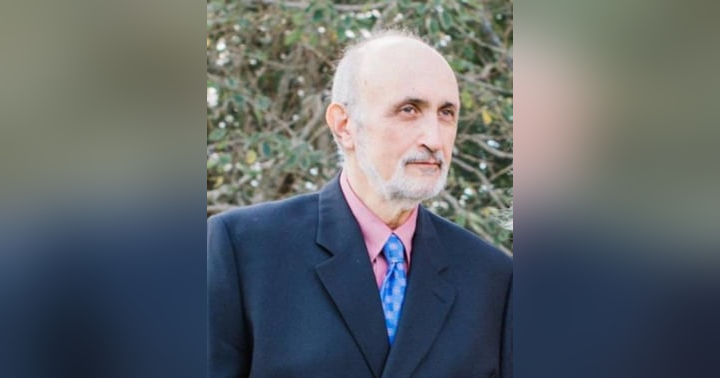
Founder of Carefree Kitchens, Jik Yousefi immigrated to the United States as a young man and built a life and business rooted in faith, integrity, and hard work. Starting with nothing, he learned business from the ground up and went on to create a company that has thrived for decades through economic shifts and industry changes. Jik leads with a people-first mindset, believing that reputation, service, and character matter more than profit. His story reflects the true spirit of the American Dream.
Norm Shertzer
Norm Shertzer is the Sales Manager at Carefree Kitchens and has been with the company for nearly three decades. A trusted leader within the organization, Norm oversees relationships with builders, remodelers, and developers, helping guide projects from design through completion. His long tenure reflects the company’s commitment to loyalty, service, and long-term relationships, both with employees and customers.
Sheariah Yousefi
Sheariah Yousefi plays a key role in business development and community engagement at Carefree Kitchens. She helps strengthen relationships with builders, industry partners, and local organizations while also supporting government and regulatory awareness tied to the construction and building industry. With an entrepreneurial mindset of her own, Sheariah brings strategic insight, advocacy, and a strong connection to the company’s values-driven mission.
Jedidiah Yousefi
Jedidiah Yousefi leads marketing and brand strategy at Carefree Kitchens. After earning a degree in business administration and marketing, he joined the family business full time and built its digital presence from the ground up. From launching the company’s website and social media to documenting completed projects and strengthening brand visibility, Jedidiah bridges tradition and modern marketing while supporting day-to-day operations across the company.
Main Topics:
· The immigration journey behind Carefree Kitchens and arriving in the U.S. with nothing
· What the American Dream really looks like when faith and integrity lead the way
· Building a family-owned, multi-generational business
· Learning business through experience, mistakes, and resilience
· Surviving major economic downturns, including the 2008 recession
· Why reputation and character matter more than profit
· Leadership lessons from decades in business
· Creating a people-first company culture that values employees
· Adapting to industry changes in construction and kitchen design
· Defining success through legacy, service, and impact on others
Resources mentioned:
· Carefree Kitchens: https://www.carefreeindustries.com
· Immigration and American entrepreneurship experiences
· Faith-based leadership principles
· Small business ownership and family business dynamics
· Construction, remodeling, and cabinetry industry insights
· Long-term employee retention and company culture
· The value of reputation and integrity in business
· Episode Sponsor: Harford County Chamber of Commerce
· Supporters at end:
o Supporter: Full Circle Boards
o Supporter: Sincerely Sawyer Photography
o Supporter: Joppatowne Lions Club
Rate & Review on Apple Podcasts
Follow the Conversations with Rich Bennett podcast on Social Media:
Facebook – Conversations with Rich Bennett
Facebook Group (Join the conversation) – Conversations with Rich Bennett podcast group | Facebook
Twitter – Conversations with Rich Bennett
Instagram – @conversationswithrichbennett
TikTok – CWRB (@conversationsrichbennett) | TikTok
Sponsors, Affiliates, and ways we pay the bills:
Hosted on Buzzsprout
SquadCast
Follow the Conversations with Rich Bennett podcast on Social Media:
Facebook – Conversations with Rich Bennett & Harford County Living
Facebook Group (Join the conversation) – Conversations with Rich Bennett podcast group | Facebook
Twitter – Conversations with Rich Bennett & Harford County Living
Instagram – Harford County Living
TikTok – Harford County Living
Sponsors, Affiliates, and ways we pay the bills:
Recorded at the Freedom Federal Credit Union Studios
Hosted on Buzzsprout
Rocketbook
SquadCast
Want to be a guest on Conversations with Rich Bennett? Send Rich Bennett a message on PodMatch, here: https://www.podmatch.com/hostdetailpreview/richbennett
Disclaimer: This post contains affiliate links. If you make a purchase, I may receive a commission at no extra cost to you.
If you’re interested in podcasting and are looking for equipment and services, here are some of the ones we use and recommend:
Podcast products we have used, use, and/or recommend
Buzzsprout - Let's get your podcast launched - Start for FREE




00:00 - Welcome and introduction
03:07 - The early journey to America
08:22 - Starting from nothing and finding opportunity
16:07 - Learning business the hard way
23:47 - The birth of Carefree Kitchens
31:37 - Faith, integrity, and reputation in business
39:39 - Sponsor: Harford County Chamber of Commerce
41:57 - Surviving economic downturns
52:22 - Building a family-driven company culture
01:04:07 - Legacy, leadership, and the American Dream
01:21:07 - Final reflections and closing thoughts
Wendy & Rich 0:01
Coming to you from the Freedom Federal Credit Union Studios, Hartford County living presents conversations with Rich Bennett.
Rich Bennett 0:29
The man
Norm Shertzer 0:30
who always gives me a hard time, no matter what, Joe Elr.
Rich Bennett 0:33
And
Sheariah Yousefi 0:34
we
Norm Shertzer 0:34
have a group
Sheariah Yousefi 0:36
of Commerce,
Norm Shertzer 0:36
on
Sheariah Yousefi 0:36
on who
Norm Shertzer 0:36
who I
Sheariah Yousefi 0:36
I
Norm Shertzer 0:36
met
Sheariah Yousefi 0:36
met, the Chamber
Norm Shertzer 0:37
Chamber
Sheariah Yousefi 0:38
of Commerce.
Rich Bennett 0:39
And
Norm Shertzer 0:39
Ray Wednesday, okay, you guys have to come back on to talk
Sheariah Yousefi 0:43
about the story of how the business started.
Rich Bennett 0:47
I actually take
Norm Shertzer 0:48
that back. Well, you had started
Rich Bennett 0:51
and what it's doing now. But I'm
Norm Shertzer 0:53
all
Rich Bennett 0:53
going to have you
Norm Shertzer 0:54
and
Rich Bennett 0:55
introduce yourselves, because there's, we got a
Jik Yousefi 0:56
food.
Sheariah Yousefi 0:58
I am Shira Yusephi and it is great to be here.
Jik Yousefi 1:03
And I'm GIC Yusephi, I'm the president
Norm Shertzer 1:06
of Care Free Catchings and the
Jik Yousefi 1:08
founder of Care Free Catchings.
Norm Shertzer 1:11
Norma Charlister, Sales Manager of Care Free Catchings.
Jedidiah Yousefi 1:14
Jedi Yusephi, I handle marketing and wear many different hats in the business. I'm the son of GIC.
Rich Bennett 1:20
First
Norm Shertzer 1:20
all, what brought you to America? Well, because your story to me
Jik Yousefi 1:25
of
Norm Shertzer 1:25
is amazing, and they had started the business.
Jik Yousefi 1:28
So I
Norm Shertzer 1:29
came
Jik Yousefi 1:30
to
Norm Shertzer 1:31
the United
Jik Yousefi 1:32
States in
Norm Shertzer 1:33
1972. I was
Jik Yousefi 1:34
19
Norm Shertzer 1:34
19,
Jik Yousefi 1:35
years old. And this
Norm Shertzer 1:37
this
Jik Yousefi 1:37
is
Norm Shertzer 1:37
is
Jik Yousefi 1:37
of course before the Islamic Revolution, which happened in 1979. So the reason that I came to United States
Norm Shertzer 1:45
was to
Jik Yousefi 1:46
continue my post high school education. But then things changed and I just couldn't go back to Iran and the revolution happened and really things, everything went back to parts, basically.
Things were very difficult back in Iran and at the time they were involved in a war with Iraq and all the young people were being recruited, and they were being forced into going into battle. So it was a very difficult time. And of course it wasn't like a normal war that was going on. I don't know if you ever heard the stories. But what this Islamic
government basically did, when they wanted to clear the minefields, and I know that right now you have been in the Marines and you know, when they wanted to clear the minefields, they would recruit kids that they were like 10 or 11 years
Jedidiah Yousefi 2:46
maybe
Jik Yousefi 2:46
old, or the little bit younger, a little bit older. They would give them, you know, we were talking about the spiritual things earlier, they would give them a key, a plastic key put a random neck and they said this is a key to heaven.
Norm Shertzer 2:59
even
Jik Yousefi 3:00
And they would make them run across the minefields and many of these kids died,
Norm Shertzer 3:05
many of them
Jik Yousefi 3:05
became maims and lost, you know, their extremities.
Norm Shertzer 3:09
Right.
Jik Yousefi 3:10
So it was just an awful thing. So anyway, when I came to the United States, you know, at the beginning, it was a difficult time. I didn't speak the language and of course there was, you know, you are homesick and you don't know anybody. And I'm trying to figure out what I'm going to do in this culture. Now one thing that is great about the United States is that everybody has an opportunity and you can just participate in whatever you want and you can just set your own destiny in a sense, you know. If you really said your mind to it and I remember not knowing, and well, let me go back just tell you how it just happened. When
Norm Shertzer 3:54
came,
Jik Yousefi 3:54
I
Norm Shertzer 3:55
anyone in the United
Jik Yousefi 3:55
States, I came aboard of a C-130 at that time, landed in Maguard Air Force,
Norm Shertzer 4:02
It's
Jik Yousefi 4:02
basically.
Norm Shertzer 4:02
not a considerable flight.
Jik Yousefi 4:03
No, it wasn't a comfortable flight.
Norm Shertzer 4:05
I mean, we were sitting
Jik Yousefi 4:05
in the back, you know, where they put power
Norm Shertzer 4:07
Oh,
Jik Yousefi 4:07
troopers.
Norm Shertzer 4:07
yeah.
You don't put an ear anybody,
Jik Yousefi 4:09
right?
Are you all right? There was like six of us, plus there were four crew members. And, so what they took about three days before, you know, we landed in the United States because C-130 couldn't fly across the ocean. They had to have a stop and we ended up stopping in England, and Ezer's Lie Land, and then came to Maguard Air Force race. So here I am, you know, 19 years old.
Norm Shertzer 4:38
And,
Jik Yousefi 4:39
This
Norm Shertzer 4:39
you know,
Jik Yousefi 4:39
is a military base basically and you don't have the regular facilities and everything that you normally would have in an Airport, so I'm standing there and we had to wait a couple of hours and they had to call in immigration officer or an ICE agent and you know, custom officer and get took a couple of day a couple of hours before the final came in and checked us all in so we are we are standing there and and everybody is leaving one by one Their friends and friends are coming and picking them up and what I had nobody because I really didn't think that for ahead You know just thought, okay, it's great United States. You go there. Everything's
Norm Shertzer 5:22
good
Jik Yousefi 5:23
What I've heard about United States is all land of opportunity
Norm Shertzer 5:25
It is
Jik Yousefi 5:26
wonderful you can do things Well, I never really thought about it all the details of it because I was a naive teenager based
Joe Ayler 5:33
on how many people on on the plane
Norm Shertzer 5:35
Total
Jik Yousefi 5:36
of 10
Joe Ayler 5:36
just and tell me about how you became one of the 10
Jik Yousefi 5:41
well as it happened that my father had One of his relatives that was in the at that time Iranian royal Air and
Sheariah Yousefi 5:54
Yeah,
Jik Yousefi 5:57
and then what and these
relationship between Iran and United States the ring Shahzrichin was very good
Rich Bennett 6:05
The
Jik Yousefi 6:06
You know all of the equipment and Material that we had in the army. They were like American May. So this airplanes would come back and forth regularity they would bring back spare parts and they would bring personnel for training So that is how I ended up Plus it was much cheaper than flying on a regular airliner
Rich Bennett 6:32
Right
Jik Yousefi 6:34
you don't get nothing Right he was yeah, I mean you sit on those
Norm Shertzer 6:38
you know what
Jik Yousefi 6:38
the all the power troopers said right
Norm Shertzer 6:40
the
Jik Yousefi 6:40
when
Rich Bennett 6:42
Canvas
Jik Yousefi 6:44
that's it That's
Joe Ayler 6:45
That's it.
Jik Yousefi 6:45
it.
Joe Ayler 6:45
So it was kind of like hey There's a C1 landing to pick up parts this time. I got
Jik Yousefi 6:50
That's
Joe Ayler 6:50
10
Jik Yousefi 6:51
it.
Joe Ayler 6:51
spots talk to your son
Jik Yousefi 6:52
Yeah, we got six spots because they had four
Joe Ayler 6:56
And if you want to get on
Jik Yousefi 6:58
so that's this is it
Joe Ayler 6:59
your your ticket
Jik Yousefi 7:00
it that's pretty much it
Norm Shertzer 7:02
That's
Jik Yousefi 7:03
that's pretty much it so that's what happened and the So you know, I'm a standing there once we landed and it is getting laid in the evening and I'm trying to figure out Okay, what am I gonna do next so there was this one German lady that was on the plane with us her husband was in Philadelphia she he was In Iranian royal navy and he was in Philadelphia for training, so We are in the airport and it is quiet now occasionally and aeroplane is taking off or landing and So she saw me a standing there bewildered and you know Frankly at that point there was a fear that had come to over me because I'm
Rich Bennett 7:49
oh
Jik Yousefi 7:49
thinking,
Rich Bennett 7:49
bet
Jik Yousefi 7:50
What am I gonna do? I don't know how to make a phone call. I don't know how to catch a cab I don't know how to catch a bus plus. I don't know even what I'm going
Rich Bennett 7:56
But you don't know English
Jik Yousefi 7:57
I didn't
Rich Bennett 7:58
right?
Jik Yousefi 7:58
know it's absolutely I didn't know so she comes over and she says Do you need help? I said yes, she said oh, okay. What do you want to go? I said? I don't know She said you don't know where you want to go. I said no. She said do you know anybody here? I said no She said you don't know where you want to go you don't know anybody here. Why'd you come here? I said I don't know That's kind of like the way it worked She says she said well do you absolutely doesn't know anybody at all here? Well, I was supposed to go to college. I had a what they call an I-20 which is an acceptance form from College in WestBaden, Indiana called Huntington College, but that wasn't on this is that was an until the fall of the year And this is in April of 1972 so I had Phone number in my pocket from you know my mother's cousin that my mom gave me and She said you know when should take this with you. I said mom. I don't need any phone number. I can take care of myself. You know just typical arrogant teenager, but fortunately I had the phone number. I said well, okay. I have this phone number. She's a give it to me Let me call call that number she calls up the number and my mom's cousin his wife answers the phone And she gets on the phone and she starts talking to her in English. I'm assuming you know she sounds like to me like she spoke fluent English, you know, but anyway going back and forth. So she calls her. I says I have your husband's cousin here and the lady on the end of the phone says well who is my cousin my husband's cousin she asked me she said what she said.
She says okay give the phone number then she calls up my mom's cousin and he's still at work so there is something to be said about workaholics there is a blessing in that. Let me tell you because this time he's like seven in the evening like six seven o'clock and he's still in the office. Thank God. He answers the phone and she repeats the same goes through the same question. I have your cousin here and he says who is my cousin's and the gig he says I don't know anyone is, well he had come to United States on 15 years earlier. I was only four years old. He doesn't have any understanding of who I am. Plus you know there wasn't really a close But there really a close relationship between my mom and them and so forth. And so she says, he says he doesn't know you're so well. Let me talk to him. So I talked to him in Farsi of course told him who my mom was who my dad was and so oh yeah okay okay I know you he says and he lived in Dayton Ohio. He said he told me
Norm Shertzer 10:58
to give the phone back
Jik Yousefi 11:05
to the lady to the lady.
Norm Shertzer 11:09
How
Jik Yousefi 11:10
to get a ticket and this and that. And she hung up the phone. She said okay I'm going to take care of you and later on in life I'm reflecting back to this. I said man this is hand of God. I mean this is all just providence because I don't know if it's good have come about so she gets on the phone and she she calls up Philadelphia airport and reserves a ticket for me. Then she says when you wait here my husband's friends are coming to pick me up and they're going to take me to my husband after they drop me up I'll have them to take you to the airport and help you. Meanwhile she wrote a little three by five cards I don't know what she wrote on them but she numbered them for me because I had a
Norm Shertzer 11:54
link over it.
Jik Yousefi 11:55
That's what's work. So I get the cards and the friends come and the friends of course are Iranian so we can speak Farsi and everything's good. We get in their car. They drop her off and they take me to the airport. They get my ticket and then they walk me this is of course before 9/11 they took me all the way up to the gate. They said
Sheariah Yousefi 12:17
sit
Jik Yousefi 12:18
when that door opens up you give this card number one to the lady that's going to be standing over there and that's all I got on the plane and then when I showed it to her she put me in the front seat she said you sit here whatever the cards said and then I had the card number two when we landed she walked me to the next gate and she said the same thing over there number two kind of a thing and I'm okay I understand kind of a thing. So I ended up in Dayton Ohio but I don't know who this cousin is so I'm trying to figure out over there okay who is this person and I'm lucky so I thought maybe the best thing is that if I call his name loud somebody would actually so I that's exactly what happened so I called him and I saw somebody going like this I said okay that's him. So I ended up with him and that's how actually things started. So moving forward in history so there is a bad like maybe a bad I would say six months later I'm back in Baltimore and I'm trying to figure out okay what am I going to do what am I going to live my brother had a friend that lived at the time in Houston and he had moved just to Baltimore and he was looking for a house as well and so I connected with him and we ended up getting a room somewhere and we were living in that room and he found the room for me and he was near the old memorial stadium on 33rd street. I still remember 33rd and Alamedo. But yeah, yeah. So anyway, and then I'm trying to figure out, okay, what am I going to do? Right? I need to have a job. I don't have any money. I don't know the language. So every Iranian guy, just like normally, if you don't know the language, you're going to hang around with the people that you know and they can speak your language. So I'm around all these Iranian guys and everyone I see, I say, what do you do? What do you do? Finally, my friend told me, so let me tell you something. He said, when you see any of these Iranian guys, look at their left arm. If their left arm is sometimes and it is darker, they are driving a cab. If they are not, he's working in a restaurant. I said, oh, great. That makes it easy. So I looked at the guys, one of them that, do you work in a restaurant and said, yeah, I said, do they have a job that I can do? I don't know. I'll ask. So I ended up working as a hospital in a restaurant. So that was really the beginning of it. And of course, maybe three and a half years later now, I'm acclimated in society. I ended up getting married and the greatest blessing that happened to me, of course, my wife. And the rest of that is a history. We may get into a little bit at the time. So I worked in a restaurant for a while. And then I'm, there was a guy that worked there and he was about 65 years old. And a strong, strong guy and everybody called them Pops. So I asked him one time, I said, Pops, how long you've been doing here? He said, oh, about 40 years. I said, 40 years, I've been working in restaurant. He said, yeah, I said, man, that's incredible. I said, well, how did you end up working in restaurant? He said, well, I used to work for the railroad and I would send us ad in the hot and in the cold and we're working. And it was difficult. One day somebody came to me, he said, hey, do you want to make some money? And it would be in a nice environment that you don't have to be in the heat and the cold. And I said, yeah, so I came in, I'm working in restaurant, and I've been working ever since. Then I thought to myself, I said, wow, I don't think I want to be here 40 years from now. And waiting
Norm Shertzer 16:21
tables,
Jik Yousefi 16:21
on and stuff like that. What should I do?
Jedidiah Yousefi 16:24
tables,
Jik Yousefi 16:25
Well, there was a manager that we had, we had a Matrady at the time. Matrady had a business that he was running on the site and he was a picture framing business, And I went to him and I was working in the evenings in the restaurant. I went to him. I said, hey, listen, can I make a deal with you? He said, what's that? I said, how about if I come and work for you for
Norm Shertzer 16:47
free.
Jik Yousefi 16:47
free? And you just show me how the businesses are running United States. Because in Iran, we have no tax laws, there is no regulations, you just go do things if you have an opportunity to do it.
Rich Bennett 16:59
Well, you could do that here.
Norm Shertzer 17:01
That's
Jik Yousefi 17:03
right. That's right. So, you know, that was a great deal for him. He said, sure, come on here. So, I went and worked for him for free and he was telling me, you know, how things are done after a while. I was keeping his books and everything. And so, I was starting to learn. Well, one day, my wife and I at this time on May, my wife and I, you know, on a Sunday, we are sitting and back there was a restaurant that was in Towson called Bob Evans. No, what was it called? Bob Evans? No, it was anyway. He'll come to me in a minute. There was a restaurant we were sitting there. And having ... I still remember it was Mother's Day and we are having breakfast and then I hear all these fire engines going by. So, I wonder what happened? Well, the next day, Monday, when I go to work, I find out what happened. The guy had set the place on fire to collect the insurance money. He didn't teach me that
Norm Shertzer 18:07
it.
Jik Yousefi 18:07
part of And I was
Joe Ayler 18:11
65-year-old dude that had been in there?
Jik Yousefi 18:12
No, no, no. This is my boss that I was working for for free at
Joe Ayler 18:16
A
Jik Yousefi 18:16
this
Joe Ayler 18:16
framing
Jik Yousefi 18:17
time.
Joe Ayler 18:17
guy?
Jik Yousefi 18:17
The
Joe Ayler 18:17
guy.
Jik Yousefi 18:17
framing
Joe Ayler 18:18
Framing guy set
Jik Yousefi 18:18
place
Joe Ayler 18:18
his
Jik Yousefi 18:19
on fire. Yeah. He actually did that in business twice and they finally the insurance company caught up with them and he ended up spending time in jail, but, uh, but so. So now all of a sudden, I don't even have a place to go. I said, "What are we going to do here?" You know what I mean? So the place that I'm working is all burned up, I said, Okay, I've got to think about something. So I went to the guy, I said, Look. I said, "Everything that you see here, either it's been damaged by fire or if it's not damaged, why fire is damaged by water?" What are you going to do with all these things? She said, "I don't know, I'm probably going to trash it." I said, "How about this? How about if you and I make a deal, I pay you certain amount of money which I don't have and I pay you eventually?" And I'll start business. She said, "Okay, that sounds good with me." So we made a deal and then I went to the landlord. So I told the landlord, "I said great, great people." You know, married corporation, you're wonderful people. You probably know them, they're all over town, wonderful people. So when to them I said to them, I said, "Look."
Joe Ayler 19:24
The landlord was like, "The landlord where?"
Jik Yousefi 19:26
This is where the
Joe Ayler 19:28
where the place burned
Jik Yousefi 19:28
framing
Joe Ayler 19:29
down,
Jik Yousefi 19:29
got...
Joe Ayler 19:29
so the framing guy, did
Norm Shertzer 19:31
he burn
Joe Ayler 19:32
down a
Norm Shertzer 19:32
place that wasn't
Joe Ayler 19:33
and he didn't know?
Jik Yousefi 19:34
He burned down the business, he was in a rental place, right? He was
Sheariah Yousefi 19:38
That he didn't
Jik Yousefi 19:39
renting from
Sheariah Yousefi 19:39
know?
Jik Yousefi 19:39
the married, right?
Joe Ayler 19:40
So he burned somebody else's house down.
Jik Yousefi 19:42
Well this was actually a concrete building, he was a warehouse building, right? Commercial building. Right.
Norm Shertzer 19:49
Right.
Jik Yousefi 19:53
So, so I went to the landlord, I asked him if he would give us three months of free rent and we would clean the place and we started business and they said, "Sure, we'll do that, that was great." So that's how I started in business, right? So I started with ashes, basically on ashes, I mean that nothing was there. So I was in picture framing business. Go ahead if you have
Joe Ayler 20:14
Yeah,
Jik Yousefi 20:14
it.
Joe Ayler 20:14
so I'm always curious about this. The moment when the concept, the idea to ask the individual, "Okay, can I start my own business?"
Jik Yousefi 20:28
Yeah.
Joe Ayler 20:29
Talk to me about where you think that comes from, is that is... You know what I'm saying? Someone could have easily just said, "All right, it's burnt down, I'm gonna go find another job."
Jik Yousefi 20:40
Yeah. Well,
Joe Ayler 20:42
do you think that that is that within us as entrepreneurs?
Jik Yousefi 20:46
I think it is within us entrepreneurs because you always think beyond what is there. You know, you can be really satisfied with the things that is there in your life and just do that. Or you can start thinking about things beyond it. And I don't think this is something that, you know, there is a verse in the Bible, he says, "What do you have that you did not receive?" So when you think about Aristotle, you think about Aristotle, you think about our way of thinking, it is like kind of a gift that is given to you. And there is a responsibility within each individual to be faithful to the gift that they are given. So now I didn't use to think on those terms back then. Now of course, you know, here 50 years later, I'm looking back.
Joe Ayler 21:33
Because I
Jik Yousefi 21:33
But...
Joe Ayler 21:33
probably started
Norm Shertzer 21:34
when you stepped on that plane. Exactly.
Joe Ayler 21:36
Because you wanted something more. Because
Jik Yousefi 21:38
Exactly.
Joe Ayler 21:38
you could have easily let fear overcome you.
Jik Yousefi 21:42
Yeah.
Joe Ayler 21:43
You know, but something inside you said, "There's something out there for me more and I'm going to..." You know, because that's probably a 19 year old stepping on that kind of of a plane to fly...
Jik Yousefi 21:55
Yeah.
Joe Ayler 21:55
You know, across the Atlantic into a foreign
Rich Bennett 21:59
life. You're my
Jik Yousefi 22:00
own... Yeah. It was, it was a lot exactly to your point, Joe. It was, it was just the only way that I can describe it. It was, it was unsettled. Right? There was something inside that was constantly churning. Right? That I'm not settled here. I need to do something else. Well, you know, and, and one thing that has always kind of guided me in life is that to do the next thing that is clear to me, you know? Otherwise, you're confused in life, right? What do you do? What is the next step that you know is the right thing to do? That has always been one of the things that I have pursued. And that is exactly what happened. I don't know why when I graduated from high school. I don't know why that thought occurred to me that I wanna go to America, but I had heard all these wonderful things, and I thought, 'Yeah, man, that's a great thing to do'. You know, why wouldn't you wanna do that if you have that opportunity? That's how I ended up here. So, when I came here, and I wanted to start a business, and I didn't know how, you know, because I thought, I said, 'I don't wanna be a waiter on teet'. And nothing wrong with Beider, I believe me. I think the restaurant business has put in, has put in many of the lawyers and the doctors and business people and engineers through life. I mean, that's a wonderful, wonderful opportunity. But, you know, I thought about it. I said, 'You know, I don't wanna be a waiter for 40 years later on.' There gotta be something else to do. So, what can I learn? What is it that I want to do next? And that's how I went to this guy who was my boss at the time at the restaurant, and he had a business on the side, and I said, 'Would you teach me how businesses are done?' And in place of it, I worked for you for free. Well, that was news to his. I mean, yeah, great. I'll do that. You know, if I don't have to pay you, you know. So, that's how I started that business of framing. So, we started with ashes. I was in it for about five years. Then I sold that business, and we were gonna move to Boston, but through certain circumstances that didn't happen. Then, while I was working at the time for a friend of mine, and I was taking care of his books, and he was in construction business, and taking care of some of his administrative work, and that sort of thing, and opportunity came up, that there was a company that was up for sale. And I thought to myself, I said, 'This is maybe a good opportunity if I go and buy that.' And the business that was there, was they were manufacturing displays, you know, back then conventions were the big things, and so if you wanted to go to a convention, you would have somebody make a kind of like a reception desk, like a display for you, so you can show your products, and that sort of thing. So, it was that kind of a business, and so, I bought that business from him, but at the time I didn't have money to pay him for it, so I made a deal with him. I said, 'How?'
Joe Ayler 25:09
You're making a lot of deals.
Jik Yousefi 25:10
Yeah,
Joe Ayler 25:11
yeah.
Jedidiah Yousefi 25:11
That's
Jik Yousefi 25:13
it.
Joe Ayler 25:14
Is there
Rich Bennett 25:14
no more
Jik Yousefi 25:15
five?
Joe Ayler 25:16
That's the third deal you made.
Jik Yousefi 25:18
Yeah, yeah. So, you know, I told him, I said, 'I pay you over time,
Joe Ayler 25:21
No,
Jik Yousefi 25:21
and
Joe Ayler 25:22
you pay these guys back, didn't
Jik Yousefi 25:23
I
Joe Ayler 25:23
you?
Jik Yousefi 25:24
paid
Joe Ayler 25:24
Okay.
Jik Yousefi 25:24
everybody...' I paid everybody back,
Joe Ayler 25:26
Maybe
Jik Yousefi 25:26
yes.
Joe Ayler 25:26
it's maybe the guy who didn't pay back is the guy who's unplugging the...
Jik Yousefi 25:32
Yeah,
Norm Shertzer 25:32
it's
Jik Yousefi 25:33
No, I paid
Sheariah Yousefi 25:33
them.
Jik Yousefi 25:34
everybody back, you know, a good name is better than Golden Silvers, so I believe in that. So, I paid everybody back, and he...
Rich Bennett 25:41
Wait, what was that you just said?
Jik Yousefi 25:43
I said, a good name is to be desired more than Golden Silvers.
Rich Bennett 25:47
I like that, I never heard of
Jik Yousefi 25:48
Yeah,
Rich Bennett 25:48
it before,
Jik Yousefi 25:48
I
Rich Bennett 25:48
I
Jik Yousefi 25:48
like
Rich Bennett 25:48
like that.
Jik Yousefi 25:49
Yeah, so, you know...
Joe Ayler 25:52
Reputation is
Jik Yousefi 25:53
currency, right? Yeah, exactly right, exactly right. Yeah, so to this day we were good friends, and we do a lot of
Joe Ayler 26:00
together.
Jik Yousefi 26:00
business
Joe Ayler 26:00
That was that
Jik Yousefi 26:01
Yeah,
Joe Ayler 26:01
right.
Jik Yousefi 26:01
yeah, very good friend. And so that's how I started, and what the company, you know, they were making displays, and that sort of a thing. And well, I didn't know anything about displays, you know. I did buy the business, and then I thought, okay, well, this is not the business that I know anything about. What are we going to do? And that brings me to how Carefree has started, because Carefree, the name itself actually has a history that goes back to 1930s. Has nothing to do with me, but there is a history there, right? Back in 1930s, there was a guy named Albert Winer, and wonderful people, him and four of his brothers, they had a woodworking and a cabinet making business, then in Baltimore, they were on a holiday street. And they were industrious people, and they, after a while, they were began to manufacture a line of plastic laminated cabinets, and they called it "carefree cabinets". And the reason they called it "carefree" was because, unlike a wood cabinets, that, you know, the stain can change
Rich Bennett 27:22
Right.
Jik Yousefi 27:22
with the laminated products, you can just wipe it, and it is clean, and so forth. And the business really grew, and they decided that now, instead of us being into the cabinet business, maybe we want to actually get into the plastic laminated business, because they were buying a lot of laminated from formica corporation. So, they started a company that was called, at that time, National Plastic Product Corporation. And they started manufacturing plastic laminated products. And they changed the name later on to a brand called "nevermore". I don't know if you ever heard of "nevermore laminated". And the reason they called it, there is a little funny story. The reason they called it "nevermore", because, for what I have heard, that it is upon taken ad of the poem by...
Rich Bennett 28:16
A gorilla
Jik Yousefi 28:17
Yeah,
Rich Bennett 28:17
po.
Jik Yousefi 28:18
that he says "no more", that the raven keeps saying "no more" no more. So they called it "nevermore", because they were trying to basically promote the product that once you buy this, you don't need to buy another cabinet. This is it for you. And then they sold their cabinet business and they stayed with the production of the laminated product, and that the company eventually moved into Odenton. They had a lot of land and so forth and so on. And in fact, today if you go there, you know, the point of orchard, community that is they develop that. But anyway, so when they sold their cabinet business, the guy who bought it, he, after a while decided that he's going to go into a different business and he closed down the cabinet business that they had. And when I bought this other company, and they were making displays, I said, "Well, maybe the best thing is to do a start manufacturing cabinet." And I was looking for a name and then this name, "Carefree cabinet was available." I said, "Hmm. That is a good name. So we acquired the name." So we start manufacturing carefree kitchens, and that's how the carefree
Norm Shertzer 29:35
the African
Jik Yousefi 29:35
kitchens came about. But so at the beginning, we were, of course, manufacturers, 100% of revenue was generated through the products of the manufacturer. We had a good number of dealers along the east coast, and we manufactured cabinets for residential applications, kitchens and so forth. But as a time went on, things became very competitive, and we didn't have the capital trying to really compete with the big boys that they were coming in town. So we decided, "Okay, then maybe it's time for us to shift." And you know, it's one of those things, I'm pretty sure Joe, you know, through the business and you know that you have these cycles of business. You have these generations in economy that goes up and down constantly, and you have to be really flexible to move with it. Otherwise, you can get destroyed in the process as things are going downhill. we have survived over these past, you know, we have started the business in 1987. So we have been in business for 38 years.
Joe Ayler 30:44
And
Jik Yousefi 30:44
And so during these 38 years, there has been a lot of ups and downs in business, not to mention 2008, that basically the whole construction industry went into a deep recession. It was more than just a setback. And it was a depression, actually. So anyway, we thought, okay, we cannot compete in this market because we cannot manufacture the products as inexpensively, as these big boys are doing. And so what are the alternatives? That's when we decided that we are going to actually become distributors. So today, that we are speaking, 85% of our revenue is generated through distribution. We represent over 17 different national brands. We can sell products through all 48 United States states that are continental
Rich Bennett 31:44
States.
Jik Yousefi 31:45
United And so we still do a little bit of manufacturing, but not to the level that we use to. And that's where we are. And it's very wonderful, you know, I am really blessed that have been able to have some of my children, we have eight children, and yeah, we have some of the children that are involved with
Joe Ayler 32:08
business.
Jik Yousefi 32:08
the
Joe Ayler 32:08
But no designer install.
Jik Yousefi 32:12
We do design and what we do not install, because a great segment and great portion of our customer base are remodeling and we don't compete with them. We do have remodeling license, we could do it but we do not do it. And so remodellers come and they send their customers to our showrooms and our designers meet with them and they help and they design. And it works at great both for them and for us because they don't have to spend the time with the homeowners trying to figure out what it is that they want, we take that burden away from them. And we assume the responsibility and risk of the design and functionality. And that works at great for a remodeller because that's what they want. They are remodellers, they make their money by swinging the hammers, not sitting down trying to make a design work. So that is where we are
Rich Bennett 33:10
today. You said all the kids don't work there, right?
Jik Yousefi 33:14
Not all the kids. You know, we have five, we have two of the kids that work full time, three other ones that work part time. And... Are you wearing
Rich Bennett 33:22
part
Jik Yousefi 33:22
Yeah.
Rich Bennett 33:23
time?
Sheariah Yousefi 33:23
I have my own company as well.
Rich Bennett 33:26
Okay.
Sheariah Yousefi 33:27
Yes. Damn.
Jedidiah Yousefi 33:30
That's podcast number
Rich Bennett 33:31
three. dad rubbed off
Norm Shertzer 33:34
So
Sheariah Yousefi 33:35
on you? Dad rubbed off on all of us.
Rich Bennett 33:37
Okay. No fire is involved.
Norm Shertzer 33:40
No.
Rich Bennett 33:40
Okay. All right. Just wanted to make
Jik Yousefi 33:42
Well
Rich Bennett 33:42
sure.
Jik Yousefi 33:42
that is it.
Sheariah Yousefi 33:43
To clear
Jik Yousefi 33:43
The
Sheariah Yousefi 33:44
that.
Jik Yousefi 33:44
reason she is not working full time is not that because we don't want her to work full time. She is doing something else. She's
Rich Bennett 33:50
Right.
Jik Yousefi 33:51
running for an office, right? So at this point, she has to spend some time over there and some time over here. It will be
Rich Bennett 33:57
even busier when she wins.
Jik Yousefi 33:59
That's right. She is going to be very busier. Right.
Rich Bennett 34:02
what's
Jik Yousefi 34:02
What's
Rich Bennett 34:02
your
Jik Yousefi 34:02
your,
Rich Bennett 34:02
other business?
Sheariah Yousefi 34:04
I run a fashion and image consulting business for clients based mostly in DC and Northern Virginia.
Rich Bennett 34:10
Really?
Sheariah Yousefi 34:10
Yeah. I have for a few years.
Joe Ayler 34:12
We can start with him.
spruce you up.
Norm Shertzer 34:18
We'll
Joe Ayler 34:19
It's
Rich Bennett 34:19
from a body lock
Jedidiah Yousefi 34:20
shirt.
Joe Ayler 34:21
The first rule in fashion is to make sure that your zipper is zipped up.
Jedidiah Yousefi 34:24
Oh my goodness.
Rich Bennett 34:28
I'm a good
Sheariah Yousefi 34:29
boy. But for rich.
Rich Bennett 34:31
God. Last
Jedidiah Yousefi 34:33
tough
Rich Bennett 34:33
For
Jedidiah Yousefi 34:33
weekend.
Rich Bennett 34:33
all it was a diaper and then at this time the zipper down I can't
Jik Yousefi 34:37
wait.
Rich Bennett 34:38
I wasn't wearing a tight.
Norm Shertzer 34:40
It's
Jedidiah Yousefi 34:41
not good. You
Rich Bennett 34:43
have your own business to or you just work full time here.
Jedidiah Yousefi 34:46
Yep. I work full time
Norm Shertzer 34:48
with
Jedidiah Yousefi 34:49
run a carefree kitchen and it wasn't originally my plan. I love the family business and we grew up
Rich Bennett 34:56
that.
Jedidiah Yousefi 34:56
around it.
Rich Bennett 34:56
I
Jedidiah Yousefi 34:57
I guess ever since we were little he would take us into work on Saturdays and sometimes during the week we just go in and we love they were like man it's the coolest job ever. Then you get used to the sawdust and the smell and everything and it kind of sets in and you're like this is the best.
Joe Ayler 35:14
But being a distributor you don't employ any cabinet makers.
Jik Yousefi 35:19
We do have some cabinet maker but not to the extent that we use to.
Joe Ayler 35:25
Now do you guys keep a lot of inventory or is this just like on a as needs kind of with you?
Jik Yousefi 35:32
Well,
Joe Ayler 35:32
Clients.
Jik Yousefi 35:33
both. Both. We do have some clients that we inventory products for and but most of the product that we bring in they are pre sold goods. So
Rich Bennett 35:47
anybody in the family or cabinet maker?
Jik Yousefi 35:49
No,
Rich Bennett 35:50
no, no, I want to talk about that of the cabinet makers and you probably see this being in the roof in industry because that's a specialized trade
Jik Yousefi 36:01
very specialized.
Rich Bennett 36:02
How hard is it to find a cabinet maker nowadays?
Joe Ayler 36:05
Very
Jik Yousefi 36:06
hard. Very difficult.
Joe Ayler 36:07
The trim carpenters
Jik Yousefi 36:08
Yeah, over the years, over the years, we have been really blessed. We have had some great, great cabinet makers and woodworkers
Rich Bennett 36:16
are
Jik Yousefi 36:16
that
Rich Bennett 36:17
tough.
Jik Yousefi 36:17
have worked for us. In particular, I may have mentioned it before. There was a guy that actually he was Iranian as well, that he worked for us for, I don't know, 25 years maybe. He used to live in Northern Virginia and he used to travel, come to Baltimore to our facility and work there. This guy, for all those years that he worked for us, not once that I remember calling sick.
Rich Bennett 36:42
Wow,
Jik Yousefi 36:43
we would have a snow and he would be the first one that is there because he would leave early, he would leave his home early to get to work so when the snow is on the roads he doesn't get stuck. This guy, when he came to United States, he started working for us and the time he was making $8. 50 an hour.
Over the period of years that he worked for us, he had four kids, two sons and two daughters, all four of them, all four of them ended up with PhDs.
Joe Ayler 37:16
Wow,
Jik Yousefi 37:17
so it is not true that you don't have the opportunities,
Rich Bennett 37:23
yeah.
Jik Yousefi 37:24
In this land you have opportunities to do everything that you want to do and if you are not achieving it is because you are not willing to put the labor into it, to put the work into it. You know, life is nothing other than planting and harvesting, depending on what it is that you plant, you're going to harvest. You can plant wonderful things and harvest wonderful things or you can plant
and thessas and you get troubles in life,
Joe Ayler 37:53
forms
Jik Yousefi 37:54
that's just the way things
Joe Ayler 37:55
Now
Jik Yousefi 37:55
work.
Joe Ayler 37:55
you met your wife when you're here in the United
Jik Yousefi 37:58
States,
Joe Ayler 38:00
talk to me briefly about the
Norm Shertzer 38:05
alternate
Joe Ayler 38:09
plan.
and you didn't
Norm Shertzer 38:16
make that decision.
Jik Yousefi 38:18
I probably wouldn't have been alive because I would have had to serve in armed forces and at that time, you know, after a short while after I came to United States and the revolution happened, the war broke out between Iran and Iraq because after Shah was deposed Saddam Hussein was in power and he thought that's a good opportunity to attack Iran because there were some disputes over some land that he would be able to take the land back. At that time, I would have been about maybe about 25-26 years old. If he was in Iran, I would have been required to serve in the armed services.
Rich Bennett 39:02
You're listening to the conversations with Rich Bennett. We'll be right back.
You know, if you're looking to grow your business in Hartford County, look no further than the Hartford County Chamber of Commerce. They're dedicated to helping local businesses succeed. From networking events, to business resources, they provide the support you need to thrive. Join today and start making valuable connections in your community. I did it. It's the best move I ever made and definitely the best chamber I've ever been a member of. Visit HartfordChamber. org to learn more. The Hartford County Chamber of Commerce is your partner in business success.
Joe Ayler 39:47
And it was your damn friend and the
Norm Shertzer 39:53
your dad doesn't
Joe Ayler 39:55
care. Exactly.
You don't care more. You don't
Norm Shertzer 40:03
have the kids. You just crazy.
Jik Yousefi 40:05
You don't
Joe Ayler 40:06
have the kids. You just crazy. One decision.
Jik Yousefi 40:07
That's right.
Rich Bennett 40:08
That place may still burn down. He didn't burn it.
Jik Yousefi 40:12
That is exactly right. Because, you know,
as the famous baseball player once said, "When you come to a fork, you will have to take it," right? So life is like that. You come to these choices that you have to make. And the question is, which way are you going to go? Right? You can go left but you have all these doubts and there is fear and there is insecurity. I'm not really so sure. But then there is this other side of it that you say, "I know I can do these things. You're not certain how things are going to work out." But you are willing to take the risk. You're willing to take the next step to see how things are going to work out. Because in life, the opportunities, the windows that open for us are limited. They're not always presented to you. And if you don't take those opportunities and they take the risks that go with it, then you regret later on. Because what happens is that the choices we make in life, they have to be wholesome, they have to be true, they have to be righteous, they have to be based on the principles that actually empowers people, not just yourself, but empowers people. Because life is not just about me. You know, at the end of life, I'm 55, I'm 95 years old, laying on the bed and I'm not going to worry about how many more kitchens I have sold. That's not going to matter, right? But what is going to matter is that I will look around, to see who is around the bed, who is standing there, what kind of a seed I have
Norm Shertzer 41:50
planted
Jik Yousefi 41:51
in their lives and where they're going to be. So life is not about us. Now, we are benefactors of the good decisions we make. Good Lord has designed it that way, right? The hard working farmer, as it says, is the first one that must eat from the harvest of his labor. That is true.
Rich Bennett 42:09
in them,
Jik Yousefi 42:10
But ultimately, life is about what we do in the lives of others. And we have ran our company actually that way. You know, we really pull a lot into the lives of our employees and over the years. Like I said about this fellow that worked for us for 28 years and had four kids that they were all became PhDs. We had many of times that the opportunities that there were disagreements and that sort of a thing, but I loved the guy. And I was willing to just pull myself into his life because he was just such a wonderful and faithful employee. So life, to me, is about faithfulness, is about hard work, is about love and appreciation of who the other people are. So
Joe Ayler 42:54
it sounds like making sure your success
Norm Shertzer 42:59
with?
Joe Ayler 42:59
aligns
Jik Yousefi 43:01
Absolutely
true.
Rich Bennett 43:04
Absolutely true.
Jik Yousefi 43:12
And because that is how you are created. We are created to respond to truth and honesty and integrity. So everybody knows that. It doesn't matter who it is. You get a guy that maybe a gang-banger, he may be a thief, he may be a murderer. Whatever he is, he has a sense of right and wrong within him. No matter what he is. You give him a bad check, he is going to tell you that is wrong. You say no way man. Who are you to tell me what is right and wrong, you do all these things wrong? But he knows it because everybody has that. That is something that is given to us by God. So we have to respond positively to the gift that God has entrusted to us. And that within itself produces good fruit in life.
Joe Ayler 44:02
I love the idea because I like the visionary aspect of what you said about when I
Norm Shertzer 44:12
asked you.
Joe Ayler 44:17
When you can take is your character, your reputation, your legacy. I like thinking forward like that.
Jik Yousefi 44:28
Cars.
Joe Ayler 44:29
Whereas if I am not feeling well, like if I am physically sick, I am going to feel better. Let me get through
Norm Shertzer 44:38
this,
Joe Ayler 44:40
no
matter what. I
Norm Shertzer 44:44
don't
Joe Ayler 44:46
mind if I go tomorrow, or if
Norm Shertzer 44:47
I go,
Joe Ayler 44:48
when I am 89 years old,
Norm Shertzer 44:50
I want to
Rich Bennett 44:51
say
Joe Ayler 44:52
I did it the right
Jik Yousefi 44:52
way. With
Joe Ayler 44:54
no regrets, and I was honest, I paid my debts, and I can have peace with myself. I love that kind of way to think.
Jik Yousefi 45:04
That's absolutely, that's absolutely the way to live otherwise you're always going to have a conflict within yourself because you are not created that way. We are created to respond to truth, right? And when there is conflict within, when there is deceitfulness, you end up not having respect for yourself, right? Because the respect for yourself comes from the fact of who you think you are. I remember one time I met a guy and I was going through a difficult time in my life and he asked me a question. He said, "From 0 to 10, how much do you love yourself?" And I thought, "That must be a trick question." I said, "If I tell him that I don't, I know I'm lying, because that's not the truth. I definitely love myself." But if I tell him, you know, 9 or 10, that sounds arrogant. So I said, "Five, so I don't get middle of the road." He said, "Why not 10?" I said, "I don't know why 10?" He said, "Because if you don't love yourself and you don't appreciate who you are as an individual, you never are going to be happy in life because you are not going to pour into the lives of the other people." You must love your own integrity, you must love your own honesty, you must love your own decency. And that is prompt you to be able to pour into the lives of the other
Joe Ayler 46:26
But that's why, that's why you're successful. It's because, you know, what you just explained in the last five minutes and earlier when you said about working for the guy for
Jik Yousefi 46:37
people.
Joe Ayler 46:37
free, let me give you value. You know, let me provide value without expecting anything in return. But because that's who you are, but why? Why are you that way? Like is it because of how you grew up as a... because of your parents when you were in Iran?
Jik Yousefi 47:01
No.
Joe Ayler 47:01
Is that
Norm Shertzer 47:02
something that you think God
Joe Ayler 47:03
planted
Jik Yousefi 47:03
you?
Joe Ayler 47:04
within
Jik Yousefi 47:04
Absolutely. I think that comes from understanding who God is, what He has done for us. You know, when you look in the pages of history, there has never been somebody like Jesus Christ. That was willing to give all that He has for humanity to be at a different level and relationship with His Father. You know, it tells in book of Philippians it says that though He was, He existed. This is talking about Jesus Christ, you said, though He existed in a form of God, He did not count equality with God as a thing to be grasped, but emptied Himself.
Joe Ayler 47:51
Appearing
Jik Yousefi 47:52
in the likeness of man, right? In other words, Jesus Christ when He came here, He didn't say, well, get out of my way here is God coming. He came in humility, humbling Himself. I don't mean humility in a bad sense, but in the terms of being humble, He humbled Himself, appeared like one of us, went through life, went through the difficulties of life just like you and I do, so He can identify with us. So now when I think about Him, I know that He is a Savior that is familiar with all the feelings of my infirmity, all the challenges of life that I have gone through, He has gone through, and He said, I know where you are going through and I can help you. So He humbled Himself, appearing like a man, and then He could have chosen to die however He wanted, but He humbled Himself to the point of death and death on a cross, which was full of shame. But it says that because of the joy that was before Him, He despised the shame and He endured the cross. So life is just like that, to me is like that. There is a lot of challenges always going to come on my way, right? That is inevitable. But when I look at life, I said, I can endure this difficulty because it's going to bring benefit to the other people that are around. I remember the years of the business and finances were tight, and my wife and I were talking about it, and I had a mother and we were talking about it. We said that whatever the money that's going to come in, we're going to have to pay first, we're going to pay our employees, then we're going to pay our vendors, and if
Norm Shertzer 49:37
there is
Jik Yousefi 49:38
life
Norm Shertzer 49:38
an
Sheariah Yousefi 49:38
instant
Jik Yousefi 49:38
that's left, it's for us. But that's how you have to look in life to the things.
Joe Ayler 49:46
It's easy to see why you're successful.
Rich Bennett 49:50
With carefree kitchens, is it a business to
Norm Shertzer 49:55
business,
Rich Bennett 49:55
or business to consumer, or both?
Jik Yousefi 49:58
We, actually, I let Norman talk about that, because he's our sales manager, he handles that pretty well. But go ahead, you can talk about it.
Norm Shertzer 50:13
>> [INAUDIBLE] >> We're business to business. We go to, we deal with builders, remodellers,
Rich Bennett 50:19
>> Right.
Norm Shertzer 50:19
and we do new construction. We do remodelling work. We also deal with property management, multi-family housing. So that's pretty much our main focus. So we, as Jig mentioned earlier, we work through builders, remodellers. So we, you know, they get, they're going at their selling, the remodeling project for the house. So once they have a client that's interested, we meet with them. They send us their client. We go out and we'll feel a measure with the hair miner and get the information that they want come back, do a design for them. We then, you know, meet them, have them come to our share room. They do selections and we just carry that whole process and work with the remodellers. So they don't have to have their own share room. They don't have to have the own, because they're, you know, they're not necessarily going to be up to, Cabinet is going to be that they're great at putting kitchens in, and they're great at installation and doing the demo. But they're not going to want to sit there and pick every little detail out, and it takes time out of their schedule. So we definitely, you know, help them partnering with them to be able to do that process, get them all the selections, the information, the layouts that they need. And then once we sell the job, then we do the delivery to the jobs like they do the installations. We course work with them with their installers, you know, given them information, guidance, however they need. That's just one aspect. We do new
Sheariah Yousefi 51:30
[INAUDIBLE]
Norm Shertzer 51:30
construction homes. So we work with builders. We do, you know, all different levels and from starter homes up to fully custom type, you know, cabinets. And then property management we work with apartments. So we do renovations as there's Moveouts. And then we also do new construction, like multi-family type builds, and that kind of everybody. So we have, like you mentioned earlier, about 17 different lines that we deal with. So we're kind of cover the whole gamut. And the nice thing is that if one
Sheariah Yousefi 51:58
of
Norm Shertzer 51:59
has
Sheariah Yousefi 51:59
them
Norm Shertzer 51:59
loads down, kind of like stage in each
Rich Bennett 52:02
we're
Norm Shertzer 52:02
market. And we have different designers and sales people that are stronger in certain areas than others. So that some like for high-end custom, some like, you know, so we just basically have tried to figure out what's market works best for us in that kind of direction. I don't believe that.
Jik Yousefi 52:18
Correct. Got
Norm Shertzer 52:19
it. Yeah,
Jik Yousefi 52:19
because market always goes up and down.
When the new construction is down, remodeling is up, when the remodeling is down, and new construction is down, you know, the multi-family projects are busy. They are trying to move in people. So that really helps us quite a bit to be able to have in a smooth transition from one event of economy to another.
Joe Ayler 52:46
Yeah. It's interesting. Because us being in the roofing business, we're largely, you know, needs-based. Right. You know, it kind of doesn't matter to a certain degree, right? Whereas a lot of the kitchen, bath, and basement guys, you know, that's a one. You know, but then I like the
Sheariah Yousefi 53:04
way you leverage
Joe Ayler 53:06
yourself with doing the remodellers and the multi-family and the builders and stuff like that. And the kind of segment is
Norm Shertzer 53:14
lacking,
Joe Ayler 53:15
double down, or
Norm Shertzer 53:15
focus
Joe Ayler 53:15
kind of
Norm Shertzer 53:16
on
Joe Ayler 53:16
the vertical there.
Norm Shertzer 53:18
How long have you been in the So, I've been with carefree kitchens now going on 30 years. On 30
Rich Bennett 53:24
business? Years.
Norm Shertzer 53:24
years. Yes, sir, I start there in '96.
Jedidiah Yousefi 53:26
I'm 33. So he has known me since I've been about one, you know, one-
Norm Shertzer 53:33
And that
Jik Yousefi 53:34
has been our blessing. We have had people like Norman that has been over with our company for a long period of time. And that's actually, I'm pretty sure, that, you know, from your own business, that the company is only successful if you have successful employees. You know, if they are not successful, the company will be successful and vice versa. You know, it's just, you know, which one is more important? You know, when you think about it. Is it the unity that is important, or is it the diversity that's important? Well, both are there, right? Because if you just have unity and it's just one thing that is there, but then the diversity is not there. Things are start falling apart. But if you have the diversity and there is not a unity there, right? So I guess in philosophy they call it one and many. You know, the unit to have both of those things. And that is so critical. And that doesn't happen unless you really have wonderful people, such as Norman, that are there that have been, that grow with the company that knows the inner working of the company. No,
Norm Shertzer 54:37
he tells me,
Rich Bennett 54:38
too, if he's been there 33 years he's like
Norm Shertzer 54:42
family,
Rich Bennett 54:42
family.
Jik Yousefi 54:42
Absolutely. So this
Rich Bennett 54:44
before it's-- our
Norm Shertzer 54:45
work
Rich Bennett 54:45
work of
Norm Shertzer 54:45
of
Rich Bennett 54:45
other
Norm Shertzer 54:46
other companies
Rich Bennett 54:46
companies where
Norm Shertzer 54:46
where
Rich Bennett 54:47
they
Norm Shertzer 54:47
they--
Rich Bennett 54:47
consider the
Norm Shertzer 54:48
employees,
Rich Bennett 54:48
employee's more like
Jik Yousefi 54:49
family. Yes.
Norm Shertzer 54:49
That right when they would have events, they're
Rich Bennett 54:51
like
Norm Shertzer 54:51
like--
Rich Bennett 54:51
bringing the family
Jik Yousefi 54:52
Yes.
Rich Bennett 54:53
and everything. 33 years, I don't
Norm Shertzer 54:55
They're
Rich Bennett 54:55
believe you, though, because--
Norm Shertzer 54:57
I'll give me three extra. But 33-- [INTERPOSING VOICES]
Joe Ayler 55:01
I like what you say. You pay.
You know.
Jik Yousefi 55:06
And then he
Joe Ayler 55:07
could ease. And you know, but
Norm Shertzer 55:08
there's also,
Joe Ayler 55:09
you know, uh, you know, uh, the financial, you know, modeling behind
Norm Shertzer 55:14
that, you've got to.
Joe Ayler 55:15
You.
Jik Yousefi 55:17
Absolutely. Oh, yeah.
Joe Ayler 55:18
In
Rich Bennett 55:18
relation to
Joe Ayler 55:19
my. Because volatility, too, which is, which is hard. A lot of people don't see the malt that little airstown there.
Norm Shertzer 55:25
marketing,
Joe Ayler 55:25
You can, there
Norm Shertzer 55:26
they're
Joe Ayler 55:26
might be
Rich Bennett 55:27
years
Norm Shertzer 55:27
you pay. Years where you pay your employees for.
Joe Ayler 55:29
And you've got three percent left
Jik Yousefi 55:31
Yes.
Joe Ayler 55:32
and others and other economic cycles. You know, you might have 10%.
It's interesting to, um, you know, as I'm, I'm 46, you know, and that you start, so I haven't been through that many economic cycles, but, you know, you can start with 2008 when I was 29. see the dip. And then, and then once 10 and 11 hits, then we were, we were buzzing
Jik Yousefi 55:56
That's real.
Joe Ayler 55:57
until, what, 2010 to 2021. You know, it was just, I mean, everybody was growing
Jik Yousefi 56:03
You
Joe Ayler 56:03
and then 21. We had that dip and now everything's all kind of wobbly and shaky, you know, but, um, yeah, I liked, I liked that philosophy as well. But, um, yeah, a lot of, a lot of moving parts for
Jik Yousefi 56:16
It
Joe Ayler 56:16
sure.
Jik Yousefi 56:16
is a lot of moving part.
Joe Ayler 56:17
Yeah.
Jik Yousefi 56:18
And you know, running people don't realize how hard it is. In, in this country or four, for that matter anywhere, but, but especially the United States to run on a small business, the small business is and that is why the small business generates 75% of the new employment in the country. And that is very important segment what happens in the lives of people. If you just think about that, how many lives does a small business really touch? How many families, a small business
Rich Bennett 56:55
of
Jik Yousefi 56:55
touch is just incredible? Why? Because the guy that is running the business, that he's at the head of that small business knows the struggles, knows the challenges, knows what it takes to make things go. And he can be the one that can help others in that process so they can understand, you know, I have like about, you know, three guys that I can think of now that used to work for us that now they have their own businesses. The same type of a business that we have a little bit different because they learned because we pulled into them, we taught them, you know, now they are successful, but that's the way that things go. And that's wonderful.
Rich Bennett 57:38
norm. With the norm with 33 years, I still find that hard to believe. 33 years and
Norm Shertzer 57:43
With
Rich Bennett 57:43
with the
Norm Shertzer 57:43
the
Rich Bennett 57:44
same company, what's the biggest change that you've seen with the products?
Norm Shertzer 57:54
cabinets have just evolved from being when I first started, you know, you had two, three
Sheariah Yousefi 57:57
The
Norm Shertzer 57:58
color choices, one or two door styles. And, you know, you didn't have a lot of different choices. Now with the Internet, social media, I mean, everything is an access everybody has, you know, people just come up magazines and say, "Hey, here's a picture of my stall." And it's from Mildling magazine that they got, you know, a year ago and they still kept it, and that was what they wanted to show you. But now they come in every day, something's changing. So as they're seeing stuff online, and so now, I mean, some of the products we have, they claim they have like 3,500 different options that you can get with. This door style, this color, this shade of whatever glaze that until you can do something crazy, and then you get some made choices. And people just completely have so much choice, which sometimes makes it hard for them to make decisions. So it's good and bad. But still the most common popular thing right now is white, white cabinets that just still are hold and true. But we are starting to see a lot of wood tones come in now that are coming back. So for, you know, two tone kitchens are now kind of popular. You have a perimeter or a solid pink color, and then you're getting a lot of islands that are just not your normal maple or cherry that are doing like a lot of white oak. We've got a lot of requests for mahogany So
Sheariah Yousefi 59:06
now.
Norm Shertzer 59:07
different wood type species for islands to kind of set that off. Door styles, I've really, it's funny, they've gotten a lot simpler now than they used to be. And the race panels aren't as much. The real decorative doors have kind of gone away. Now, it's definitely, you know, more of a simple the shaker style of sometimes a more farmhouse look. I guess door styles for some people call that.
But a little more detail again in the doors. But a lot of features, us one cabinets like used to be soft closed hinges, soft closed drawers. Those were all kind of like add ones. Now they become a standard in a lot of the different lines for the most part. So features like that are pretty much the biggest change, I guess. The cabinets are still pretty much built very similar, different products being used in the cabinet.
Rich Bennett 59:55
All
Norm Shertzer 59:55
Alright,
Rich Bennett 59:55
right,
Norm Shertzer 59:55
you
Rich Bennett 59:55
so crazy
Norm Shertzer 59:56
see the question.
Rich Bennett 59:57
question, was
Norm Shertzer 59:57
Was it?
Rich Bennett 59:57
not crazy question. You, you have the
Norm Shertzer 59:59
Smart Refrigerators,
Rich Bennett 59:59
smart creators. You
Norm Shertzer 1:00:00
uh-uh.
Rich Bennett 1:00:00
think you'll ever see don't even tell me they're already there. The,
Norm Shertzer 1:00:04
Your,
Rich Bennett 1:00:05
the cabinet.
Norm Shertzer 1:00:06
he's- He's- he's the cabinet.
But yeah, they haven't gotten to that yet. But I'm sure somebody will develop a little camera that can go in each cabinet. And then you can just have, I mean, you can go in.
But you can just have, I mean, you won't have to do anything.
Rich Bennett 1:00:51
Yeah. It's child
Norm Shertzer 1:00:52
proofing a
Rich Bennett 1:00:52
big thing with
Sheariah Yousefi 1:00:53
them.
Norm Shertzer 1:00:54
It's it's funny. It used to it seemed like it used to be a big deal. It's honestly not getting asked for that as much as we used to and I don't know why, but it used to be a thing that everybody wanted to, you know, get away from putting plastic clips on their knives or using the rubber bands. From the shot, you know, but they do have some kind of magnets that go in the doors and you can have it hidden. But of course, that's always fun for the parents, because I got to remember where you placed it, you know, and it's not the easiest thing to get it out of. But yeah, the child proofing thing hasn't really changed. You think that might be something that somebody would have came up with a better idea for.
Jik Yousefi 1:01:31
technology,
Norm Shertzer 1:01:31
Smart
Jik Yousefi 1:01:31
you know, that's what actually, you know, things that is now happening is that they are putting all these.
Sensors and things like that, I mean, you have seen the faucets, right, that you just move your hand and it starts.
Rich Bennett 1:01:46
Oh,
Norm Shertzer 1:01:46
Oh.
Rich Bennett 1:01:46
yeah.
Norm Shertzer 1:01:46
Yes.
Jik Yousefi 1:01:46
I
Rich Bennett 1:01:47
ran into one this week and then my brother's house and it freaked me
Norm Shertzer 1:01:50
out. Yeah,
Rich Bennett 1:01:56
jump back.
Norm Shertzer 1:01:58
Right.
Rich Bennett 1:01:58
Right. It's scary.
Norm Shertzer 1:01:59
So, again, that might be the next thing down the road. We'll see. We haven't seen it yet. But it's probably coming. I was going to say the
Rich Bennett 1:02:06
way
Norm Shertzer 1:02:07
smart
Rich Bennett 1:02:07
the are
Norm Shertzer 1:02:08
devices
Rich Bennett 1:02:08
popping
Norm Shertzer 1:02:08
surprised.
Rich Bennett 1:02:09
up.
Norm Shertzer 1:02:09
I
Rich Bennett 1:02:09
I
Norm Shertzer 1:02:09
want
Rich Bennett 1:02:09
want to
Norm Shertzer 1:02:09
to
Rich Bennett 1:02:09
be
Norm Shertzer 1:02:09
be surprised.
Jik Yousefi 1:02:10
Oh, yeah, the functionality is going to be the big thing.
Norm Shertzer 1:02:13
Right.
Rich Bennett 1:02:14
Yeah, I mean, especially if you know, you could program anything on your phone. Okay, start cooking dinner. It's time I get
Joe Ayler 1:02:21
home. I need that one.
Rich Bennett 1:02:24
I need that one. You do.
Joe Ayler 1:02:25
It's like something I can just say, make dinner for me.
Norm Shertzer 1:02:32
Because
Joe Ayler 1:02:33
neither me or
Norm Shertzer 1:02:34
wife.
Joe Ayler 1:02:34
my Neither of us like making dinner. So it's like, we get him. We're like,
Rich Bennett 1:02:39
like the.
Joe Ayler 1:02:40
it's Stay, it's like the stare down. Are you making dinner tonight?
Jik Yousefi 1:02:46
No,
Joe Ayler 1:02:46
you are. No, you are.
Jik Yousefi 1:02:48
Okay, how about me order pizza?
Norm Shertzer 1:02:50
That's the drive for it. I
Rich Bennett 1:02:53
said, what is it that each of you do? I know your sales
Norm Shertzer 1:02:55
manager. It's all
Rich Bennett 1:02:57
right. What are you doing? What are you doing first?
Sheariah Yousefi 1:03:00
Sure. So, I help run a lot of on the ground. Connections and development for the company.
Rich Bennett 1:03:07
Park time though.
Sheariah Yousefi 1:03:08
Correct. Park time. So just getting them plugged into. Whether it's networking sites, again, in front of like the right type of builders, a point of context at different brands. Or if it's on the community side, getting them plugged in with the chamber
Rich Bennett 1:03:21
organizations.
Sheariah Yousefi 1:03:21
and other
Rich Bennett 1:03:22
Okay,
Sheariah Yousefi 1:03:22
It's like that. So a lot more on the ground type of presence. And then I also help run their government affairs, perspective, and side of that just because so much of our industry. It's true of any industry, but especially in the construction of building industry is tied to policy and what is happening not only at a state level, which is very unique here in obviously Maryland, but at a very local level too. And so it's just helping them be aware of different things coming down the pipeline, what they need to be looking at as it relates to the industry. And then on a business side too, on a regulatory sense, especially with them operating a warehouse and standards that they have to uphold. So it's like, yeah, things and how that comes down and what that looks like. There's so much that either allows a business to prosper and grow or does not.
Jedidiah Yousefi 1:04:06
okay.
Sheariah Yousefi 1:04:07
And so just having a good parcel and that and keeping that on their radar is the other pocket that I do.
Rich Bennett 1:04:11
Well, since you guys
Norm Shertzer 1:04:12
provide for the
Rich Bennett 1:04:13
different
Norm Shertzer 1:04:13
different.
Rich Bennett 1:04:14
states.
Norm Shertzer 1:04:14
This
Rich Bennett 1:04:14
This
Norm Shertzer 1:04:14
means
Rich Bennett 1:04:14
means
Norm Shertzer 1:04:15
you
Rich Bennett 1:04:15
you
Norm Shertzer 1:04:15
have
Rich Bennett 1:04:15
have to
Norm Shertzer 1:04:15
to look
Rich Bennett 1:04:15
look
Norm Shertzer 1:04:15
at
Rich Bennett 1:04:15
into everything for each
Norm Shertzer 1:04:17
state.
Sheariah Yousefi 1:04:17
And how active we are. We are most active, obviously in the state of Maryland.
Rich Bennett 1:04:21
Right.
Sheariah Yousefi 1:04:21
I know, you know, our majority of our businesses here. But if we are going to be active, yes, in another state. And if there's certain areas that they want us to be plugging into, then, yeah, I would be on the ground helping them figure that out as
Rich Bennett 1:04:34
wow. and only part time.
Joe Ayler 1:04:38
It could
Rich Bennett 1:04:38
be a
Joe Ayler 1:04:38
full time full time. Uh, probably a part, probably a part time designation, but a full time job.
Rich Bennett 1:04:46
Yeah. All right. So part time, how many hours you put in there?
Sheariah Yousefi 1:04:50
Well, I don't really track it that way. It is what it is. Like you, you're there whenever you need to be there. Um, and that's just how it works. So yeah, I guess on an administrative official sense part time, I don't ever really view it in that capacity. Um, and so just as owning your own company, I don't, there's no set hours that you're in or you're out. You're always on. It's that. And this is always to, you know, family company to
Rich Bennett 1:05:13
tell the truth, you're actually
Norm Shertzer 1:05:14
there,
Rich Bennett 1:05:15
own
Norm Shertzer 1:05:15
more than your
Rich Bennett 1:05:15
business, aren't you?
Sheariah Yousefi 1:05:17
Well, it is, it is whatever needs to be successful is what we do.
Jedidiah Yousefi 1:05:21
Don't be shy.
Sheariah Yousefi 1:05:22
Ehm, don't be shy.
Jik Yousefi 1:05:23
She knows, she a great job, you know, bringing new business to us and just connect us with different
builders and different developers and that sort of thing doing a great job.
Rich Bennett 1:05:35
Is there anything else about the business that you want to learn
Sheariah Yousefi 1:05:38
about Carefree specifically? I love. And so this is my first job was actually Carefree Kitchens when I was, I don't even know, and like five or six, dad would bring us in and we would file and we'd get paid like two dollars a day.
Norm Shertzer 1:05:55
So
Sheariah Yousefi 1:05:55
we would file, and then we would have a job of sorting
Jedidiah Yousefi 1:05:59
warehouse.
Sheariah Yousefi 1:05:59
boxes
Jedidiah Yousefi 1:05:59
It
Sheariah Yousefi 1:05:59
in the
Jedidiah Yousefi 1:05:59
was pocket change.
Sheariah Yousefi 1:06:00
Um, to be fair, the two dollars a day probably was very fair because when we had to go to the warehouse to help sort things, we mostly just played and got push more cards and had had a lot of fun.
Rich Bennett 1:06:11
hard to fire somebody over two dollars
Norm Shertzer 1:06:12
Kind of
Jik Yousefi 1:06:13
and
Sheariah Yousefi 1:06:13
yeah, yeah, whatever, you know, whatever it was, we adjusted for inflation and it will be a little higher than that. But, um, but I, so I have been very blessed on the other side of it to watch how my father has built it and what it means to run a business and what it means to have grit and stick to it, because it is not, um, I'll back up. I remember when we hit the '08 recession because that was the first time I was old enough to understand that what dad did at work impact at the family and what was coming home, and we had a, I don't know if you remember this, we had a conversation about where the recession that was coming, you sat us down and you talked to us and you said, this is what it's going to look different, you know, we might not be able to buy certain things, we might not be able to go out to eat as often or whatever it is where you have to cut your budget. And that was the first time I can, I mean, I distinctly remember it in the kitchen having the conversation by the milboxes and we talked about this. And so
Jik Yousefi 1:07:15
it
Sheariah Yousefi 1:07:15
from,
Jik Yousefi 1:07:15
was a very difficult time frankly,
Sheariah Yousefi 1:07:16
very,
Jik Yousefi 1:07:16
2008,
Sheariah Yousefi 1:07:17
yes. And that was the first time I think we have ever, I mean, I was a teen at that point
Jik Yousefi 1:07:22
yeah,
Sheariah Yousefi 1:07:22
that you had had a conversation with us,
Jik Yousefi 1:07:24
yeah,
Sheariah Yousefi 1:07:24
bringing us
Jik Yousefi 1:07:25
Well,
Sheariah Yousefi 1:07:25
into,
Jik Yousefi 1:07:25
everybody we sat around and
Sheariah Yousefi 1:07:27
yep.
Jik Yousefi 1:07:27
I explained to him what's going on. I said, you know, I don't know how we're going to, you know, there are, there are things in life that you can bypass, you can go around it. But there are certain situations in life, the only way to the other side is through it. And 2008 was one of those things if you're in business, the only way that you could go to go through it. And then used to tell our guys at work, I said, you know, in this environment survival is victory because things were just so bad at that time. And, you know, we just had a family meeting. Hey, here is everything's going. But we have been fortunate, you know, I've been able to put some money aside, we're going to get through it even though if there is no income to come to and that has happened. A lot of actually is sad to say a lot of companies like, you know, our competitors, they went out of business during that period of time. They just didn't simply didn't survive.
Rich Bennett 1:08:25
Well, the other good thing of that is you sat down, you know, with the family and it's just a teenager, and you're, are you the youngest?
Sheariah Yousefi 1:08:34
No, I'm five and the eight lineup.
Rich Bennett 1:08:36
So, so you even had younger what?
Sheariah Yousefi 1:08:40
Yeah, him and then two others younger.
Jedidiah Yousefi 1:08:41
She's number five in the lineup. I'm number
Norm Shertzer 1:08:43
six,
Rich Bennett 1:08:43
So you sit down, follow
Norm Shertzer 1:08:44
all
Jik Yousefi 1:08:44
right.
Rich Bennett 1:08:44
them to tell them that, which is very smart because at that time, that's a lot on you. And if they see distress that you're under, then they wonder what is going on.
Jik Yousefi 1:08:54
Yeah.
Rich Bennett 1:08:54
But to have that still be able to sit down and tell them, I would think it's also they're like a support system for you as well.
Sheariah Yousefi 1:09:04
I
Rich Bennett 1:09:05
would think that helped you a lot.
Jik Yousefi 1:09:07
Yes.
Sheariah Yousefi 1:09:08
And to your question earlier, if like the other aspects of learning the industry, not only just learning the industry, I mean, I can't tell you how patient even norm has been as I will sit there and be like norm walk me through these extra amount of things that I don't know that I would very much like to learn and understand on that capacity so that I can best represent it. But it gets back to the like know why you do what you do what why are you doing this you are doing this because you're. It is an opportunity to invest back into the family company is an opportunity. You invest back into your local network that is my family here and norm for sure included in that right. So being able to live that day in and day out and say okay what is how can I best represent them what does that look like and understanding the heart of where this all came from why my father built this why the employees stay around for so long why they invest so much why several of my siblings are there why why why is that and how best can you serve that. That's a great thing to That is incredible. And I'm very thankful for that and I think Jenny would probably say
Norm Shertzer 1:10:13
in his service you know attitude to the employees keeps on boys there but that is translated of course his motto is in his beliefs goes right into how we treat our customers. So that's our biggest thing is is service to the customer. I mean, I've seen even situations that you know customer was completely They
Rich Bennett 1:10:34
right.
Norm Shertzer 1:10:34
got a hundred percent what they were supposed to get and there's been times when he's you know said no the thing to do right is to make this right and let's do this that way you know without a question so services definitely a you know the motto. And like you said you know if you same as your name if you don't have you know you can make all the silver from selling cabinets for a caretaker get your butt this is reputation and the name so that has been instilled actually in. All the employees that that worked there and then that is definitely our and the customers that we have when we were always looking for new customers obviously trying to pick up new customers but we've had a very long track record of some very long customers I'm not been there for thirty years as I said did sales from starting so a lot of my customers I know you're still customers to this day even though I'm not day to day handling their stuff,
Sheariah Yousefi 1:11:24
but
Norm Shertzer 1:11:24
they are all you know we've had a very good sort of relationships are big big thing. I mean, nobody can sell cabinets, but for us it's services definitely the.
Joe Ayler 1:11:33
And I like to look I always go back to the core values like
you've attracted
Norm Shertzer 1:11:43
the track.
Joe Ayler 1:11:44
The kind of person that you are you attract those kind of people, you know so I think that's why you've probably got you know I know one of your children I've just met another and you're probably the other six are probably the same way and you can probably look through all your employees and see that they're probably a lot like you.
Jik Yousefi 1:12:07
Yeah, we have been, we have been very fortunate you know I'm blessed actually the Lord would send us this wonderful employees you know, but but you have to you have to be willing to pull yourself into the lives of others you know because there are always as you know in relationship there are times that the chips are down and those are the important times that you would be there just like any family would be right. You know in the family there are challenges. Well any community that you are involved is kind of like a family and how much are you willing to really put into the lives of the others when the chips are down it is great that everybody can claim to be a good people, good friend and everything when everything is on could worry, but what happens when things are not right what happened when there is pain and suffering then where you're going to be. And that's that's what's important that's what people actually remember.
Joe Ayler 1:12:56
Yeah, so serve others first mentality
Jik Yousefi 1:12:59
yeah exactly,
Joe Ayler 1:12:59
but I think that it doesn't matter
Norm Shertzer 1:13:01
yeah,
Joe Ayler 1:13:01
I mean
Sheariah Yousefi 1:13:03
whatever
Joe Ayler 1:13:03
you would. Whatever you would have did you you would have been successful, so congratulations
Rich Bennett 1:13:08
to build and pitch or frames
Joe Ayler 1:13:09
anything
Rich Bennett 1:13:09
the firefighter.
Jik Yousefi 1:13:14
You
Rich Bennett 1:13:15
hang in to all the marketing right
Jedidiah Yousefi 1:13:17
I do
Rich Bennett 1:13:17
have you always done the marketing.
Jedidiah Yousefi 1:13:19
Well, yes, pretty much, but, uh, like I said earlier, I wear many hats, so when we were growing up, that would bring us into the business, and we'd be in the shop doing different things and so throughout high school, we'd come in and my brother and myself.
So, basically, for me, when I, uh, graduate high school, I was really into sports, played lacrosse and football, basketball, everything. So, I was, my whole focus was like, I'm going to go to college and play sports. So, when I went to Towson University, and I was playing lacrosse, I was trying to figure out, do I want to do physical therapy, or do I want to go to business where I was something, and, you know, we're really close as a family, so we talk about a lot of stuff. And, obviously, the family is very important, I think the family structure and function, and you look at society, the family is not held together, like society will fall apart, it's very important. So, through college, I just start thinking, you know, I love to go work for the family business. I really like being involved, and I saw what a great role model my father was, just he worked hard. And, and he always said too, you know, you get paid to solve problems, the more problems you, you, uh, solve for people, more successful it would be. And so,
Jik Yousefi 1:14:55
the
Jedidiah Yousefi 1:14:56
through, when I was at Towson, so, I studied, uh, business administration and marketing. I graduated in 2015, and then I came on to Carefree full time, and so like I said, you know, we have almost 50 employees, and I run the marketing department and the marketing department is myself, and there's, that's pretty much it, there was no marketing department, and, uh, going off of relationships, and how we are so service oriented. All the years that Carefree has been in business, everything was worth a mouth, uh, my father, enorm built strong relationships with builders and remodellers, interior designers. And so Carefree had a really, uh, strong relationship in the community. Um, but we had no presence online, there was no footprint, there was nothing, if you had like looked for Carefree online or it was like yellow pages, you had to find a phone number and show up at a showroom somewhere. So, when I came in, we had no website, and I was like, well, let's start building a website and we also had no, uh, photography of any of the cabinets, kitchens, counter,
Norm Shertzer 1:16:04
anything
Jedidiah Yousefi 1:16:04
that we had ever done. So, Carefree had been really blessed over the years because of my father, because of norm and a lot of people like that out there, cultivating relationships and building. People knew the work we did, they knew this quality, we didn't have anything to show for a lot of it. And so, yeah, so when I came in there, I started, uh, putting the website together started trying to put us on all the social medias, trying to build everything out and then,
Rich Bennett 1:16:31
uh,
Jedidiah Yousefi 1:16:33
get photography of all the kitchens and projects we have done. And then, while doing that, it was, hey, we need you to go and load this trailer full of cabinets. So, go down in the shop
Norm Shertzer 1:16:42
or,
Jedidiah Yousefi 1:16:43
can you go out in the field and help this guy put a cabinet up or, you know, so, and a lot of the people have been at Carefree for a long time. We have a lot of the same employees we have. So, you know, it was like, I was really young at one point and all these guys seemed so old and cool. And then now they still seem so cool, but now I'm working with them. And so now I get to go out with them and do different things. So, I hit on a lot of the marketing. At the same time. I'm
Rich Bennett 1:17:10
doing
Jedidiah Yousefi 1:17:10
a lot
Norm Shertzer 1:17:11
other
Jedidiah Yousefi 1:17:11
of
Norm Shertzer 1:17:11
stuff.
Jedidiah Yousefi 1:17:11
Yeah, and, and yeah, but I'm there like full time with everything. And so that's, uh, and it's, it's pretty fun because my brother, he's younger than me. And he's very involved with the company as well. And, uh, my office, my brother's office and my dad's office are next to each other. And so for us, we get to have a lot of conversations and, you know, I guess some people don't work well together with family here and there. We
Norm Shertzer 1:17:42
and
Jedidiah Yousefi 1:17:42
work really well together. And going back to 2008, when dad sat us down and talked to us about the business and where things were going and the picture, that's, that's a look into our life as a family. You know, he was very open about a lot of stuff. And so growing up, it made it easy when we have to address things in the business or just talk about anything in general. It's like a communication you just have conversation about it. And so it's really simple.
Rich Bennett 1:18:11
Well, so the very important was the website and how can people get in touch with
Norm Shertzer 1:18:17
care free.
Jedidiah Yousefi 1:18:19
If
Rich Bennett 1:18:22
you forget you're getting fired you're really
Norm Shertzer 1:18:23
ssuh.
Jedidiah Yousefi 1:18:27
No, but the website is CarefreeIndustries.com. Um, all our social media were in, uh, Instagram, Facebook, X, Pinterest, House, uh, It's Carefree Kitchen. And so, yeah, we, uh, you can go on the website and CarefreeIndustries.com. And you can find all our socials there, you can find the photography we do, all the cabinet lines we carry are listed there. The areas that we service in, uh, the different type of, uh, scope of work we do, so I'll list it on the website. So it's CarefreeIndustries.com. And, you know, we have a couple of showrooms too. One in Frederick, one in Latincom as well. And so, and then our main, our main manufacturing plants in Baltimore. And that's like our main offices.
Sheariah Yousefi 1:19:08
So, Anorondale, Baltimore, Frederick.
Jedidiah Yousefi 1:19:10
Yep.
Rich Bennett 1:19:10
We're part of Baltimore.
Jedidiah Yousefi 1:19:12
That is, um,
Sheariah Yousefi 1:19:14
the exit for
Jedidiah Yousefi 1:19:15
kid. Yeah. Uh, you know where St Agnes Hospital is? It's
Norm Shertzer 1:19:18
Yeah.
Jedidiah Yousefi 1:19:19
right down the street from there. But that's, that's our like manufacturing and warehouse distribution.
Rich Bennett 1:19:24
Okay.
Jedidiah Yousefi 1:19:24
Okay. All of that goes in and out of there. Um, so,
Rich Bennett 1:19:27
but that your your offices are?
Norm Shertzer 1:19:28
Yes.
Jedidiah Yousefi 1:19:29
Yes.
Rich Bennett 1:19:29
So you guys go down there every day.
Norm Shertzer 1:19:30
Yes.
Jedidiah Yousefi 1:19:31
Yes we do.
Rich Bennett 1:19:32
I don't miss that drive.
Do you have anything?
Joe Ayler 1:19:39
I mean, this is a good one. You know, I, I love the origin story. Um, I love, um,
just, the process and the values and how well the family works together. And, um, just the and the consistency and the empathy and it just, it's really why you guys have been a business for so long. And I love reading stuff like this, you know, leadership books and self-help stuff. And, but it's, it's really good to see a real life example of a family and, uh, and a patriarch, you know, that, you know, came from a troubling time and created a, uh, sustainable long-lasting business built on core values. And, um, yeah, very, very inspiring story. And it's very easy to see why you guys are so successful. So
Jedidiah Yousefi 1:20:32
this is American dream.
Joe Ayler 1:20:33
conference. Yes,
Norm Shertzer 1:20:33
yes. Best
Jedidiah Yousefi 1:20:34
Best
Norm Shertzer 1:20:34
conference in the
Jedidiah Yousefi 1:20:35
world.
Sheariah Yousefi 1:20:35
Mm hmm.
Jedidiah Yousefi 1:20:36
Give us opportunity.
Rich Bennett 1:20:36
You said, you said it right there. He came here for it and proved that the American dreams still
Jik Yousefi 1:20:43
exists. Yeah.
Sheariah Yousefi 1:20:44
Yeah. Absolutely.
Rich Bennett 1:20:44
So is there anything you would like to add for any of you would like to add for I get to my last question.
Jedidiah Yousefi 1:20:49
He didn't mention this. But when he worked at the restaurant, he got to, uh, Wade on a Johnny Cash. And I
Norm Shertzer 1:20:55
No.
Jedidiah Yousefi 1:20:55
love.
Norm Shertzer 1:20:57
Cool
Jedidiah Yousefi 1:20:58
feature.
Sheariah Yousefi 1:20:59
two features that he got
Jedidiah Yousefi 1:21:00
The
Sheariah Yousefi 1:21:00
to Wade on Johnny Cash. And who did he read?
Jik Yousefi 1:21:03
yeah.
Jedidiah Yousefi 1:21:03
Mom. Mom,
Norm Shertzer 1:21:04
Yeah.
Joe Ayler 1:21:05
Yeah. There you go.
Jik Yousefi 1:21:06
Yeah.
Sheariah Yousefi 1:21:06
Victoria. I'm going to tell a little of the story. Met. He saw her eating at the restaurant, right? Took note of what she was eating ran into her later that week or evening or something.
Jik Yousefi 1:21:17
That evening,
Sheariah Yousefi 1:21:18
that evening, that evening, freaked her out, walked up her and said, Hi, how was your surf and turf? And she was like, Creep.
Norm Shertzer 1:21:23
Oh.
It's
Sheariah Yousefi 1:21:27
like not going to give up. Once later, they were married.
Norm Shertzer 1:21:31
months.
Rich Bennett 1:21:32
Three
Norm Shertzer 1:21:32
Three months.
Jik Yousefi 1:21:33
Yeah.
Sheariah Yousefi 1:21:33
Three months is.
Jik Yousefi 1:21:34
it.
Rich Bennett 1:21:34
That's
Jik Yousefi 1:21:35
Three months later.
Sheariah Yousefi 1:21:35
And they celebrated 50 years about two and a weeks ago.
Jik Yousefi 1:21:38
Yep.
Sheariah Yousefi 1:21:38
Yep.
Rich Bennett 1:21:39
Wow. Wait, 50 years?
Jik Yousefi 1:21:41
Yes.
Rich Bennett 1:21:42
Yeah. And you're only 40.
Sheariah Yousefi 1:21:43
That's right.
Norm Shertzer 1:21:44
Wow.
Jedidiah Yousefi 1:21:44
Johnny
Rich Bennett 1:21:47
Cash.
Jik Yousefi 1:21:48
Yeah. Yeah. It was really neat. You know, when I work in the restaurant, he was, uh, it was a popular spot because back then, there was the, uh, painters mill dinner
Norm Shertzer 1:21:59
yeah.
Jik Yousefi 1:21:59
thing. So you would have all these actors and actresses and the comedians and whatever singers that they would come, they would be saying this hotel and I work at the restaurant of hotel. And, you know, over the years, you know, my boss that I ended up, you know, working for for free at the picture framing. He really liked me because I took care of the people. I really, you know, honored them. You know, customers were important to me ever since then. And so I would get to wait on these dignitaries. So, you know, I waited on Bob Hope, waited on Johnny Cash, you know, waited on, yeah. Uh, Sammy Davis, Jr. And, oh, you know, they're going to, so he was, yeah, he was really neat, neat experience.
Norm Shertzer 1:22:42
Wow,
Rich Bennett 1:22:43
wow. But
Jedidiah Yousefi 1:22:48
if
Joe Ayler 1:22:51
anybody was to draw up, uh, you know, a, a playbook of success and how to do it right. Yeah. That's a great story. Yeah. This has been a good one.
Rich Bennett 1:22:59
Have you
Norm Shertzer 1:22:59
guys actually
Rich Bennett 1:23:00
ever thought
about writing a book
Norm Shertzer 1:23:03
about,
Rich Bennett 1:23:03
about running a family, a true family in business or having somebody write.
Jik Yousefi 1:23:09
I'm gonna leave it to the next
Joe Ayler 1:23:11
generation
Jedidiah Yousefi 1:23:13
[laughter]
Jik Yousefi 1:23:13
If I write a book it's gonna be all written with accents and nobody going to address that [laughter]
Rich Bennett 1:23:30
can't do it anymore, man.
Sheariah Yousefi 1:23:32
I
Rich Bennett 1:23:33
I can't do it anymore, now I want
Jik Yousefi 1:23:34
to [laughter] Yeah, we walked along.
Norm Shertzer 1:23:37
[laughter]
Jedidiah Yousefi 1:23:38
I was going to say ring a fire when
Norm Shertzer 1:23:39
Yeah,
Jedidiah Yousefi 1:23:39
you're talking about the
Jik Yousefi 1:23:40
fire.
Joe Ayler 1:23:44
[laughter]
Rich Bennett 1:23:45
Thanks a lot,
Norm Shertzer 1:23:47
God!
Jik Yousefi 1:23:47
Thank you so much.
Jedidiah Yousefi 1:23:48
Thank you.
Rich Bennett 1:23:48
Oh.
Jik Yousefi 1:23:49
Thank you, Rich. Thank you, Joe. We were sure honored to be here.
Rich Bennett 1:23:54
Thank you for listening to the Conversations with Rich Bennett. I hope you enjoyed today's episode and learned something from it as I did. If you'd like to hear more conversations like this, be sure to subscribe to the podcast so you never miss a episode. And if you have a moment, I'd love it if you could leave a review. It helps us reach more listeners and share more incredible stories. Don't forget to connect with us on social media or visit our website at conversationswithrich Bennett.com for updates, giveaways, and more. Until next time, take care, be kind, and keep the conversations going. You know, it takes a lot to put a podcast together, together, and my sponsors help add a lot, but I also have some supporters that actually help me when it comes to the editing software, the hosting, and so forth. There's a lot that goes into putting this together. So I want to thank them, and if you can, please visit their websites, visit their businesses, support them however you can. So please visit the following Full full circle boards. Nobody does charcuterie like full circle boards, visit them at fullcircleboards.com Sincerely, Sincerely Sincerely, so your photography, live in the moment, they'll capture it, visit The Joppatan them visit them at sincerlysoyer.com.