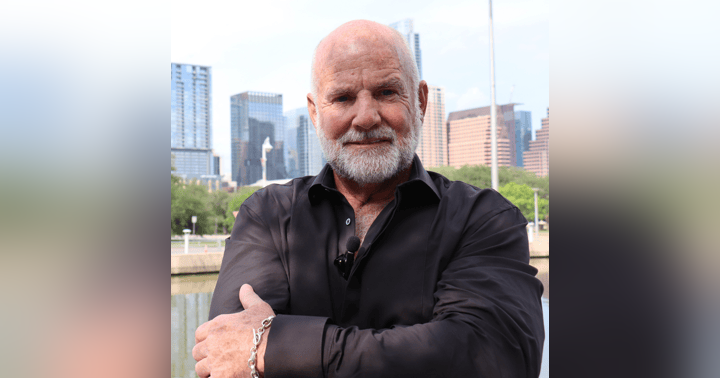
Reed Davis, founder of Functional Diagnostic Nutrition, joins Rich Bennett to explain why most health systems chase symptoms instead of addressing root causes. Drawing from decades of experience and thousands of lab analyses, Reed shares his frameworks for identifying hidden health stressors and rebuilding wellness through lifestyle changes. If you have ever felt like your symptoms are being managed instead of solved, this episode offers a new way to think about healing.


Reed Davis, founder of Functional Diagnostic Nutrition, joins Rich Bennett to explain why most health systems chase symptoms instead of addressing root causes. Drawing from decades of experience and thousands of lab analyses, Reed shares his frameworks for identifying hidden health stressors and rebuilding wellness through lifestyle changes. If you have ever felt like your symptoms are being managed instead of solved, this episode offers a new way to think about healing.
Sponsored by Harford County Health Department
Guest Bio:
Reed Davis is a double board certified holistic health practitioner and certified nutritional therapist. He is the founder of Functional Diagnostic Nutrition and the creator of the DRESS for Health Success framework. After working with over 10,000 clients and training more than 4,000 practitioners across 50 countries, Reed has become a pioneer in identifying underlying causes of chronic health issues using functional lab testing and lifestyle protocols.
Main Topics:
• Reed’s journey from environmental paralegal to holistic health practitioner
• Why many medical systems treat symptoms instead of root causes
• The Functional Diagnostic Nutrition (FDN) approach to wellness
• The HIDDE framework for identifying hidden stressors in the body
• Understanding metabolic chaos and chronic health issues
• The DRESS protocol for restoring health
• The role of stress in chronic illness
• Mental, chemical, physical, and spiritual stressors
• Food sensitivities versus food allergies
• Sleep optimization and practical sleep strategies
• Why lifestyle changes are critical for long term health
Resources mentioned:
· Reed Davis
· Functional Diagnostic Nutrition
· DRESS for Health Success Guidebook
· Episode Sponsor: Harford County Health Department
· Supporters at end:
§ Supporter: Full Circle Boards
§ Supporter: Sincerely Sawyer Photography
§ Supporter: Joppatowne Lions Club
March 6–13
Become a part of your local college radio station! WHFC exists because of you, our growing community of listeners. Your support allows us to keep training and entertaining, and we thank you. Donate at whfc911.org
Harford County Health Department
To protect, promote, and improve the health, safety, and environment of Harford County residents.
Disclaimer: This post contains affiliate links. If you make a purchase, I may receive a commission at no extra cost to you.
Rate & Review on Apple Podcasts
Follow the Conversations with Rich Bennett podcast on Social Media:
Facebook – Conversations with Rich Bennett
Facebook Group (Join the conversation) – Conversations with Rich Bennett podcast group | Facebook
Twitter – Conversations with Rich Bennett
Instagram – @conversationswithrichbennett
TikTok – CWRB (@conversationsrichbennett) | TikTok
Sponsors, Affiliates, and ways we pay the bills:
Hosted on Buzzsprout
SquadCast
Follow the Conversations with Rich Bennett podcast on Social Media:
Facebook – Conversations with Rich Bennett & Harford County Living
Facebook Group (Join the conversation) – Conversations with Rich Bennett podcast group | Facebook
Twitter – Conversations with Rich Bennett & Harford County Living
Instagram – Harford County Living
TikTok – Harford County Living
Sponsors, Affiliates, and ways we pay the bills:
Recorded at the Freedom Federal Credit Union Studios
Hosted on Buzzsprout
Rocketbook
SquadCast
Want to be a guest on Conversations with Rich Bennett? Send Rich Bennett a message on PodMatch, here: https://www.podmatch.com/hostdetailpreview/richbennett
Disclaimer: This post contains affiliate links. If you make a purchase, I may receive a commission at no extra cost to you.
If you’re interested in podcasting and are looking for equipment and services, here are some of the ones we use and recommend:
Podcast products we have used, use, and/or recommend
Buzzsprout - Let's get your podcast launched - Start for FREE




00:00 - Intro
01:05 - Meet Reed Davis
02:37 - From Environmental Law to Holistic Health
06:37 - Why Traditional Medicine Misses Root Causes
12:07 - The Birth of Functional Diagnostic Nutrition
17:17 - Understanding the HIDDE System
21:57 - Creating the DRESS Health Framework
26:37 - Remote Health Testing and At Home Lab Kits
30:37 - Why Supplements Alone Are Not the Answer
34:22 - Sponsor: Harford County Health Department
35:47 - Training FDN Practitioners
38:27 - Understanding Different Types of Stress
46:22 - Food Allergies vs Food Sensitivities
51:37 - Sleep and Rest Tips for Better Health
58:37 - Diet, Exercise, and Supplementation Explained
01:03:17 - How to Connect with Reed Davis
01:06:22 - Reed’s Aha Moment
01:08:07 - Closing Thoughts
Wendy & Rich 0:01
Coming to you from the Freedom Federal Credit Union studios Hartford County Living presents, Conversations with Rich Bennett.
I love you.
I love you.
You're an idiot.
You're an idiot.
You're an idiot.
I love you, I love you, I love you.
You're an idiot.
I love you, I love you.
Rich Bennett 0:28
You're an idiot.
I love you. You feel well and no one can tell them why. They've tried the diets, the supplements, the prescriptions and the quick fixes. Yet they're still tired, inflamed, stressed or stuck managing symptoms instead of actually getting better. And my guest today decided that wasn't good enough. Reed Davis is a double board certified holistic health practitioner and certified nutritional therapist who spent decades asking a different question what's really going on underneath the symptoms. After helping over 10,000 clients and training more than 4,000 practitioners in 50 countries, Reed developed the system that stops chasing symptoms and starts rebuilding health from the inside out. He's the founder of functional diagnostic nutrition and the creator of the Dress for health success guidebook. A practical framework built on five core habits that restore function and help people finally get well and stay well. So if you've ever felt like your body is trying to tell you something and no one is listening, this conversation is for you. First of all, Reed, welcome. I've been looking forward to this because when it comes to health,
God,
Reed Davis 1:55
yeah.
Rich Bennett 1:55
People got to get on the bandwagon.
Reed Davis 1:58
We're all seeking. We're all seeking.
Rich Bennett 2:00
Yeah. Yes. Yeah. So I got to ask you this, because you started your career as what an environmental paralegal, right?
So, what was the moment you realized you needed to turn the lens inward and ask what is the environment doing to people, especially me?
Reed Davis 2:22
You know, what happened was a good friend of mine's dad who was,
Rich Bennett 2:27
Mm-hmm.
Reed Davis 2:28
I was very close to job dead. And everyone said, "Oh, he was perfectly healthy. I just knew, instinctively, he wasn't perfectly healthy, perfectly healthy people don't drop dead." You
Rich Bennett 2:43
Right.
Reed Davis 2:43
know, it was a word attack, you know, kind of a thing like all of a sudden he just died. No. There was something wrong. And since I had seen millions of dead fish and dead birds and poor air and water,
Rich Bennett 2:55
you know, it's
Reed Davis 2:56
even the whole planet. And I just thought something's wrong with this picture. And back in the 90s, I was in my 40s, I'm well over 70 years old now. And I...
Rich Bennett 3:08
You look good.
Reed Davis 3:09
Well, thank you, sir. I was... I didn't say I were caught on it, I just...
Rich Bennett 3:15
Mm-hmm.
Reed Davis 3:16
Not that hard. But some of its genetics and stuff, but you know, I can talk to you about anything you want to talk about in that health, because I would happen again at the same time that this gentleman was very close to he passed away. And I was also taking my son into a wellness center, chiropractic wellness center most.
Rich Bennett 3:40
And
Reed Davis 3:40
there was other thing. This is back in the late 90s. He was a high school athlete and I just wanted to keep him tuned up and anything. He played football and he got seven varsity letters in four different sports.
Rich Bennett 3:55
Wow.
Reed Davis 3:56
Yeah, so now he... But I was... So he's taking him into the center. And I like working with those doctors in there and I like the way they talk. And so, you know, my son got the seven varsity letters in four sports, but I got a new career because I quit my other job and I went right to work. And like the next day for these folks, I said, "I just have to be in this business. I don't want
Rich Bennett 4:20
work
Reed Davis 4:20
to with dead fish and birds, you know, people." And I didn't know much Rich. I'd never even been to a doctor before except for sports injuries.
Rich Bennett 4:31
Really?
Reed Davis 4:31
Yeah, I'd never had nothing going on. I just wanted to help people and I didn't want to fall victim myself. I didn't want anything sneaking up on me.
Rich Bennett 4:41
And
Reed Davis 4:42
so I said, "Hey, I'm a good businessman. I can help you grow your business. I'll hire a me and we'll figure something out." And they did. And within a few short weeks, I was running the whole place.
Rich Bennett 4:56
Wow.
Reed Davis 4:56
So this was better at some of the things around business and organization than they were. And, but at the same time, I was studying anatomy physiology by Okymistry.
Rich Bennett 5:06
Mm-hmm.
Reed Davis 5:06
And with the doctors there, and the owner said to me, "I can't, I hadn't been there more than a few weeks", and she said she was going to go get her diplomat in nutrition. Just a doctor getting a special dip, she said "If you
Rich Bennett 5:22
Okay.
Reed Davis 5:22
want, if you want to go with me to these classes 'cause you seem interested,
you can work on the patience in between your classes". Now that was an opportunity, I just, it's like God sent me this
Rich Bennett 5:41
jump on it,
Reed Davis 5:42
you know, and, and so I jumped on that. Now, I, I also interviewed every person coming in the door, started kinda triaging, and the biggest complaint people had back then, this is over 25 years ago, was, I've already been to 3 or 9 or 12 practitioners and they can't figure out what's wrong with me.
Rich Bennett 6:06
I haven't been to the right
Reed Davis 6:07
one.
Well, when I heard it was, most of them weren't looking for what's really wrong with them,
Rich Bennett 6:15
you know, they're... Oh,
Reed Davis 6:16
You know, 'cause that's kinda how standard medicine was working at the time.
Rich Bennett 6:20
right.
Reed Davis 6:21
And we were straight up alternative. They weren't really calling it complimentary or integrative or nowadays you're functional medicine. With alternative or straight up standard doctrine, and I wasn't one of those, didn't wanna be. And so the assignment that I had was find out what's really wrong with these As you said in your introduction, that
Rich Bennett 6:45
people.
Reed Davis 6:46
was my job. And the doctors there laughed at me. We can diagnose and treat, you can't, you're not a doctor. So you have to find out if you're gonna help them, remember, let 'em have been to 10 doctors already.
Rich Bennett 7:01
Yeah.
Reed Davis 7:01
And weren't better, and I thought, "Let's rip off."
Rich Bennett 7:06
[laughs]
Reed Davis 7:08
But the other thing I thought was, I'm gonna... This is so insane. I said, "I'm gonna be the last person they need to see."
Rich Bennett 7:16
Oh, I love that.
Reed Davis 7:17
Well, yeah, but, I mean, again, I had a lot to learn, but nothing to...
Rich Bennett 7:21
Yeah.
Reed Davis 7:22
Nothing to unlearn. And I just... This is, again, God's gift to me was, they let me run lab work there. Like, all the alternative saliva testing, you're testing, stool testing, and blood work, I learned that too.
I spent 10 years there.
And I'll conclude with, I spent 10 years there running thousands of labs on thousands of people. That's what I did. And
Rich Bennett 7:51
Yeah.
Reed Davis 7:51
I recognized some patterns, including you mentioned the dress pattern. There's other patterns that I recognize that started actually helping people. It started actually outperforming wherever they've been before. And, again, remember, my mission was, "I'll be the last guy." I didn't want to be number 9 out of 15 that,
Rich Bennett 8:09
right,
Reed Davis 8:10
see it, get better. I wanted to be the guy. And I knew that I could do very well for myself if I couldn't do it. And it took me a long time to figure out, you know, when you don't know what you're doing, I just figured, just do more of it.
And stuff and stuff and stuff, and that's when I ran labs, made my own observations, along with some good coaching. I had some good mentors. But I made just, I did so much of it that I made these pattern recognition and started following that. And I could tell you all about it. But that's what I did for 10 years before I ever taught my first class.
Rich Bennett 8:53
Before you ever taught your first Yes,
Reed Davis 8:57
so
Rich Bennett 8:57
wow.
Reed Davis 8:58
So 10 years is what if I could continue just
Rich Bennett 9:02
second.
Reed Davis 9:02
for a
Rich Bennett 9:02
Yeah,
Reed Davis 9:04
a lab called me, one of the labs that I was using. They were in San Diego and our office was in San Diego.
I used to go down there every weekend and every chance I got to talk to the doctors down there, and the scientists, the researchers at the lab. So I learned a lot of what I know from the lab guys
Rich Bennett 9:24
Okay,
Reed Davis 9:25
who were actually creating new types of labs now we call them functional labs. They were just alternative stuff back then, so one of the lab directors called me up after 10 years and said, who the hell are you? I go, what are you? You know me. He goes, no, he goes, I'm asking who the hell are you that you run so many labs? And I said, I don't know, I just like to let it. He goes, no, he goes, you run more labs than our best five customers combined these doctors,
Rich Bennett 10:03
doctors.
Reed Davis 10:04
other
Rich Bennett 10:04
Wow,
Reed Davis 10:04
we're learning to do any sense. So whatever you're doing, you should be teaching. and I did, I thought, I'm not a teacher. I'm just doing this for our office, for my practice and for our office. I just wanted to be successful, you know, like
Rich Bennett 10:20
Right. You
Reed Davis 10:20
helping.
Rich Bennett 10:21
wanted to learn. You wanted to learn as much as you can.
Reed Davis 10:23
And and and get results for the client again that I wanted to be the last guy. And so there's other doctors and we worked together on some some patients and stuff. But he said you should be teaching because you you're just really like the most experienced guy we have, and I'm not even a doctor. Which was
Rich Bennett 10:44
Right.
Reed Davis 10:45
the weird part. And they ended up actually hiring me to teach other doctors there. There are other clients.
Rich Bennett 10:53
Wow. And
Reed Davis 10:54
so, so at the same time, I started this little course, because once everyone starts saying you should be teaching other practitioners. And so in 2008, it's a long time ago, I taught my first class. So when I said first before I taught my first class, I spent 10 years in a clinic running 1000. So, so that's where this all came from. And it's been my a blessing like I just can't even tell you like I don't know how I ended up doing this, but I love doing it to this day.
Rich Bennett 11:28
And that's and that's with FDN where that all started, right.
Reed Davis 11:31
Yeah, I called it FDN because the first class, I had to call it something.
Rich Bennett 11:37
Yeah.
Reed Davis 11:38
And because I was a nutritionist, personal trainer, body worker, you know, lab, I was a the kind of the health director of this clinic. But I didn't have, you know, I wasn't a doctor. I got a lot, I got a lot of other credentials now. I even became a doctor in nutrition eventually, but I just called it functional diagnostic nutrition. It sounded cool at the time.
Rich Bennett 12:08
Yeah.
Reed Davis 12:08
now I'm stuck with it because because I had I said it was good for this course. It was a class and workshop and stuff. And the name just stuck and and and the people who took my first class
Rich Bennett 12:25
And
Reed Davis 12:25
wouldn't go away. I just, they just will tell us, you know, I taught them. Here's the labs that run and here's the protocols. And, you know, when people follow your protocols, they just get better. It's just that's how it works. Run the labs. Follow the dress program, which you said you and your wife,
Rich Bennett 12:45
yeah,
Reed Davis 12:46
impressed with. And, and then it's going to be directed by the labs, but the dress protocol then works as you learn to coach people up to do it. So we never say, oh, here's your lab test results. Take this for three months and come back. We'll retest you. We would, we would run multiple labs, a lot of healing opportunities. What's really wrong? And then work together with you for that three months, like coach, like, okay, because they want guidance. They want feedback. They don't want no one wants to be told take this for three months and come back.
Rich Bennett 13:21
Right.
Reed Davis 13:21
That's treating the paper.
Rich Bennett 13:23
Yeah.
Reed Davis 13:24
So it's probably, you probably know something about that, right?
Rich Bennett 13:29
Oh, yeah, especially being in the military.
Reed Davis 13:32
Yeah. Right.
Rich Bennett 13:34
I, yeah.
Reed Davis 13:36
you take, You take this and, and that's it. You don't get choices.
Rich Bennett 13:41
Exactly, yeah, which just burns me up. That's why I love talking to people like you and chiropractors. And you have people into that look at the holistic approach. And all these different things, because let's face it, when you and I don't ever forget this. And this is how I fell into finding, you know, finding out that chiropractor care. I knew about it, but I was always afraid of trying it out. And my one doctor would never recommend it. And
Reed Davis 14:14
Never recommend it. Yeah.
Rich Bennett 14:15
I had an appointment because I had a bonus person in front of my neck and the back of my neck. And it was, you know, pinching them their ears. And when I went in to see him, he wasn't in. So I saw a younger doctor with that younger doctor recommended a chiropractor.
Reed Davis 14:30
Oh, no kidding.
Rich Bennett 14:32
Oh my god, it was life changing. It was life. Because the thing is, well, you know, I can sit there and take Porque or whatever all day long, but it's not fixing the problem.
Reed Davis 14:45
Yeah.
Rich Bennett 14:45
It's tearing my stomach apart more than anything.
Reed Davis 14:49
Yeah. It's funny. You mention that problem with the neck. In the office. We actually called that military neck.
Rich Bennett 14:59
I can't understand why.
Reed Davis 15:01
Yeah, it's very common among the military to have.
Rich Bennett 15:04
Yeah.
Reed Davis 15:05
You lose the curvature of your. of your neck there and you need that. And so you have a lot of pain. Basically,
Rich Bennett 15:14
Yeah,
Reed Davis 15:14
people you go for pain. Something hurts. Medical doctor isn't trained the same way to look at the problem the same way. They're trained to get you out of pain, which is great. And you can get all the, uh, pills and, you know, pain pills and uh, massage and all kinds of things, and, and, but color pictures you're trained especially to look at
Rich Bennett 15:37
Yes.
Reed Davis 15:37
the curvature of the spine and things and, and help you get back to normal.
Rich Bennett 15:43
Oh, it's, I mean, it's amazing. My arthritis is better. I'm not getting headaches like I used to.
Reed Davis 15:49
Yeah,
Rich Bennett 15:50
I, it's just read it, and I'm not well, I told you how the way I lost, but it felt good to be able to look down and see my toes again. And
Reed Davis 16:01
Yeah.
Rich Bennett 16:02
to top it off, to be able to, not just see them, but to be able to bend all the way down almost like a complete you and touch them. Almost
Reed Davis 16:11
Yeah.
Rich Bennett 16:11
with my head.
Reed Davis 16:12
That's amazing. From, from where you were, to where you ended up, that's good for you, you worked, you
Rich Bennett 16:18
you worked. Oh,
Reed Davis 16:18
worked,
Rich Bennett 16:20
well, that's what I said. When I, when I saw this and, you know, with the stuff that you're doing, it's like, I have definitely have to talk to him. Because if I'm learning, then I know my listeners are learning and that's the important thing. But before I get to dress, there was something else. I, I love acronyms.
Reed Davis 16:40
Me too.
Rich Bennett 16:41
So that was the hidden.
Reed Davis 16:44
Yeah. Yeah. Yeah. That's the lab work. So,
Rich Bennett 16:47
hidden
Reed Davis 16:48
The
Rich Bennett 16:48
system.
Reed Davis 16:48
lab work is what you look for. So, remember now I was the guy that oddball odd man out. I always could only look for underlying causes and conditions. I couldn't diagnose that takes it license
Rich Bennett 17:06
and right.
Reed Davis 17:07
Plus
no one coming in our office wanted another
Rich Bennett 17:13
diagnosis. There's
Reed Davis 17:14
sick of diagnosis and diagnosis this and diagnosis that and treatment. These pills and those pills and whatever else. So, so they're frustrated. And so it was a blessing that I couldn't diagnose. I had to run labs. Now, it took me some time years, you know, to learn which labs.
Rich Bennett 17:34
Right.
Reed Davis 17:34
And I'll tell you about that. And it answers the question about the acronym, the acronyms, H ID, D, and hormone immune digestion detoxification, the main ones, then energy production and nervous system balance. Those are the assessments that we do. And every person, and it took me a lot of recognize that pattern and to put it in a, in order that that was easy to remember. You try arranging those letters and any other. And so you get this hidden. And there's other things you can test for oxidative stress. There's other
Rich Bennett 18:13
Right.
Reed Davis 18:13
stuff. But the people coming in our office were the sick and tired of being sick and tired people. And they didn't want to just take pills.
Rich Bennett 18:23
Right.
Reed Davis 18:23
They're actually willing to do some work. You know, I mean, it takes some effort. Now, um, So I learned to look for a hormone immunity. And I learned the labs to use and the sequence. I mean, I can show you on paper. The, the downward spiral that people were in by their lab
Rich Bennett 18:41
right.
Reed Davis 18:41
results. The adrenal, the hormone, you know, the immune system, and it's like dominoes that fall is you get sicker and sicker and weaker and weaker. They're, you can trace that quite easily with lab work, which by the way, I was sending home test kits with people to do it at home. They, and I would learn.
Rich Bennett 19:01
really,
Reed Davis 19:02
Yeah, I was, I would go lecture at libraries and talk about what I do at the office and people would want to do this lab work. And so I would just ship them some at home test kits and that way they could do distance coaching. So I would, I was lecturing so far away from the office. Like I would drive 80 90 miles to give a lecture. They didn't want to drive 80 90 miles, but to see me in the office.
Rich Bennett 19:29
Right.
Reed Davis 19:29
So I developed a system of what will send you the kids, you can get what you're saliva, you're in stool. And they're even blood because you can finger prick and drip it on a blotter and we reconstitute that in the left. So there was waste for people to do this and take control. So now they're, you know, actually in control. And that's what I wanted was. Look, don't put your health in anyone else's hands.
Rich Bennett 19:55
Yeah.
Reed Davis 19:55
a way to look at what's going on with you underlying causes and conditions, we're going to get data from your bodily fluids basically. And we can even do from hair. Not
Rich Bennett 20:06
What? There's
Reed Davis 20:07
that I have any hair tissue mineral analysis.
Rich Bennett 20:09
Yeah, I'm with, I'm with you. Read.
Reed Davis 20:12
We got the same barber. So, uh, so it was really convenient, this HIDDE and, again, years in the making, but,
Rich Bennett 20:23
Right.
Reed Davis 20:23
being a reliable, repeatable testing system to find out what's really wrong with most people for most stuff that's bothering them. And again, you're talking about all the people who are in sick and tired, and being sick and tired, and going to this person and that person and knowing self and them. So, that's who this is for, and that's the system that created it. Now, the other thing I noticed to get to your other acronym, people who are coming into our office, and I realized it's a long time before I even developed the whole thing. I'd say, Mrs. Smith, you know, I see you're coming in the office three times a week and you're getting your chiropractic and your massage and you're we had other therapies and stuff, all kinds of things. And I would say, how's that working for you? Oh, it's okay. I'm, I think I'm, I'm hopeful, I think it's doing better. And I said, okay, well, that's good, you know, um, but, what are you doing at home?
Rich Bennett 21:22
Oh,
Reed Davis 21:22
what do you mean? Oh, I just, you know, and these are people who are busy working at job or two or raising kids and working at, and so,
Rich Bennett 21:30
right.
Reed Davis 21:31
So, so, you know, I started really trying to dial in how they needed to live.
Rich Bennett 21:38
Mm-hmm.
Reed Davis 21:39
Not just coming in the office and selling them stuff. And we did, we did well, but it was, I was just more concerned with how they didn't have to come in the office. Well, you know, what if you'd never had to come in the office and you're all fixed? And what a concept. And most doctors would hate that because their patients would all disappear. For
Rich Bennett 22:01
Yeah.
Reed Davis 22:01
me, I would love that because I'm an educator, you know, I wanted to help. I thought, boy, if you never have to see another doctor, that'd be great.
Rich Bennett 22:10
Mm-hmm.
Reed Davis 22:11
And you'd be self, self, self care, you know, caring for yourself, not depending on other people, which is, you know, freedom is everything. And so, yeah. So, so I developed the dress program and that's DRES says it stays for diet, rest, exercise, stress reduction,
Rich Bennett 22:33
Mm-hmm.
Reed Davis 22:33
and supplementation. Now, again, this didn't happen. I didn't dream it up. It didn't occur to me one weekend or just by some divine intervention. It was just long period of working with people.
Rich Bennett 22:46
Right.
Reed Davis 22:47
Right. Now, those things, they need, and then I just happened to creatively put it into that acronym. There's not even any real order to it, but it spells to us. So you could start with DRES, it makes it easy to remember. And when I'm teaching it now, I teach it in that order. So I teach how to find out the hidden stressors and contributors to what I call metabolic chaos.
Rich Bennett 23:11
Mm-hmm.
Reed Davis 23:11
So this, you're, you've got metabolic chaos. You, all this stuff, tired fatigue, and overweight, can't lose weight. You can't build muscle. You're not sleeping well. Sex life ain't great. You're losing your hair. Hey, what's wrong with that? I say, you know what I mean. So for
Rich Bennett 23:27
people, "Oh,
Reed Davis 23:27
some
Rich Bennett 23:28
this, man."
Reed Davis 23:30
Yeah. Well, you know what we say about the number of beautiful heads in the world.
Rich Bennett 23:36
What's that?
Reed Davis 23:37
Well, you know, God only made so many perfect heads in the rest of you put hair on.
Rich Bennett 23:42
Oh, oh, I've never heard that, but
Reed Davis 23:45
And I'm trying
Rich Bennett 23:46
I
Reed Davis 23:46
that.
Rich Bennett 23:46
love
Reed Davis 23:46
Yeah.
Rich Bennett 23:46
that.
Reed Davis 23:48
So, so that's, that's the old joke. But the point is that people have all these complaints and they don't just want to take pills that are willing to take responsibility. And we can work with them. If you'll look at the right data, the labs, and then follow right lab driven protocol, DRESS, then you will live yourself out of this stuff you've lived yourself into. You told me before you were kind of prediabetic and, you know,
Rich Bennett 24:16
Right.
Reed Davis 24:16
weight and, you know, and how do you get out of it? Lifestyle.
Rich Bennett 24:21
Oh, yeah.
Reed Davis 24:21
That's how you get out of it. We're not talking, but if you get a victim of a drive by shooting, you're not going to call an F the end practitioner,
Rich Bennett 24:31
right?
Reed Davis 24:32
You know, like if you get off a plane from West Africa and you've been exposed to Ebola virus, you know, your temperature is 105. Your bleeding for me eyeballs don't call you a nutritionist. we'll
Rich Bennett 24:45
Now,
Reed Davis 24:45
get the urgent necessary. And we're graded. This country has the best doctors on the planet. And this is where everyone to train, to go back to their country. We hope that, you know, they go back and do a good job in their country. So, so. We're the best at both now. We've got the urgent acute and that kind of care, heroic care, because if your life's going away, you need to go see a doctor. If the downward spiral is very compressed, you've got to see a doctor or you're going to die. But if there's time to heal, that's where we come in. So what I was getting at was the problems that we helped people saw, other ones that took a long time to develop. It might take you some time to get out of it, but you can be in complete control. All natural, no drugs, no surgery.
Rich Bennett 25:44
Now, is what you're doing strictly in person or can people actually contact you virtually, no matter where they're at in the country?
Reed Davis 25:53
Well, yeah, I alluded to that. There was no distance coaching, we call it 25 years ago. We were kind of on the cutting edge of that. There was no telemedicine because it was illegal.
Rich Bennett 26:08
You
Reed Davis 26:08
didn't, and that lasted a long time. So now there's a little bit more of this thing. I can tell you why it's developed the way it has, but when I started lecturing far away from the office, and realized they weren't coming, going to come in. Even the matter of how much it sounded like something they wanted to do. I learned to send them the kits. They take the samples at home. They mail the kit, you know, the specimens, whatever
Rich Bennett 26:34
Right,
Reed Davis 26:34
it is, into the lab, and I get the test results. Now, I was putting packages of data. Here's all this stuff and going over it with them on the phone, with a spouse listening in on the back landline. Nowadays, it's just, you know, high tech to me back then was pages and
Rich Bennett 26:54
the phone.
Reed Davis 26:56
faxments.
Rich Bennett 26:56
That
Reed Davis 26:57
was high tech, but now with Zoom and with all these different things, like what we're on right now, you know, and so you can communicate with people over distances and get amazing results. We can have quite an off 50 states, in a matter of fact, we're in 50 countries.
Rich Bennett 27:15
Wow. So you had to be, if not the first, one of the first ones to really do this with the kits, because I think now what's the box for the colonoscopy, even COVID, how they were throwing COVID, they were sending the test out.
Reed Davis 27:31
Yeah.
Rich Bennett 27:31
But before COVID, you didn't really hear of that stuff.
Reed Davis 27:34
Yeah. Not
Rich Bennett 27:35
bad to be the first.
Reed Davis 27:37
We're under, we're under cutting edge. They call me something called me OG, and I thought, what's that old geezer old guy, and they go, no, it means original gangster. Never a gangster, but I did help. I just think I listened to smart people in my heart, and you know, I, there's some probably some providential influence in there that just this is what I'm meant to do.
Rich Bennett 28:04
Right.
Reed Davis 28:05
So I do it.
Rich Bennett 28:07
Yeah. Yeah, something else. And if this was in your, in the introduction, and I've never heard this term, a nutritional therapist.
Reed Davis 28:16
Yeah. Oh, yeah. Yeah, they've been around. I mean, it would, it was a court, remember I said that the, the owner of the clinic invited me to attend. She was getting her diplomat nutrition, but as a layperson, I would get a certified nutritional therapist out of that same education. So she got the doctor version of it. I got the CNT out of it.
Rich Bennett 28:40
Okay.
Reed Davis 28:40
And so yeah, that's a common thing. CNTs are around, but the training wasn't good enough. Is my contention is that, yeah, that taught me how to use supplements instead of drugs.
Rich Bennett 28:54
Hmm.
Reed Davis 28:54
No, that's not a bad thing, but it doesn't. People would only stay on the supplements for a month or two. Easy, they got better and said, oh, good, I'm cured, which wasn't true. Or they didn't work. And they taking them. So
Rich Bennett 29:10
Right.
Reed Davis 29:11
I don't know what that people this wouldn't take their supplements for very long. That's why I, you know, the knowledge was great, but I had to develop the investigative system, what's really wrong? Because if you're just selling supplements based on what it sounds like, sounds like you have a digestive problem. Here's some enzymes, or it sounds like you have whatever it might be. Parasites. Here's some anti parasite, mannequin, whatever. So, so we hate to sounds like method. the
Rich Bennett 29:42
Yeah,
Reed Davis 29:43
sounds like method. Even if you're running labs based on the sounds like method, I can give you an example of a guy or gal, they go to the doctor and they complain of a few things, I can give you the quarter of symptoms, and it sounds like thyroid. It's very, very common. There's 30, 40 million people in the United States on thyroid medication. And they went into the doctor and it sounded like thyroid, so it was like thyroid. And so the doctor would test the thyroid.
Rich Bennett 30:13
Mm-hmm.
Reed Davis 30:14
Yep. I always tell them don't hurt your wrist patting yourself on the back.
Rich Bennett 30:18
Yeah.
Reed Davis 30:19
Because even though they do have low thyroid, the question is why. And so if all you're doing is running a test based on when it sounds like, and then treating the paper, you know, they'll say, 'Oh, yep. Your thyroid's low. Here's some thyroid. Here's something in a bottle, you know, some agent to raise the test result, or lower the test results depending on what the analyte is. And so that's treating the paper. I couldn't write a prescription. And some of them just don't work as well at some times.
Rich Bennett 30:54
Yeah.
Reed Davis 30:55
Or you got to take two mayhem, if you're ever in the whole thing. So it had to be two things. One is, what's really wrong? The thyroid is low for a reason.
Rich Bennett 31:06
Mm-hmm.
Reed Davis 31:06
That was a reason. Your digestion is bad for a reason. So I was more like, what's the real reason? So this opens up the whole, you know, you got to look at hidden. You got to look at all of the hormone immunogenicity. Most people are trained to look at one thing. There's your endocrinologist, hormones. There's your immunologist. It means, you know, whatever you have. So I had to learn to look at it all because I can't diagnose anything. And if you can't diagnose anything, you can't treat anything either. It's not appropriate for a non-physician to say, "I'm treating this lady for irritable bowel, you know."
Rich Bennett 31:45
Right.
Reed Davis 31:46
So we treat the whole person. Partly this for the C&T comes in as it's very safe and holistic in nature, but I took that to a whole new level. That just wasn't good enough. So those, that double-bored certified thing, the holistic health practitioner, yeah. I have that too from the American Association and Drugless Practitioners. I have 15 certificates. That doesn't mean
Rich Bennett 32:12
wow.
Reed Davis 32:12
Be compared F. T. Insertificate that we
Rich Bennett 32:15
write.
Reed Davis 32:16
I created it. They're just not even close. Yeah, I have to say that. They're not even close. So our certification program actually prepares a person who A) has to really want to help others and B) be able to take, you know, a post-grad level course. Like it's like masters and PhD type work. It's not screwing around with vitamin C, does this and everyone knows diet rest and exercise, but it's the lab direction that you get from the HAD, the HAD to the hidden investigation. That allows you to present a lifestyle program that's going to change that person. It's going to have an effect beyond diet rest and exercise.
Rich Bennett 33:03
Hello,
Reed Davis 33:03
Maybe I'll
Rich Bennett 33:04
did the courses actually take?
Reed Davis 33:06
I can teach a person in about 10 months would it took me 10 years to develop?
Rich Bennett 33:11
Really?
Reed Davis 33:12
Yeah, and some people go through faster. Some life happens and they need a little more time.
Rich Bennett 33:18
Right,
Reed Davis 33:19
but I can honestly say that within 10 months, 8 to 10 months, you could be fully trained in how to do FDN, you know, it's a way of thinking and it's labs to use and the protocols to recommend. And we even have coaching skills in the course as well as some business skills on how to, if you want to have your own business, as an FDN practitioner.
Rich Bennett 33:45
You're to the conversations with Rich Bennett. We'll be right back. Are you pre-diabetic or new someone who is? I recently discovered I'm pre-diabetic. My A1C was at 5.9 and I've signed up for the Harvard County Health Department's Diabetes Prevention Program. This free 12 month program is designed to help you lose weight, eat healthier, manage stress and increase physical activity. It's an incredible opportunity to develop lifelong healthy habits and reduce your risk of developing diabetes. For more information or to sign up, just go to harforcannyhealth.com/diabetes-prevention. Don't wait. Take control of your health today.
Reed Davis 34:39
And there's lots of PostGrid too. Remember what I said. The first 20 people to take my first course
Rich Bennett 34:45
wouldn't
Reed Davis 34:46
go away. And so there's a PostGrid alumni now. I have 1200 dues-paying members. And so now you have peer support and you have and you have this entire group. There's another couple thousand that you know, are out there doing something.
Rich Bennett 35:07
Right.
Reed Davis 35:08
Productive, but no professional members. So we can teach you the whole thing in about 10 months. If it took you a year, trust me. It's going to cost you a fraction of what you're going to college.
Rich Bennett 35:19
Uh-huh.
Reed Davis 35:20
Like these people say, well I'm going to become a naturopathic practitioner. Minimum two years, after your four-year degree, for probably 25, and there's three-year programs that are 60 grand. Mine's less than 10 grand, for, and what you can do in 10 months. Because it's all practical, there's nothing theoretical, there's some methodology, it's,
Rich Bennett 35:44
it's, right,
Reed Davis 35:45
theory to make some, but it's like how to apply it, how to use it. With every person that you take on as a client. So this will, no, for your listeners, our listeners today, they may not have any interest in becoming an FDN practitioner, and that's fine, but you can go talk to an FDN practitioner for your own,
Rich Bennett 36:07
right?
Reed Davis 36:07
Because I have 1200 of them who are ready, willing, and able to serve. And, and if you are interested in the course, well, that stuff's all there too. But, but for your average listener, they just want to have more energy, lose a few pounds, have clear with thinking, improve their memory, you know, and other physical activities, uh, quit hurting so much. You know, if there's something about the way you want to, something about the way you feel, or look that you don't like, you're an FDN candidate. Something about the way you feel, or look, you know, some people say, well, I feel fine, I look alright, well, how's your energy? Well, that's not so good. Well, then there, you know, they're not even thinking, people get thinking, and you know, this, um, they get thinking it's normal to feel like crap, and not be living a full life. You know, that's that's unfortunate, isn't it?
Rich Bennett 37:14
It's very unfortunate. I mean, you never know how long we have here on this planet. So,
Reed Davis 37:21
man,
Rich Bennett 37:22
live it to the fullest,
Reed Davis 37:23
man. Yeah, tomorrow's promises to nobody.
Rich Bennett 37:26
show it.
Reed Davis 37:27
Yeah,
Rich Bennett 37:27
Yeah, one of the things I do want to ask you about about the dress acronym, because we've, we've talked about, we've talked about this a lot. And when I got into the IT field, they brought somebody in to help. With this, and I laughed because I was like. Okay. I'm, I'm, was in the Marines and you're bringing somebody into relief stress for people working on computers. So how do you reduce stress?
Reed Davis 37:57
that's a fantastic question. And there's so many kinds that
Rich Bennett 38:00
Yeah,
Reed Davis 38:01
we help, what we said, let's sort it up. We'll sort out the types of stress. Now, just knowing this, that some stress is mental emotional. It's your job, it's your finances, it's your relationships. When I say stress, I often joke around like you ever heard this word before stress. And people like, Oh, yeah, I got stressed there, but there's so many types. So what
Rich Bennett 38:25
yeah,
Reed Davis 38:25
about what about chemical stressors?
Rich Bennett 38:28
Oh,
Reed Davis 38:30
remember I came from environmental law. I know what's out there. So we just put chemical stress, which is all the stuff that's in our food and in our air and in our things we drink. And and on and on, it's on the ground, it's, it's everywhere. I cut some son of a gun, sprain some weeds over here outside of my property. And I went right up to him and said, what is that you're spraying? I need to know, is it glyphosate?
Rich Bennett 38:53
yeah,
Reed Davis 38:54
You know, is it, what, what is it? I noticed that there was less fish in my pond after he did it. And less fish in my pond means that there was less birds. Come and buy to eat the fish. We have, I just read before this choice on Osprey. Go down, get a nice fish and fly off of it, right? Just right and,
Rich Bennett 39:11
wow.
Reed Davis 39:12
So, so you know, I care about these things and I know I can go off on tangents, but that is a stress is not just mental emotional, which we often again, the effects on the body are not good. I could tell you exactly what to measure how to measure your stress levels and all these kinds of things, what it does to your hormones, immune system and all things, digestion of course and all kinds of other things. So, this idea of stress needs to be sorted out when I, in 2001, I read an article that it was the cause of 80% of all doctors' business and the actual cause of 50% of all disease. So, I knew 20 plus 25 years ago I had to become an expert in stress. So, you asked me a dangerous question because I could talk for six hours of most stress,
Rich Bennett 40:07
right?
Reed Davis 40:08
So, so that is that there's mental emotional. There's chemical, which is the environment and all the different things we're subjected to. There's a lot of mysterious hidden stressors, electromagnetic frequencies and you know, microwaves and all kinds of these. But there's another kind too that actually would be my stressor and it's pain from sports injuries. I did kickboxing in juditsu. I did
Rich Bennett 40:33
really.
Reed Davis 40:34
Oh yeah, all kinds of things. I did everything except for that cordless bungee jumping. No, that's one thing I never tried. But, uh, you know, cliff diving and stuff. And so I have, stuff. I've never broken a bone but I've torn ligaments and muscles and
Rich Bennett 40:52
hmmm,
Reed Davis 40:52
all kinds of things. I have a military neck myself from surfing going into the sand, you know, falling off the board and stuff. And so, you know, there's the mental emotional, there's the chemical, and then there's this physical trauma. And that's the kind of stuff. And the reason I put them together into one category stress reduction is because it makes a really nice acronym, DRES. No, it's just a
Rich Bennett 41:20
dumb question. No I'm
Reed Davis 41:21
kidding. No, because it's stupid. And listen, but there's even crossover. Like what do you
Rich Bennett 41:27
write?
Reed Davis 41:27
If you're sensitive to certain foods, that's stressful. It's a former stress. And here's the common denominator, which I think is what you want me to explain. It raises your cortisol level. And your body doesn't know the reaction is the same. Regardless of the kind of stress, whether it's mental emotional, physical pain, trauma, or chemical, it stimulates your cortisol because that's the stress hormone. And if that just happened, it was just a guy cutting you off in traffic, you know, you go, whoa, you know, and you yell at him and say, say,
Rich Bennett 42:07
right,
Reed Davis 42:08
bad words. But then it's over. Right. So the body is in your cortisol, went up, you're adrenaline went up and your body was physically prepared, kind of in a fight flight, kind of a thing. But if, and so if it's like for five minutes, who cares. The
Rich Bennett 42:24
yeah,
Reed Davis 42:24
problem is it's no longer just a temperate. It's like constant, constant. And to the point where you don't even know that you're stressed out, you know, you hate your job. You're not getting along with this spouse. And you got other problems, kids and things like that. You know, I raised a bunch of them, so I know, no, no, no, in a coach football. So you know, youth football, dealing with the parents.
Rich Bennett 42:51
Oh my god, yes.
Reed Davis 42:52
So I know it stresses. And it's so constant. And plus adding in a few aches and pains, adding the fact that your foods full of toxins and chemicals, and Poisons and things, if you're not careful. And so you got constant stress. So this chronicity of breaks the body down. And again, I can show you how the dominoes fall on the paper.
Rich Bennett 43:14
stress, yeah,
Reed Davis 43:15
Whereas cortisol quarters all to DC ratio. Oh, that's bad. So your body's catabolic. Your body's actually breaking down your aging before your time. Even it doesn't make for your 20 or 60. It affects everyone the same way. Whatever the kind of stresses. I mean, that's the question. What's stress reduction? DR ESS. That's a big one. And it could also be parasites, bacteria, funguses, viruses. It could also be again, these food sensitivities.
Rich Bennett 43:42
practically anything.
Reed Davis 43:43
And we'll test for all that. We run tests and sort out, you know, the stress. And then teach people how to reduce it. Exposures, one thing. There's other ways to mitigate against what you cannot avoid. Like certain things in the environment. Some people are just trapped where they are. And you can reduce. And even eliminate some stress. The last one I'll mention just because it's a favor to mine is psychospirital stress, which I believe is not having a purpose in your life. Yeah, people do know.
Rich Bennett 44:18
Wow,
Reed Davis 44:18
So listen, not having a purpose in life is actually stressful. Because we're designed perfectly to have a purpose and want to have something that we love doing this good for the planet. You know
Rich Bennett 44:30
Yeah.
Reed Davis 44:31
me, I've always just, I was a boy scout, I got taught to, taught to walk little little ladies across the street. Whether they want it to go or not.
Hey, you're going to crack. No, we let go up in Canada, shoveling the neighbors driveway, you know,
Rich Bennett 44:49
yeah.
Reed Davis 44:50
And raking their leaves form without ever wanting anything in return. You're
Rich Bennett 44:55
the same way.
Reed Davis 44:56
Yeah, it's kind of like we have this do good or instinct
Rich Bennett 45:00
in, yeah,
Reed Davis 45:01
and that's a form of, I call it psychospirital relief. It feels good and good happens to you when you do that. If you don't have a purpose in life, you'll imagine to get enough every day of it. it's stressful, and you're--you'll be in this state of, um, fight flay, the stressful state. More than a person who has a purpose. You get a baby day, you know, attack what you're about, where you're going, what you're doing. And it feels good to just be working doing it, you know.
Rich Bennett 45:37
Wow.
It's just to do allergies and all
Reed Davis 45:49
Yeah?
Rich Bennett 45:49
that. That's gotta be stressful as hell on then.
Reed Davis 45:51
Oh totally, it can kill you. And if--
Rich Bennett 45:53
Well yeah,
Reed Davis 45:54
rock is deadly, so that's a form of stress, isn't it?
Rich Bennett 45:57
Yeah. And, you know, you don't--you can go somewhere and, unless you ask when it's served, if you don't know.
Reed Davis 46:07
Well, I'll give you an audience--or listen, there's a tip. 'Cause you struck--another great--I love talking about stress reduction. Anyone in this dress, uh, it's only five-step protocol. Um, but on the, uh, on the, uh, finding the right foods and not being stressed out by your food, it's
Rich Bennett 46:27
um,
Reed Davis 46:28
not--so we run a task. We find out what your sense is to--because if you have a peanut allergy, your shrimp allergy, and you could possibly go into--they call it anaphylaxic shotgun, such as shock'd
Rich Bennett 46:39
you. Right.
Reed Davis 46:40
You can kill you. At least you're gonna get some serious symptoms. You're gonna--yeah. You get the high of all of your body. You're gonna throw at whatever it is diarrhea. You know, I mean, a lot of things happen for me in the wrong foods. If you have a true--it's called an IGE allergy. Those are easy. You already know what those are. What's insidious? What we look for are the hidden stresses. They're--they're very mild sensitivities, and they're not mediated by that part of the immune system. That there's other things that happen in the body. I don't want to go too deep in the science and put you to sleep, but it's really interesting how you could have a sensitivity--it's a non-allergic, non-allergic sensitivity. To any--almost anything. And they get worse. The worse you shape that you're gut, your stomach and your intestines are in. Um, and so some people--when I test them, we test for 176 foods.
Rich Bennett 47:38
wow.
Reed Davis 47:38
Yeah, Well, no one needs that many foods. You might eat probably 30 different foods. If you really think that you're entirely--maybe 30. That'd be pretty diverse diet. Um, some people eat nine different foods, that's it.
Rich Bennett 47:53
Yeah.
Reed Davis 47:53
It's not good. But the--the idea is that, um, if you're--hmm, Hyper-allergic, you're gonna know what that is. Strawberries. Oh, I can eat--you've said peanuts. You know, and that's a common one. Other people is eggs, believe it or not. Well, the most common food sensitivities is eggs corn, soy, dairy, and wheat. Eggs soy, corn, dairy, and the glide in molecule, which is in
Rich Bennett 48:24
yeah.
Reed Davis 48:24
meat. So, you know, gluten, basically. So those are most common. And they're not necessarily allergies. They're stimulating a different part of your immune system that releases mediators from blood cells into the body, and they create problems. And they trigger things like migraine headaches or hives or, you know, diarrhea or, you know, all these--right. But they're not allergies. And so
Rich Bennett 48:48
I didn't realize that.
Reed Davis 48:49
I call them sensitivities, that's what we call them. And there's lots of ways to measure it. I think I use the best test there is. And it's for 175-16 foods. And if you're sensitive to, three or four foods, it's easy. Cut 'em out. Don't eat 'em for
Rich Bennett 49:06
yeah,
Reed Davis 49:06
three--don't eat 'em for three months. You'll be fine. Remember, you get in the g--that means everything else is on the green list. We've got the red list. But what if you're sensitive--I've had people sensitive to 50 different foods.
Rich Bennett 49:19
Good Lord.
Reed Davis 49:21
So what's wrong with them? You know, like, wait, it's never just--it's always there's something else in the mix. That's why we call--what's metabolic chaos. They've got problems in their immune system, in their digestion, in their detoxification system. We can spend a whole show just on the liver and the kidneys and the other detoxifying organs. So,
Rich Bennett 49:46
Yeah.
Reed Davis 49:46
the idea--yeah. So, yeah, now those are really sick people. And they can--some of those other disease are, probably, sensitivities will dissipate. They'll go down--you eliminate the food, you heal the gut, you balance your hormones, you get the immune system back up to--not over or under reactive. And detoxification has to be cleared up while we're at it, you know, the way you produce energy in cells and your nervous system also have to be balanced. and it sounds like I'm out full. What, what doesn't sound crazy? Because if I'm nothing else, I'm a good organizer. So I took all of this 10 years of research and organized it into here's what you look for. I'm not trying to medically diagnose anything. We're looking for what's wrong H-I-D-D-E N, and then here's how you live yourself out of it, DRDSS. So it's very organized. It's, it's easy to duplicate and that's why I can teach it, you know. Thank you. Yeah.
Rich Bennett 50:56
Something else very important and I think this is something that well, I don't think I know this is something that a lot of people have problems with, problems with and that's the rest part. What are some tips you have for a better sleep?
Reed Davis 51:14
sleep's part of rest, first of
Rich Bennett 51:16
all. Right. Well, yeah.
Reed Davis 51:17
So, yeah, sleeping is really important and you do a lot of your healing and they both mentally and physically while you're, uh, while you're asleep. So you need to get a combination of what they call REM sleep, rapid-eyed movement sleep, you're dreaming, you're, it's kind of like you're not really deep sleep.
Rich Bennett 51:36
Okay,
Reed Davis 51:36
you need a combination of that so your mind can work through some stuff, but also you need deep sleep we call it like non-RAM levels one, two, three. Just be five levels. They change
Rich Bennett 51:46
to three.
Reed Davis 51:47
it
Rich Bennett 51:47
Oh, wow.
Reed Davis 51:48
You know, and that's the, the waves that are going on in your brain. So, so there's sleep and then there's rest which I find I could do almost anytime. Before this call, I went and just hug my wife and we just sat there for a few minutes and I rest in her thoughts and being on purpose and stuff like that. We got seven people coming in for her family next week and you know, that's gonna be fun and we just, we just said, I just say, hey, look, it's gonna get really crowded around here. We're gonna be all sort of stressed out with family, but just remember we have each other. We're gonna be able to, so we do this rest, emotional rest during the day. So, but having said that, now you know, sleep is also a very important form of rest and the three critical things would be your breathing, keep in your feet warm and also believe it not, the tongue and the mouth just stay relaxed. People, you know, they sleep like this, you know, they're conscious teeth and it is. So, if you would just breathe and a simple trick is make your exhale longer than your inhale.
Rich Bennett 53:04
Longer.
Reed Davis 53:05
Yeah, so all you gotta do, all you gotta do, now this stimulates this parasympathetic nervous system, so this is scientific, it's not some wacky Chinese sleep method, you know, it's,
Rich Bennett 53:17
Right.
Reed Davis 53:18
it's, it's, so you can lay down. Make sure your feet are loose and kind of warm. You can even sort of focus on them a little bit while you remember to relax your tongue and your mouth. I know it sounds weird, but then, then start focusing on your breathing and you'll find yourself going, you're like, in out,
Rich Bennett 53:38
in
Reed Davis 53:39
out, just get a regular patting going and then one little trick. Count the in, one, two, three, one, two, three, four, whatever number you get to and then just make the exhale a little bit longer. So it's in one, two, three, make it go out one, two, three, four, even if you don't aren't exhaling, you're just not breathing back in yet.
Rich Bennett 54:04
Yeah,
Reed Davis 54:04
it by a second or one count or if you can go too good, but just make your exhale a little bit longer than your inhale while you're thinking about your feet, making sure they're not cold. You know, like we're socks to bed.
Rich Bennett 54:20
Why?
Reed Davis 54:21
Yeah, we're socks to bed. Now, you're gonna end up peeling them off and it'll be cutting into the bed, you know, because that happens to be all the time. But, but keep your feet warm. You can have a cool room. The room should be cool, but your feet should be warm. Weird thing. I said three tips. The breathing is the most critical, but relaxing the tongue and relaxing the feet and keeping them warm is also a sure way to fall asleep. Now, once you fall asleep, that's the important thing. Your head should hit the pillow, you get into this little routine. If the room, I mean, there's all this sleep hygiene. No,
Rich Bennett 54:58
yeah,
Reed Davis 54:58
no electromagnetic frequencies. Leave your cell phone in a different room. Kill TV on. No blue light. Dark is heck, you know, and make it really dark, even getting one of those masks. I have them all over and I take one with me when I travel. So, darkness, uh, let's sleep hygiene. So, the three main things as I gave you, the breathing, the tongue and the feet, but there's other stuff. And then you should hit the bed. You should tired. You should have worked hard or played hard or both. But,
Rich Bennett 55:30
it's your size?
Reed Davis 55:32
Work hard play hard. Yeah, I love to say what my dad told me. He says early to bed, early to rise, work like hell and advertise.
Rich Bennett 55:44
I like that.
Reed Davis 55:46
Yeah, but so, no, back to the, back to the real deal here. Um, it's not only falling asleep, like falling asleep for some people's problem.
Rich Bennett 55:56
Yeah.
Reed Davis 55:57
Staying asleep is also important.
Rich Bennett 56:01
Mm-hmm.
Reed Davis 56:01
And so, you'll find that if you get into, you got to go to bed on time and get into a pattern. Like, you know, I can go to bed at 839.
Rich Bennett 56:10
Nope,
Reed Davis 56:10
If I get up at 330 or 4, I actually feel really good. I can't
Rich Bennett 56:15
like what?
Reed Davis 56:15
go back to sleep, you know? Like, and it's the perfect time and day because there's no one bothering you. And you can, you can, I can write a blog or I can do some research or something like that. And then it, you know, maybe six o'clock, I can go to the gym to a little weight
Rich Bennett 56:30
Mm-hmm.
Reed Davis 56:30
lifting. Stuff like that. Not a lot. Um, again, I got injuries and other excuses. But, um, you know, so, so yeah, and then you're back to bed at a time when you, and you've done something, you've accomplished something, you've served some kind of purpose during the day. It's much easier to fall asleep if you add in these little breathing in other tricks.
Rich Bennett 56:55
I see, and I was, I was always exhaling for as long as I inhaled. I'm going to add an extra
Reed Davis 57:03
second. You'll fall asleep faster.
Rich Bennett 57:05
And the socks part. Oh my god, I have to convince my wife to wear the socks to bed because I'm cold as feet when she puts them on.
Reed Davis 57:15
Yeah, no King. Well, you know, and she might be fine. She might say, I fall asleep fine with cold feet. You know, who knows? But I'm just saying, if someone's having trouble, it's something to check. You don't have
Rich Bennett 57:26
wear a--
Reed Davis 57:26
to Yeah. If you have a trouble on your feet or cold, it only makes sense to warm them up.
Rich Bennett 57:35
And that
Reed Davis 57:36
could be just putting them on you. But, you know, maybe, maybe you warm your feet up for her, and she's able to chill out, you know. And they're nothing wrong with that. I'm just saying, you ask me about sleep. The diet rest, exercise, stress reduction, supplementation. They're all really critical. And I'll just go really faster on the-- So we said diet. I use a special system to find out the exact right
ratio of carbs, fats, and proteins.
Rich Bennett 58:08
Oh.
Reed Davis 58:09
Yeah. So that's how you eat the right ratio of proteins, fats, and carbs every meal. You never do too much protein, too much fat, too much carbs. You know, people obviously eat a lot of carbs, right?
Rich Bennett 58:22
Yeah.
Reed Davis 58:22
Processed food, and all kinds of carbons is not good for you. There's no food that's good for everybody, but there are foods that are bad for everybody. And you know what they are already from other guests, you know. So there's no-- Because you could say, well, a spare gas, that's good for everybody. Know it. I've seen people-- And that's what came up on their food sensitivity test. You know, and also people don't have certain genes. They can't break down this spare gas. And it makes their piece
Rich Bennett 58:52
right
Reed Davis 58:53
funny. So you can't say there's a food that's good for every person on the planet. You can only say there's food that's bad for every person on like sugar and these chemical later they process foods. That's good for anybody. So diet and then rest we talked a lot about here just now. The exercise part has to be customized too. Like
Rich Bennett 59:18
Yeah.
Reed Davis 59:18
I did judo and keep I haven't been to the gym in the judo gym in 10 years because I kept getting hurt. I'm 72 and there are 72 year olds that work roll around on the mat but I'm not one of them anymore because it just
Rich Bennett 59:35
No.
Reed Davis 59:36
that hurting me. You know, I'm a big guy. And you know, the teacher would be like, well, just let her throw you.
Just let her throw you. I could stop her. I like, there's no way she's going to throw me, right? No, just let her throw you. And like, oh, my back. You know, like this. So look at Unity. I had, I had, when I had the clinic, uh, there's chiropractors there and this, this trainer down the street at a women's only gym kept referring people to us. Like every week or two, we at least two or three people a month, she's sitting over to the chiropractic office. We, we fix him up.
What do you mean these people? Why are you hurting your clients? You know,
Rich Bennett 1:00:37
and,
Reed Davis 1:00:37
yeah.
Rich Bennett 1:00:37
yeah,
Reed Davis 1:00:37
You need to send them to a chiropractic office. That just doesn't even make sense to me. There's something not right here, with this picture. And she thought about it, goes, well, I just work them out really hard. I go, you're working them out too hard. So diet rest, exercise needs to be customized, needs to be what that person can handle and not over what, and above what they can handle and things like that. There's a lot about it. And I also became a personal trainer back in the day. I've not kept my certification up. I just don't care about it. But, but, uh, you know, as far as that goes, I know much better certified trainers, and I
Rich Bennett 1:01:17
Right.
Reed Davis 1:01:17
have one. So, and then the stress reduction to diet rest, exercise stress reduction, we talked a lot about. And the supplements was the last thing. I'll just say that they're really important. And because of how poor the quality of food is today.
Rich Bennett 1:01:33
Yes.
Reed Davis 1:01:33
You know, we're required genetically as humans to have all kinds of vitamins and minerals, the sense of fatty acids, antioxidants, trace elements, phytonutrients, and we're supposed to get it from food, but we don't because it's not in the food. So, you supplement to make up the difference. What's, you know, again, vitamins, minerals, the sense of fatty acids, antioxidants, trace elements, you know, phytonutrients, we're going to get all that that you're genetically to be perfect 100% function but to be really, really healthy. And that's how we're designed.
Rich Bennett 1:02:10
Yeah.
Reed Davis 1:02:11
And we used to get it from our native diets 500 generations ago, but we don't anymore so you supplement. And they could also be used for support of weak areas like digestion or the adrenals or whatever. And so we have again, we data, collect data, data, data, data, match it up with a person, and then customize the DRES program. And I've been teaching the people to do that since 2008, after spending 10 years in office, figuring it out.
Rich Bennett 1:02:48
Well, so the very important, how do people get in touch with you so they can get that done?
Reed Davis 1:02:54
Well, you know, you see this FDN here, functional diagnostic nutrition, there's a website by the name of FDNTraining.com/RitchPenet.
Well, actually get them a free copy of that dress manual that you talked about.
Rich Bennett 1:03:11
Oh, oh, okay.
Reed Davis 1:03:13
For our listeners today, want a free copy of the Dress for Health, Success, guidebook, go to FDNTraining.com/RitchPenet. And that's what we have waiting for.
Rich Bennett 1:03:25
Nice. Well, before I get to my last question, is there anything you would like to add besides the fact that you got to feed the gator?
Reed Davis 1:03:34
Yeah, I call her committee the gator. I don't even know if it's a girl, but I just figured. That sounds good. Gurty the gator. And I, I think I'll just go back to one point I made about having purpose in life and having a, you know, we call it psychospiritual stress because you, you know, you're not happy and get a purpose in life.
Rich Bennett 1:03:58
Yeah. Just
Reed Davis 1:03:59
go feed the hungry or something silly like shovel the neighbor's snow or anything useful. You know, you could also make money doing it. That's the amazing thing. It just have to be charitable all the time. Just find something you love doing that's there's a purpose in life. And don't be just a consumer, you know. So that's I'll go back to that point I made. You know, my wife and I have a routine to make sure we're on purpose and that we're doing, you know, the will of not necessarily us all the time.
Rich Bennett 1:04:37
It feels good.
Reed Davis 1:04:38
Yeah, it feels good. Well, you have one obviously rich and and you know, you're doing good work here with the people and you served in the military. I didn't get that privilege or honor. It was when I was eligible was the Vietnam war and.
Rich Bennett 1:04:56
Oh, yeah.
Reed Davis 1:04:56
And you know, that was something that you didn't just volunteer for very
Rich Bennett 1:05:00
Now,
Reed Davis 1:05:00
much.
Rich Bennett 1:05:01
now.
Reed Davis 1:05:01
You might have. I don't know. You're probably a little younger in me.
Rich Bennett 1:05:07
That's 62. Yeah, 62 had a thing for me.
Reed Davis 1:05:12
yeah, so you were out of the, yeah, I was eligible for the draft and I just got lucky and didn't get picked.
Rich Bennett 1:05:19
Yeah.
Reed Davis 1:05:20
But, yeah, I was a one for three years and, Back then they had a lottery, so I didn't pick me
Rich Bennett 1:05:26
uh-huh.
Reed Davis 1:05:26
some reason, just lucky. But, um, but yeah, that was, so I didn't get to be in the military. Nowadays, I love the military.
Rich Bennett 1:05:34
Yeah.
Reed Davis 1:05:35
Yeah.
Rich Bennett 1:05:35
Yeah. That's changed a lot.
Reed Davis 1:05:37
Yeah.
Rich Bennett 1:05:38
Hell hell a lot. Back and forth. It's like a yo-yo. Anyway, so Reed, I need you to pick a number between one and 100.
Reed Davis 1:05:45
Okay.
Rich Bennett 1:05:47
And you got to tell me, of course.
Reed Davis 1:05:48
Alright, um, nine.
Rich Bennett 1:05:50
Number nine. Alright, this is this is gonna be the last question. Number nine. Number nine. Number nine. Okay, now I'm gonna have that song in my head. What is an aha moment you've had that shifted your perspective on something important?
Reed Davis 1:06:10
Yeah, well I, you know, I mentioned this, this. Just fill a die in that everyone said he was perfectly healthy. That was not a moment. Um, yeah, I mean that this so I have to top of my head that occurs to me. I know there's been hundreds of others. You pretty much probably should have one every day, uh-huh. You know,
Rich Bennett 1:06:31
yeah. Oh,
Reed Davis 1:06:32
yeah,
Rich Bennett 1:06:32
I like that.
Reed Davis 1:06:33
Yeah.
Rich Bennett 1:06:34
Yeah. Good idea. Everybody should have an aha moment every day.
Reed Davis 1:06:37
Yeah, just what would you learn today? My dad used to ask us my brother and sister, would you learn today? Not what you do. Not what, you know, how's it going? But would you learn today? You know, and we'll go are we had to think of stuff, you know, like, like, well, I learned that whatever it is, you know, the cat doesn't like being swung around by his tail, but. Kidding, I never did that, but you know, you think of something right because your dad's putting you on this
Rich Bennett 1:07:09
one.
Okay, you just he just brought back memories of my older brother, but. Oh god, read, I want to thank you so much and I'm ready to do a six hour one on the science and everything else because I can sit.
Reed Davis 1:07:25
Yeah, man,
Rich Bennett 1:07:25
just learning about the stuff.
Reed Davis 1:07:28
You know, just schedule you know, um, and I'll be there.
Rich Bennett 1:07:32
I said it is good. Thanks a lot.
Rich Bennett 1:07:34
Thank you for listening to the conversations with Rich Bennett. I hope you enjoyed today's episode and learn something from it as I did. And if you'd like to hear more conversations like this, be sure to subscribe to the podcast so you never miss an episode. And if you have a moment, I'd love it if you can leave a review. It helps us reach more listeners and share more incredible stories. Don't forget to connect with us on social media or visit our website at conversations with rich Bennett dot com for updates, giveaways and more.
Take care, be kind and keep the conversations going. You know, it takes a lot to put a podcast together, together and my sponsors help add a lot, but I also have some supporters that actually help me when it comes to the editing, software, the hosting and so forth. There's a lot that goes into putting this together. So I want to thank them. And if you can please please visit their websites, visit their businesses, support them. However you can, so please visit the following full circle boards. Nobody does charcuterie like full circle boards visit them at full circle boards dot com. Sincerely, Sincerely sincerely, so your photography, live in the moment, And if you'd like to see more of this, visit the top of the screen and see more of this. And if you'd like to see more of this, visit the top of the screen and see more of this. Visit www. jopetownlinesclub. org and don't forget the e at the end of Jopetown because they're extraordinary.
Founder
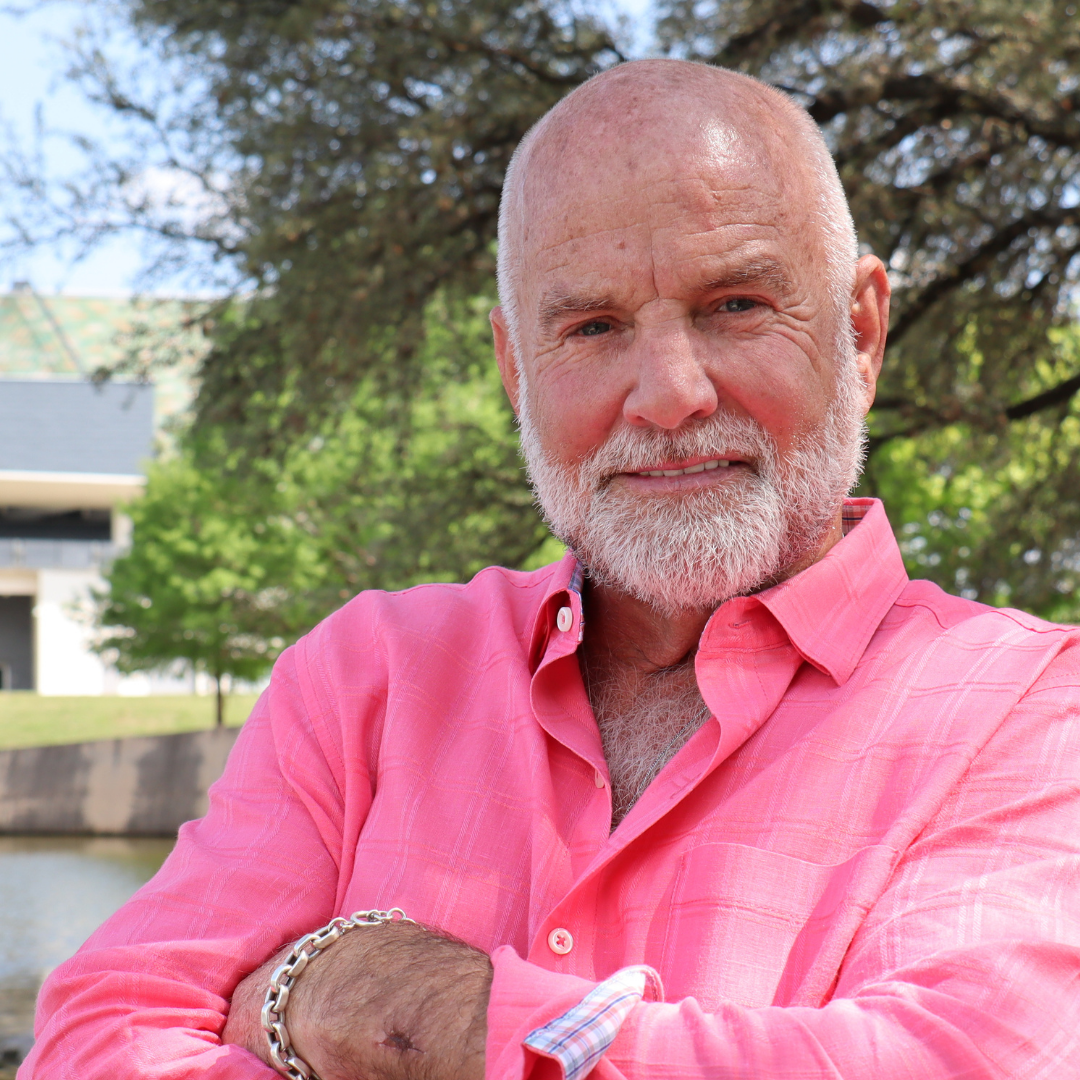
Reed Davis, Double-Board Certified Holistic Health Practitioner (HHP) and Certified Nutritional Therapist (CNT), is a globally recognized expert in functional lab testing and holistic lifestyle medicine. As the visionary founder of Functional Diagnostic Nutrition® (FDN), Reed has pioneered the FDN Certification Course, which has empowered over 4,000 practitioners across 50 countries to take charge of their clients' health. With more than a decade of experience as Health Director at a Southern California wellness center, Reed has personally guided over 10,000 clients to optimal wellness, making him one of the most sought-after clinicians in his field.