RSS Feed
 Goodpods
 Apple Podcasts
 Spotify
 Amazon Music
 TuneIn
 iHeartRadio
 Pandora
 Podchaser
 Castbox
 Overcast
 Podcast Addict
 Castro
 PlayerFM
 YouTube
 Rich sits down with Melora Fern to explore the fascinating, largely forgotten world of concert whistling and the Chautauqua movement of the 1920s. Inspired by her grandmother’s real-life story, Melora shares how she uncovered hidden history and turned it into a powerful novel about women finding their voice. This episode blends storytelling, history, and inspiration for anyone chasing creativity later in life.
Rich sits down with Melora Fern to explore the fascinating, largely forgotten world of concert whistling and the Chautauqua movement of the 1920s. Inspired by her grandmother’s real-life story, Melora shares how she uncovered hidden history and turned it into a powerful novel about women finding their voice. This episode blends storytelling, history, and inspiration for anyone chasing creativity later in life.
Sponsored by Freedom Federal Credit Union
Guest Bio:
Melora Fern is a historical fiction author and former CPA who transitioned into writing after discovering a box of her grandmother’s mementos. Her debut novel, Whistling Women and Crowing Hens, brings to life the overlooked world of concert whistlers and the Chautauqua circuit. Through years of research and dedication, she has crafted a story centered on women’s empowerment, resilience, and finding one’s voice.
Main Topics:
· The forgotten art of concert whistling
· The Chautauqua movement and its cultural impact
· Women’s empowerment in the 1920s
· Transitioning from CPA to author
· The importance of research in historical fiction
· Writing groups and constructive critique
· Turning family history into storytelling
· Building confidence and finding your voice
· The realities of life for women outside major cities in the 1920s
Resources mentioned:
· Episode Sponsor: Freedom Federal Credit Union
· · Melora Fern’s website (melorafern.com)
· · Spotify playlist tied to the book
· · Chautauqua Institution (historical reference)
· · International Whistling Competition
· · Sibylline Press (publisher)
If you enjoyed this episode, be sure to subscribe, leave a review, and share it with someone who loves history and great stories.
Freedom Federal Credit Union
HELPING YOU REACH YOUR FINANCIAL DREAMS
Disclaimer: This post contains affiliate links. If you make a purchase, I may receive a commission at no extra cost to you.
Rate & Review on Apple Podcasts
Follow the Conversations with Rich Bennett podcast on Social Media:
Facebook – Conversations with Rich Bennett
Facebook Group (Join the conversation) – Conversations with Rich Bennett podcast group | Facebook
Twitter – Conversations with Rich Bennett
Instagram – @conversationswithrichbennett
TikTok – CWRB (@conversationsrichbennett) | TikTok
Sponsors, Affiliates, and ways we pay the bills:
Hosted on Buzzsprout
SquadCast
Follow the Conversations with Rich Bennett podcast on Social Media:
Facebook – Conversations with Rich Bennett & Harford County Living
Facebook Group (Join the conversation) – Conversations with Rich Bennett podcast group | Facebook
Twitter – Conversations with Rich Bennett & Harford County Living
Instagram – Harford County Living
TikTok – Harford County Living
Sponsors, Affiliates, and ways we pay the bills:
Recorded at the Freedom Federal Credit Union Studios
Hosted on Buzzsprout
Rocketbook
SquadCast
Want to be a guest on Conversations with Rich Bennett? Send Rich Bennett a message on PodMatch, here: https://www.podmatch.com/hostdetailpreview/richbennett
Disclaimer: This post contains affiliate links. If you make a purchase, I may receive a commission at no extra cost to you.
If you’re interested in podcasting and are looking for equipment and services, here are some of the ones we use and recommend:
Podcast products we have used, use, and/or recommend
Buzzsprout - Let's get your podcast launched - Start for FREE




00:00 - – Intro & Setting the Scene
02:00 - – Meet Melora Fern
03:20 - – From CPA to Author
06:00 - – The Lost Art of Concert Whistling
08:50 - – The Chautauqua Movement Explained
11:20 - – Women in the 1920s Beyond the Stereotypes
16:50 - – Research & Historical Accuracy
20:20 - – Writing Process & 8-Year Journey
22:30 - – Importance of Writing Groups
24:00 - – Grandmother’s Story & Inspiration
27:10 - – Sponsor Break (Freedom Federal Credit Union)
28:00 - – Surprising Discoveries While Writing
31:50 - – Who This Book Is For
36:00 - – Becoming an Author
39:00 - – Future Book & Agnes Woodward
41:50 - – Book Cover & Symbolism
45:20 - – Audiobook & Future Adaptations
50:00 - – Personal Growth & Social Media
52:30 - – Final Thoughts & Where to Find Melora
Wendy & Rich 0:01
Coming to you from the Freedom Federal Credit Union Studios, Hartford County Living Presents, Conversations with Rich Bennett.
Rich Bennett 0:27
In the year 1924, the air is thick with the scent of cold smoke and the electric energy of a decade on the move. But away from the smoky jazz clubs of the big cities, a different kind of revolution was traveling the rails of America's East Coast. It was the chachakwa circuit, a traveling roadshow of culture, education, and entertainment that brought the world to small town doorsteps. In the city of Vermont, West Coast, the world is Bertha Birdie Stalfur, a young woman with a trombone in her hand and a rare shimmering gift in her breath. She's a concert wistler. Seeking to escape the suffocating expectations of her family, Birdie joins the all female versatile quintet, embarking on a journey of smuggled whiskey,
and the fierce, complicated bond of sisterhood. And today, we're joined by Melora Fern, the author of the stunning debut historical novel, Whistling Women and The Crow in Hens. Inspired by real life box of her grandmother's mementos, Melora has revived a forgotten corner of American history. So we're diving into the Roaring 20s, which to me was the best time for music. You didn't learn about in history class, a world of independence, ambition, and the music that set women free. Melora, welcome to the show. How you doing? We're finally getting this done.
Melora Fern 2:02
Yes. And thank you. That was the best intro I've ever had. That
Rich Bennett 2:06
Oh,
Melora Fern 2:07
was
Rich Bennett 2:07
well,
Melora Fern 2:07
insane.
Rich Bennett 2:07
thank you. Look, when you when we connected at first, I saw this book and I'm being a DJ, what retired DJ now, Big Ben era was always my favorite, and the Roaring 20s, you just could not be in
Melora Fern 2:22
right?
Rich Bennett 2:23
my opinion and I saw this and I'm whistling to me is a dying art. And of course, when I see think of Whistling, I always think of Bing Crawl's
Melora Fern 2:35
right
Rich Bennett 2:35
right, hell of a whistler. But I didn't know about the concert whistlers,
Melora Fern 2:44
right? Yeah.
Rich Bennett 2:45
And I saw
Melora Fern 2:46
unknown.
Rich Bennett 2:47
Yeah, it's like, Oh, man, this, this is going to be good. So before we get into the book,
Melora Fern 2:52
Okay.
Rich Bennett 2:53
I have to ask you because you're originally your CPA, right.
Melora Fern 2:58
Yes. Yes. I call myself a
Rich Bennett 3:01
recovering CPA. A recovering CPA. Now you still working full-time?
Melora Fern 3:05
No, I'm retired from accounting work. Yeah.
Rich Bennett 3:08
From accounting work, not retired
Melora Fern 3:11
retired? No. Well, I'm, I still am writing, so I'm still.
Rich Bennett 3:15
Yeah, I was going to
Melora Fern 3:16
but
Rich Bennett 3:16
say, but
Melora Fern 3:16
yeah,
Rich Bennett 3:16
you're,
Melora Fern 3:16
I do.
Rich Bennett 3:17
You're too young to be retired, so.
Melora Fern 3:19
Yeah. Yeah.
Rich Bennett 3:20
All right. So what made you decide to write this book? because that's a big switch
Melora Fern 3:26
You know, it's
Rich Bennett 3:26
for writing basically numbers to letters. I mean,
Melora Fern 3:29
Yes, left brain to right brain.
Rich Bennett 3:32
yeah.
Melora Fern 3:33
No, I, I never intended to be an author. But what made me switch was I found this. Well, I've always been an avid reader, and I've always had high respect for authors and reading and everything. And, but I found this, like you mentioned, this box of Memento's from my maternal grandmother. At a time when I, you know, had retired from my clients and my kids had moved out, and I, you know, I was looking for things to do kind of so, and I just found the story so fascinating. I never heard of concert whistleers.
Rich Bennett 4:07
Right.
Melora Fern 4:08
heard of Shatokla. So I tried to write my grandma's story, and I couldn't, because I didn't have enough information about just her. But the more research I did, and I love to research. So the more research I did, I thought, this is a great story, and it needs to be told. So the characters started forming in my head, and I started writing, and it was really, really bad. Because I was an accountant.
Rich Bennett 4:36
I
Melora Fern 4:37
Very flat and, you know, all that. So I thought, okay, I can do this. So I started going to writer's workshops and online courses. And just, you know, I, I worked really, really hard to learn the craft of writing over many years.
Rich Bennett 4:52
Mm-hmm.
Melora Fern 4:53
Um, and then here
Rich Bennett 4:56
It's
Melora Fern 4:56
we are.
Rich Bennett 4:56
something you mentioned there. And I, I, I have to, I, I, I mean, this is very smart on your part because there are a lot of authors or aspiring authors that will not research it because they, depending on what they're writing, but even if you're writing, I don't know, fiction or whatever, you still have to do the research because,
Melora Fern 5:19
right.
Rich Bennett 5:20
People will call you out.
Melora Fern 5:22
Yep.
Rich Bennett 5:22
On if you write something like just a small idea, but let's see you write something about a certain town. And you're, you know, you write that they're walking down the, the tar or the weather so hot, the tar from the road, stick it to their feet. People call you ask if those roots have never been tarred. It's always been cobblestone.
Melora Fern 5:44
Right.
Rich Bennett 5:44
So, I mean, good for you for doing the research.
Melora Fern 5:48
Yeah. No, it's very important for me to make it as authentic as I could. So every term in the book. I did a lot of looking at old maps, you know, talking to people who actually lived there
Rich Bennett 5:59
Mm hmm.
Melora Fern 6:00
going there if I could, you know, that kind of thing because it was really, really important for me to have it be as accurate as possible.
Rich Bennett 6:08
And I want to talk about this forgotten art of concert, Whistlin.
Melora Fern 6:13
OK.
Rich Bennett 6:13
So we actually drew you to this specific. I want to say not almost lost talent. I want to say lost talent.
Melora Fern 6:22
Well, yeah. Um, well, just because my grandmother did it. So that's what drew me to it. But then the more I learned about it, you know, it's so natural. Everyone has lips.
Rich Bennett 6:32
Yeah.
Melora Fern 6:33
So it's a you don't have to have an instrument case or anything. And then, you know, fortunately, because of the invention of recording was near that time, there are some really good recordings of like Alice Shaw and some of the more well known at the time whistlers. So it was just listening to that. And, um, I did find out there is an international whistling competition that still goes on today.
Rich Bennett 6:59
It's still.
Melora Fern 7:00
Yep, it's held every other year in either L. A. or Japan.
Rich Bennett 7:04
Oh,
Melora Fern 7:06
I actually went to the one in L. A. The person in charge found out about my book. And she had done a dissertation about the saying whistling women and crowing hands.
Rich Bennett 7:18
wow.
Melora Fern 7:19
So so anyway, she invited me out there and there were about 80 whistlers from around the world. You know, all over Argentina, Costa Rica, Japan, Korea. And um, they did competitions in classic whistling like with classic musicals,
Rich Bennett 7:36
Oh, wow.
Melora Fern 7:36
music. And then I'm also current like pop music whistling and different age groups. And it was fascinating. Very
Rich Bennett 7:45
And
Melora Fern 7:46
niche group.
Rich Bennett 7:47
Combined that with yodeling. That'd be never mind
Melora Fern 7:50
that.
Rich Bennett 7:52
That
Melora Fern 7:53
Yeah.
Rich Bennett 7:54
may not work too well. Well, actually, how does whistling serve as a metaphor for birdie finding her own unique voice?
Melora Fern 8:00
Well, that, you know, it wasn't like I set out that that's what it was going to be. But yeah, it definitely does, um, you know, that she. She can whistle in perfect pitch. And it takes her a while and she goes back and forth, but she does find her voice and who she is on this summer's journey. So, um, definitely a metaphor for that.
Rich Bennett 8:22
All right. So have you tried whistling?
Melora Fern 8:24
I can whistle. But not in perfect pitch and not, you know, not like a trained concert whistler.
Rich Bennett 8:33
Oh, so I, all right. I won't call you out and ask you to. Because then you'll turn it right around on me and make me do it. And I don't know about whistling into a microphone.
Melora Fern 8:42
Yeah, I don't know about that either. I haven't done that before.
Rich Bennett 8:45
That could be kind of hard, hard. All right. So the book is set against the backdrop of the Shatokwa movement, which
Melora Fern 8:53
Right.
Rich Bennett 8:54
massive cultural phenomenon into 20s.
Melora Fern 8:56
Yeah.
Rich Bennett 8:57
Can you describe the atmosphere of the Shatokwa circuit? And why was this the perfect setting for a story about female empowerment and education?
Melora Fern 9:09
Well, a wonderful question, thank you. So, Chautauqua's circuits, which, again, I'd never heard of, but they were -- they trapped -- they affected all of United States, not just my story's set in the Northeast part of United States, but
Rich Bennett 9:26
Right.
Melora Fern 9:26
Chautauqua's were all over. And the whole idea behind them was to educate rural America, and they brought in lectures, high-brow music, and theater, and they women lectures, believe it or not. But the small towns would basically shut down for three to five days, and everyone in town would come to these tent shows, or Chautauqua's. So, once I found out about those, you know, just made sense to me to have it be about a young woman who was finding her voice and becoming empowered, because that's kind of what the Chautauqua's were doing, you know, in their way. They had, you know, mixed different people who did the performances and
Rich Bennett 10:11
Right.
Melora Fern 10:11
did the lectures. But I just had thought it was so interesting. And the 1920s is a great, you know, era to write a book, because so much was changing, the prosperity after the world war, the -- after the Spanish flu. The, you know, things were just much more open. People felt more free. Women were definitely changing their fashion, along with their opinions, and some of them were starting to work, which was all new. So it was just such a wonderful time. We rich with women's empowerment through the suffer-jab movement that had just kind of happened. So yeah, it was great. The more I learned, the more it made sense.
Rich Bennett 10:57
There's like the invention of Ted Talks without the Internet.
Melora Fern 11:01
Yeah. Right, right, exactly. Yeah, and they just kind of traveled. Yeah.
Rich Bennett 11:07
All right, so with the -- because when the things I love about the 20s, and those of you listening, no, I was not a life back then. But, you know, while we often think of the 20s as just jazz and gin.
Melora Fern 11:23
Right,
Rich Bennett 11:24
right. Yeah, you explored the lives of women working professional circuits and striving for careers over marriage. And birdie struggles against the straight-laced expectations of her sister, Lydia.
Melora Fern 11:37
Yes.
Rich Bennett 11:37
So how does the book challenge our modern stereotypes of what life was like for a young woman in 1924?
Melora Fern 11:47
Yeah, it definitely, because that was what we think of jazz, and gin, and bathtub, and, um, the flappers. That was all in mostly the urban areas. Still all across America, not just limited to New York City, but also, you know, Seattle, San Francisco, Philadelphia. But the majority of the United States women weren't as into flappers or into jazz,
Rich Bennett 12:14
and,
Melora Fern 12:14
you know, speakeasy. So I felt like I needed to give those women a voice, because that represented a lot. So yeah, I really tried hard to not have it be too much flapper. But, but it what, you know, what the flappers represented, and their dress, their styles, their hats, their haircuts, their little terminology that they used in their language, that all did trickle down to most women through magazines. You know, or just, you know, word of mouth, that kind of thing. So I had little bits of it sprinkled in there, but it was really important to me to do a lot of research and figure out what the, quote unquote average American woman was dealing with, and they, they, they had their own push-pull within their own selves of adopting to the modern way of thinking, or also not. You know,
Rich Bennett 13:05
yeah,
Melora Fern 13:05
there was a lot going on, a lot of churches were, you know, they were preaching against all the changes that families were, you know, pushing against it. So there was, there was a lot for young women of that era to deal with.
Rich Bennett 13:19
So with the versatile quintet, I don't wanna talk about the research here for a minute, because you found that the stuff on your, about birdie, which was, all right, let me give you, no, she was not related to you. You found it, your grandmother gave you the box.
Melora Fern 13:38
Right, yeah I found the box, actually through my mom and my grandmother had long since passed, but I found these brochures and in the brochure was a versatile quintet, so that's why I used that name. Like
Rich Bennett 13:51
Okay,
Melora Fern 13:51
as much as I could I stuck to what I researched and found or my grandmother, but my grandmother's name was Verna and she's not like
Rich Bennett 14:01
okay.
Melora Fern 14:01
Verdie at all. She was, I mean she was definitely like her in some ways. My grandmother was unbelievably persistent and
Rich Bennett 14:07
Right.
Melora Fern 14:07
she did, she did travel with Asha Takua. It was called Swathmoresha Takua and she did it for three summers
Rich Bennett 14:14
Oh wow.
Melora Fern 14:15
and then she met her husband, my grandpa, and Mary didn't have children, where that's not the way I had Verdie go, so.
Rich Bennett 14:22
All right, so with the versatile quintet were you able to speak with anybody who had families, you know, any families that had people that were actually in, I want to say the versatile quintet that made it up or even anybody from that movement,
Melora Fern 14:39
Yeah, I actually didn't get to talk to any people live about
Rich Bennett 14:44
yet,
Melora Fern 14:45
the Asha Takua movement. I went to the Asha Takua Institute in New York
Rich Bennett 14:50
oh
Melora Fern 14:50
at the very beginning. There's the Asha Takua Institute in New York.
Rich Bennett 14:54
wow.
Melora Fern 14:56
The whole name Asha Takua is actually based on the name of the lake there in upstate New York and it's called Lake Asha Takua and it means transcribed from the indigenous people. It means two moccasins together.
Rich Bennett 15:11
somebody was playing a prank.
Melora Fern 15:13
Yeah, but now the word's been appropriated to mean this movement of, you know, educating rural America, but
Rich Bennett 15:21
Okay,
Melora Fern 15:21
so the Institute was started back in the late 1900s and it, I mean, late 1800s, sorry, and then attention was to teach Sunday school teachers and then it kind of moved to being this education movement. And then the, so I thought I could find a lot of information there and maybe even interviews and people but unfortunately, the Asha Takua Institute never sanctioned all the circuits. The circuits were started by entrepreneurial business people or colleges or and so the Institute almost thinks the, the Asha Takua circuits are like bad. So they had absolutely no information in their library about the Asha Takua circuits.
Rich Bennett 16:07
sounds like
Melora Fern 16:07
So,
Rich Bennett 16:07
another book.
Melora Fern 16:09
Yeah, it's very fascinating.
Rich Bennett 16:11
Yeah.
Melora Fern 16:12
But the Institute is still there today and people travel there for the summer, people own homes there and they still do all the education and are you familiar with, you hear about how Rushdy, Sam and Rushdy got stabbed? several years ago, I don't know if you've heard that but
Rich Bennett 16:30
Yeah, I can't,
Melora Fern 16:31
it was at Asha Takua. He was giving a presentation because Asha Takua has all these outdoor amphitheaters and it was there where he got stabbed.
Rich Bennett 16:41
Wow.
Okay, holy cow.
Melora Fern 16:45
Yeah.
Rich Bennett 16:48
All right. So, woo. No, that's, you know, you got me wanting to research
Melora Fern 16:52
stuff.
Rich Bennett 16:52
this
Melora Fern 16:54
All
Rich Bennett 16:54
right. So, so with the versatile quintet,
Melora Fern 16:57
yes, the five
Rich Bennett 16:58
the,
Melora Fern 16:58
women. Yeah.
Rich Bennett 16:59
I mean, the troop experiences, both traumatic events and, and deep joy together in the book. How does the found family of the quintet provide birdie with the strength she couldn't find at home?
Melora Fern 17:13
Oh, I think. So, we'll just female friendship and even though they were strangers when they first met, they, they encouraged each other. They wanted each other to do their best on stage and off stage. So, I think she found her, her way through these friendships with these women who may not, she may not have chosen to be friends in a different setting, but since they were on the road together and you know how it is when you travel with people, you learn a lot more about them and yourselves and then just women friendship. I thought that was so important to talk about because you do form these friendships when you're all together like that.
Rich Bennett 17:54
Yeah.
Melora Fern 17:55
The five women are very different. I had a hard time at first differentiating the women in my writing and my writer's critique group were like, okay, well, I don't know who's who. You know, you got to, so I spent a lot of time writing, you know, getting to know each of the five women separately. And one of my writer's friends said, you need to write the same scene from all five point of views.
Rich Bennett 18:21
Oh.
Melora Fern 18:21
And I was like, I'm not to do that. And he's like, no, you got to do that because I didn't want to do it because it wouldn't be, go in my book my,
Rich Bennett 18:28
right.
Melora Fern 18:29
third person from birdies point of view but once I did it it changed my writing it made it so much better because then I really knew each of the five women and what you know flows personality versus Adele's or Mary's versus Helen's like I definitely got to know the five women by doing that it was it took a lot of time that never got in the book but it was well worth it
Rich Bennett 18:54
to actually tell us tell us a little bit about Lydia
Melora Fern 18:59
oh yes the older sister
Rich Bennett 19:01
yeah
Melora Fern 19:03
so so again I tried to kind of stick to my grandma's story when I first wrote it and my grandmother was one of eight siblings
Rich Bennett 19:11
wow
Melora Fern 19:11
and there was no way I could put eight siblings in my book you know it was already a challenge to have five diversity of quintet so I had her I had her have a sister and a brother in Lydia and Edwin and in the beginning I had her sister Lydia in Courage her and tell her you know go do this it's exciting and again my one of my writers workshops they're like no no no no no you have to have a reason that birdie wants to leave like you need that catalyst event that
Rich Bennett 19:42
right
Melora Fern 19:42
birdie has this nice life and then or whatever kind of life but she wants to leave you know that's the whole hero's journey things so I changed it to where Lydia's you know loves birdie in her own way but she also is trying to control where she feels like she's the mom or whatever she takes it way too seriously to push her ideals and her way on to birdie so that birdie felt oppressed and had had to make a change and then she found the she auditioned and made the change
Rich Bennett 20:14
how long did this actually take you to right from from when you first from that first letter you wrote down to when you got to publish
Melora Fern 20:23
it's blown away
Rich Bennett 20:24
can
Melora Fern 20:25
I
Rich Bennett 20:25
no to win the main script was finished after 80
Melora Fern 20:28
yeah that was about eight years
Rich Bennett 20:30
yeah what
Melora Fern 20:31
yeah
because again I'm not a full-time writer
Rich Bennett 20:37
right
Melora Fern 20:37
you know I was learning to write as well as um writing and I was living a life and I went through some pretty major life changes during that time so um yet took me eight years
Rich Bennett 20:49
so okay so you you started writing this when you were still a full-time CPA I take it then
Melora Fern 20:55
oh well I was I was down to like 30 20 to 30 hours when I
Rich Bennett 21:00
writing
Melora Fern 21:00
started
Rich Bennett 21:01
okay and you were taking that's when you were starting taking the classes too
Melora Fern 21:04
yes started taking class writing classes reading books listening to podcasts there's so
Rich Bennett 21:09
right smart
Melora Fern 21:09
many amazing podcasts out there uh yeah and joined a right I joined an online writers critique group during COVID and we met every week and I mean in like my this book has literally changed my life because I met the writers critique group um the majority of them were from North Carolina
Rich Bennett 21:30
mm-hmm
Melora Fern 21:31
and when I went through my divorce in 2022 I wanted to leave Texas where I was living and um you know for various reasons
Rich Bennett 21:40
right
Melora Fern 21:41
um and I didn't know where to move my adult children none of them were settled and really honestly none of them said hey mom moved here um so I thought okay I'm gonna move somewhere and I went and house sat for one of my writers' friends here in North Carolina and fell in love with the area and I thought you know what I know four people there I can move there and here I am you know three years later here I am still and I love loving North Carolina
Rich Bennett 22:12
things happen for a reason if you want
Melora Fern 22:13
yes
Rich Bennett 22:15
then and actually how this I'm glad you brought that up because aspiring authors need to know this how important
was the critique part of that writers group
Melora Fern 22:28
oh my gosh I would not be sitting here talking to you or have a published book if it weren't for my writers critique group and you know you have to be open to critique and I'm very fortunate that my group was really good at um giving you know positive critique we
Rich Bennett 22:45
yeah
Melora Fern 22:45
all believe each other can be better writers and so that's how they approached it not they didn't try to cut me down they were just trying to help me be a better writer and make my story stronger and better and tighter so yeah it you know the critique was so important and some of the changes they recommended are you know what makes it the novel it is
Rich Bennett 23:07
yeah
Melora Fern 23:08
today I highly highly recommend anyone writing yes it's a solitary sport but you have to be in a group to to make yourself better yes
Rich Bennett 23:18
yeah, you have to know how to to give constructive criticism, but you also need to know how to take it.
Melora Fern 23:25
right exactly.
Rich Bennett 23:26
and- and-
Melora Fern 23:27
It's all throughout life, not just writing,
Rich Bennett 23:29
well yeah,
Melora Fern 23:29
but-
Rich Bennett 23:30
yeah, but it's- I, uhm, I actually spoke at a writer's group, a local writer's group here during Covid, because it's virtual, and I sat in on one of the critiques. and oh my god. yeah, it's amazing. It's- I definitely recommend a writer's group for anybody that wants to write, even if you've already written all of it here, one or even a thousand books, it's still important. uhm, I want to go back a moment
Melora Fern 24:01
okay.
Rich Bennett 24:01
to- That, you know, your grandmother's mementos.
Melora Fern 24:05
Yes.
Rich Bennett 24:06
What was one of the most surprising things you found in that box, and how much of birdie's journey is actually rooted in your own family's history?
Melora Fern 24:15
Well, so probably the most surprising thing I found was this beautiful scrapbook. It's one of those black ones with, you know, in the- pick- the photographs are all, you know, yellowed, and they're put in with those little black corners, haha. And uhm, I think her friends must have made it for her, because there's all these little notes with like a white pen, and that's where I got a lot of the, like, nerps, or some of the, uhm, explanation, or little word phrases I got from that scrapbook. But the pictures, you know, you can do so much with the picture to help describe the people, the setting, the feeling, you know, so all those photographs really helped me. Uhm, but the, as far as your second part of the question, I tried to stay as true to what I found, as far as the setting, you know, the writing on the trains, the versatile quintet. Like, if you- if you're a musician, you think, okay, why did they put these five musicians together? Because it's a piano player, a heart player, a trombone player, a banjo, and a violin. Like no one, there's no arrangement for those five. Like, come on. But that's what they put together, and that's- I used that from the brochure I found, you know, that advertised the five women in my grandmother's versatile quintet. So, like, everything like that, I stayed true to, I- I traveled to Swarthmore, Pennsylvania, and I went to their college library, and the library in there helped me so much. And they literally had cardboard boxes full of documents from their Chautauqua. So, like, the train schedule, the cities, that's another thing. If you look, you think, "Why are they going from here to here?" But I used the schedule that I found in those papers that they actually traveled. So, I tried to stay as true to my family story, and the actual Chautauqua circuit experience as I could.
Rich Bennett 26:14
Okay. You're listening to the conversations with Rich Bennett. We'll be right back. I want to share something really special about a company that I not only trust, but also use, and also, truly, admire. Freedom, federal, credit union. Why freedom? Because they go beyond everyday banking to really make a difference in our communities. They've established a Freedom of the Health Foundation, which actively supports local initiatives, making our neighborhoods stronger and more connected. Whether it's promoting financial education or backing community projects, freedom, federal, credit union is there, investing in our shared future. And it's not just about community programs. I trust them because they provide excellent, personal, and business banking services that make managing finances straightforward and secure. Their commitment to our community and their members really sets them apart. So, if you're looking for a financial partner that aligns with your values and actively contributes to bettering the community, check out Freedom of the Federal Credit Union. Visit them today at freedomfcu. org or call 1-800-440-4120. Join me in banking where it matters. So, when you were writing this, how much did you learn?
Melora Fern 27:45
Oh, everything. Everything in there.
Rich Bennett 27:48
Let me rephrase that. What was the biggest thing that actually, you know, I went almost like a aha moment for you when you were writing
Melora Fern 28:00
this. Oh, gosh.
Rich Bennett 28:01
Something that really surprised you.
Melora Fern 28:06
Wow, I have to think about that, because I just felt like every day I was getting surprised.
Rich Bennett 28:11
Right.
Melora Fern 28:12
Well, like personally, I think the thing that surprised me the most was just my grandmother, you know, being a paid concert whistler, because she actually went on and whistled with the Navy band.
Rich Bennett 28:24
Oh, really?
Melora Fern 28:25
Yeah, and I had no idea that she did that. She died when I was eight, and I have one memory of her whistling when I was a little girl. We were sitting in their backyard and she was basically having a whistling conversation with the nearby songbirds, and she had no food out or anything, and they would hop closer and closer to her. So I was convinced she was Snow White.
So I had no idea that she did this beautiful musical type.
Rich Bennett 28:58
Right,
Melora Fern 28:59
Concert whistling, so that was a very personal surprise. And then I think over the whole umbrella of the novel, you know, probably how strong women and how independent and there were women out in the world that were, you know, were finding their own careers and were working and supporting themselves, even though they couldn't have a bank account or they couldn't only. And all that stuff, just the more I found out about your quote unquote average woman, how strong and resilient and persistent they were. I think because you just hear about the flappers or the, you know, speak easies and the women were
Rich Bennett 29:38
yeah.
Melora Fern 29:38
kind of side barred. Where they're, you know, women aren't and they still aren't today. So I just was fascinated by that and really wanted that in my story.
Rich Bennett 29:51
This was like perfect timing for the book to come out.
Melora Fern 29:57
Oh, yeah. And yeah, the book to come out and like for me personally, I firmly believe that box. My parent, my dad was in the Navy and then he was a professor who liked to teach, but not publish.
Rich Bennett 30:09
Right.
Melora Fern 30:10
My parents, we moved all over the United States, so that box had traveled all over with my parents and it wasn't until at this time in my life where I had time to do the research and do the writing that I found it. Like it just blows me away that I never had seen that box before. So I do, I believe in serendipity and I believe in things happening when you need them to happen and you know, I don't know if it's God or my grandmother or my mom. Like I don't know who had their hand in it or maybe all of them.
Rich Bennett 30:42
So who's this book for? And don't say it's for your, you know, for you or your grandmother. I met reader wise. Who
Melora Fern 30:50
Yes.
Rich Bennett 30:50
is this for?
Melora Fern 30:51
I think it's for anyone, you know, whatever you're gender, I think it's for
Rich Bennett 30:55
Yeah.
Melora Fern 30:56
anyone who one wants to know something about history that they didn't know. Like you said in your intro, you know, a corner of history that hasn't been developed or understood or explained. So I think it's for that the people with a curious mind. I think it's a great story of hope and believing in yourself no matter your age. Like I chose to write it about a younger woman, but while I was writing it, I was kind of going through my own finding my voice. So I think it can appeal to anyone of any age. So, and it just someone who wants a good read with strong characters because for me, books with strong characters are the ones I remember. So that's what I, my hope is that the readers remember the characters.
Rich Bennett 31:40
Did you find your voice?
Melora Fern 31:41
I did find my voice
Rich Bennett 31:43
Good.
Melora Fern 31:43
here.
Rich Bennett 31:46
Something else, and I think this would be pretty wild. Have you, and you may have found them. I don't know, but have you found any recordings the whistlers? I spent because
Melora Fern 31:59
of
Rich Bennett 31:59
you said your grandmother used to whistle was well,
Melora Fern 32:01
Yeah,
Rich Bennett 32:01
right?
Melora Fern 32:02
I actually, so my, both my parents have passed since I wrote the book, but we actually found a recording of my grandmother whistling. My brother found it. It's, it's a recording where she whistles bird songs and, and another song. She and her sister, her older sister, Lena played the musical "Saws" together. They played, down by the old mill stream.
Rich Bennett 32:27
Oh, wow.
Melora Fern 32:28
Yeah, and then my mom actually sings America the Beautiful on it. So yeah, it's a family treasure and my brother found it, and we have it now. We can, you know, we shared it on MP3 or whatever. I don't know the technology, but whatever.
Rich Bennett 32:44
How, how many, how many songs are there? How many things are there? How much time is there of your grandmother whistling,
Melora Fern 32:56
Maybe about
Rich Bennett 32:59
12
Melora Fern 33:00
12
Rich Bennett 33:00
minutes?
Melora Fern 33:00
minutes, 12 to 15 minutes, yeah.
Rich Bennett 33:01
Have you guys thought of that? This could be pretty interesting. But somehow or another, I don't know, putting like a QR code into book or whatever, where to lead people to, because you can put that on Spotify
Melora Fern 33:16
Yeah,
Rich Bennett 33:16
to
Melora Fern 33:16
we're
Rich Bennett 33:16
where people...
Melora Fern 33:16
trying to, my middle child helps me with all my webpage designs.
Rich Bennett 33:22
Okay.
Melora Fern 33:23
Social media. And we're trying to figure out how to get it on my website, just my grandmother whistling and they're working with me on it.
Rich Bennett 33:31
Well, if you haven't, is it P3, you could just upload it.
Melora Fern 33:34
Yeah, yeah. We just... We're hesitant to, well, we want to make sure, you know, with family history...
Rich Bennett 33:41
Well, yeah.
Melora Fern 33:42
So I don't want to offend any of my living relatives. And then I also want to make sure, like maybe not upload the whole thing, we're trying to piece it up a little... ...but
Rich Bennett 33:53
Okay.
Melora Fern 33:53
mostly be my grandmother whistling. Yeah. But that's definitely a goal.
Rich Bennett 33:58
I think, I mean, to me that would be pretty wild, especially
Melora Fern 34:01
Yeah.
Rich Bennett 34:01
when you're talking about the the 20s, because a lot of people are going to be like, "Whisler, Concert, Whistler,
Melora Fern 34:05
I know. Well, so I do have a Spotify playlist that's available and it's linked on my website called Wistling Women in Croweyne-Hens and it's
Rich Bennett 34:16
nah."
Melora Fern 34:17
got all the music that's mentioned in my book. There's a version of that song in my playlist and there's also some bird Whistling, bird called songbird Whistling and... But like when I mentioned the RAF from the Lucien of Dala Moore opera, I probably said that wrong, so... But that's in there, the trombone march... you know, the Siouxsa marches. It's all in there.
Rich Bennett 34:46
Oh, wow.
Melora Fern 34:47
But it's on Spotify so...
Rich Bennett 34:49
And that's on your website.
Melora Fern 34:50
And it's the link to it's on my website.
Rich Bennett 34:52
Which some of the very important tell everybody the website?
Melora Fern 34:55
Yeah, so it's cleverly named Melora Fern, M-E-L-O-R-A-F-E-R-N, and yeah and, and you know, just shout out to my middle child who has spent a lot of time making it really clever and cool.
Rich Bennett 35:14
Alright.
Melora Fern 35:14
Thank goodness for these kids, right?
Rich Bennett 35:16
So tricky question for you. How hard was it for you to go from calling yourself a CPA?
Alright, that was just weird. Did I just hear Whistling?
Melora Fern 35:33
I don't know.
Rich Bennett 35:34
It may have been a bird.
Melora Fern 35:36
Maybe a bird.
Rich Bennett 35:36
Do you have a window open or something?
Melora Fern 35:38
Uh no, I don't have a window open, but I am fairly near a window.
Rich Bennett 35:42
Okay, I could, it had to be a bird. I heard this. That's pretty... Play this back.
Melora Fern 35:52
But
Rich Bennett 35:53
how hard was it for you to go from calling yourself a CPA to now an author Pranor?
Melora Fern 36:01
It took quite a bit in my, you know, my writer's critique group telling me, "You're a writer. You're a writer. You're an author."
Rich Bennett 36:11
Which is the difference?
Melora Fern 36:12
Yeah, yeah, no, and it, you know, it's, it's hard and I think the hardest critics are the people who've known me forever who are like, "Wait, what? You wrote a book, and is it good?" You know, like I'll have friends from long ago come up to me and say, "Mean your book was really good. I was so surprised," and you're kind of like, "Okay, is that a compliment?"
So, but I have that same inner conversation, you know, even with a published book, sadly, we defeat ourselves often, so I have to convince myself, "Yes, I'm a published author, and it's okay to tell people about my book," you know, "I get embarrassed," but it is okay to tell people about
Rich Bennett 36:53
my book. "Absolutely." "You better be telling people."
Melora Fern 36:56
"I am. I've gotten very good. You would laugh. I can, I can even go to a restaurant, and if I hear someone talking, I can tell them about my book."
Rich Bennett 37:04
And actually, so what did writing this book teach you about yourself?
Melora Fern 37:09
Oh, so much. Like, how long do you have?
Rich Bennett 37:12
Good,
Melora Fern 37:14
Well, definitely I found my voice and confidence.
Rich Bennett 37:17
right?
Melora Fern 37:18
Yeah, and it helped me with a lot of insecurities I have. You know, again, like I went through a divorce while writing this, so I figured out who Melona is
Rich Bennett 37:30
Yeah, good.
Melora Fern 37:31
and that, you know, I just I now have a lot more confidence. Like probably before I started writing this, I would have not been able to do a podcast because I just didn't feel confident in talking about myself. But I've learned that it's okay. And like you said, you have to to promote your book. You have to promote yourself.
Rich Bennett 37:51
You love yourself a lot more now, don't you?
Melora Fern 37:53
Yes, I definitely do, definitely do, and
Rich Bennett 37:56
Good.
Melora Fern 37:56
I believe in myself, and, uhm, and I, I would say the research, I've become a very, I've always been curious. I was an auditor when I worked in, you know, before I had my own clients when I started, I was an auditor. So you have to like to ask questions.
I don't know what I'm looking at now, but, uh, I think it's only two sentences end up in the book. But I still, I don't feel it's wasted time at all. I love knowing all this history and knowing all these really fascinating facts. And I especially love, uhm, hearing other people's family stories, I think.
Rich Bennett 38:38
Yeah.
Melora Fern 38:39
Everyone has a really cool family story if you, if you think about it, and I'd love to hear more and more and get more of them out there in the, in the writing world.
Rich Bennett 38:48
Do you feel like there could be a sequel to this?
Melora Fern 38:51
Well, I am working on my second book, I've been doing a lot of research. So, one of them, only real people in the book is named Agnes Woodward.
Rich Bennett 39:01
Okay.
Melora Fern 39:02
And she started a women's whistling school. It was some men, but mostly women in LA in 1910. That was
Rich Bennett 39:10
real.
Melora Fern 39:10
all
Rich Bennett 39:10
For real?
Oh, wow.
Melora Fern 39:12
And, so I've done a lot of research on her since then and, she's just fascinating to me. She was actually a fairly well known opera singer up in Detroit area. And she abused her voice where she got those nodules. So, she couldn't sing anymore. And she, you know, talking about resilience and pivoting she pivoted to whistling and taught herself to whistle. And she developed this method called the bird method. And so, I'm writing my next novel is about her and her life kind of. But in my book, Bertie, I don't want to give the ending
Rich Bennett 39:52
Bertie.
Melora Fern 39:52
away. But
Rich Bennett 39:53
No,
Melora Fern 39:53
definitely.
Rich Bennett 39:53
yeah,
Melora Fern 39:54
Bertie definitely crosses past with Agnes Woodward. And so, Bertie's in Helen will probably make an appearance in my second book. But not really a sequel, but a continuation a little bit.
Rich Bennett 40:07
Have you always loved history?
Melora Fern 40:11
I guess so. You know, I wouldn't have said it, probably.
Rich Bennett 40:15
Well, I've, I mean, growing up, I was, you know, I really wasn't in the history. But as I got older, I--
Melora Fern 40:24
Yep.
Rich Bennett 40:25
I love history so much more. Whether
Melora Fern 40:28
Yeah.
Rich Bennett 40:28
it be local, you know, U. S. or even worldwide, whatever. I just found myself loving it more. But little things like this, the things that when it comes to history, you don't think about like a concert whistler.
Melora Fern 40:44
Right.
Rich Bennett 40:44
Be that something amazing. That's something that, well, like you said, you know, it's not taught in history classes.
Melora Fern 40:51
Right. No, I completely agree. And like the whole Shatokwa movement, like in 1924, that was like the height of the Shatokwa movement. And they say there were over 10,000 towns that had, Shatokwa's come to them. There were over 1,000 different Shatokwa circuits out. And they say they reached like 40 million people. So
Rich Bennett 41:13
Wow.
Melora Fern 41:13
in my mind, that's such a huge part of our history. And probably
Rich Bennett 41:17
Yeah.
Melora Fern 41:18
indirectly were all benefited from somehow from the Shatokwa circuits. But it's nothing that we learned about in school, at least I didn't.
Rich Bennett 41:28
I-- at least I don't believe what I did.
Melora Fern 41:31
Yeah. So I just
Rich Bennett 41:32
really don't remember a lot that I learned at school.
Melora Fern 41:34
I know. Same here. It's all--
Rosie Blur.
Rich Bennett 41:39
Wow. All right.
Melora Fern 41:40
Yeah.
Rich Bennett 41:40
So something very interesting, because I-- this is amazing. The cover. Who designed that?
Melora Fern 41:51
Oh, that--so the public-- the small press that I went with is called "Sibline Press." And there--it's "Women Owned." And one of the owners is the artist.
Rich Bennett 42:00
Okay.
Melora Fern 42:01
And she--I love, love, love the cover. I think she just nailed it as far as the colors and the feeling that I wanted to invoke with the cover. So I'm so pleased.
Rich Bennett 42:12
All right. Is the cardinal supposed to represent somebody?
Melora Fern 42:17
Well, the cardinal. And then the other bird that is up
Rich Bennett 42:20
What
Melora Fern 42:20
there
Rich Bennett 42:20
do you look
Melora Fern 42:20
is a
Rich Bennett 42:20
like?
Melora Fern 42:20
barn swallow.
Rich Bennett 42:22
Okay.
Melora Fern 42:22
Yeah. Those are two key birds in the book. The cardinal birdie and her friend Helen kind of developed their own little calling card, which is the cardinal's whistle to each other.
Rich Bennett 42:35
Okay.
Melora Fern 42:35
Yeah, and then the Barnes-Wallow is another book, a bird that birdie kind of follows along. She loves watching the Barnes-Wallow's fly and everything. So, yeah, they have meaning in the book. And then the train, I just love having the train in the background. And then the number one thing I told the artist was that I really wanted the protagonist facing the reader. Because if you look at a lot of historical fiction books, the female protagonists, it's their silhouette or their back.
Rich Bennett 43:07
Right.
Melora Fern 43:08
I was like, "This is a story about a woman finding her voice. She has to be facing the reader."
Rich Bennett 43:15
The other thing that I like, and those of you listening, I think this will even attract you to the book even more. The chapters aren't named, you know, how you see most chapters named. Their named after towns.
Melora Fern 43:33
Right.
Rich Bennett 43:35
Explain why you did that.
Melora Fern 43:37
Well, so.
Rich Bennett 43:37
Those listening, know why they need to purchase this book. Just-or-field marijuana.
Melora Fern 43:42
Yeah, no, that's so. The towns are the different towns they've visited. So, the Shuttakwa Circuit back then in 1924, traveled by train mostly. And so, there are different towns that were on the train routes that they went to visit. And so, that's why I named each town. Because I thought it was important, one, to help ground the reader where they are. Because the performers are constantly moving. And two, it just gave me a whole other way to research about each of the towns. Because, like, I wanted to make sure when when the versatile quintet got off the train, and they turned right to go towards a hotel or a boarding house, I had the street name. Like, I had looked at a map, and I had the right street name. I knew which way downtown was. I knew where the- I had an idea of where the tents would be set up. You know, I- again, that was all part of my research to make it as authentic. And I did have- I- I loved to visit book clubs of people who have read the book and I was at one here locally, and I met a guy who had gone to Swarthmore College. And he just made my day, because he said, "You made me feel like I was sitting back on the campus, because the Swarthmore campus is like a botanical garden. And I was so excited." That was like, "Okay, validation."
Rich Bennett 45:05
Something very important,
because you- most authors, and this came out- may have last year, may of 2025.
Melora Fern 45:18
Correct. Yep.
Rich Bennett 45:18
You're not self-published, correct?
Melora Fern 45:20
No, it's a small press published, an independent publisher, yeah.
Rich Bennett 45:24
All right, because a lot of your publishers will not do an audiobook version until like a year later.
Melora Fern 45:31
Yeah.
Rich Bennett 45:32
You already have that
Melora Fern 45:33
a-
Rich Bennett 45:33
done.
Melora Fern 45:34
I know, I got so lucky. Yeah, they- so they- you know, they shopped it out and it got picked up right away. And yeah, it just came out in February and I- the person reading it, and I think it's to know- I don't have her name off the top
Rich Bennett 45:48
Right.
Melora Fern 45:48
of my head- but anyway, she does a fantastic job, and she even does different accents for each of the
Rich Bennett 45:54
Which is
Melora Fern 45:55
versatile quintet, which-
Rich Bennett 45:56
That's important.
Melora Fern 45:57
yeah, but what a talented voice actor, and I just am so pleased with it. And yeah, I'm hoping that'll boost sales again.
Rich Bennett 46:06
I sue- I take- you listen to the audiobook
Melora Fern 46:10
then.
Rich Bennett 46:10
version of it
Melora Fern 46:10
Oh yeah, yeah.
Rich Bennett 46:11
Do you feel that- and I don't want to see this- I don't want to see this as a movie, do you feel this could become like a TV series?
Melora Fern 46:24
I would love that. I- I can see it in my mind. Like are you familiar with Call the Midwife, that movie
Rich Bennett 46:30
series? No.
Melora Fern 46:31
Well, it's about a group of women that were nurses after World War
Rich Bennett 46:35
II. Okay.
Melora Fern 46:36
London, but this book to me lends itself to be a series like that because the cast could continually be changing with each
Rich Bennett 46:44
Right.
Melora Fern 46:45
season. You could bring in different performers or women lecturers or male- you could just bring in so many different characters in each season would still be the Chautauqua circuit, but yeah, I can see it as series. I would love- love- love that.
Rich Bennett 46:58
I think-
Melora Fern 46:58
So who knows, right, we'll put it out there in the universe.
Rich Bennett 47:02
Maybe a screenwriter, listen. Well, let me pick this up and look at it.
Melora Fern 47:08
Yep.
Rich Bennett 47:08
So before I get to my last question, well, actually, first, before I even say that, those of you listening, make sure you pick up. of whistling women and crowing hands by Melora Fern and after you read it, make sure you do a full review whether it be on Amazon, Goodreads, Barge, wherever you can leave reviews and purchase a copy for other people. Yeah, and actually if you, if you're the type like me back in the day, you know, we had this thing called books on tape, where driver down the road, we could put our cassette tape in the car
Melora Fern 47:48
Yeah.
Rich Bennett 47:48
and listen to it. Well, alright, we know they really don't have cassette tapes anymore. Most of you people either have the jack green, you can plug in your phone, which you can do for audiobook, or even a CD. Guess what? It's available on CD as well, so you can listen to it while you're driving. It's just on audiobook but on CD, so make sure you do that as well. So anything you would like to add before I get to my last question.
Melora Fern 48:17
Uhm, no, this has just been absolutely delightful. I, I'm having a fun time, so thank
Rich Bennett 48:22
Oh.
Melora Fern 48:23
you.
Rich Bennett 48:23
It was, it was my honor and I, of course you have to come on again when the next book comes out.
Melora Fern 48:30
Right.
Rich Bennett 48:31
Uhm.
Melora Fern 48:32
Hopefully not eight years.
Rich Bennett 48:33
No, well, you're a
Melora Fern 48:36
pro, you could
Rich Bennett 48:37
see you are a pro, because what's a professional, somebody gets paid for what they're doing.
Melora Fern 48:41
Right.
Rich Bennett 48:42
I mean, if somebody buys a book, buys one of your books, you're getting paid, and people already buy their books because I'm looking on Amazon, you have a lot of good reviews, 4.7,
Melora Fern 48:53
Right. Yeah.
Rich Bennett 48:54
and as of now, those of you listening were recording this on March 11th. Actually, isn't this women history month?
Melora Fern 49:01
Yes, it is. Yeah,
Rich Bennett 49:02
Wow.
Melora Fern 49:02
great month of March. Yep.
Rich Bennett 49:05
It's kind of funny how this came around, and as of today, it is, I mean, don't know, this was a category. For 411, in LGBTQ plus historical
Melora Fern 49:20
fiction,
Rich Bennett 49:21
in 2001 and 20th century historical romance, 6483 in women's friendship fiction. That's, you know, those numbers may say I'm high, do a lot of people, but that is awesome. Well, you look at all the books out there.
Melora Fern 49:37
I know there's millions
Rich Bennett 49:39
Yes.
Melora Fern 49:39
of.
Rich Bennett 49:40
Especially on Amazon, a lot of people are self-publishing and everything in there. That is awesome. So congratulations to you because you are, I'm going to say you are kicking ass. your first book, that is amazing.
Melora Fern 49:56
For
Rich Bennett 49:56
All right.
Melora Fern 49:57
Very exciting.
Rich Bennett 49:58
So pick, I need you to pick a number between 1 and 100.
Melora Fern 50:03
Oh, wow. Okay. I'll pick 33.
Rich Bennett 50:11
Okay. See, I figured you would have picked like 24 'cause 1924,
Melora Fern 50:16
but
Rich Bennett 50:17
I
Melora Fern 50:18
used my lucky number.
Rich Bennett 50:19
Oh, okay. That works. I guess that is an angel number, isn't it? I have to look that up. What's a small change you've made that has had a surprisingly big impact? No, you cannot say, becoming an author.
Melora Fern 50:37
Well, that was a big change.
Rich Bennett 50:39
Well, yeah.
Melora Fern 50:42
Gosh, I got to think on the spot here, a small change I've made that's had a big impact. I guess, oh, sorry. I guess the, a small change that I've made is, I used to just be on social media to come. Scroll and not comment or not do anything. So I think my kids helped me become more open on social media and kind of lose my inhibition of recording myself and making reels.
Rich Bennett 51:20
Right.
Melora Fern 51:21
And so now I post regularly on social media with reels and things like about women's
Rich Bennett 51:28
Mm-hmm.
Melora Fern 51:28
month, history month or, and it's, it's really made it impact on me that I'm having fun. And
Rich Bennett 51:34
Good.
Melora Fern 51:35
I never thought I would have fun. And I, you know, social media, it, I have mixed feelings like I have like 350 followers. It's not like I have this huge presence, but I'm just having fun with it. And I, like, I now write blogs and they're on Substack and I'm really, really enjoying it. And it's, it's made a impact on me on how I think and how I, my comfort level of presenting myself.
Rich Bennett 52:01
So. Time makes it easier for you as well when you go to like the book fairs and everything, right?
Melora Fern 52:06
Yeah, yeah, yeah. No, it's just, I don't know, I, my blogs are nothing monumental but I'm kind of finding continuing to find my voice through them and everything. So,
Rich Bennett 52:18
Good.
Melora Fern 52:18
it's been, been good and fun.
Rich Bennett 52:35
So, and, purchase copies for other people and make sure you follow her on Amazon as well because when you follow an author on Amazon, you'll be notified when a new release comes out.
Melora Fern 52:48
That's right.
Rich Bennett 52:49
And I think, I guess your social media uh, things are on your website, right?
Melora Fern 52:53
Yes, they're all on my website, but also all under Melora Fern, so you can find me.
Rich Bennett 52:59
And sign up for her newsletter as well.
Melora Fern 53:02
Yes.
Rich Bennett 53:02
Melora, thanks so much.
Melora Fern 53:04
All right, thank you.
Author
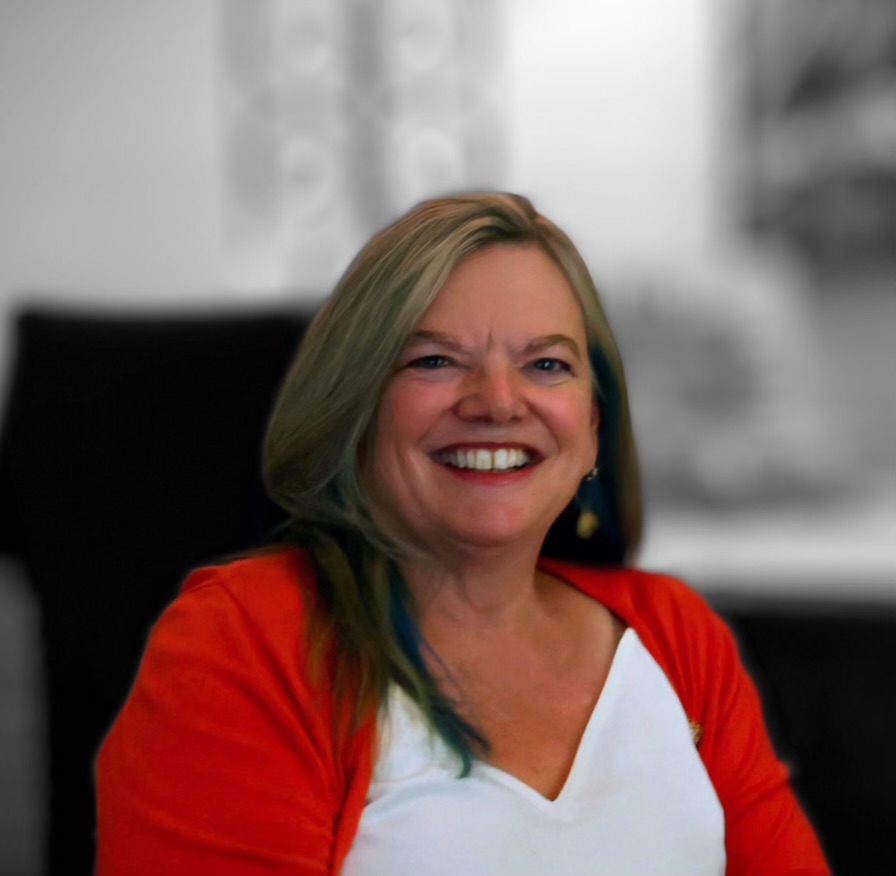
The only constant in life is change – so after a year of multiple doozies, Melora Fern moved from Texas to North Carolina to become herself. Growing up as the perpetual “new kid” she persevered by making up stories and recently has learned how to hone that skill into writing fiction. As a recovering CPA, she now counts seashells, colorful stones, or words discovered on her walks. She loves a good local gin, hiking, feeding songbirds, moonrises and joyfully sharing bites of your dinner. Her tonic is a daily belly laugh combined with mindfulness. Embracing new and old friends, undiscovered and favorite places, unique and familiar books, family, and all that comes with writing currently fills her days.
After eight years of perfecting her craft with writing classes, workshops, retreats, and an awe-inspiring critique group, Melora’s months of querying agents and small presses has paid off. She signed with Sibylline Press and Whistling Women and Crowing Hens came out May 2025!