RSS Feed

 Goodpods

 Apple Podcasts

 Spotify

 Amazon Music

 TuneIn

 iHeartRadio

 Pandora

 Podchaser

 Castbox

 Overcast

 Podcast Addict

 Castro

 PlayerFM

 YouTube
Key Takeaways
- Ben Oofana explains how early emotional wounds and childhood trauma significantly influence adult relationships, often leading to repeated destructive patterns or insecure attachment styles.
- Rather than suppressing or distracting yourself from heartbreak, deep healing requires facing emotions head-on, breathing deeply into physical sensations, and allowing the pain to process fully.
- Combining traditional healing practices—such as vision quests and meditation—with modern psychology and outside therapeutic interventions creates a comprehensive approach to overcoming relationship trauma.
- Many people carry unhealed emotional baggage trapped in their bodies as physical armoring, which ultimately diminishes their capacity to give and receive love.
- Developing emotional awareness, maintaining healthy boundaries, and staying present during conflict are vital steps toward breaking free from unhealthy relationship cycles.
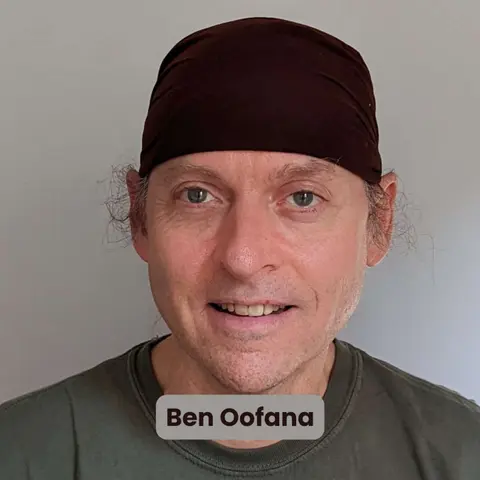
Why do painful relationship patterns keep repeating, even when we recognize them? Ben Oofana joins Rich Bennett to explore heartbreak, attachment wounds, and the difficult emotions that can follow a breakup, divorce, or being ghosted.
Ben is a meditation teacher, healing practitioner, and writer whose work draws on traditional Kiowa healing practices, Chinese internal martial arts, and decades of personal exploration. He shares how his own experiences of childhood abuse and unavailable partners led him to examine the patterns shaping his relationships.
In this episode of Conversations with Rich Bennett, we explore:
- How early emotional wounds can influence adult relationships.
- The difference Ben sees between distracting ourselves from pain and working through it.
- His approach to meditation, breathing, and emotional awareness.
- Why he emphasizes combining personal practices with outside support.
- The importance of boundaries and staying present during conflict.
Ben also reflects on vision quests in Oklahoma’s Wichita Mountains, teaching meditation, and how his experiences in Sri Lanka shaped his understanding of suffering and connection.
Explore Ben’s work:
Main Website
https://benoofana.com/
Meditation & Training
https://teachmetomeditate.com/
Heartache Hotline
https://heartachehotline.com/
Breakup First Aid
https://breakupfirstaid.com/
Heal My Heartache
https://healmyheartache.com/
YouTube
https://www.youtube.com/@benoofana
Instagram
https://www.instagram.com/benoofana/
If this conversation resonates with you, share it with someone who may appreciate it, follow the podcast, and leave a review. Join the conversation by sharing your takeaway with Rich.
Rate & Review on Apple Podcasts
Follow the Conversations with Rich Bennett podcast on Social Media:
Facebook – Conversations with Rich Bennett
Facebook Group (Join the conversation) – Conversations with Rich Bennett podcast group | Facebook
Twitter – Conversations with Rich Bennett
Instagram – @conversationswithrichbennett
TikTok – CWRB (@conversationsrichbennett) | TikTok
Sponsors, Affiliates, and ways we pay the bills:
Hosted on Buzzsprout
SquadCast
Follow the Conversations with Rich Bennett podcast on Social Media:
Facebook – Conversations with Rich Bennett & Harford County Living
Facebook Group (Join the conversation) – Conversations with Rich Bennett podcast group | Facebook
Twitter – Conversations with Rich Bennett & Harford County Living
Instagram – Harford County Living
TikTok – Harford County Living
Sponsors, Affiliates, and ways we pay the bills:
Recorded at the Freedom Federal Credit Union Studios
Hosted on Buzzsprout
Rocketbook
SquadCast
Want to be a guest on Conversations with Rich Bennett? Send Rich Bennett a message on PodMatch, here: https://www.podmatch.com/hostdetailpreview/richbennett
Disclaimer: This post contains affiliate links. If you make a purchase, I may receive a commission at no extra cost to you.
If you’re interested in podcasting and are looking for equipment and services, here are some of the ones we use and recommend:
Podcast products we have used, use, and/or recommend
Buzzsprout - Let's get your podcast launched - Start for FREE




Frequently Asked Questions
Who is Ben Oofana?
Ben Oofana is a meditation teacher, healing practitioner, and writer who integrates traditional Kiowa healing practices, Chinese internal martial arts, and modern psychology to help people heal from heartbreak and attachment wounds.
How do childhood wounds affect adult relationships?
Unresolved childhood trauma and attachment wounds often lead to a pattern of reenactment, where adults subconsciously seek out unavailable or abusive partners who mirror their early emotional pain.
Why is it important to work directly through emotional pain instead of distracting yourself?
Distracting yourself or immediately jumping into a new relationship only suppresses the pain, allowing unmanaged emotions to remain trapped in the body and sabotage future relationship health.
What role do vision quests play in Ben Oofana's healing journey?
Ben Oofana has participated in traditional four-day vision quests in Oklahoma's Wichita Mountains since 1991, a practice that helps bring deeply buried trauma to the surface to be transformed.
00:00 - Opening
01:28 - Returning from Sri Lanka
03:39 - Traditional healing and Ben’s apprenticeship
08:03 - Digital overload and emotional avoidance
09:55 - Childhood wounds and adult attachment
12:23 - Taking responsibility for personal growth
14:23 - Ben’s approach to working with emotions
17:44 - Vision quests in the Wichita Mountains
20:35 - Martial arts and a lifelong commitment to growth
22:53 - Heartbreak, ghosting, and repeating relationship patterns
28:14 - Adapting practices to individual needs
32:51 - Outside support and therapeutic interventions
37:14 - Returning to the mountains
40:00 - Empathy and Ben’s experiences working with others
44:49 - Daily stress and emotional accumulation
50:32 - How Ben developed his walking meditation
57:49 - Rolfing and emotional awareness
59:54 - Building the capacity to stay present
01:02:25 - Responding to conflict without escalating it
01:06:00 - Attraction, connection, and respecting boundaries
01:17:47 - Teaching practices and discussing apprenticeship
01:24:17 - Where to connect with Ben
01:26:22 - Sri Lanka, conflict, and community
01:30:18 - Writing, articles, and closing conversation
Wendy & Rich 0:01
Coming to you from the Freedom Federal Credit Union Studios, Hartford County Living presents conversations with Rich Bennett.
What's going on here? Have a show off! (Laughter) I never planned what. How would you like to... I was trying to do something like that, but I can't... Just don't, just don't... No, no, no, it's not. Who is?
Rich Bennett 0:28
What happens when heartbreak becomes more than pain and instead becomes an invitation to heel wounds beneath it? Ben Oofana's journey began at 17 in Akawa community in southwestern Oklahoma, where he apprenticed with traditional doctor Horis Daokai and undertook for day vision quest in the which it all mountains. Years later, after recognizing how childhood trauma was shaped in his own destructive relationships, Ben began combining those ancient healing practices with intensive meditation, modern psychology, neuroscience, and decades of training in Chinese internal arts. Today, Ben helps people heal from heartbreak, attachment wounds, and the unhealthy relationship patterns that keep repeating throughout their lives. How's it going, Ben?
Ben Oofana 1:28
Oh, pretty intense, as I mentioned before. I just returned from Sri Lanka not too long ago, so I'm dealing with a rather pernicious.
Rich Bennett 1:37
How
Ben Oofana 1:37
over?
Rich Bennett 1:37
long were you Before?
Ben Oofana 1:39
Amongst this time.
Rich Bennett 1:41
Wow.
Ben Oofana 1:41
Sri Lanka is where I feel almost at home, actually, so
Rich Bennett 1:46
Beautiful,
Ben Oofana 1:47
it's
Rich Bennett 1:47
but...
Ben Oofana 1:47
just... When you're in, developing nations, and I don't know the traditional medicinal herbs, and
I have some very significant relationships there.
Rich Bennett 2:03
Right.
Ben Oofana 2:04
And it was a very intense time. I needed to go. It was so important that I went when I did
Rich Bennett 2:14
Yeah.
Ben Oofana 2:15
because I needed to be there, but at the same time.
There was a way in which there wasn't quite as much, see, the person I'm most connected with for instance is in going...is in school,
Rich Bennett 2:41
and, by
Ben Oofana 2:44
training
towards the goal is to go into medicine, and so has much of her resources tied up right
Rich Bennett 2:55
Okay.
Ben Oofana 2:55
now. The load on her. So, there was that, and another close friend as well, you know, it's like had so much going on. So I was my own a lot more time and there wasn't as much connection with other people because
Rich Bennett 3:13
on
Ben Oofana 3:13
I was a bit more isolated because of that, and so I wasn't getting out as much, so yeah, that's kinda what I'm dealing
Rich Bennett 3:22
now.
Ben Oofana 3:23
with
Rich Bennett 3:23
Often
Ben Oofana 3:23
right
Rich Bennett 3:23
do you go over there?
Ben Oofana 3:29
If I can, I like to go twice a year.
Rich Bennett 3:32
Wow.
Ben Oofana 3:33
Sometimes there's longer gaps, you know, but I go whenever I can go.
Rich Bennett 3:38
Right.
Ben Oofana 3:39
And hopefully over time that will increase, you know, the...if not necessarily the frequency, the duration of time that I spend there. And especially, so much has changed in a world. It's years ago, when I was starting my practice, I would show up in person now, to all kinds of events or groups, and that's actually where I'm most effective working in that group context as opposed to working, you know, to say doing YouTube videos or something like that because the having trained with a traditional Native American doctor and what happens is when you go through that apprenticeship, usually these doctors towards the end of their life, you know, they carry these gifts, these transmissions that the Native people refer to as medicine. And these doctors possessed...they worked with specific kinds of forces or powers, and they were known for having their areas of specialization. Like, some of them would work primarily with digestive or, say, neurological disorders. but cause some of the tribes were so warlike, which is one of the downsides of that culture.
Rich Bennett 5:16
I would think so.
Ben Oofana 5:18
Yeah, they were, they were pretty brutal. I mean, some of the tribes, uh, literally, they massacre each other. And it, that was part of what led to the demise. You know, I mean, the, the largest, uhm, the greatest factor in their demise was their lack of resistance to infectious diseases like that the Europeans brought over like smallpox
Rich Bennett 5:39
and cholera. Right.
Ben Oofana 5:41
And
that just wiped out millions, millions, you know, from North Central and South America, but, you know, the warfare of the significant toll. But there were some of the doctors that possessed this ability that they could literally extract the projectile, bullet or arrow, and then they had the power, that ability that could seal the open wound. And I watched my mentor do that, on one occasion. Uhm, in this case, the leg was badly swollen.
Rich Bennett 6:15
Right.
Ben Oofana 6:16
He sealed the wound partially in that instance, and he had the person come back later to, you know, doing it in installments. He wanted the leg to drain further instead of sealing it completely. But there was a visible difference. Now, in my case when I, you mentioned being stung by a wasp when we
Rich Bennett 6:39
Integrated
Ben Oofana 6:39
were talking.
Rich Bennett 6:40
right. Yeah.
Ben Oofana 6:42
Well, when I got stung and I'm allergic to them,
Rich Bennett 6:45
he
Ben Oofana 6:45
put his hand on my wrist after that happened. And my wrist went down to normal size.
Rich Bennett 6:51
Get out.
Ben Oofana 6:52
Look, that swelling into his own wrist. His own wrist puffed up as he takes that swelling in. And then in about like 30, 40 minutes, it might have been longer, but it wasn't that long. He just paid it out of his own wrist. And there is, uh, there were accounts, yeah, it's not just among Native Americans. It's in some of these other ancient traditional and also indigenous cultures.
Rich Bennett 7:20
Yeah.
Ben Oofana 7:22
There was a numerous accounts say there's a, uh, he's considered a saint in India, a Shirdi Si Baba. And there were lots of accounts of remember one account where some I think it was a child that was severely burned in. So he, he took that pain and that suffering of the child into his own body in order for the child to recover. So a lot of these things are within our modern day world,
Rich Bennett 8:02
right.
Ben Oofana 8:03
We're so far removed from a lot of these kinds of experiences. And, you know, we enjoy the all these conveniences of modern day life, the technologies and, and our devices and we
Rich Bennett 8:23
yeah,
Ben Oofana 8:23
spend a lot of time in this consumption mode of digital media, but, you know, as human beings, we have a limited processing capacity. And so when we are ingesting all this content, you know, we're constantly scrolling on our feeds. And especially all this short term content. And we're jumping from one thing to another to another to another. And even like if you know, we're both further along in years,
Rich Bennett 8:59
right.
Ben Oofana 8:59
lot of the population. So going back to our youth and you compare the media at that time,
Rich Bennett 9:06
A
Ben Oofana 9:07
and, and you compare it to what's now
Rich Bennett 9:10
what we have now. We didn't have 24 seven
Ben Oofana 9:12
levels. We didn't have it. And also the, um, the intensity that level of stimulus was nothing near or close to what we have now. If we watch or listen to movies or the news or whatever,
from that era, those years, it could seem rather boring.
Rich Bennett 9:35
oh yeah,
Ben Oofana 9:36
And they, they ratchet this stimulus up because we have this short attention span. And, and it takes a lot to hold our attention. And, you know, with all these graphics and sound effects and all that and this other toxic convoluted drama plays out, our politics, for sure.
Rich Bennett 9:55
Oh yeah.
Ben Oofana 9:55
And the whole influencer culture and all that. And our bodies, our brains are not really equipped to process that. And, and it, that applies across the board. You know, a lot of us are dealing with all kinds of issues. We carry child trauma. And so, especially like if, if we experienced abandonment, um, rejection from apparent neglect,
Rich Bennett 10:23
Hmm-hmm.
Ben Oofana 10:25
Physical, emotional, childhood, sexual, abuse, verbal abuse. All these things, and we eternalize that. And we carry that forward, and a lot of that shows up in terms of our emotional wounding, attachment wounds, that form. So those who are struggling with, especially, insecure forms of attachment, uh, avoidant attachment.
Yeah, it's, A lot of that is because we carry this wounding,
Rich Bennett 10:58
yeah.
Ben Oofana 10:58
and it's left these profound imprints inside of us. And then, you know, I recently posted an article, for instance, uh, talking about the vibes we're giving off. And for instance, we carry that wounding, and, again, from the mistreatment, and even saying that, I, I do feel the majority of parents are doing the best they know how to do,
Rich Bennett 11:29
Trying
Ben Oofana 11:29
but
Rich Bennett 11:29
to,
Ben Oofana 11:29
they too- Yep. Yeah, they're carrying their own wounding from their own
Rich Bennett 11:34
yep.
Ben Oofana 11:35
parenting and whatever else they went through, that they didn't have how to deal with
Rich Bennett 11:39
Now, and
Ben Oofana 11:40
them. And in the-
Rich Bennett 11:41
parenting is hard too.
Ben Oofana 11:43
Yeah, yeah, it is. It's, it's hard enough to take care of yourself. But
Rich Bennett 11:48
respond-
Ben Oofana 11:48
when you
Rich Bennett 11:48
Yep.
Ben Oofana 11:49
We're another human being with their needs, and you're overwhelmed with what you're dealing with.
Rich Bennett 11:54
Yep.
Ben Oofana 11:54
And, and you don't have any resources or real support, and in generations past, they didn't really talk about a lot of these issues openly. And
Rich Bennett 12:03
Yeah.
Ben Oofana 12:04
so people were just kind of left on their own, and just kind of flying blind. They were flailing. And so, um, I- I think we need to, I don't- I don't know if it's the best way, but, you know, well, we do need to take that into consideration.
Rich Bennett 12:22
Absolutely.
Ben Oofana 12:23
You know, with our parents as well. And- And regardless of what we went through, ultimately, we do have the responsibility as we grow into adults. And to acknowledge what's happened
and, you know, be realistic about, okay, you know, here's what I grew up with. Here's what actually occurred. I acknowledge how it's affecting us. And then, okay, well, I can't undo what happened, you know,
Rich Bennett 12:56
Right.
Ben Oofana 12:57
it's like, as though it never happened. But I can work with this constructively.
Rich Bennett 13:03
Yeah.
Ben Oofana 13:03
And a way to heal and transform this. So, I can't show up more fully present. So, that, um,
I am more capable of loving and being loved. And I know myself, like, having suffered a lot of physical and emotional abuse and the way that I was affected by that. And I found myself forming attachments to women who were often, uh, dissenters did, or unavailable, uh, few were quite abusive. And, and there was this pattern of reenactment, which was, uh, reinforcing the wounds. It was,
Rich Bennett 13:44
yeah.
Ben Oofana 13:45
Deepening them. In many respects, it was evoking a lot of the same emotions. And, and one of the same mistakes that many of us make and, and much of it stems from the fact that we were never taught how to work effectively with our
Rich Bennett 14:05
the,
Ben Oofana 14:05
emotions.
Rich Bennett 14:06
yeah,
Ben Oofana 14:06
It's a big part of what I do as I work with people. It's not all. There's a lot more, but a big part of what I do is I teach people practices where they're working effectively with the emotions.
Rich Bennett 14:22
specifically,
Ben Oofana 14:23
For instance, like, if you're going through this toxic relational drama, are this cycle of reenactment, for instance, when you could acknowledge what's happening. And sometimes it may involve bringing that person to the forefront of your awareness.
Rich Bennett 14:39
Right.
Ben Oofana 14:40
Um, are the circumstances that are playing out? Are the combination, the person and the circumstances. And, and then what are you feeling in response to it? Sadness, grief, uncertainty, fear of abandonment, loss, whatever. And that's just a small range of the spectrum of emotion. But you bring it fully into your awareness and notice where these feelings and bodily sensations are situated that are arising.
Rich Bennett 15:11
Right.
Ben Oofana 15:12
And you bring this much awareness as you possibly can to what you're feeling, and you dive into the depths of it, and you breathe in very softly, very deeply, and you're following the feelings and sensations as they go through their progression. You're not trying to, to breathe them out or send them away. You're not doing some cosmic, sending white light or
Rich Bennett 15:34
that.
Ben Oofana 15:34
something like
Rich Bennett 15:34
Right.
Ben Oofana 15:35
You're just letting them be what they are, because when you could just acknowledge
Rich Bennett 15:40
face them head on.
Ben Oofana 15:41
Oh, you feel. Yeah. It's any stave with it. And it could take time when I first started doing this. The pain was excruciating.
Rich Bennett 15:50
Yeah.
Ben Oofana 15:50
And sometimes I would be doing this for hours on end. But at a certain point, I could feel the pain breaking open and coming out of my body and waves. And then I would feel these emanations of warmth beginning to emerge from within. And that began the process, like I could I started to feel the unhealthy attachments dissolving.
Rich Bennett 16:13
Wow.
Ben Oofana 16:15
Now, fortunately, as I progressed, the pain wasn't always so excruciating
Rich Bennett 16:20
it. Right.
Ben Oofana 16:21
Sometimes there was
upset, you know, because someone didn't get back to me
Rich Bennett 16:29
maybe
Ben Oofana 16:29
or because of relationship just didn't quite work out, but I would work through it. And I would come to terms with it. I would get to more of a place of acceptance. And what also found is critically important to that,
we need to be incorporating the most effective therapeutic interventions in addition.
One of the things I notice is that. And I'm going to come back to therapeutic interventions.
Rich Bennett 17:03
Right.
Ben Oofana 17:03
It's very important, but as it's not continued to progress in my own healing, my the quality of my relationships were improving.
Rich Bennett 17:17
You're improving?
Ben Oofana 17:18
Yeah, I'm getting into a better place.
Rich Bennett 17:21
Yeah.
Ben Oofana 17:21
And so I was forming attachments to and getting into relationships with women who were a better match and healthier and more nourishing, nurturing just better companion of that. And it's been the song going the evolution over time.
Rich Bennett 17:43
Right.
Ben Oofana 17:44
And the fact, you know, the training, the going through the vision quest for instance, my mentor introduced me to that the four days and nights alone in the mountains, no food and water. And that is so intense. There are times during the vision quest, I'll feel this presence descend into my body. And that's the Native Americans. They would talk about that. We
Rich Bennett 18:08
Yeah.
Ben Oofana 18:08
these other forces would come to you and some people who get scared and run would freak out that native elders would say, no, it's it can be intense, but whatever comes you stay there.
Rich Bennett 18:20
stay
Ben Oofana 18:20
You don't
Rich Bennett 18:20
there with
Ben Oofana 18:20
run, you stay. And I would feel that presence come into my body just literally just into my body. And it could be like in your death experience at times. It'd be like the traumas, even going back to early childhood with resurfaced events that can completely forgotten about at times. And it'd be all flooding back all the vivid memories and sensory impressions. It's coming back. I'm reliving it and and other experiences. Maybe I had some vague recollection.
Rich Bennett 18:55
And you're not out there with anybody, right? At this time.
Ben Oofana 18:58
Yeah. I'm all alone
Rich Bennett 19:00
that.
Ben Oofana 19:00
on
Rich Bennett 19:00
Wow.
Ben Oofana 19:00
top of Yeah. At Wichita mountains in Oklahoma. And and there would be like more current events, adversity and yeah, stressful realities are set to.
Rich Bennett 19:12
Right.
Ben Oofana 19:12
So dealing with and so I would feel that come up and and a lot of times we go through these adverse events or trauma and we're in this we're just struggling to get through it. And I don't think we fully register the extent of all the emotion that
that is being triggered at a deep level because when I'm on the mountain, what would happen is those emotions would
come to the surface and they would be so much stronger than what I normally experience them. But what I'd find is it would be cycling it through me like this presence would be working within me to digest what I was carrying. And and as that would happen as it's happening, I could feel this these deeply wounded parts of me being transformed and I could also feel this new foundation taking shape. And yeah. And so you know, I've been going back to the Wichita mountains like clockwork and the spring and fall since 1991
Rich Bennett 20:30
you all 91.
Ben Oofana 20:32
Yeah, you all can do
Rich Bennett 20:33
this. Wow.
Ben Oofana 20:35
And so, going over and over and over, there's this deepening that. And when you train with the Native American doctor and you would see these doctors among the tribes, and the really powerful doctors would go over and over and over again through the vision class, the sun dance, these practices, a lot of them developed these extraordinary capabilities, even into what would be described as paranormal abilities. And then at the top of that I spent 17 years training in the internal martial arts like Shangyi Kuan, Ba Guazong, Tai Chi, and Chi Gong how they're roots in Taoism. And these individuals who attain mastery, they do hours of intensive daily practice. So they're continually building that foundation. It's very hardcore discipline. And so that so inspired me that I just threw myself into this. Like the earlier stages were much more about killing the deep emotional wounds, the trauma, because I was so incapacitated by it. But over time, more and more that wounding that trauma is, it was healing, is I was getting lighter. I was becoming more resourceful, more resilient, more capable. But having these models from the traditional Native American doctors, from the training in these Taoist internal martial arts and any of this, and also my experiences like being in India and Sri Lanka, interacting with people like Satu's, these aesthetics. What they refer to is that they do all this internal discipline. They develop these extraordinary capacities and other adapts in the Hindu Vedic tradition. So that inspired me so much as like, hey, how far can I go?
Rich Bennett 22:53
Right.
Ben Oofana 22:53
It's like how much more. And so what happens is like when we embrace or suffering, for instance, what thing I teach people to do. And one of the things like for 11 years or so, I was teaching classes on a weekly basis in New York City. And every other week, I would head up to some of those Massachusetts, subast 然 area. And I would be teaching classes there. I'd have people showing up week after week. And, and I would see this over and over like,
you know, if you get into a relationship, maybe you date one a few times, then you want that attached to the person and didn't quite work out and you realize, you weren't really that good a match. Maybe you're even relieved, you're glad to be free of them and stuff.
Rich Bennett 23:55
attached
Ben Oofana 23:55
But if
Rich Bennett 23:55
to
Ben Oofana 23:55
you were really that person, yeah, if you had this strong attachment, you really wanted it to work out and you were seeing them for a while and they just ghosted you.
Rich Bennett 24:06
Oh, yes.
Ben Oofana 24:07
You were in a relationship with them and, and you know, whatever reason, they just broke it off, you know, were it? You were married to them or in a long-term relationship and they were outbinding somebody else,
Rich Bennett 24:23
Yep.
Ben Oofana 24:23
or
they, you know, they dump you all the way to
Rich Bennett 24:29
happened.
Ben Oofana 24:30
what Yeah. And if we get into this really destructive relationships with somebody, you know, this cluster B personality types, you know, like these narcissistic, Machiavellian, you know, even borderline tendencies all that, you know, who just, they just go in and they devour your soul from within, you know, they're on a search and destroy mission. And so I'd
Rich Bennett 24:59
to
Ben Oofana 24:59
have come into my classes on a weekly basis. And what I found is that the vast majority of people that would come into my classes, whether it was, whether they were in the midst of it or even weeks or monsters, sometimes even years after it, I found that the vast majority of people on their own were not thoroughly healing these deep emotional wounds. Like a lot of times, we go through these lived experiences,
Rich Bennett 25:33
all
Ben Oofana 25:34
this relational drama, and time will pass and there will be a dulling of the pain. But the diminishment of the pain, the dulling, the lessening. What happens is a lot of times is that, that emotion over time, it moves from that acute stage,
and it just settles into the body. And we carry it. I see a lot of people as time moves on, and they're carrying a lot of, uh, what they haven't digested, it remains trapped in their bodies. And, and I'll see this armoring that forms around their heart down into their abdomen as well, and it diminishes much of their capacity to love and be loved.
Rich Bennett 26:33
Yeah.
Ben Oofana 26:34
There's also this dynamic that when we experience this emotional wounding, this repetition compulsion, it's like part of a psyche really wants to heal to resolve these wounds, and, and so we attempt, or this part of us is attempting, it will, to find resolution will steer us toward individuals into subsequent relationships, and so often there's this pattern of reenactment that inside. And, and we get into a relationship with an individual who does 'yes'. A lot of the same things are very similar things, and it evokes a lot of the same kinds of emotions. And because, again, this is where we get into and we tend to deny, distract, we suppress our emotions, we don't want to go there, we don't
Rich Bennett 27:33
hmm,
Ben Oofana 27:33
want, hmm, we go on tender, and we go hook up with someone else. That phrase was to get over someone, you get under someone or something like that, or maybe you could reverse it or something.
Rich Bennett 27:47
I
Ben Oofana 27:47
don't know. But, we're not really doing the deep level processing. And a lot of that is because most people have never learned to work effectively with their emotions. Now, I found that, like I was developing this series of practices, and it's critically important. I teach nearly everyone these practices that I work.
Rich Bennett 28:13
Okay.
Ben Oofana 28:14
No matter what they're dealing with, you know, what kind of condition they're experiencing. Having trained from a traditional Native American doctor, I'm also working with people
for instance, suffering from digestive disorders
Rich Bennett 28:31
Right.
Ben Oofana 28:31
such as IBS, and ulcerative colitis, which responds very well to my work. People injured in autumn will be of accidents. Even traumatic brain injuries, it's slower and more tedious, but to me that's some of the most gratifying work and people with suffered strokes seeing them regain capacity
Rich Bennett 28:53
to. Yeah.
Ben Oofana 28:56
But
the practices will be a bit different, and sometimes, too. You could have someone who suffered, you know, they're up in their 40s or 50s or 60s, they suffer a stroke. Maybe they're dealing with some other catastrophic illness, such as cancer. But what will happen is a thought of all the baggage, you know, decades of all the emotional
Rich Bennett 29:23
Yes.
Ben Oofana 29:23
Backlog they haven't dealt with. When the body is in that kind of crises from such severe debilitating illness, the defense mechanisms that all held it in place, they come down and all. So you're dealing with simultaneously the physical pathology, and at the same time, there's like all that overwhelming
Rich Bennett 29:47
emotion. Right.
Ben Oofana 29:48
Together, so when I work with these individuals with a huge must to clean up, it's
Rich Bennett 29:54
Oh,
Ben Oofana 29:55
like,
Rich Bennett 29:55
I bet.
Ben Oofana 29:55
I know, I'm all friends there. But, um, but again, I would have these people show up in my classes, and they don't know how to work with their emotions. So a big part of the emphasis is like, First thing, I'm teaching them how to get in. You're going through, you got dumped, you know, ghosted. You're struggling with this partner. He's just like, really abusive in whatever way, verbally, maybe even sometimes physically or
Rich Bennett 30:28
Yeah.
Ben Oofana 30:28
whatever. They're in fidelity. And so, as I have them work with their emotions, it helps them to gain more of that mental clarity, as they're digesting their lived experiences and emotions, their gaining perspective, and it's starting to dissolve the unhealthy attachments.
Rich Bennett 30:50
Right.
Ben Oofana 30:50
it's
like, okay, how do I move, you know, how do I progress with this, uh, whether it's, you know, if they're in the toxic relationship, which I've had many individuals as I work with over time, uh, and I've seen people do this quick even within one or a few sessions. I've seen people move through, you know, work or move out
Rich Bennett 31:19
a,
Ben Oofana 31:19
of
Rich Bennett 31:20
yeah,
Ben Oofana 31:20
use the relationship and, uh, really quickly. And that's going to depend on the individual because the wounding, yeah, and also the extent of the emotional wounding, the trauma,
Rich Bennett 31:36
hmm,
Ben Oofana 31:36
can run so deeply with some individuals and if you have an individual that has
greater foundation, let's say
Rich Bennett 31:47
a
Ben Oofana 31:47
if there was, if the parenting was, they were loved and they were nurtured, truly cared for by their parents or primary caregivers, that provides a greater foundation, but if that abuse started early, and then, you know, layered on the subsequent, you know, the cycles of reenactment.
Rich Bennett 32:13
Right.
Ben Oofana 32:14
And, and they were repeating that, you know, through successive relationships, the wounding can be considerably deeper and so, in that case, it can take a bit longer, you know, it's why I have to vary my approach with each individual, but what I find is that, you know, you start people working with these practices. In addition, like we need to be realistic, there are limitations, all of us have to, when it comes to our body and mind's innate healing intelligence.
Rich Bennett 32:49
Yeah.
Ben Oofana 32:51
Even my mentor, to this day, and I've seen interacted with healers from different parts of the world, from different traditions, a number of extraordinarily powerful, but my mentor is gifted as he was, there were times where he would have some of the other native doctors as a system.
Rich Bennett 33:13
Yeah.
Ben Oofana 33:13
And so we all have these limitations, we all need these interventions. I began to experiment, you know, explore these different therapeutic interventions deep to she bodywork, acupuncture,
and a lot more, you know, homeopathic medicine. The body work, for instance, I found that was very helpful because it helped to
bring a lot of the emotion to the surface. A lot of us are living in varying degrees of dissociation, we're not fully connected to our bodies. And there's, we live in our heads so much, and when all this emotion is stored within the body and we're disconnected, we're up in our heads. And a lot of that emotion, it's driving us.
Rich Bennett 34:13
Yes, it
Ben Oofana 34:13
Conscious
Rich Bennett 34:13
is.
Ben Oofana 34:14
mind is thinking one way, and down there in the subconscious mind, have these powerful emotions that are acting like drivers,
Rich Bennett 34:23
we
Ben Oofana 34:23
and there are thought processes that are operating outside of our conscious all of this is like steering us. But are that conscious mind that, you know, that we're most aware of, that's only a very small part of our overall brain capacity. There's all these other levels of activity. And so what I found is when I could do the bodywork and it brought these emotions to the surface, then I can work with them.
Rich Bennett 34:56
Okay.
Ben Oofana 34:57
Once they came into my awareness, so that was one of the many interventions that I've worked with. And one of the things like, for instance, Each individual I work with, like people call me from all over the world. And so like when people call me, I'm always taking into account, like okay, where does this person live? And what resources are available to
Rich Bennett 35:25
Right.
Ben Oofana 35:25
this individual? And even if I have to go online and, you know, start digging, like okay,
what can this person do in this part of the world? You know, like, in Nigeria, for instance,
in Nigeria as well, you have some of the traditional healing practices
Rich Bennett 35:47
right.
Ben Oofana 35:47
They're comfortable to what the Native Americans and other indigenous peoples do. You know, so there's that. There's other practices now. And, in India, for instance, you know, Ayurveda is much more prevalent. and Arjevato will... it helps to... facilitate this stabilization. Physiologically, because say if you're going through a breakup or divorce, some other really painful relational drama, it can throw your brain's biochemistry way out of a culture or a hormonal bout as well as neurotransmitter and so on. Your body's in this state of shock. It's going through this trauma response. And so when you restore the body into more of a state of physiological balance, then it's going to help you. Now, some people make the mistake, though, whether it's based on you, or maybe in microbiotic, it can just address everything through dietary. A lot of people all over the place want to bypass the emotional realm and there's no substitute
Rich Bennett 37:13
for the
Ben Oofana 37:14
deep level processing of our lift experiences and our emotional responses to what we're going through or have gone through.
Yeah, yeah. The most powerful of all of the interventions I've experienced were when I was in my twenties, there were some very powerful, very gifted healers I had the opportunity to work with. The most powerful during that time, one being from the Philippines, another being from Brazil. And what I found is that
I could feel during those seven weeks. During those sessions that it was taking the deeply wounded parts in me, and it was starting to
transform those parts heal and transform those parts. And the beginning of the building that new foundation, the problem is they're very few people working on this level in our president age. And so
it was at 31 I started feeling that pool like, hey, these Native American doctors, the way they became so profoundly gifted was going through the vision quest. I need to get my ass back to the wish Tom mountains and I need to continue to
you know, in my training to
Rich Bennett 38:40
yeah,
Ben Oofana 38:40
you know, I had this hunger like I had that wandering alone in the desert phase for good part of my twenties. But but there is that pool like something deep inside of me was pull me back. I just had no idea when I would get on the mountains. First I was thinking, hey, I'll be like my mentor develop that those extraordinary capacities. And yeah, that happened, you know, but and that's still happening, but what I didn't know or didn't realize that a big part of going to the vision quest would be that presence going within my body. And going through what would be like a neerdeth experience and would be I could feel it healing and transforming those wounded those traumatized parts in me and that new foundation developing. And then this is that was happening. Then I could feel myself transforming as an individual becoming more present becoming more embodied. And I've seen that working with people individually like, you know, I've had this fascination with
I mean, it's pretty broad actually, you know, just I see how people suffer,
Rich Bennett 39:59
yeah.
Ben Oofana 40:00
whether it's anxiety or depression,
however, they're wounded emotionally. I doing this work has made me incredibly empathic. It's very challenging. And you're packed into an
Rich Bennett 40:18
airplane. And
Ben Oofana 40:19
you know, like the airplane, the airlines, their model is like how many people can we squeeze into these planes? The seats are shrunk a bit, the rows are pushed as close as they can possibly get away with pushing them. And when you have that person right in front of you thinks it's they're living a room and lean the seat all the way back in their heads right in your face. And you want to choke the living.
Rich Bennett 40:46
Nope.
Ben Oofana 40:47
You can't say that word on the air. So that makes it challenging. But what happens is like, like I'd be in classes or I could just be out on the street talking with people and being that empathic. I feel what people
Rich Bennett 41:07
Oh,
Ben Oofana 41:07
are.
Rich Bennett 41:07
yeah,
Ben Oofana 41:09
you know, and especially like for person is standing right in front of me and I'm scanning their body like. ... how ho my hand in front of their body, and I feel their emotional states, the specific emotions are going through, I feel the actual events that are the lived experiences like, uhm, now if they, if they lost their job and they're overwhelmed with like, how am I going to survive?
Rich Bennett 41:46
Yeah.
Ben Oofana 41:48
Yeah, you know, it's like they're, there's savings are, running out and how am I coming up with rent? Our, you know, if they're, uh, their partner or a farmer partner, you know, if there is infidelity or if they were ghosted or whatever kind of relational drama they've gone through, it's like, I'm feeling that, I feel...
Rich Bennett 42:12
Yeah.
Ben Oofana 42:13
Feel it through my hands, then I feel it internally in my body, and I close my eyes as I'm doing that, and I get this internal picture, that corresponds with what I'm feeling, and I'm very careful with that, you know, because...
Rich Bennett 42:28
It could be.
Ben Oofana 42:29
Yeah, it's, 'cause there's, there's always the possibility of error. So when I, when I'm doing that with people, I'll go like, uhm, look, this is what I'm seeing and feeling, but does, how does this correspond with your experience, and, and, and if I'm mistaken as like, you know, I acknowledge it, whatever,
Rich Bennett 42:53
right,
Ben Oofana 42:54
but vast majority of times people are like, yeah, that's, that's what's going on, or they may correct me a rule, but, but I, for the most part, people are like, you know, like, amaze that, I can see that, and, and especially when I'd be doing these weekly classes in New York and Boston, that's, that's how I got most of my work is.
Rich Bennett 43:19
It's probably
Ben Oofana 43:19
stupidity. People
Rich Bennett 43:20
all the
Ben Oofana 43:20
with joking class. yeah. Yeah, well, it's like, you know, if they sat in class, it'd be one thing, I'd walk them through the process, you know, the practices, but within at the end when I would stand their bodies, and I would, you see, and I would be relating this stuff, and then I'd pick up on all these details, and they're like, damn, how do you see this? And, it's like, well, you know, it's, when you, when you, what happens is, the more, and especially, there, there are ways like if you carry this profoundly deep emotional wounding, trauma is, is, I did, and when you go to the links of, you know, you go to what it takes to, to truly heal and
Rich Bennett 44:03
Yeah,
Ben Oofana 44:04
transform that degree of emotional wounding. Then what happens is, it enables you to utilize parts of your brain, your mind, your body, and all.
Because there's so much numbing, there's so much desensitization that takes place from everything. You know, the denial, the distracting, the overstimulation, the foods we eat, you know.
Rich Bennett 44:36
Oh, yes.
Ben Oofana 44:37
Shigger. The processed foods, heavily processed foods, the chemical additives. And, you know, and so that's an important part of healing too, you know, cleaning up your diet.
Rich Bennett 44:48
Yes.
Ben Oofana 44:49
And so,
but, you know, so, you know, reinterrating again to truly heal and transform this wounding is that combination like, you know, there's the practice. You know, working, we need practices to enable us to instead of not dealing with our emotions, varying them, distracting ourselves, suppressing, yeah, work with them effectively, we can work to, thoroughly digest what
Rich Bennett 45:26
yes,
Ben Oofana 45:26
we're carrying. That's so critically important, and not just for the big trauma as well. We go through stress on a day,
Rich Bennett 45:35
oh,
Ben Oofana 45:36
cheerfulness,
Rich Bennett 45:38
100%,
Ben Oofana 45:40
work-related stress, you know, a lot of us are, you know, doing jobs, you know, that
Rich Bennett 45:45
doing well.
Ben Oofana 45:45
we're
Rich Bennett 45:45
Driving,
Ben Oofana 45:45
not you know, even if you're doing the work you love, you deal
Rich Bennett 45:51
kinds
Ben Oofana 45:51
with all
Rich Bennett 45:51
of still deal with the stress.
Ben Oofana 45:53
Yeah, you got people being flaky sometimes and, um, it just could be
Rich Bennett 46:02
frustration.
Ben Oofana 46:02
headaches or
Rich Bennett 46:03
Yeah,
Ben Oofana 46:04
in
Rich Bennett 46:04
it's
Ben Oofana 46:04
different ways and started,
Rich Bennett 46:06
not getting
Ben Oofana 46:06
even a few
Rich Bennett 46:07
time and there's so many things.
Ben Oofana 46:10
Yeah, yeah, and, you know, just, and so a lot of the day-to-day stresses that we deal with, and, you know, now we have the war, you know, with Iran,
Rich Bennett 46:23
yeah.
Ben Oofana 46:23
and we don't know how that's going to play out. At two, the level of uncertainty many of us are dealing with. It means rising fuel prices, gas and diesel, which translates into higher grocery prices, higher-- if you have to fly, the plane tickets will cost more if-- Housing, all kinds of things. And
Rich Bennett 46:52
Yeah.
Ben Oofana 46:52
we have the way things are set up. It's many of us.
We lost either the quality of our health care. We had to take lower
Rich Bennett 47:04
plans. Yup.
Ben Oofana 47:05
Plans
with less care. And we're paying like three times as much money. And a lot of people lost their health care altogether. So we face all these realities. And that evokes all kinds of emotion.
Rich Bennett 47:23
Yeah.
Ben Oofana 47:23
And so there's that. And whatever is going on in our personal life are attempt to have a personal life. Yeah, a lot of us are more isolated than ever before. So all these areas of our lives. And so you think about what we go through in one day's time. And you multiply that by all the days, weeks, months, years. And when we're not working effectively with our emotions, there's this cumulative effect. It just
Rich Bennett 47:54
builds. Builds up.
Ben Oofana 47:55
Builds. It keeps accumulating. And that's the big part of the reason you see like-- Children, teens, young adults, and there's that spark. There's that
Rich Bennett 48:05
Yup.
Ben Oofana 48:06
brightness. There's that presence. Enthusiasm, that sense of possibility. And you watch as people age. And there's this heaviness that sets in. In this constriction. And it depends on the individual. There's
Rich Bennett 48:20
Yeah.
Ben Oofana 48:20
some people as they mature, as the years go by. They maintain that aliveness.
I take a lot of hits. And so I depend on these practices. The series of meditations I develop to chew it all up. But chew up that lived experiences and those emotions and digest it. And that keeps me fluid. It keeps me moving forward. That's why I teach these practices to other people too. But then too, we need the interventions.
Rich Bennett 48:53
Yes.
Ben Oofana 48:53
And again, that's going to depend on what interventions are available, like where do you live, what part of the world?
Rich Bennett 49:01
Mm-hmm.
Ben Oofana 49:02
And so when I talk with people, when people reach out, when they call me, then I'm going to take that into account. And it's like, OK, what can this individual work with? If someone happens to be in my-- --where I happen to reside.
Rich Bennett 49:22
Right.
Ben Oofana 49:22
And I move about different parts of the world, in New York City, Kansas City. I've been in San
Rich Bennett 49:30
Sri
Ben Oofana 49:30
Francisco.
Rich Bennett 49:30
Lanka?
Ben Oofana 49:30
The Bay Area, Gordelline Idaho, Sri Lanka, definitely. And so if I'm in these areas, yeah, you can see me when I'm there. And some people travel to see me or something. But if they can't see me in person, then they could always call me. I can work with them. I can
Rich Bennett 49:51
These
Ben Oofana 49:51
teach-- practices over the phone, but the other thing, in addition to me teaching them the practices, I really want to get people working with the most effective intervention that are accessible to them in their particular locale. So whether they're-- I don't know, even if they're in the
Netherlands--
Rich Bennett 50:18
Yeah.
Ben Oofana 50:18
Saudi Arabia, or
Rich Bennett 50:20
Korea--
Ben Oofana 50:20
if they're
Rich Bennett 50:20
An
Ben Oofana 50:20
in
Rich Bennett 50:21
article.
Ben Oofana 50:22
Korea, or Japan. An article would probably be pretty difficult.
Rich Bennett 50:26
Yeah.
Ben Oofana 50:27
I don't know what's there. I mean, just
Rich Bennett 50:29
I think
Ben Oofana 50:30
are
Rich Bennett 50:30
Penguins--
Ben Oofana 50:32
there body workers, are there body workers, and are-- One of the things-- when I was going through the most difficult times, I was doing the walking meditation, which is, especially those who have suffered extensive trauma, the intensity of the extremes of the emotion that is held in their bodies. I mean, it could be some of what came out of me initially was excruciating. And so, during the worst of times in my middle-day 20s,
there was one night where-- I just couldn't stand it anymore. I
Rich Bennett 51:16
Yeah.
Ben Oofana 51:16
had gotten ghosted, and I was holed up in the apartment. And it was like, I just went out. And I just kind of fell into it. I just-- I've been doing the practice
Rich Bennett 51:30
Right.
Ben Oofana 51:31
sitting when the pain got excruciating. I'd be curled up on my side, even in fetal position, just breathing for hours into what broke open and came out of my body and waves and those emanations of warmth emerged. But what I found is that doing the walking meditation, a lot of that emotion that's bottled up and is to so overwhelming, that emotion is so congealed, and the body has a very hard time processing it.
And that's one of the reasons we need the intervention too to help us to do the process and we can't fully do one around. But at that time I had limited access to different interventions. I just didn't know enough about what was available. So late one evening, when I took off, and I dropped into that pain and I just fell into this rhythm where I was breathing
very softly, deeply into what I was feeling. But my... There's this flow or rhythm to the feeling and my breathing was matching that and then my walk was
following, you know, aligning to that pace or that flow of feeling and breathing. And so everything was coming into alignment. And what I found is that
there's an electromagnetic field around
different, whether it's the human body, animals, living beings, fish birds,
Rich Bennett 53:27
Everything.
Ben Oofana 53:27
whatever. Yeah. That has been measured. You know, I've been able to take like an amp, those amp meters, you know, and I could hold them in each hand and I can make that needle go up and down.
Rich Bennett 53:41
Really?
Ben Oofana 53:43
Wow. Yeah, it's kind of fun. It's funny to play with and I would do it in front of friends and they'd be looking at it. I'm like, wow, it's
Rich Bennett 53:51
I'm
Ben Oofana 53:51
weird.
Rich Bennett 53:51
gonna have to try that.
Ben Oofana 53:53
Yeah. But the Earth has its own electromagnetic presence, the field. And what I found is that the emotions that normally remain bottled up that were just contained in my body.
They began to spread out through my field,
you know, like I could feel them extending like, you know, five, six, eight, nine, ten feet around my body. And
Rich Bennett 54:32
like leave.
Ben Oofana 54:33
And they were
Rich Bennett 54:34
standing in front of your body. You're just like expanding.
Ben Oofana 54:37
They were
Rich Bennett 54:38
expanding. Oh wow.
Ben Oofana 54:39
And not only expanding, I could feel this circulation. Instead of just being so dense and so congealed. And in that dense congealed state, what happens is they reinforce
those painful, anxious, depressing, confused, overwhelming and this. Excruciating pain, all that. It's just, it stays stuck there and and used day stock.
Rich Bennett 55:15
Yeah.
Ben Oofana 55:15
But what I found is when I could go out with it and walk in and all that emotion was expanding out into my field, the space around me and it was circulating. And then that the Earth, the planet Earth's own electromagnetic, electromagnetic field, I can feel it like purifying or defusing the intensity of the emotions I was experiencing. And so that made all that intense emotion. And there was so much at that time in my life. There, you know, having lived through a lot of physical, emotional abuse, intense abuse. Times I wasn't quite sure I was going to physically survive on this planet. It was without going into all the graphic details, it was that bad at times. Yeah. And then the reenactment,
Rich Bennett 56:29
yeah,
Ben Oofana 56:30
I played out in my relationship. So there was a lot there. But for a couple of years, just day after day, you know, any day, I had some open free time, whether in the afternoon or evenings or late into the evenings, I went out walking, and dropping down into what I was feeling, breathing.
Rich Bennett 56:52
Yeah.
Ben Oofana 56:54
Softly, very, very softly, very subtly, slowly. Is deeply as I could all the way down to my abdomen, expanding my abdomen, and my ribcage, my chest cavity, pausing, exhaling slowly as I could pausing again. And, and that helped me to cycle through, a tremendous amount of what I was carrying. We need to combine both practice and intervention, you know, there is... I worked with the Rolfing Practitioner a couple of years ago, and, as I said, I'm always...
...moving forward with this
Rich Bennett 57:39
Yeah.
Ben Oofana 57:40
mindset of like, how far can I take this,
Rich Bennett 57:43
Which is
Ben Oofana 57:43
and...
Rich Bennett 57:43
good!
Ben Oofana 57:45
Yeah, we all carry residual.
Rich Bennett 57:48
Yeah.
Ben Oofana 57:49
And even when, you know, even having moved through so much trauma, there's residual pockets, there's also always deeper layering. And so, I'd always wanted to get to work with the Rolfer, and here's this opportunity that popped up, that's like, "I'm jumping at it," and so... I was doing the sessions with him, and he would comment on how much more responsive my body was, and, and I told him how I would be working, like he would do the sessions, and a lot of emotion would come to the surface afterwards. It could be very disconcerting at time.
Rich Bennett 58:34
Yeah.
Ben Oofana 58:35
And the Rolfing has a way of getting in and accessing a lot of other emotions that say, conventional, deep tissue body work will miss, because there are ways in which they're stretching out, opening up your body, they're re-aligning your body. And so, these emotions would flood me afterwards, and it's like, wow, it's here. This is... it's available now. If I don't get it right now, it's... I'm going to miss it, and dive into it. And so, whenever emotions get triggered, whenever emotions make their way to the surface, it's like, "Hey, work with them now."
Rich Bennett 59:19
Right!
Ben Oofana 59:20
And you develop this tolerance. A lot of us, when we were... I won't say everyone, but there were quite a few of us in our teen years, we were experimenting
Rich Bennett 59:35
and...
I don't know what you're
Ben Oofana 59:36
talking
Rich Bennett 59:36
about.
Ben Oofana 59:37
We were, yeah,
Rich Bennett 59:38
drinking...
But,
Ben Oofana 59:38
we were
Rich Bennett 59:39
yes, you're right.
Ben Oofana 59:42
We were drinking, smoking weed, we were exploring other recreational drugs and stuff. And
Rich Bennett 59:50
stuff
Ben Oofana 59:50
there was
Rich Bennett 59:50
that makes you wonder how we're still alive today.
Ben Oofana 59:54
Yeah. And so there was this... at first, you know, it took a little bit and you're stoned
Rich Bennett 1:00:00
mind.
Ben Oofana 1:00:00
out of your
Rich Bennett 1:00:00
Yeah.
Ben Oofana 1:00:00
You're drunk and you're acting stupid and staggering,
Rich Bennett 1:00:03
whatever.
Ben Oofana 1:00:03
or
Rich Bennett 1:00:04
Yep.
Ben Oofana 1:00:05
But if you continue a while, you start developing a tolerance. And a lot of people can be really afraid of their emotions, especially if they've avoided them much of their lives. But I have found that, the more you teach yourself when emotions come up, or there are issues that need to be dealt with, you train yourself, face it, deal with it, go there, go there now.
Rich Bennett 1:00:33
And
Ben Oofana 1:00:35
the more I've done that, and I teach this to everyone I work with, the more you just go there, you go right into it, you work with it. And this is a big part of growth orientation, this commitment to do whatever it takes to heal and evolve. And you just keep going there. What happens is you develop a greater and greater capacity to be present. better able to show up more fully present to life,
Rich Bennett 1:01:08
You're
Ben Oofana 1:01:09
whether it's, we're all going to face challenges in our relationships. Relationships will evoke a whole range of emotions.
Disappointments, frustrations, and theoretalt, anxiety, I can't deal with this anymore.
Anger,
Rich Bennett 1:01:30
Yeah.
Ben Oofana 1:01:30
whatever, you know, of course, too. There's the more pleasant and wonderful aspects, the love and the affection and the sense of connection, all that. But we get in trouble with those unpleasant feelings.
Rich Bennett 1:01:46
Yes.
Ben Oofana 1:01:46
And when you work with these practices consistently, the more you work with your emotions, and you're developing that tolerance even in the midst of conflict, you know, like whether it's with, I do this with family members, that
aging parents, for instance, are with
person I have a
Romantic connection with the, uh, people that, uh, close friends, other-
Rich Bennett 1:02:25
but-
Ben Oofana 1:02:25
people in my life. Then, uh,
there are issues, there are challenges, even people I work with, you know, that evokes emotions and times, and so- Right? In the midst of what's going on, and to be able to stay present with what's happening, and when those emotions surface, eh, right in the midst of it all, just- centering my awareness, and- and- and the depths of what I'm feeling and- and breathing it, you know, and- and what I find is that, I've had times, eh, you know, say- say dealing with a family member that has some narcissistic traits that are, uhm, very manipulative, uh, controlling them.
And, um, and- one occasion this individual was quite volatile, and- it's like, okay, if I react in this moment, it's going to get really explosive. And it's going to escalate, because this individual does not have a capacity to self-reflect or contain their own emotions, and- uhm, it's so- right then- right then and there, I just drop into what I'm feeling, and- working with it in the moment. And- and what I found is that, despite all that intensity, it was putting me in a calmer, more
Rich Bennett 1:04:04
uh- right-
Ben Oofana 1:04:04
grounded space, so I wasn't being affected by this individual's emotions quite so much, and- and there was a way it was- they referred to as a sympathetic resonance. It's like one tuning fork, and the next one, and it's immediate proximity starts vibrating. And so, as I'm doing this, it starts settling this other individual.
Rich Bennett 1:04:30
Yes.
Ben Oofana 1:04:31
And I was family member, and making them feel like a little self-conscious. (laughs) Uh- Hmm. Transparent, like I was seeing through it.
Rich Bennett 1:04:47
Yeah.
Ben Oofana 1:04:48
But I- but I've had it- had that impact on so many levels, like-
it would have the effect of dropping the other individual. Deeper into their own body, deeper into their own emotions. Instead of that surface-level emotional reactivity, they were deeper into-
Yeah. Now let's say a greater
Rich Bennett 1:05:14
depth of-
Ben Oofana 1:05:15
Yeah. What's going on underneath, emotionally, and so it would bring us to more of a
resolution.
Rich Bennett 1:05:25
Yeah.
Ben Oofana 1:05:26
Working through
Rich Bennett 1:05:27
issue.
Ben Oofana 1:05:27
the
Rich Bennett 1:05:28
Balance it in everything out.
Ben Oofana 1:05:30
Yeah. More understanding.
Rich Bennett 1:05:32
Yeah.
Ben Oofana 1:05:34
Um, and there are times where the intensity can feel a little intimidating to me,
but- but I feel something inside of me just like- (laughs) compelling me.
Rich Bennett 1:05:48
Yeah.
Ben Oofana 1:05:49
Hey, just-
just go through it. Just do it. Yeah.
Rich Bennett 1:05:56
So,
Ben Oofana 1:05:57
one thing that's-
Rich Bennett 1:05:58
I'm sorry, Go
Ben Oofana 1:06:00
ahead. One thing that's, uh, another aspect of this- it can be a little fun sometimes is, uh, say you do have a real connection with someone, you know, like uh, intimate, sort of romantic connection, or maybe starting to see someone and there's like a lot of- people carry a lot of baggage and stuff and it can get in the way of relationship progressing. So kind of fun, um, and- and in sharing this I want to caution you too because, um, you need to be respectful of boundaries.
Rich Bennett 1:06:38
Yes.
Ben Oofana 1:06:39
And so you can have someone that- there's a romantic, intimate connection, or you're not quite sure where you stand yet, but those vibes are there, and- and this can help to move it along a bit. But again, be careful with this because if you- if you sense really strong, it doesn't have to be incredibly strong, but if you sense strong resistance, if someone is in a vulnerable space, really,
Rich Bennett 1:07:16
mm-hmm,
Ben Oofana 1:07:16
Then just back off,
Rich Bennett 1:07:18
yes.
Ben Oofana 1:07:18
you know, it's, you know, because we don't want to risk injuring someone,
Rich Bennett 1:07:22
Or
Ben Oofana 1:07:22
but-
Rich Bennett 1:07:23
yourself.
Ben Oofana 1:07:24
Yeah, but, um, there have been times where I could feel, know, there's multiple layers
Rich Bennett 1:07:35
you
Ben Oofana 1:07:35
with any- themselves as individuals and those we partner with, and there is a lot of baggage or clutter in the way, and
yet I'm feeling all this desire. 'This longing for closeness'
Rich Bennett 1:07:53
'Yeah'.
Ben Oofana 1:07:57
'Even the, the physical, the sexual' 'Yeah'
Rich Bennett 1:08:00
'Right'.
Ben Oofana 1:08:01
'Feeling' some selves. And so I just let myself drop into it all. It's just like, 'Okay, here's what I'm feeling'.
Rich Bennett 1:08:07
'Yeah'
Ben Oofana 1:08:08
And I was, yeah, I mean, it would cycle back and forth 'cause sometimes there could be the sadness and uh, feeling the walls or the barriers. 'Feeling' the emotional disconnect on some level or whatever was going on, you know, whatever disagreement or disconnect was playing out. I'm feeling the whole range, but then shifting back, you know, as I'd worked through that, and 'You're am' with all this desire and longing. It's like, 'I want to feel close to this person'. Right, and so I would just feel that and breathe into it and there was this, you know, one instance. This former girlfriend and she's like, 'Go later one evening'. make me lose control'.
Rich Bennett 1:08:58
She's like, 'You
Ben Oofana 1:08:58
She's
physically leaning against my body.
It's like, 'Okay, that's fun'. So it opened things up and
Rich Bennett 1:09:11
yeah.
Ben Oofana 1:09:13
In a way, I feel like it helped us to just move through some things and, you know, over time, eventually, and the relationship didn't work out long-term, but it helped to move
Rich Bennett 1:09:25
through. It helped with the time
Ben Oofana 1:09:27
together. Through. Cycle things through during the time we were together so that, you know, we flowed better and
Rich Bennett 1:09:34
yeah,
Ben Oofana 1:09:36
so it's helpful in that respect. But, again, once again, I'll just say, be cautious, be respectful. There is, you know, of all people, some strippers, hostages, you know, sex workers.
Rich Bennett 1:09:54
Yeah.
Ben Oofana 1:09:54
Some of them actually have an intuitive understanding of that. There was a stripper that I run into. She worked as a stripper. I don't want to say.
Rich Bennett 1:10:09
Yeah.
Ben Oofana 1:10:09
Her whole identity. And she would, I would run into her on occasion when I lived in Albuquerque and she would vibe me. And I, like, I should hit me with this. It was like very physical sexual vibes. In that case, it would be honest. It creeped the hell out of me, you know. I was like,
Rich Bennett 1:10:32
really?
Ben Oofana 1:10:34
Yeah. It's just like disgusted me. So, again, that's why I say, you know, if there's a receptivity,
Rich Bennett 1:10:42
a sensitivity. Yeah.
Ben Oofana 1:10:44
If there's an openness to use an individual, and if there's not, stop, immediately.
I'm not an anthropologist in many respects. I will go into different cultures, you know. I've lived among different cultures. I, you know, like when I go into, when I've been in India, Sri Lanka, for instance, when I stayed in China, I would give far away from anyone in everything Western, as I possibly could. I'm out living in villages, sometimes hardly, and, you know, just a lot of people don't even speak English, maybe just a few individuals, but I just adapt and I make myself at home and I get along and stuff.
Years ago when I was in Germany, visiting one of my favorite composer friends who's a saxophonist from one of my favorite bands. So, prostitution is legal in Germany. Yeah. I never, maybe it's these street walkers or something like that, but they're at least like... In Germany, you have these office buildings, basically, that are converted into, you know, these prostitution
Rich Bennett 1:12:12
Yeah.
Ben Oofana 1:12:12
facilities. Yeah, Brautels and they have the, it was all women that I saw went in there. I think it was like five stories or something, a pretty sizable building. Yeah, and you had like all these different women had their own rooms and...
There were quite a few who went up to the 5th floor and just walked and checked them out, just curiosity on my part, one by one. And so we start off the 5th floor, and then we walked down to the 4th floor, and then we got down to the 3rd floor, and there were these two women there, their rooms were adjoining, and you know, separate doorways,
Rich Bennett 1:13:00
Yeah.
Ben Oofana 1:13:00
like facing the lobby area, I guess, two at each floor. And the two were just absolutely stunning, like, you know, just stunningly attractive.
Rich Bennett 1:13:13
Right.
Ben Oofana 1:13:14
And I turned and did a double take and you know, one was so physically beautiful, I lived there one, and I felt her envelop me in this presence, and it was so palpable, and I didn't walk, I ran to the stairway. I ran down several flights of stairs to the exit, I ran out the building,
Rich Bennett 1:13:46
yeah.
Ben Oofana 1:13:46
And I was staying in my saxophonist friend's guest house. I was still feeling her vibe around me when I lay down trying to go to sleep, and I was even as beautiful as she was physically, I was grossed out by it, because yeah, it's just like banging hundreds, thousands of men servicing, and you know, and I think it's important to be very selective,
Rich Bennett 1:14:13
you
Ben Oofana 1:14:13
know, it's like when you're young, you experiment, and maybe not be the most selective, but the thing is like every time you're physically intimate with someone you're opening yourself up to taking on whatever you're carrying, and
Rich Bennett 1:14:26
you
Ben Oofana 1:14:27
know, so with that person has you know, whether,
you know, as a schizophrenic, and as carrying a lot of some pretty intense stuff and,
Rich Bennett 1:14:44
yeah,
Ben Oofana 1:14:46
narcissistic, you know, they abuse if they've abused their partners, if they've abused children, you know, if they've killed someone or multiple people or just generally a horrible person or if they have a heavy, heavy, heavy drinking, heavy substance abuse, you know, other
Rich Bennett 1:15:10
yeah,
Ben Oofana 1:15:12
recreational drug use, just toxic diet,
pharmaceutical use, it's like a tropic medicine, it's all that, you know, it's like you're opening yourself out to that toxicity, so it's important to be very careful who you open yourself up to,
Rich Bennett 1:15:32
heavy
Ben Oofana 1:15:32
and so I related that, that experience of mine, you know, again, going back to like, yeah, you can, you can get into your emotional states, you open up to that, you could work with desire and attraction,
Rich Bennett 1:15:52
can
Ben Oofana 1:15:52
you could work with, you know, that longing to be close, but at the same time, if you really sent strongly that, you know, that know on the other person and that, um, um, I'm not up for that. I don't want to go there, you
Rich Bennett 1:16:11
yeah,
Ben Oofana 1:16:11
know, then respect that boundary.
Rich Bennett 1:16:14
Right, back up in hall, I understand the stairwell.
Ben Oofana 1:16:18
Yeah, you don't always have to hall last, but you know, you get least step back enough.
Rich Bennett 1:16:23
Right, yeah.
Ben Oofana 1:16:23
And you know, you can respect that desire too. I've tended to over the years, yeah, I have male friends, especially those who
tend to be, you know, do a lot of deep internal work themselves, you know, especially those who are
more compassionate and have interest in, um, global affairs and geopolitics and, you know, all these areas, you know, different cultures, all these areas that interest me. I have a number of close male friends who share these interests, but I've tended to have a lot more women
Rich Bennett 1:17:11
men,
Ben Oofana 1:17:11
friends than
Rich Bennett 1:17:12
yeah.
Ben Oofana 1:17:13
And, now, and so there are times where there I'm not knowing exactly where things stood, you know, especially when we were first getting to know each
Rich Bennett 1:17:26
are,
Ben Oofana 1:17:26
other
Rich Bennett 1:17:26
right,
Ben Oofana 1:17:28
and so, um, and so I would go into it with this openness and just, okay, what does this relationship organically want to evolve into?
Rich Bennett 1:17:37
Mm-hmm,
Ben Oofana 1:17:38
And so, I make an effort to just feel and sense where the relationship wants
Rich Bennett 1:17:44
yeah.
Ben Oofana 1:17:44
to go. Yeah. And...
Rich Bennett 1:17:47
So, if, because I'm looking at the time too, but if people want to learn more about you, actually, no, before that, because if everything that you do, you're, you're helping heal people. Are you actually teaching others to do the same thing that you're doing, as well?
Ben Oofana 1:18:22
So, practitioners will share them, teach them to people they're working with.
Rich Bennett 1:18:27
Right. Okay.
Ben Oofana 1:18:28
Whatever therapeutic interventions that you're making use of, like the, you know, for instance, the Ralfur, he's not teaching the practices, but he was saying that
referencing how much more malleable responsive my body was to his work, whereas other people were not that researchers, or not that responsive.
Rich Bennett 1:18:52
Okay.
Ben Oofana 1:18:53
And it made it much more labor intensive for him, and they progressed much more slowly. So, whether, say, uhm, if I work, and I've worked with numerous psychotherapists, even my psychotherapist from back in my 20s, we, the tables turned and a few years later, I was doing sessions for her.
Rich Bennett 1:19:17
Wow.
Ben Oofana 1:19:18
Yeah. So, uhm, when I work with various practitioners and they learn, and it's, I've only shared a small portion of the practices,
Rich Bennett 1:19:31
but
Ben Oofana 1:19:32
this whole system I developed, but those who learn these practices, practices, whether a practitioner are, you know, even if they're, and completely different field are they're retired, or even if they're a student or something. I've had people I work with teach these practices to people who are friends or family members, or they're clients, or patients, or whatever.
So, that part I can teach, among the Native American doctors and these other ancient indigenous
Rich Bennett 1:20:15
traditions. Right.
Ben Oofana 1:20:16
It's,
this was not something, like you see
in our modern day world or
Rich Bennett 1:20:28
in,
Ben Oofana 1:20:28
Wenderenbred society, that you have a lot of spiritual practices that have come in that have become extremely diluted and commercialized. And so what will happen is, like some, you'll have people presenting like, oh, here's this lineage, you know, that comes from this monk or whatever.
Rich Bennett 1:20:51
Right.
Ben Oofana 1:20:52
Here's these levels, like level one, two and three. And you go through these initiations, and now you're this master healer or something. And it really cheapens or embassardizes, you know, the whole profession. You know, because in,
Rich Bennett 1:21:08
Yeah.
Ben Oofana 1:21:09
you know, whether it's dentistry or medicine or law or accounting, you know, I'd say, like, well, how would you feel if you found out, if you actually required actual, you know, the intervention of a surgeon or a dentist, and you find out that individual, the dentist or surgeon physician had three weekends of training.
Rich Bennett 1:21:33
Yeah,
Ben Oofana 1:21:35
Be pretty terrifying. And so it's the same thing, becoming a healer, one trains within a lineage. And it involves years of intensive training
Rich Bennett 1:21:46
yeah. Right.
Ben Oofana 1:21:47
apprenticeship. And one goes through experiences, either the vision quest itself or something comparable, you know, like I say, I go out the four days and nights, alone in the mountains without food and water. So it's a very arduous path. And the other thing is that these traditional doctors and other indigenous healers, they didn't just like, well, whoever shows up at the workshop, who can pay the bucks, you know, the money.
Rich Bennett 1:22:14
Right.
Ben Oofana 1:22:15
You
Rich Bennett 1:22:15
in
Ben Oofana 1:22:15
got you
Rich Bennett 1:22:15
there and I
Ben Oofana 1:22:15
got
Rich Bennett 1:22:15
get
Ben Oofana 1:22:16
that you
Rich Bennett 1:22:16
the
Ben Oofana 1:22:16
come on
Rich Bennett 1:22:16
certificate.
Ben Oofana 1:22:18
Yeah, there wasn't
Rich Bennett 1:22:19
a certificate.
Ben Oofana 1:22:20
Again, it was a long, arduous process. So generally, those who possess this level of, know, these kinds of transmissions, as they
Rich Bennett 1:22:35
you
Ben Oofana 1:22:35
refer to, they generally take on one or just a few apprentices, usually toward the end of their life. And my mentor did that, just and the other Native American doctors in the Hindu Vedic traditions with that. Some of the gurus that- you know, they may work
Rich Bennett 1:23:05
with
Ben Oofana 1:23:06
hundreds or even thousands of people, but there was, like, one individual who carried that transmission down through the lineage.
I don't know, I'm not teaching anyone at that level. I've helped a few individuals to go through the vision quest, and so it's not something that I'm advertising or
Rich Bennett 1:23:43
but-
Ben Oofana 1:23:44
anything,
Rich Bennett 1:23:44
Right.
Ben Oofana 1:23:45
I've- now it's- I'm not marketing that, but I have, uhm, few people I've worked with, I've
Rich Bennett 1:23:52
Okay.
Ben Oofana 1:23:53
helped them to take that next step, even further. Um, vision quest is, by far, it- too intense for most people.
Rich Bennett 1:24:01
Right,
Ben Oofana 1:24:01
It's- there needs to be a lot of preparation in order to work up to that. But when I've worked with people individually, that's one of the things that's a good part of preparing the person to-
Rich Bennett 1:24:11
yeah.
Ben Oofana 1:24:12
taking that very advanced
Rich Bennett 1:24:16
Ooh,
Ben Oofana 1:24:16
step.
Rich Bennett 1:24:17
man. All right, so where can people go to learn more about you?
Ben Oofana 1:24:22
My name website is BenUphana.com. That's my name, BenUphana. And I'll send over the details in the show notes. There's a few other websites.
Rich Bennett 1:24:39
Okay.
Ben Oofana 1:24:40
Teach me to meditate.com because I developed this whole system of intensive meditation practices. Awakening the innate healing intelligence in your body and mind. There are many, many applications, depending on what kind of challenges you're dealing with or how
Rich Bennett 1:24:54
Yeah.
Ben Oofana 1:24:55
you want to develop your body and mind. And, uh, well, in addition to working with people, with a wide range of physiological health challenges, or anxiety, depression, or whatever, traumatic, whatever. Um, now I'm working with people whether breakup, divorce, ghosting, or whatever kind of crazy-ass relational dramas. So there's, um, heal my heartache, which is a really deep dive into, like, you know, the attachment wounding. And much deeper understanding
Rich Bennett 1:25:29
Yeah.
Ben Oofana 1:25:29
of people in the immediate crises, you know, the acute stage of the breakup. There was breakup first aid. com. So
Rich Bennett 1:25:39
Well,
Ben Oofana 1:25:40
heal my heartache.com and breakup first aid.com. And when people are in the immediate crisis and they really need to get on the phone with someone like get on the phone with me. There's, um, heartache.com. You can find me on Instagram, Facebook, and, um,
Rich Bennett 1:26:01
Hey, realizer.
Ben Oofana 1:26:02
I am a bit
Rich Bennett 1:26:02
of different websites for stuff like
Ben Oofana 1:26:06
There's a contact form you can reach out to me. I'm a bit progressive politically. So if you see my Facebook, I'm not going to hide that.
Rich Bennett 1:26:15
that.
Ben Oofana 1:26:15
You know,
Rich Bennett 1:26:15
Right.
Ben Oofana 1:26:15
it's like I am, I am unapologetically pro-democracy. You know, it's.
Rich Bennett 1:26:20
You are who you are.
Ben Oofana 1:26:22
Yeah, you know, like, I don't want to say anything about what's going on in the United
Rich Bennett 1:26:27
States. Right.
Ben Oofana 1:26:28
But being in Sri Lanka, when I first traveled there, it was in the midst of a brutal war. And it was horrendous, you know, there was.
There was, Something called Sinhala nationalism. Among the majority of population. The scenele is majority. I think most scenele is people are actually very kind, very good-hearted. But, you know, among every population, you have people that are. You could be either far-right
Rich Bennett 1:27:07
right
Ben Oofana 1:27:07
or far-left extremist or some other crazy political whatever and there was this system of apartheid. And there was like pogroms perpetrated against the Tamil minority and there was this Sinhala-only act where they marginalized their Tamil ethnic majority. It was pretty horrendous.
Rich Bennett 1:27:33
now.
Ben Oofana 1:27:33
But the worst was, you know, the, the pogroms where, you know, like hundreds or thousands were killed.
Rich Bennett 1:27:41
Yeah.
Ben Oofana 1:27:41
And so that led to the formation of the Tamil Tigers.
And I actually know former senior commanders of the Tamil Tigers. I know former. And maybe some of them are still even present.
Rich Bennett 1:28:00
Yeah.
Ben Oofana 1:28:01
Sri Lankan Senior. I don't know how senior. It was just to say military officers in the Sri Lankan Army. And so I know I've had friends on both sides of that conflict. And there were atrocities committed on both sides.
Rich Bennett 1:28:20
Yeah.
Ben Oofana 1:28:21
At the end of the war, it is estimated that the Sri Lanka military just massacred 40 to 70,000 ethnic Tamil civilians. And they actually executed surrender in Tamil Tigers, which is a war crime. And the Sri Lankan army soldiers were videotaping it on their phone and stuff. So so having witnessed what. What I did, I didn't witness the killing fortunately, but I walked past bombings after the one minutes after occurred when smoke was still coming off the wreckage
Rich Bennett 1:29:02
Good
Ben Oofana 1:29:02
and.
Rich Bennett 1:29:03
lord.
Ben Oofana 1:29:03
having, having quite a few friends and even close friends, who's immediate family members were killed and disappeared. You know, that really shapes you.
Rich Bennett 1:29:15
Oh yeah.
Ben Oofana 1:29:15
And, and I am very happy to say right now that Sri Lanka's president government, I feel they have a president and prime minister that I feel
Rich Bennett 1:29:26
Well,
Ben Oofana 1:29:27
instead of previous elected officials who were self serving and there to enrich themselves. I feel finally that Sri Lanka has a president and prime minister of that is genuinely concerned with the well-being of its populace to improve the lives of its citizenry and. And, and I feel that the ethnic tensions have diminished significantly. I could be imagining it or something. But,
Rich Bennett 1:29:56
Right.
Ben Oofana 1:29:56
but I feel that there's a much more. Of a communal harmony
Rich Bennett 1:30:03
Yeah.
Ben Oofana 1:30:03
there and I am the whole vibe has improved it's still facing a lot of challenges.
Rich Bennett 1:30:10
But, yeah.
Ben Oofana 1:30:10
It's the dramatic improvement from what it was when I first spent time in the other nation.
Rich Bennett 1:30:18
Wow. Man. Don't bend. I want to thank you so much. Good lord man. When's the book coming out? You got to write a book about everything you've been through.
Ben Oofana 1:30:31
You know, I have a book that I published in 2009.
Rich Bennett 1:30:34
What?
Ben Oofana 1:30:35
And, but my writing has developed so much in that time that I almost feel embarrassed. And I have written my writing is developed. And I have written so much more on my main website, then, ufana.com. There are so many articles. Posted
that you can read that you can absorb and digest. And, and I've struggled a bit because I write these really in depth articles and there were so much depth and detail.
Rich Bennett 1:31:16
Yeah.
Ben Oofana 1:31:17
And I said, God, how can I possibly remember all this? And so I'd be reading from the article, but now what I'm doing is like I'll have a friend just start asking me questions. And I'll just relate what I can and then encourage people to go
Rich Bennett 1:31:31
Right.
Ben Oofana 1:31:31
read the article and even if I have to do multiple videos where I just reiterate. And so that way I could show up more present on camera and just state what I know and also have to take into account, people's very short attention spans
Rich Bennett 1:31:48
Yeah.
Ben Oofana 1:31:48
these days or just show up present, just convey as much as I can. And if I have to do more videos than I will.
Rich Bennett 1:31:55
That works too.
Ben Oofana 1:31:56
can find me on YouTube, you can find the videos. And, but again, my articles are on then ufana.com.
Rich Bennett 1:32:03
You
Ben Oofana 1:32:03
I'll send all that over for the show notes.
Rich Bennett 1:32:05
I per is that's not in your one sheet, right?
Ben Oofana 1:32:09
I will send it
Rich Bennett 1:32:11
you.
Ben Oofana 1:32:11
over
Rich Bennett 1:32:11
Okay,
Ben Oofana 1:32:11
for
Rich Bennett 1:32:11
that works. Thanks a lot, Ben.
Ben Oofana 1:32:13
Because there's a lot more that I've put together since that one sheet came out. Okay.
Rich Bennett 1:32:18
Perfect. Thanks a lot.
Ben Oofana 1:32:20
Thank you so much.