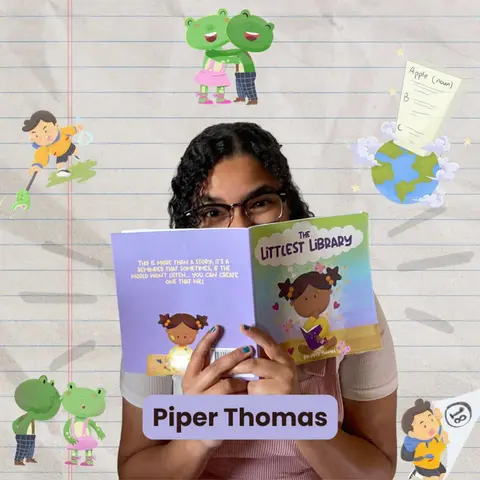
Stepping behind a vendor table as an introverted independent author can feel daunting, especially when high-energy sales environments demand constant public engagement. However, with the right strategies, introverted creators can navigate book fairs, connect with readers, and successfully market their work without completely draining their social batteries.
Key Takeaways
- Introverted independent authors often struggle with the constant social demands of in-person book fairs and vending events.
- Utilizing strategic downtime to network with neighboring authors creates a supportive community and valuable professional connections.
- Developing a concise, adaptable booth pitch makes engaging parents and young readers feel much more natural.
- Pre-event preparation, including a complete booth setup and energy management tactics, prevents mid-day burnout.
The Reality of Introverted Marketing for Authors
Writing is largely a solitary pursuit. For many independent authors, spending months drafting prose or illustrating children's books happens in quiet solitude. That makes the sudden pivot to public-facing marketing at a crowded book fair a massive shock to the system. When you are naturally introverted, the prospect of holding court, waving at passersby, and initiating conversation with strangers can trigger significant anxiety.
Yet, in-person events remain one of the most effective ways to move inventory and build a localized readership. The key is recognizing that you do not need to transform into an extroverted carnival barker to succeed. Instead, focus on authentic, one-on-one interactions that highlight your genuine passion for your stories. Accepting that you will feel some performance adrenaline is the first step toward managing it effectively.
Building an Author Community During Event Downtime
One of the hidden benefits of working a book fair is the proximity to other creators. During slower stretches of the event, staring silently at your phone or waiting anxiously for the next browser can make the hours drag. More importantly, it isolates you from a built-in support network.
Reaching out to the authors stationed directly to your left and right transforms an awkward silence into an opportunity. Indie authors share a unique bond forged through the trials of writing, editing, and self-publishing. Striking up a conversation with neighboring vendors helps pass the time, relieves event anxiety, and often leads to lasting professional friendships. These connections provide a vital anchor, reminding you that there is a collaborative creative world to step into long after the venue doors close.
Crafting a Natural Booth Pitch
When a parent and child walk up to your table, those first few seconds are critical. For introverts who dislike rehearsing rigid sales scripts, the best approach is to treat your pitch as a flexible conversation starter rather than a hard sell.
Start by identifying the core demographic and the unique hook of your book. If your story targets young readers who love creative writing or hands-on activities, lead with that specific angle. Ask open-ended questions about what kind of stories the child enjoys reading. By shifting the focus away from forcing a purchase and toward discovering if your book is a good fit for their family, the interaction instantly becomes more comfortable and conversational.
Managing Energy and Avoiding Burnout
Sustaining a high-performing public persona for an entire day requires serious physical and mental stamina. For authors managing physical injuries or chronic fatigue, standing on a convention floor for hours adds an extra layer of difficulty that requires careful planning.
Successful event marketing relies heavily on self-care before you even arrive at the venue. Whether it is managing your caffeine intake to stay alert without crashing, wearing supportive footwear, or scheduling mental breaks during lulls, protecting your energy ensures you do not burn out halfway through the day. Remember that your most engaging self comes across when you are balanced and comfortable, not when you are running on fumes.
Conclusion
Navigating book fairs as an introverted indie author is all about finding systems that work with your natural personality rather than against it. By leveraging event downtime to build community, refining a conversational pitch, and protecting your energy, you can turn high-stress vending environments into rewarding experiences.
To dive deeper into the challenges of self-publishing, marketing as an introvert, and finding your creative confidence, make sure to Listen to the full episode of Conversations with Rich Bennett.
Frequently Asked Questions
How can introverted authors handle long hours at a busy book fair?
Managing energy at a book fair requires pacing, utilizing downtime to rest your voice, and bringing steady sources of hydration or caffeine to maintain focus without crashing.
What is the best way for a children's author to pitch to parents at a booth?
Keep your pitch focused on the specific value your book brings to young readers, such as interactive elements or unique themes, and use conversational questions to gauge interest.
Why is networking with neighboring authors important at book events?
Sitting next to fellow authors for hours can feel awkward if you don't talk, but breaking the ice helps build a local network of writer friends who understand the indie publishing journey.
How can independent authors prepare their booth effectively?
Always arrive with a fully cohesive setup, including a branded tablecloth, clear signage, and an engaging display that clearly communicates your book's target age range and hook.
 RSS Feed
  Goodpods
  Apple Podcasts
  Spotify
  Amazon Music
  TuneIn
  iHeartRadio
  Pandora
  Podchaser
  Castbox
  Overcast
  Podcast Addict
  Castro
  PlayerFM
  YouTube