RSS Feed
 Goodpods
 Apple Podcasts
 Spotify
 Amazon Music
 TuneIn
 iHeartRadio
 Pandora
 Podchaser
 Castbox
 Overcast
 Podcast Addict
 Castro
 PlayerFM
 YouTube
Dr. Evan Nadler challenges the harmful belief that childhood obesity is simply caused by overeating, inactivity, poor parenting, or a lack of willpower. He explains how genetics, biology, environment, mental health, food access, and family circumstances influence a child’s health while offering families compassionate, evidence-based paths forward.
Listeners will learn why shame does more harm than good, how entire families can make realistic changes together, and why individualized treatment may include lifestyle support, medication, surgery, or a combination of approaches.
Key Takeaways
- Childhood obesity is a complex, genetically inherited disease rather than a reflection of willpower, bad parenting, or a simple lifestyle choice.
- Dr. Evan Nadler emphasizes the importance of replacing self-blame and public shame with compassion, clarity, and evidence-based medical support.
- Environmental factors, chemical pollutants, and microplastics play a significant role in metabolic health alongside traditional dietary concerns.
- Sugary beverages, hidden sugars in fruit juices, and energy drinks are major contributors to the childhood obesity epidemic.
- Addressing metabolic health in young adults before they have children can lower the genetic and epigenetic risk for future generations.
Childhood obesity is often reduced to one harmful message: eat less and move more. Dr. Evan Nadler explains why the real story involves genetics, biology, mental health, environment, food access, and factors that have little to do with willpower or poor parenting.
Dr. Nadler is an internationally recognized childhood obesity specialist and pioneer in pediatric bariatric surgery. After more than 20 years of treating children and their families, he is working to replace blame and misinformation with compassion, evidence, and practical support.
In this conversation, you will learn:
- Why childhood obesity should be treated as a complex disease
- How genetics and epigenetics influence a child’s health
- Why shame and comments about weight can cause lasting harm
- How families can make affordable changes without singling out one child
- When medication, surgery, or medically supervised treatment may be appropriate
Dr. Nadler also discusses school meals, sugary beverages, food deserts, bullying, eating disorders, mental health warning signs, and his upcoming book, The Skinny on Childhood Obesity.
Learn more, watch his educational videos, and contact Dr. Nadler at ObesityExplained.com.
If this conversation could help a parent, caregiver, educator, or healthcare professional, please share it with them. Subscribe to Conversations with Rich Bennett, leave a review, and join the conversation by sharing your thoughts with Rich.
Harford County Health Department
To protect, promote, and improve the health, safety, and environment of Harford County residents.
Disclaimer: This post contains affiliate links. If you make a purchase, I may receive a commission at no extra cost to you.
Rate & Review on Apple Podcasts
Follow the Conversations with Rich Bennett podcast on Social Media:
Facebook – Conversations with Rich Bennett
Facebook Group (Join the conversation) – Conversations with Rich Bennett podcast group | Facebook
Twitter – Conversations with Rich Bennett
Instagram – @conversationswithrichbennett
TikTok – CWRB (@conversationsrichbennett) | TikTok
Sponsors, Affiliates, and ways we pay the bills:
Hosted on Buzzsprout
SquadCast
Follow the Conversations with Rich Bennett podcast on Social Media:
Facebook – Conversations with Rich Bennett & Harford County Living
Facebook Group (Join the conversation) – Conversations with Rich Bennett podcast group | Facebook
Twitter – Conversations with Rich Bennett & Harford County Living
Instagram – Harford County Living
TikTok – Harford County Living
Sponsors, Affiliates, and ways we pay the bills:
Recorded at the Freedom Federal Credit Union Studios
Hosted on Buzzsprout
Rocketbook
SquadCast
Want to be a guest on Conversations with Rich Bennett? Send Rich Bennett a message on PodMatch, here: https://www.podmatch.com/hostdetailpreview/richbennett
Disclaimer: This post contains affiliate links. If you make a purchase, I may receive a commission at no extra cost to you.
If you’re interested in podcasting and are looking for equipment and services, here are some of the ones we use and recommend:
Podcast products we have used, use, and/or recommend
Buzzsprout - Let's get your podcast launched - Start for FREE



Frequently Asked Questions
What is childhood obesity considered by medical professionals?
Dr. Evan Nadler and other specialists classify childhood obesity as a complex, genetically inheritable disease rather than a mere lifestyle choice or lack of willpower.
At what age should parents start being concerned about a child's weight?
Data shows that 80% of toddlers and 95% of teenagers with obesity go on to become adults with obesity, meaning it is never too early to discuss risk factors with a pediatrician.
Are natural fruit juices safe for children to drink regularly?
Juices like apple or orange juice act as concentrated sugar bombs lacking the dietary fiber found in whole fruit, making them poor daily staples for children.
00:00 - Opening
03:00 - Introducing Dr. Evan Nadler
04:33 - What People Misunderstand About Childhood Obesity
06:10 - Obesity as an Inherited Disease
07:21 - Releasing Parents From Blame and Shame
09:37 - What Families Need to Hear
11:25 - Bullying, Social Media, and Mental Health
15:22 - The Stigma Around Weight-Loss Treatment
18:01 - When Should Parents Become Concerned?
19:42 - Understanding Genetics and Epigenetics
22:33 - Obesity, Public Health, and Military Readiness
24:20 - Schools, Physical Education, and Student Meals
27:10 - Sugar in Soda and Energy Drinks
28:52 - Juice, Added Sugar, and Healthier Choices
31:34 - Artificial Sweeteners and Moderation
33:42 - Making Healthy Changes on a Budget
36:34 - GLP-1 Medications and Food Noise
38:18 - Harford County Health Department Dental Clinic
40:49 - Why Childhood Obesity Is a Family Affair
42:40 - Meeting Families Where They Are
45:33 - Eating Disorders and Mental Health Warning Signs
47:48 - Starting a Compassionate Conversation
50:17 - Why Dr. Nadler Is Writing His Book
53:52 - What Would It Take to Reverse the Epidemic?
56:55 - Fighting Medical Misinformation
58:42 - Planning a Childhood Obesity Roundtable
01:01:53 - Why Children Cannot Be Left Behind
01:03:00 - Obesity Explained and Dr. Nadler’s Resources
01:06:43 - Three Dream Dinner Guests
01:12:33 - Final Thoughts and Episode Wrap-Up
Wendy & Rich 0:01
Coming to you from the Freedom Federal Credit Union Studios, Hartford County Living presents Conversations with Rich Bennett. "I'm going to be a guy." "I'm going to be a guy." "You're not going to show up!" [laughter] "I'm going to be a guy." "I'm going to be a guy." "I'm going to be a guy." "I'm going to be a guy." [laughter] "I'm going to be a guy." "I'm
Rich Bennett 0:27
going to be a guy." "I'm going to be a guy." [laughter] I would would obesity is often reduced to a simple and harmful message. Eat less and move more. But what if the real story involves biology, genetics, environment, and other factors that have nothing to do with willpower or bad parenting?
Helping families find evidence-based treatment without blame, guilt, or shame. Dr. Evan Naylor is an internationally recognized childhood obesity expert and pioneer in pediatric bariatric surgery who formally led the child and adolescent weight loss surgery program at Children's National Hospital. Through his platform, obesity explained in his book The Skinny on Childhood Obesity how to help your child incur the epidemic, he has given parents something far more useful than judgment, clarity, practical tools, and a path forward. Today, we'll explore what families need to understand about childhood obesity, why common advice often falls short, and how compassionate individualized treatment can change the child's health and their future. How you doing, Dr. Evan?
Dr. Evan Nadler 1:49
Hey, thanks for having me, Rich, I'm doing okay. You made it sound so formal with all that. Relaxing.
Rich Bennett 1:55
I
Dr. Evan Nadler 1:56
got so. It sounded so serious. I was like, "Oh man, who's he talking about?"
Rich Bennett 2:00
This is an important subject and for years, we've always heard about childhood obesity.
I blame a lot of adults because, for example, you take football. When kids start playing football, when they're younger, they're being pushed to eat more to put on the weight because you could tackle better, so that's enough. We'll get into that later because it just burns me up on this subject. But you spend years treating children with obesity and helping families actually navigate all the judgment surrounding it. What do most people misunderstand
about childhood obesity before they ever walk through your door?
Dr. Evan Nadler 2:54
Yeah, so it's I think heightened with children, but the message is sort of the same with the adults, which is
people think it's a disease. People think it's a well-power issue. They don't understand it's a disease that actually is inherited, like I sometimes make the comparison to alcoholism. can't remember how long ago it was, but for a long time we all thought that alcoholism was people who just couldn't stay away from the bottle. But then it was determined that it was actually a genetically inheritable disease and you could get it from your parents. And it changed the perception of how people thought
Rich Bennett 3:37
I
Dr. Evan Nadler 3:37
about Oaks with alcohol problems. And I'm hoping someday the same will happen for obesity because
a lot of the kids and families who come through my door just come with this self-blame and self-same and it's made worse by society.
Rich Bennett 3:57
Oh yeah.
Dr. Evan Nadler 3:57
And they just you know, if I had one thing that I tell these families it'd be like it's not your fault. We just need to move past that and realize that most of it is inherited. A lot of it's the environment we live in that we really can't do anything about. And I'm not just talking about the food environment which is what everybody talks about,
Rich Bennett 4:21
Right.
Dr. Evan Nadler 4:21
but there are chemical pollutants. There are these forever chemicals, there are these microplastics. All the stuff that we don't even really fully understand how it impacts our health. And so I try to, when people come through my door, I try to immediately sort of get rid of the blame and the shame and just,
Rich Bennett 4:39
yeah,
Dr. Evan Nadler 4:40
let's just deal with the problem that we got and move forward and I'm here to help. And let's go from there.
Rich Bennett 4:48
So how many times do parents actually come in your door believe that they have actually
Dr. Evan Nadler 4:56
f their child? Oh, all the time. And honestly like, there have been times where I started to talk about solutions. and the parents will start crying
Rich Bennett 5:09
Yeah,
Dr. Evan Nadler 5:09
because they just can't, you know, they're just so happy that, and it less so over the last few years, but certainly when I started 20 years ago, people were so happy just to have a doctor who would actually listen to them
Rich Bennett 5:24
yeah.
Dr. Evan Nadler 5:24
and offer them, offer them ways path forward, as opposed to just telling them, you know, "Well, you've got to buy, you know, better food or you got to, you know, get your kid to go play some sports at school or all the stuff that, frankly, I think another misconception, sort of tangent here, another misconception or that somehow these kids, like, eat a whole pizza a day or like, never get off the couch. And if you spend time in the clinic and actually talk to these kids, a lot of them, if not most of them are just the same as every other kid in their class. And that's the, I mean, I think another myth that people don't necessarily
understand is that like, I've had kids who have treated who were stars of their high school football team or playing on their, you know, traveled soccer team. And they're still struggling with their weight, so, you know, and as you sort of said before, like, sometimes their coaches aren't even helping. Like, sometimes the offensive linemen who I've treated, I'll tell them that they're going to be,
Rich Bennett 6:37
the, right,
Dr. Evan Nadler 6:37
they're going to go from left tackle to, you know, maybe to tight end and actually get to touch the football or, you know, or switch over to the defensive end where you don't have to be 400 pounds. So, there's just a lot of misconceptions out there. And sort of why I'm doing this is to try to these kids and families understand, you know, again, obesity is a disease, not a, not a lifestyle choice, and there's something you can do about it.
Rich Bennett 7:04
What do you actually wish those families heard before they actually came to see you?
Dr. Evan Nadler 7:08
What do I wish they knew, is that what you said?
Rich Bennett 7:10
Yeah. I
Dr. Evan Nadler 7:11
wish they heard. Well, again, I, you know, I wish they knew, I think the biggest hurdle always the self blame.
Rich Bennett 7:21
Yeah.
Dr. Evan Nadler 7:24
But I think the, you know, over the years, I've heard probably everything from, you know, I didn't know that you could treat children with obesity to why didn't my pediatrician ever tell me about this? To, you know, like, I've had kids who actually found me the internet and had to convince their parents to take them to see me because the parents were skeptical. And it even runs in families where like, you know, like we've all probably seen families where the mom and the dad's side look different.
Rich Bennett 8:00
Yeah.
Dr. Evan Nadler 8:02
And then they have two or three kids and let's say two of the kids are healthy weight because they take after mom's side or whatever. And then kid struggles with the weight because they take after dad's side. And then even the family dynamic, you know, like the siblings tease the kid who's struggling with their weight or like the, you know, the aunt or the uncle or the grandparents. And it's just honestly the stories that I could tell you they're brutal. And I feel terrible for these families because, you know, every kid and family just wants a chance to live a normal happy life and, you know, the the, when you wear a disease on your skin or on the outside when you have a disease that everybody can see from across the room, it's just it's just tough going for a lot of these kids and their families.
Rich Bennett 8:52
And the other thing because something you mentioned there about how even the siblings and other family members and God knows we know the kids in school do it too, you know, they'll say something to these kids and it doesn't help their mental health. And
Dr. Evan Nadler 9:11
not at all.
Rich Bennett 9:11
They're just it just makes it worse.
Dr. Evan Nadler 9:14
Sure. And then obviously, you know, back in the day when you and I were growing up, the school was, you know, your eight hours a day or
Rich Bennett 9:23
You're
Dr. Evan Nadler 9:23
whatever.
Rich Bennett 9:23
right.
Dr. Evan Nadler 9:24
You could go home and sort of avoid all of the bullying and and comments. But now everybody's life on
Rich Bennett 9:34
negative
Dr. Evan Nadler 9:34
social media we're connected 24/7. There's like no escape for these kids. A lot of them there's no escape. And all the influencers online who are pedaling peptides or you know, like talking other I call it the misinformation superhighway because, you know, 90% of the stuff you see on the Internet actually isn't even true. It's just a tough, it's just, you know, again, it was tough, it's tough being an adolescent, it's tough growing up for
Rich Bennett 10:04
them.
Dr. Evan Nadler 10:04
all
Rich Bennett 10:04
Yeah.
Dr. Evan Nadler 10:04
of It's tough being, you know, when my daughter was in seventh grade, I used to say, and I still that um i think seventh grade girls are like the meanest
Rich Bennett 10:14
people oh my god yes
Dr. Evan Nadler 10:16
so imagine that, and then struggling with obesity.
Rich Bennett 10:21
Uh-huh.
Dr. Evan Nadler 10:22
It's just awful.
Rich Bennett 10:24
I'll never forget that, 'cause when my son was in middle school, granted he got bullied, he had a tough time, but when my daughter was in middle school, holy cow, it was, it was even worse. The girls are mean!
Oh, sorry. Why are you listening? You made this...
Dr. Evan Nadler 10:45
You might not have to edit that from the final cut.
Rich Bennett 10:50
But we just talked about this on an episode the other day about how mean girls are, and it's it's, it's sad, but it's, it's true,
Dr. Evan Nadler 11:02
true.
Rich Bennett 11:02
it's
Dr. Evan Nadler 11:02
Well, again, you know, the, the, the, the, the, the having, again, having something that people can pick on, you can't, you know, you can't not show, right? Like,
Rich Bennett 11:14
that
Dr. Evan Nadler 11:14
there's no way to hide your way to use. It just makes, so then the, I think it's about 40% of children, it goes actually both ways. 40% of children with, um, obesity have mental health issues, and
Rich Bennett 11:28
It's
Dr. Evan Nadler 11:28
then
Rich Bennett 11:28
it.
Dr. Evan Nadler 11:29
a high percent, well, I guess, documented.
Rich Bennett 11:32
Oh, okay.
Dr. Evan Nadler 11:33
You know,
Rich Bennett 11:34
right.
Dr. Evan Nadler 11:35
And then, the other way, actually, I think it's 60% of, 60% of children with, obviously, have mental health.
Rich Bennett 11:43
Okay.
Dr. Evan Nadler 11:43
And then 40% of people who mental health issues, actually then develop obesity or have some weight-related issues. So it's like a bi-direction.
Rich Bennett 11:52
Yeah, that I
Dr. Evan Nadler 11:53
say.
Rich Bennett 11:53
can
Dr. Evan Nadler 11:54
Yeah. Yeah. And, and, you know, when we talk about physical health, we often forget about mental health. And that was actually a lesson we learned in, in my clinic, where initially we were dealing with, we dealt with the mental health aspects like before,
Rich Bennett 12:14
um,
Dr. Evan Nadler 12:15
bariatric surgery for these children. But in the early days, we didn't necessarily fully understand after surgery, the new and different mental health issues, which, it's a whole nother topic, but like, it's really common now with people with adults and kids, but let's say adults, they're, they lose weight.
Rich Bennett 12:34
Yeah.
Dr. Evan Nadler 12:36
They're at a cocktail party or a social engagement or whatever. And people come up they say, oh, my gosh, you look so great. How'd you do it? And then that puts, you know, that person who's lost the weight, let's say they're on a GLP1 medication.
Rich Bennett 12:49
Mm-hmm.
Dr. Evan Nadler 12:49
Do they want to share that? Do they not want to share that? Do they, you know, because there's always this, not only is there a stigma of being overweight or having obesity, but then there's a stigma of if you lost that weight with, that with medications or surgery, like if you didn't do it
Rich Bennett 13:08
right,
Dr. Evan Nadler 13:08
naturally, you know, so it's, it's just, it's like, it's like these poor people can't win, like, they're damned if they do, and they're damned if they don't, right? So it's, it's, that's the message I'd love to really just get across is like, stop asking people about their weight. Just stop it.
Rich Bennett 13:24
I
Dr. Evan Nadler 13:24
It's not your business.
Rich Bennett 13:25
don't forget this when I started, when I changed my lifestyle because my A1C was, I was pre-diabetic and diabetes runs in my family. Now, I didn't want diabetes, so I changed my lifestyle and I lost a lot of weight. There were some people that are afraid to ask me because they thought I was sick.
Dr. Evan Nadler 13:45
Yeah,
Rich Bennett 13:46
I
Dr. Evan Nadler 13:46
because
Rich Bennett 13:46
lost that much weight. So, yeah, it's, I guess some people are afraid if they ask you, you're like, has you lose all that weight? Oh, cancer.
Dr. Evan Nadler 13:55
Well, that's the thing is, I mean, you know, so I've talked about this in a couple other media opportunities and I just say, listen, it's always safer just to not bring it up.
Rich Bennett 14:05
Yeah.
Dr. Evan Nadler 14:05
Like if you aren't, like if the person you're talking to wants to talk about it, they'll bring it up.
Rich Bennett 14:10
Exactly.
Dr. Evan Nadler 14:10
you know, like you might say out of, you know, a cocktail party or or a bourbon tasting that, that, you know, you might say, listen, you know, I've been, you guys need to hear this because I've changed my lifestyle because of my A1C
Rich Bennett 14:24
Yeah,
Dr. Evan Nadler 14:24
and man, I've lost 15 pounds or whatever and then people will talk about it.
Rich Bennett 14:28
right,
Dr. Evan Nadler 14:28
But if you don't bring it up, if people don't bring it up, I just generally recommend.
Rich Bennett 14:33
Don't worry about it. Yeah.
Dr. Evan Nadler 14:35
Talk about, talk about baseball or football.
Rich Bennett 14:38
There you go. Talk about how bad the Orioles are
Dr. Evan Nadler 14:42
doing. I don't know. That's a topic that's probably. You're probably beating that topic to death.
Rich Bennett 14:49
Exactly.
Dr. Evan Nadler 14:49
Hey, for way too long.
Rich Bennett 14:52
Yeah, the funny thing is is that I stopped watching baseball years ago because the Orioles were doing bad and there was always that one factor, and then he sold the team and it's still, plus they changed the rules. I don't understand it. We're with children now. Is there a, certain age, because let's face it, some babies are born, they're chunky. But they, as they get older, they like, they're now to whatever. I think I was
Dr. Evan Nadler 15:26
one.
Yep.
Rich Bennett 15:28
I know my son was one.
Is there a certain age that we should start being concerned?
Dr. Evan Nadler 15:33
Yeah, so that's actually a great question. And that's not one that's brought up enough. But the data actually are that 80% of toddlers who have obesity go on to be adults with obesity. So 80% so that's a lot more than people would think. 'Cause most people think it's like, as you said, sort of baby fat that people grow out of.
Rich Bennett 15:54
Yeah.
Dr. Evan Nadler 15:55
But again, 80%, and 95% of teenagers with obesity go on to adults, to be adults with obesity. So I would say, you're not necessarily gonna take your toddler to be checked for weight-related
Rich Bennett 16:13
issues.
Yeah.
Dr. Evan Nadler 16:14
But if your kids, you know, push in five or six, or, I mean, I've seen kids with type two diabetes at eight and nine, which is crazy, from their weight. And so it's never really too early to bring it up with your pediatrician to at least just talk about it. You know, again, you're not necessarily going to a specially clinic for treatment. As a five-year-old or a six-year-old. But one of the things I talk about a lot is knowing your risk and knowing your family's risk.
Rich Bennett 16:47
Right.
Dr. Evan Nadler 16:47
And just like you said, that diabetes runs in your family. If obesity and diabetes run in your family, and especially if it runs on both parents' sides, then you need to be even more aware of your kids' risk. And that might lead you to go talk to somebody sooner rather than later if you're concerned.
Rich Bennett 17:08
Yeah.
Dr. Evan Nadler 17:09
So it's just, again, it's like, so the topic of epigenetics. I think you might have brought up in the intro. I can't remember. I'm getting seen Isle in my old age. (laughs)
But the way epigenetics work, so epigenetics is a fancy term. But what it basically means is how the environment impacts your genes and your DNA and how they work. So what ends up happening is that young adults before they have kids. They might be exposed to these environmental factors that change how their DNA works and might give them weight issues. But then those genes that are now modified actually get passed on to their kids.
Rich Bennett 17:56
And
Dr. Evan Nadler 17:57
so even if the kids haven't been exposed to the bad actors that are out there, they now have that risk from their parents' exposure.
Rich Bennett 18:06
Right.
Dr. Evan Nadler 18:07
So when people ask me like, what would you have a magic wand? What would you do to try to help curb the obesity epidemic? I would actually focus on young adults before they have kids, getting their metabolic health and their weight under best control
before they have children of their own, so that the burden, the genetic and epigenetic on their kids is lower.
Rich Bennett 18:39
Right.
Dr. Evan Nadler 18:40
And those kids will then be born into a household that's already sort of changed their behavior or made health a focus. So it helps both from a genetic standpoint and also from an environmental standpoint. But as we know, what's like the number one of people who never go see a doctor or never get any health care, it's young adults. So it's like, you know, that's the part of the problem. You know, like it's--
Rich Bennett 19:16
I never understood that.
Dr. Evan Nadler 19:18
Yeah, you know, we go is-- we go to docs as we get older 'cause we start to have problems and we go as kids 'cause we're forced to. There's that big gap of years in between where you know, we're on our own or you know, maybe we're in college, maybe we're out, you know, first job or whatever, and we just don't bother 'cause it's, you know, just
Rich Bennett 19:36
not--
They don't think about it.
Dr. Evan Nadler 19:37
It's not--
Rich Bennett 19:38
Yeah, it's not--
Unless you're in the military.
Then you have to.
Dr. Evan Nadler 19:42
Right.
Rich Bennett 19:42
You don't have a choice. It's just like you're still at home with mom and dad. Yeah, you have to do it. And
Dr. Evan Nadler 19:48
Yeah,
Rich Bennett 19:48
you think--
Dr. Evan Nadler 19:48
I remember--
Rich Bennett 19:49
I mean, Dave and Ray, was it 'cause it used to be with health insurance. If you lived with your parents, once you turned 18, you had to find your own. But let's think it's 26
Dr. Evan Nadler 20:00
now.
Yep, that's correct. It's 26 now, which, you know, I think does-- it helps a lot of kids 'cause a lot of kids do need the healthcare of their parents to get healthcare. But you brought the military, which is an interesting, which made me think of an interesting another point of view that people don't think about, which is there, I think even our current
administration talked about this, which is the number of young adults who are actually even fit to serve in the military dropped significantly, and there are concerns from even like a national security, which I'm not sure I believe in that because I think we fight everything with drones now. We don't even need humans, but I guess I have to be human somewhere in the mix. But the point is that when people think about obesity as a disease, they might think that it doesn't impact them because they don't know anybody or it doesn't really matter. And I bring up two points. One is that it impacts all of us because our taxes are paying for the care of a lot of people with obesity, whether it's
Rich Bennett 21:11
true,
Dr. Evan Nadler 21:12
whether it's Medicaid or Medicare, we all paying taxes for somebody. And then things like, again, like you said, or like the military, right? Like if we can't even have enough recruits, that's the problem. And that's something that, you know, something we might want to address before too long because we don't want to get caught in a situation.
Rich Bennett 21:37
And they did, because I do believe schools had stopped it for a long time. What's it called, the presidential? And they at least they brought that back. I remember as a kid doing that.
Dr. Evan Nadler 21:47
Yeah. Well, you know, so schools are another. So part of the problem with obesity, more of the problem with obesity is that there's just so many different arenas
Rich Bennett 21:59
need
Dr. Evan Nadler 21:59
that dressings, so many different things that could be done better. Schools for sure. And you know, one gym class a day isn't going to change the epidemic, but it does certainly teach people about the importance of
Rich Bennett 22:13
health.
Dr. Evan Nadler 22:15
But school lunches or school breakfasts. I mean, that's another tremendous issue with the, know, like there are a lot of kids out there who get two meals a day at school,
Rich Bennett 22:30
you
Dr. Evan Nadler 22:30
and if we're serving them crap at school, then
Rich Bennett 22:33
we do? Don't
Dr. Evan Nadler 22:34
what
Rich Bennett 22:34
give
Dr. Evan Nadler 22:34
do
Rich Bennett 22:34
them pop tarts.
Dr. Evan Nadler 22:35
Yeah, I mean, what do you know, what are we doing? If we, I remember in my early days, I remember doing a, what was it? Was like a session in DC sponsored by US News and World Report about school, I think school lunches, and I was on a panel and I was actually, you know, fighting with the milk lobbyists because I was saying that, yo know, added sugar to in milk is a really, it's like a hidden source of sugar that most children don't need.
Rich Bennett 23:13
Right.
Dr. Evan Nadler 23:14
And that we should get chocolate milk and strawberry milk basically out of schools. And the milk lobbyists were saying, well, if we don't put sugar in the milk, the kids won't drink it. And, you know, I was saying, well, if it's all they got, if it's their only option, they'll drink it. But, you know, but again, unfortunately with everything in the US, there's, there's competing interests for, you know, like, you know, I have nothing against dairy farmers. I want them to sell as much milk as they can.
Rich Bennett 23:45
Yeah.
Dr. Evan Nadler 23:45
Well, I just don't want them to do it at the expense of children's health. And, you know, that's where we are. That's where we've always been is sort of the balance of
industries. You know, I'm not a fan of big food and big beverage industry and what they've done. But, know, how do we fix that? And on the flip side, I don't necessarily believe in conspiracy that the pharmaceutical industry and the big beverage and big food industry are in kuhuts. And they're just creating this vicious cycle of
Rich Bennett 24:21
you
Dr. Evan Nadler 24:21
bad food that requires medication treatment. But I get why people might think that because
Rich Bennett 24:26
Yeah.
Dr. Evan Nadler 24:26
it sure, I don't believe that, but it sure, you could, you could see why folks might think that because it does
Rich Bennett 24:32
Yeah.
Dr. Evan Nadler 24:32
seem like, it does seem like that's what we're doing.
Rich Bennett 24:37
That's another thing that baffles me, you know, you're talking a bit of the drinks. I don't understand why, and a lot of times it's the parents. Parents will allow their kids to drink these energy drinks.
Dr. Evan Nadler 24:51
Oh, boy. Those energy drinks have more sugar in them. Then there's so a lot, some, you know, so coke, whatever, coke Pepsi will take your pick. Regular soda has a ton sugar, like 40 grams and a lot of them in a 20 ounce bottle, which by the way is 10 teaspoons of sugar. So I try to tell people to think about that. Like, would you ever open up 10 packets of sugar and just dump them in your mouth? No, you would never do that.
Rich Bennett 25:19
Yeah.
Dr. Evan Nadler 25:19
Oh, you shouldn't ever let your child do that drinking a coke. But the energy drinks have sometimes have like 50 and 60 grams of sugar.
And because we're talking about Bourbon earlier, I do need to share a story about mojitos. …which—I don't know if you've ever had a mojito or,
Rich Bennett 25:38
oh yeah.
Dr. Evan Nadler 25:39
And have you ever had one where they make it in front of you before you drink it? The amount of sugar that goes in the box—so I was at a bar in New York City when I was younger, and I ordered a mojito and they made it right in front of me. And after I watched how much sugar they put in the bottom of the glass to make it. I was like, I can't drink this drink anymore, and it's like—it's a bummer 'cause I used to like 'em,
Rich Bennett 26:00
Yeah.
Dr. Evan Nadler 26:00
but now, uh, yeah, now it's just, I guess, going back to Burman, we'll just do a bourbon with a big rock, and that'll be that. I'll take the natural sugars, and as opposed to the added sugars.
Rich Bennett 26:09
Well, it's a sugar deck, gives you the hangover.
Dr. Evan Nadler 26:13
Yeah. Well, and in the US, we definitely consume way too much sugar, in general.
Rich Bennett 26:18
Yeah!
Dr. Evan Nadler 26:19
So, like, when families ask me what's the one sort of baby stuff they can do to make their lives healthier, I immediately go right to the sugar sweeten
Rich Bennett 26:28
beverage. Yeah.
Dr. Evan Nadler 26:30
And it's not just the Coke, it's, you know, and some of it's the medical community's fault, 'cause we used to tell people that juice was something good you could give your kid, but it turns out not to be true. You really shouldn't ever give your child apple juice, or, you know,
Rich Bennett 26:44
really,
Dr. Evan Nadler 26:44
orange juice. Well, it's just again, it's concentrated sugar, like, it's not the same as eating an apple. Okay, so, you know, eating an apple's fine, but when you, when you squeeze it and get all the juice out of it, it's basically like a sugar bomb.
Rich Bennett 26:59
Okay, so, not even natural juice.
Dr. Evan Nadler 27:02
Yeah, it's not, yeah, I mean, so certainly better than-
Rich Bennett 27:08
Than what you're getting off the
Dr. Evan Nadler 27:09
shirt on the juice
Rich Bennett 27:10
or- Yeah.
Dr. Evan Nadler 27:11
Or going to, like, yeah, going to store and get nantucket nectar or naked, or one of those things, pick up a naked bottle sometime and look at how much sugar's in one of those things.
Rich Bennett 27:19
Oh, I know.
Dr. Evan Nadler 27:20
Holy moly. So, it's still, yeah, so, really, you know, it's, it's, yeah, apple juice isn't necessarily, you know, you give it to your kid once it, once in a while, it's fine, but it's not like the staple or like, when, again, I don't want to, I don't want to date ourselves, but what was her name? And that Punicello, the orange juice,
Rich Bennett 27:42
yeah.
Dr. Evan Nadler 27:42
Orange rating. Yeah, exactly. She was a, she was like the oranges from Florida, spokeswomen
Rich Bennett 27:48
Yep.
Dr. Evan Nadler 27:48
or whatever. Orange, you know, again, juices eating an apple or eating an orange. Great. Because they fiber in them that
Rich Bennett 27:56
Yeah.
Dr. Evan Nadler 27:57
counteract some of the sugar. But when you juice them, it takes out or at least- In the process world, probably less so if you take an apple or orange yourself and juice it yourself.
Rich Bennett 28:07
Right.
Dr. Evan Nadler 28:07
Like you were saying. But when you get it from the store, it doesn't have any fiber in it and it's just basically, you know, sugar, vitamin C and a few other things in there. So, it's really not the greatest. It's really not.
Rich Bennett 28:21
So, even the organic stuff's not, it's all
Dr. Evan Nadler 28:23
Well,
Rich Bennett 28:24
a ploy.
Dr. Evan Nadler 28:24
yeah. The organic thing is a whole nother.
Rich Bennett 28:27
Yeah.
Dr. Evan Nadler 28:27
The thing. I mean, a lot of that's nonsense and just, I mean, some of that organic processing is just as bad as the inorganic processing. So, um,
Rich Bennett 28:38
so with the sugar part, not using it at home because I'll admit we don't have sugar in my house. I have stevia in the withdrawal. And then I found out from my daughter that apparently that's not good. There's like regular stevia that has no additives or whatever. So, what should we replace the sugar with?
Dr. Evan Nadler 29:01
Yeah. I mean, So, all of it. So there's a lot of data that suggests, like, aspartame and some of the other artificial sweeteners are just as bad as sugar,
Rich Bennett 29:13
right.
Dr. Evan Nadler 29:13
if not, if not worse, worse because some of them might cause cancer.
Rich Bennett 29:18
Um.
Dr. Evan Nadler 29:20
Again, back in the day when when saccharin was prosecuted for being a cancer causing thing, people didn't realize you basically had to drink a two liter bottle of dye soda a day to get cancer from saccharin. But anyway, um,
Rich Bennett 29:35
unfortunately there are some people. That too.
Dr. Evan Nadler 29:37
I guess that's true.
But the, um, Um, you know, the, I mean, the, the, the, what's the, the best thing to do at home? I guess is stay away from added sweeteners, if you can.
Rich Bennett 29:52
yeah.
Dr. Evan Nadler 29:52
Or maybe, maybe use honey, um, you know, which is but it's still sugar. You know, stevia, I think, is... to what I can tell, is okay. But again, a lot of it's, we don't really know.
Rich Bennett 30:07
Yeah.
Dr. Evan Nadler 30:07
So I try- I try just to, you know, like, I drink my coffee black. And, uh, you know, I just try to not add sugar. And if I use sugar, I'll use it, you know, in baking, or,
Rich Bennett 30:18
Right.
Dr. Evan Nadler 30:19
you know, whatever. And then I'll just use regular, you know, natural sugar. I guess some people think unrefined is better than refined. I don't know. I kind of feel I feel like anything in moderation is probably okay.
Rich Bennett 30:32
Yeah.
Dr. Evan Nadler 30:34
But it's really, at least for me, it's more about, again, about moderation. Like, if you need a teaspoon of sugar in your coffee every morning, And that's your only added sugar of the day. That's not the worst thing in the world.
Rich Bennett 30:50
there.
Dr. Evan Nadler 30:50
If you're, you know, again, if you're drinking a 20 ounce bottle of coke four times a day, that's a different story. So, you know, and, and a lot of these behavioral changes, a lot of these dietary changes are hard to do,
Rich Bennett 31:04
Mm-hmm.
Dr. Evan Nadler 31:04
and hard to keep up with. So, yeah.
Rich Bennett 31:09
I'm glad you brought that up, because when I tried to lose weight the first time, I was doing the South Beach diet, and had to, you know, buy different things. It's expensive. When you do a diet, it's expensive. That's why I say diets don't work. Change your lifestyle.
But what do you tell parents that they're like, you know, 'cause changing different things that you eat, it can be expensive.
Dr. Evan Nadler 31:40
Yeah.
Rich Bennett 31:42
So, it's come the end, they say that. We just can't afford that. It's just
Dr. Evan Nadler 31:45
Yeah.
Rich Bennett 31:45
too expensive.
Dr. Evan Nadler 31:46
So, I think that's a huge mistake that lots of clinicians fall into, is that they have their recommendations, and they don't
Rich Bennett 31:53
necessarily listen
Dr. Evan Nadler 31:54
to the families, and necessarily understand their circumstances, right? So, again, I worked in DC, and a lot of my families would come from a section of DC, where there weren't any farmer's markets or fresh produce available. Like, it just wasn't even there.
Rich Bennett 32:13
Well, I never thought about that.
Dr. Evan Nadler 32:14
Yeah.
Rich Bennett 32:15
Yeah.
Dr. Evan Nadler 32:15
So, like, for me to tell someone, you should eat more fresh produce, where they don't even have a grocery store in their neighborhood.
Rich Bennett 32:23
Yeah.
Dr. Evan Nadler 32:23
That's falling on deaf ears, like, that's just, doesn't even, doesn't even make sense to do.
Rich Bennett 32:28
Right.
Dr. Evan Nadler 32:29
So, I mean, there are, there are ways to change diet affordably, right? You know, for instance,
rice and beans
Rich Bennett 32:42
store.
Dr. Evan Nadler 32:42
from the They're actually pretty cheap in bulk, right? But, you know, and if you can make those at home, that's certainly way cheaper than, you know, going to Chipotle and getting a, you know, bowl with rice and beans. So, they're ways to do it, but it's tough, and I, yeah, I definitely, when I treat families, I try to, I try to figure out, again, reducing sugar sweetened beverages, generally something you can do that's cheap.
Rich Bennett 33:17
Yeah.
Dr. Evan Nadler 33:17
Yeah. That's water, you know, not necessarily bottled water, but just tap water is relatively inexpensive. You know,trying to get people to stay away from chips and ultra processed foods can be either expensive or not, depending on, on what the family is doing.
And again, I don't ask folks to do things that I feel like no one could potentially do. Like I'm not going to say, well, just keep carrots in your house, and if your kid wants a snack, give me carrot. Right. Like, you know, they're not that many kids out there who are going to go for that. So,
Rich Bennett 33:56
I had
Dr. Evan Nadler 33:57
so.
Rich Bennett 33:57
to wait till I became an adult, even like them.
Dr. Evan Nadler 34:01
So, so you know, I think that's sort of one of the ways these GLP one medications work, and people have probably heard about food noise because it's like been all over the media lately. It's really, it does change sort of your cravings for
Rich Bennett 34:19
yeah
Dr. Evan Nadler 34:20
types of foods, and I think it does allow people to make better choices because the choices aren't necessarily as impulsive. But when it comes to kids and their families, again, it's more
Rich Bennett 34:44
like.
Dr. Evan Nadler 34:44
That's the best within the, within your financial constraints and your socioeconomic constraints and what you have available in the neighborhood to have healthier stuff around the house. Again, I'm not saying you can never... .. to have birthday cake or a pizza pizza or go to the carry out or whatever, you just don't want to make that the everyday.
Rich Bennett 35:09
Yeah.
Dr. Evan Nadler 35:10
But unfortunately for a lot of families, especially families where either a single parent or both parents are working and the kids on their own, you know, when they come out from school, they're going to do whatever they want to do. So, um, you know, again, it's another sort of place where schools can help with school lunches, but then after school snacks, some some, some, uh, schools have programs like that.
Rich Bennett 35:37
Yeah.
Dr. Evan Nadler 35:38
Um, so it's just a whole, it's a whole mess, to be honest. The whole societal mess we found ourselves in.
Rich Bennett 35:45
Yeah, and the social media definitely has not made it easier. You're listening to the conversations with Rich Bennett. We'll be right back.
If you're a parent or caregiver in Hartford County, you know the importance of quality health care for your family. But did you know that the Hartford County Health Department, dental clinic, is dedicated to improving the oral health of children ages 1 to 20, enrolled in the Maryland Children's Health Program, as well as pregnant and postpartum women on the medical assistance program? They offer a range of services that cover everything from x-rays and clean means to sealants and fluoride treatments and guess what? They don't stop there. Their skilled team also provides whom oral health care instructions and nutrition education, ensuring that your family's oral health is in great hands. But it's not just about preventive care. The clinic offers dental services like restorations, extractions, root canals, crowns, and even space mean painters for those missing baby teeth. And when specialty care is needed, they've got you covered with referrals to trusted special over 8,500 children and pregnant women have already benefited from their exceptional care. And the best part, they're there for you even in emergencies, providing same-day dental care for infections and trauma. You can find their clinic conveniently located at 2-204 Hanson Road in Edgewood, right across from the Edgewood library. They're open money through Friday from 80 o'clock a. m. to 4.30 p. m. If you're in Bel Air, check out their one North Maine Family Health Center clinic, open on select days. Making an appointment is easy. Just call 4.4.3.922.766.704 Edgewood, or 4.10.638.3060.4 Bel Air. And for more resources on children's oral health, head over to Healthy Teeth Healthy Kids at HealthyTeethHealthyKids. org. So take that important step towards healthier smiles for your loved ones. Reach out to the Hartford County Health Department, dental clinic today. Remember, Healthy Teeth means happy lives. Yeah, there's a large family, but only one of the kids have obesity. How can the entire household... Let me figure out...
Dr. Evan Nadler 38:16
No, I know.
Rich Bennett 38:16
Make changes without single in that one
Dr. Evan Nadler 38:19
Yeah,
Rich Bennett 38:19
child.
Dr. Evan Nadler 38:19
it's... And that's it. So... Childhood obesity is always a family affair. And I would... I would have parents who would come in and say, "Well, you know, why should I get coke out of my house?" Just because one of my kids has a weight issue.
What about my other kids?
And, you know, the answer, or what about myself? Have you had some parents say like, "Well, I like my coke. Why don't I have to stop drinking coke?" And I'd be like, "Listen. This is for your child." And if you need... You're the grown-up in the room. If you need to have coke, you get it at work or some other place.
Rich Bennett 38:55
Yeah.
Dr. Evan Nadler 38:55
Don't have it in your house. And the reality is the same thing for the other kids. Like, no kid needs coke. So, if you... And I'm using just coke as an example.
Rich Bennett 39:07
Yeah.
Dr. Evan Nadler 39:07
This is not like meant to be a diatribe on that one particular product. But, you know, if there... If you can't have sugar sweetened beverages in the house because one child struggles with obesity, your other children can either get at it at school or wherever else, but again, to be honest, it's not good for them either. So, it's, you know, it's no... It shouldn't be a big loss for the whole family to make... ...the changes. And the reality is if the whole family doesn't make the changes, it's never going to work. Because the single-out
Rich Bennett 39:41
Right.
Dr. Evan Nadler 39:41
kid is never going to... Like, that's just not... It's just more, you know, again, more like, whatever, pressure, bias, stig. It's never going to work unless the whole family makes the commitment. And that even includes, again, grandma and grandpa or aunt and uncle or wherever. The kid goes to Grandma's house after school. Grandma has to be on board because if grandma is, you
Rich Bennett 40:04
An
Dr. Evan Nadler 40:04
know...
Rich Bennett 40:04
adult box of Oreo cookies, it
Dr. Evan Nadler 40:06
Right.
Rich Bennett 40:06
doesn't work.
Dr. Evan Nadler 40:07
No, it doesn't. So, it's a... Yeah, it's a whole family affair, for sure. When I talk to families, I try. not to ask them to do things that they can't do. And similarly, I try not to ask them things that I can't do. So I think being reasonable, like I'm not gonna ask families to go vegan. I'm not gonna ask families to completely change, especially if they're cultural cookouts or a big part of a lot of families. And I might say, listen, can you grill chicken instead of, you know, pork ribs or something, you know, or at least mix in some slightly less unhealthy options. But you gotta meet patients where they are. You're gonna meet people where they are, right? Right.
Rich Bennett 40:58
But the other thing too is the grilling. And now, and this comes down to the people that actually do the grilling, the barbecue. And I'm not talking about the ones that just up a grilling and throw a burger and hot thaw going. If you really love grilling and cooking, you can experiment and try different things.
Dr. Evan Nadler 41:16
fire
Rich Bennett 41:16
One of the things I made which blew me away was actually smoked tofu.
Dr. Evan Nadler 41:21
Really?
Rich Bennett 41:22
Yes,
seasoned it with some applewood, seasoned smoked with applewood. And it was amazing.
Dr. Evan Nadler 41:30
Yeah.
Rich Bennett 41:32
What's the other, of course, asparagus is always good. But a lot of people don't like asparagus.
Dr. Evan Nadler 41:37
Well, yeah. And then, you know, the grilled fruits are also like grilled peaches and grilled pineapple and all those.
Rich Bennett 41:43
Oh, yes.
Dr. Evan Nadler 41:44
You know, and again, those are sort of, you know, I don't know how healthy as a grilled peach, it's a peach still and you caramelize it. So it tastes pretty dog on sweet. And, you know, again, I think food is a big part of American culture, a big part of American culture. And so, the goal isn't necessarily to demonize food or to tell
Rich Bennett 42:08
people what we needed to live,
Dr. Evan Nadler 42:10
to tell people that they shouldn't have pleasure when they eat certainly. The goal, really, is just to figure out a way to do that while maintaining health as best you can. And unfortunately, getting back to the topic we were supposed to be talking about, you're
Rich Bennett 42:26
Yeah. Yeah.
Dr. Evan Nadler 42:27
getting back to, you know, like if your kid has a high likelihood of suffering from because it runs in both families, unfortunately, that kid is going to be able to experience some of those things I think just less often or maybe in less amount than others. And that's just something, you know, sometimes I tell the kids, I'll say, listen, you know, the hand you got dealt sucks, but it's the hand you got dealt, and there's nothing you can do about that. So you just got to learn how to play it right.
Rich Bennett 43:00
I got to figure out how I can word this. Because, you know, a lot of people that kids that go through obesity, they will diet, they will do everything they can to lose the weight. But sometimes they may be losing too much weight, too fast, and not even show it, falling depression, stuff like that. What are some warning signs that parents need to look out for when it comes to that?
Dr. Evan Nadler 43:28
Yeah. So certainly there's a lot of concern about eating disorders in children,
Rich Bennett 43:33
Yeah.
Dr. Evan Nadler 43:34
and yes, there can be eating disorders. It's certainly associated with obesity and with dieting. And it's actually interesting because the data show that children who are in weight loss programs, so medically monitored programs, actually have a lower risk of having a eating disorder than the average population. So it's sort of what you were saying, which is when kids are doing it on their own, or they're getting information from the internet, or whatever, that's a lot of where the risk is. But, you know, obviously if your child, there's a warning signs for parents, it's what you ask. If your child, well, from a mental health standpoint, if your child seems to be withdrawn or isn't sharing as much as they used to, or spending more time in their room, or avoiding social situations, or, you know, parents know. I mean, it's almost like,
Rich Bennett 44:37
yeah.
Dr. Evan Nadler 44:37
If you see anything that seems out of the ordinary, that's always a warning sign. When it comes to weight, obviously very restrictive behavior, like if the kids won't eat anything in front of you or,
you know, I can't say I've seen a lot of kids lose too much weight too fast because I think, there's a whole other topic which we haven't talked about, which is how the brain regulates your metabolism and regulates weight loss and weight gain. So the brain actually, in most people, does a pretty good job of making sure you don't lose weight too fast.
Rich Bennett 45:15
OK.
Dr. Evan Nadler 45:15
But,
you know, I think it's a hard conversation to have with your kid, talking about weight, or talking about anything, really, especially adolescents because they don't like their parents already. And then, you know, you--
Rich Bennett 45:29
uh, yeah.
Dr. Evan Nadler 45:30
You can ask him a question that they don't want to talk about. Uhm, but, I think the way to go about it is, obviously, in a compassionate way, which you're gonna do if you're a parent, but like, sort of open-ended questions that are more, uhm, what's the right word that aren't judgmental, that are uhm, you know, somewhat,
allowing the kid to sort of take the conversation where he or she wants it to go. Uhm, and it's tough, like, you don't want to say, why are you losing so much weight? You don't want to ask that question at dinner table.
Rich Bennett 46:15
Right.
Dr. Evan Nadler 46:15
But, if you said something like, you know, I've noticed that you seem to be, your clothes seem to be looser than they used to be, I don't know, I'm something up, uhm, but somehow, like, make it less about, you know, what the kid is doing, or even, like, on the opposite, in the opposite direction, if they're gaining weight, you know, it's, you know, when you focus the question on the health, as opposed to the weight, or opposed to how they look, or something like that, like, you wanna start the conversation
with, and even sometimes, we do this in the office. It's called, um, motivational interviewing. But you wanna try to identify, like, with the child, or connect with the child, you know, I notice, notice things seem to be, you know, seem somewhat tougher for you in school these days, you know, uhm, our, is, is, uhm, is that your perception as well, or, you know, something that just like, tries to set the tone as, uhm, you know, as, as, again, non-judgmental as that you're just trying to help the situation, and, and trying to help your child, because at the end of the day, that's, every parent is always just trying to help their kid, it's just, how do we go about doing it, and how do we, you know,
Rich Bennett 47:41
get
Dr. Evan Nadler 47:41
that across to our kid.
Rich Bennett 47:44
Alright, what made you decide to write the book?
Dr. Evan Nadler 47:47
So I'm still writing it, uhm,
Rich Bennett 47:49
okay.
Dr. Evan Nadler 47:49
And it will be out, hopefully, next, well, it should be out next fall. Uhm, and
Rich Bennett 47:55
Paul,
Dr. Evan Nadler 47:56
Yes.
Rich Bennett 47:56
27.
Dr. Evan Nadler 47:56
So I'll be, I'll be asking to come back on the show when, uh, when the
Rich Bennett 48:00
out.
Dr. Evan Nadler 48:00
book
Rich Bennett 48:00
Uh,
Dr. Evan Nadler 48:00
comes
Rich Bennett 48:01
two shows,
Dr. Evan Nadler 48:02
two.
Rich Bennett 48:03
Two shows, 'cause I have a, I have another show called the author pitch.
Dr. Evan Nadler 48:07
O.
Rich Bennett 48:07
Which, the author comes on,
Dr. Evan Nadler 48:09
Uh-huh?
Rich Bennett 48:10
they pitch their book, and then read an excerpt from the book. That's short for, that's only about 15-20
Dr. Evan Nadler 48:15
Oh,
Rich Bennett 48:15
minutes long.
Dr. Evan Nadler 48:15
yeah. Alright.
Rich Bennett 48:16
But I started that 'cause all, the biggest part of the, one of the hardest parts about being in an author besides writing the book is the marketing.
Dr. Evan Nadler 48:24
Oh, yeah. For sure.
Rich Bennett 48:25
So that's why I
Dr. Evan Nadler 48:26
Yeah.
Rich Bennett 48:26
started.
Dr. Evan Nadler 48:26
I've learned.
Rich Bennett 48:27
Of course, this one.
Dr. Evan Nadler 48:28
I've actually learned a ton of, about, So I, it's been, actually, I've been working on this. Well, depending on when you consider I started for real, but I've definitely started for real about three years ago, um,
Rich Bennett 48:38
okay.
Dr. Evan Nadler 48:38
and, The reason I wrote, I'm writing the book, is because of all the things you brought up today. The misconceptions,
Rich Bennett 48:46
yeah.
Dr. Evan Nadler 48:47
the, the families that are, don't know what to do, the families that blame themselves. I just decided after doing this for 20 years that I had reached a lot of people through sort of the academic world because I've published lots of papers and I've written textbooks and chapters and this and that, given talks. But there's a whole chunk of people out there that were not anywhere close to getting my message. And so the initial thought was to write a book and then I learned, sort of fortunately or unfortunately, that in order to get a publisher, you really have to have a social media platform. They don't really care about your book so much or the topic. They really just care about how many books you can sell or how big your reach is. So I started, you know, my, you know, started a YouTube channel, a website, you know, started doing podcasts, doing all this stuff, to build my platform and spread the message. And at the end of the day, that's, that's the main thing is it's almost like a public service announcement. I just feel
Rich Bennett 49:54
yeah.
Dr. Evan Nadler 49:55
I've done, I've been, I've been studying this topic or working on this topic or treating children with this issue really since what, 2004 or 5 or something like that. 2004, I guess, is the, is when it all started. And then I had actually a startup company based on some science that I did in my lab when I was in DC. And so I've come out this from a bunch of different angles and I just, it keeps coming down to the fact that people still want to talk about diet and exercise and it just drives me insane because, you know, Jack Levain, again, I keep dating myself, but Jack Levain in the 1950s or 60s or sometime before I was born, he's the one who started the message that we Sort of. Yeah. You know, exercise more and eat less and he's right. But... That message just hasn't changed the trajectory of where we're going and so to keep just bangin' that bangin' our heads, our collective
Rich Bennett 51:02
Hmm
Dr. Evan Nadler 51:02
heads.
Rich Bennett 51:02
hmm.
Dr. Evan Nadler 51:02
Against the proverbial brick wall, I just tried to do, I'm trying to get people to think outside the box or think differently or just at least consider the possibility that there's something more to it than... than diet and exercise. Although again.
Rich Bennett 51:19
So if you had, if you could just snap your fingers and there was one fix for childhood obesity, what would it be?
Dr. Evan Nadler 51:29
Yeah, so I talked, I talked about that, touched that upon that a little bit before it. It really would be to try to educate the young adults
Rich Bennett 51:36
Yeah.
Dr. Evan Nadler 51:36
before they have kids. Because I think the genetic, the genetic, so we already know, it's already pretty well established that 40 to 70 percent, depending on which study you look at, uh, of obesity isn't heritage. And in kids it's probably much higher than that, it's probably in the 90s or maybe even high 90s, um, because again if you're, I'm treat eight year olds with type two diabetes from their weight, those kids didn't eat themselves into their disease or you know...
Rich Bennett 52:05
Right.
Dr. Evan Nadler 52:06
They haven't, they've only been on the Earth eight years, so and for those years they were getting fed whatever mom and dad, you know, put on the tables or whatever they were eating. Um, so, so it really, you know, it's going to take probably two generations, which is another thing people don't like to hear, but it's going to probably take two generations before we actually make a dent in the epidemic, because we need to fix the epigenetics. The genetics we can't really do anything about, but we can do something about the epigenetics, and we can do something about the environment, and it's just going to take a couple cycles of kids having their own kids that have a lower epigenetic burn in before we can sort of get back to where we were, you know, it took us, uh, well, if people think that the obesity epidemic started like in the 1970s. Let's, let's say that, so it took us 50 years to get here, it's going to take us another 50 to get out of it, and that, yeah, that, the shaking of your head is exactly what most people's reaction is, but that's the reality. And
Rich Bennett 53:15
so, yeah,
Dr. Evan Nadler 53:16
so we have to, we do have to treat everybody with obesity, with either medications or surgery or lifestyle interventions or whatever people can do and whatever works. We need to change the environment, we need to change food, we need to do all of it, we need to re emphasize physical education in schools, we need to make better environments that people, you know, urban environments that people can walk instead of driving everywhere or all those things, they all need to happen. At the same time, if we're really going to make a difference, the only question is, do we have the will as a society to make that happen? Unfortunately, the answer most of the time is no, we just don't.
Rich Bennett 54:00
Yeah, cuz you're always going to have people that are against
Dr. Evan Nadler 54:03
it.
Rich Bennett 54:03
Yeah, we think that it's a myth, it's, I think that it's not a
Dr. Evan Nadler 54:06
Yeah. Yeah, or there, or they'll have financial interests and
Rich Bennett 54:09
problem.
Dr. Evan Nadler 54:10
like I don't want to, you know, I don't want to make, I don't want it cost money to make, you know, walkable urban environments and who's going to spend that money, cities,
Rich Bennett 54:19
it's, yeah.
Dr. Evan Nadler 54:20
The federal government?
Rich Bennett 54:21
It's a shame.
Dr. Evan Nadler 54:22
Yeah,
Rich Bennett 54:23
it is. It's a shame. Correct me if I'm wrong, but you also have a podcast as
Dr. Evan Nadler 54:29
Well, so not exactly. I've made a lot of
Rich Bennett 54:32
well. Okay.
Dr. Evan Nadler 54:32
it. Yeah, so, on my website, it says that it's a podcast, but it's really just a bunch of videos that I've made myself
Rich Bennett 54:43
it's
Dr. Evan Nadler 54:43
talking about the topic that I've posted. I don't really have guests. Although I thought about it a million times, I just don't have enough bandwidth right now to do it as well. Like, you know, the guy is like,
Rich Bennett 54:56
but you're getting the message out there,
Dr. Evan Nadler 54:57
Yeah,
Rich Bennett 54:58
which is important.
Dr. Evan Nadler 54:58
but you know, actually, it, you know, it takes a lot of work to do what you guys do.
Rich Bennett 55:03
Yeah,
Dr. Evan Nadler 55:04
people don't, I don't know if people know that, but it does. Although, some people do just err there, unedited podcasts, which I guess takes less work. But the
Rich Bennett 55:15
true.
Dr. Evan Nadler 55:16
I did entertain at one point, like having like a myth busters, like the TV show myth busters, but doing a medical myth busters podcasts that I would host, because, you know, I'm not the expert on all medical topics, but I know enough about most medical topics to host at host experts on medical topics. And there just so many myths that are out there. And, you know, again, I don't want to get into political stuff, but we are living in a time where the medical myths are being perpetuated by people moving as high up as our federal government.
Rich Bennett 55:54
Yeah,
Dr. Evan Nadler 55:55
I think there's a big need for evidence-based information to actually get to people. So if you know somebody who wants to do that podcast, I'll help them, but I can't do it myself.
Rich Bennett 56:09
Actually, it gives me an idea. So how often do you actually get up to this? I know you're saying you're in Philly.
Dr. Evan Nadler 56:15
But
Rich Bennett 56:16
how often do you get up this way?
Dr. Evan Nadler 56:20
I mean, I live in DC and I commute from, I mean, so my actual surgery work right now is in transition, but I'm likely to be working a week or two a month doing surgery, and then the couple of weeks a month, not. So I could get up your way, you know, relative.
Rich Bennett 56:50
Here's my thinking.
And I mentioned this to you before we started recording, but I think it would be a great idea to do a round table podcast. I could bring in, bring in a couple of my co-hosts, parents, maybe even somebody from the health department.
Dr. Evan Nadler 57:15
Yeah.
Rich Bennett 57:17
And we could sit there and do a round table discussion. I could just block out the whole day because round tables can go more
Dr. Evan Nadler 57:24
hour.
Rich Bennett 57:25
than an
Dr. Evan Nadler 57:25
I'm sure
Rich Bennett 57:27
they they can go on, but it's important. It's an important subject to cover, and I say the health department because I do believe it is a, what is it? It's a public health issue is.
Dr. Evan Nadler 57:37
Sure. You could probably, I mean, I don't know who with a Maryland DOH would be willing to do it. But there are definitely people in, yeah, there, and even
Rich Bennett 57:50
I'll find out. There, yeah, Harper County Department's one of my sponsors.
Dr. Evan Nadler 57:54
Yeah, I'm
Rich Bennett 57:55
So
Dr. Evan Nadler 57:55
sure.
Rich Bennett 57:55
I'll talk to them and I'm sure
Dr. Evan Nadler 57:56
they, no, I come up into an in-person podcast, you know, I
Rich Bennett 58:04
think that would, yeah, because when you get other people on too, because I, let's face it, parents have
Dr. Evan Nadler 58:10
Oh,
Rich Bennett 58:10
concern.
Dr. Evan Nadler 58:11
yeah,
Rich Bennett 58:12
well, yeah, they parents, they have kids. So yeah, parents to have have concerns. And I know some people that would definitely want to sit down and talk about this.
Dr. Evan Nadler 58:25
Yeah, no, I think, again,
Rich Bennett 58:27
It's important.
Dr. Evan Nadler 58:27
yeah, that, This is obviously a passion project for me, right? I'm not doing this
Rich Bennett 58:32
yeah.
Dr. Evan Nadler 58:32
because I think that talking about child obesity or writing a book on child obesity is going to make me famous or rich. Um, so yeah, for sure it'd be, I'd be more than happy to come up and spend a day and, you know, I do think you're right. It's like when you have more, it's one thing when it's just my opinion or whatever, but when you have different, especially if you have people who are open-minded and have different,
Rich Bennett 59:02
yes,
Dr. Evan Nadler 59:02
or at least are willing to sort of maybe change the narrative or counteract the,
Rich Bennett 59:13
um,
Dr. Evan Nadler 59:14
and conventional wisdom, I guess. Um, I think it makes, I think it's important for people here. And
Rich Bennett 59:20
I think
Dr. Evan Nadler 59:21
that, I think that, you know, they're 15 million children in the United States with obesity. Um, yeah, now, there are 150 million adults. So that's why with obesity. So that's why the kids sort of get pushed on the back burner because it's a smaller population.
Rich Bennett 59:40
wow,
Dr. Evan Nadler 59:41
But, I think, you know, it's, you know, I don't want to sound sappy, but the children are the next generation they're our future. And if you know,
Rich Bennett 59:49
yeah,
Dr. Evan Nadler 59:49
take better care of our children, what are we doing? Like why are we, you know,
Rich Bennett 59:54
exactly.
Dr. Evan Nadler 59:55
It's just the idea which many believe, the idea of just waiting until they become adults to deal with obesity. I mean, it's just not that's not medically sound, certainly not
Rich Bennett 1:00:11
nip it in the bud.
Dr. Evan Nadler 1:00:12
Certainly not socially sound. And it's certainly not good for their mental health, which we briefly touched upon. But, um, yeah, no,
Rich Bennett 1:00:20
well, that's just, with this subject, there's so much we can touch upon. That's all I would love to do the round.
Dr. Evan Nadler 1:00:26
Yeah.
Rich Bennett 1:00:27
Um, but it's something important. Tell everybody your website, because this way too, they can submit their email and when the book comes out, they're
Dr. Evan Nadler 1:00:37
not. Yep. Exactly.
Rich Bennett 1:00:38
And you have a newsletter as well.
Dr. Evan Nadler 1:00:39
Yeah. So news letters on LinkedIn, which is not, um, not forever.
Rich Bennett 1:00:44
Okay.
Dr. Evan Nadler 1:00:44
But I mean, not that LinkedIn is not for everybody. It's just that, you know, it's not some people don't use that platform.
Rich Bennett 1:00:52
Right.
Dr. Evan Nadler 1:00:53
Uhm, yeah, but my website is www. obcityexplained.com and there is a place where you can, uh, email me from there. And I actually don't even mind if people email me directly because I'm always happy to help folks.
And you know, and I also, I do, I have a YouTube channel, which obviously, if people subscribe to that, it helps me...
Rich Bennett 1:01:31
That could stuff on it.
Dr. Evan Nadler 1:01:32
Well, thank you for that. And, you know, it's, I'm actually doing more and more non obesity stuff lately, which is kind of interesting and different for me. And not that I want to be Sanjay Gupta or some, like, you know, guy like that, but it is kind of fun to do. And, you know, and I do TikTok and Instagram and Facebook and all
Rich Bennett 1:01:56
Yeah.
Dr. Evan Nadler 1:01:57
those other ones, but the main, really my website and my YouTube channel are probably my main social media... Places and, you know, I'm sure I'm sure you'll put them in the show notes. And,
Rich Bennett 1:02:09
Oh, absolutely.
Dr. Evan Nadler 1:02:09
uhm, and I don't work clinically in the DC or Maryland area right now. But, uhm, I'm always willing to help people find local resources that can help them.
Rich Bennett 1:02:22
Yeah.
Dr. Evan Nadler 1:02:23
And,
Rich Bennett 1:02:25
uhm, that does show that tells everybody that you do have a
Dr. Evan Nadler 1:02:29
I
Rich Bennett 1:02:29
passion.
Dr. Evan Nadler 1:02:30
used to get calls from all over the country, still do get some, uhm,
Rich Bennett 1:02:35
Yeah.
Dr. Evan Nadler 1:02:35
just asking for help. Like, I live in Utah. And, uhm, when I search the internet, your name comes up. And, do you know anybody in Utah that can help? And, if I can't, if I do, I help. I mean, I tell people to go. Like, I don't want people to fly across the country for something they can get locally.
Rich Bennett 1:02:54
Yeah, that's true.
Dr. Evan Nadler 1:02:55
But, it's such a big, such a big problem. There's so much work that needs to be done. There's not, I helped a hospital in Richmond, Virginia, get started doing what I did in DC and my CEO of the hospital. So, I mean, hallway one day and he's like, why would you help a hospital, you know, two hours away from us, uh, set up programs that might compete with the ones that you have here in DC. And, I said to him, we said to him, dude, there are so many, if I, even if I took care of every child just in the district, just in DC, I could never do that by myself. And, you know, so it's like, they're, they're, you know, there's so many kids out there who need help. S that's what I'm trying to do. Just trying to,
Rich Bennett 1:03:42
you're doing it. I want to thank you for that. That's wow. Are you, so is there anything you like that before you pick the last question?
Dr. Evan Nadler 1:03:49
Um, anything I like to add. No, I guess only if we can have bourbon at the, uh, at the round table, I guess that's the only, let's see what we think I'm like that. Just kidding. You guys do, you guys who are listening, don't pay attention to that and that relates to some pre-recording conversation that Rich and I are having.
Rich Bennett 1:04:07
It's
Dr. Evan Nadler 1:04:08
not going to talk about again.
Rich Bennett 1:04:10
Good. I need you a pick a number
Dr. Evan Nadler 1:04:15
between one and five, one and five. Let's go with, um, I'll go number four.
Rich Bennett 1:04:22
Number four, I, now I need you to pick a number between 61 and
Dr. Evan Nadler 1:04:27
89. That's my birth year,
Rich Bennett 1:04:30
69.
Dr. Evan Nadler 1:04:30
to say it's my birth year because I don't want people to get the wrong, and I
Rich Bennett 1:04:33
Holy
Dr. Evan Nadler 1:04:33
don't want to give people the wrong idea of why I picked that number. So as I said that, I was like, Oh crap, I better explain why I pick 1969 was here. I was born and that's why I picked 69 not what all you not safe for work people are thinking out there.
Rich Bennett 1:04:48
Signia, but, but, but now I was, I was 63, but 69 was a hell of a year, especially for cars.
Dr. Evan Nadler 1:04:56
It was good for the Metz, right, it was good for them, right, I think the Metz won the World Series in 1969. I think
Rich Bennett 1:05:02
Woodstock
Dr. Evan Nadler 1:05:03
I
Rich Bennett 1:05:04
was woodstock
Dr. Evan Nadler 1:05:04
think that we landed on the moon. I think Woodstock
Rich Bennett 1:05:06
69.
Dr. Evan Nadler 1:05:06
was a little bit later, but we landed on the moon in 69 didn't we? I think, anyway.
Rich Bennett 1:05:11
I don't know,
Dr. Evan Nadler 1:05:12
on
Rich Bennett 1:05:12
I think it
Dr. Evan Nadler 1:05:12
I
Rich Bennett 1:05:12
was
Dr. Evan Nadler 1:05:12
didn't really happen. Are we, are we going to do that show? We're going to do the conspiracy theory show that that never actually happened.
Rich Bennett 1:05:21
Oh my God. Here's the funny thing. So, with these questions, I got a hundred different questions and sometimes they align with what we've been talking about. So this, when I start reading the question, you're going to be like, no way. If you could share a meal,
but then the question changes with three people living or dead, who would they be and why? Right
Dr. Evan Nadler 1:05:50
So I'd like to share with Oprah, because she has done more for sort of obesity awareness than anybody else out there. And I would like to one thank her for that, especially for sharing her personal stories, because her stories are pretty rough. But also because it would help get the childhood obesity message out, because she hadn't really talked about that at all. So that would be number one, and it wouldn't be completely necessarily altruistic. Well, it would be altruistic in that it would get my message out. But there would be a purpose for having that one.
Two, maybe Michael Jordan, just because he's the goat, and he's always been the goat. And he's probably a fascinating guy. I'd probably want to play cards with him, or do something competitive with him. It wouldn't just be dinner. I'd want to-- because the guy is so over-competitive that like--
Rich Bennett 1:06:52
it
Dr. Evan Nadler 1:06:53
would be probably fascinating to see that in real life, because totally killer instinct kind of guy. And then who would number three be? Number three would be
maybe someone-- oh, he said alive-- they can be dead too, right? You said, yeah.
Rich Bennett 1:07:17
Alive,
Dr. Evan Nadler 1:07:17
So
Rich Bennett 1:07:17
were dead.
Dr. Evan Nadler 1:07:18
probably somebody, and maybe not necessarily Albert Einstein. But somebody, like with that level of genius, could be him, could be, I don't know, take your pick. Again, because I think it would just be fascinating to sit there. And there was one sort of mentor or researcher of mine when I was in DC who, when you would talk to him, you could just see that his brain worked on a different level than everybody else's brain. And I consider myself a fairly smart But when I would talk to him, I'd be like, oh, my God, that guy thinks completely differently than I just don't-- I don't think like he does, and that's an amazing thing.
Rich Bennett 1:08:03
guy. Yeah.
Dr. Evan Nadler 1:08:04
So maybe he'd be number three, because I just think it would be cool to
just see a brain like that working in action.
Rich Bennett 1:08:19
Just those three you mentioned, the conversation just between the three
Dr. Evan Nadler 1:08:25
amazing.
Rich Bennett 1:08:25
of them would
Dr. Evan Nadler 1:08:26
Yeah,
Rich Bennett 1:08:26
be
Dr. Evan Nadler 1:08:26
that would be-- It would be, yeah.
Rich Bennett 1:08:29
Wow.
Dr. Evan Nadler 1:08:30
I'd like to have a-- it would be better if I could have a table of 10, but I'll settle for three. I can't think of the other guests right now, but if it were a dinner party, there would probably be some other folks I'd throw in there. Maybe some controversial figures that like to stir the pot a little bit.
Again, I think maybe it's come across in this podcast or not. But it's really-- I'm always want to learn from other people or just see my dinner guests would all be people who have either done something amazing or are trying to do something amazing, because I like to see how those brains and people work. It's just fascinating to me and inspiring in many ways.
Rich Bennett 1:09:28
Yeah. Oh, it is. That's why I do this, because I like to learn from all my different guests. And for going on 11 years now, I've learned so much. Hell, I probably can write 20 different books going to
Dr. Evan Nadler 1:09:43
Yeah.
Rich Bennett 1:09:43
subject
Dr. Evan Nadler 1:09:44
now. Yeah. Maybe you've had another idea for you.
Rich Bennett 1:09:48
And there you go. Now, one of my guests told me that I have to. So I've already started.
Dr. Evan Nadler 1:09:54
Yeah.
Rich Bennett 1:09:55
And so Nicolette, if you're listening, yes, I have--
Dr. Evan Nadler 1:09:59
[LAUGHS]
Rich Bennett 1:10:00
Dr. Everett, I want to thank you so much. And those of you listening, again, don't forget to go to the website obesityexplained.com. Sign up so this way when the book comes out. You know, and check out the YouTube videos as well, because you're going to learn
Dr. Evan Nadler 1:10:17
And reach out by eating out, if you want. Like
Rich Bennett 1:10:19
a little.
Dr. Evan Nadler 1:10:19
I said, I'm an accessible guy. It's not hard to find me.
Rich Bennett 1:10:24
Today's conversational with Dr. Evan Nadler challenged one of the most damage-in-mis-conceptions about childhood obesity. That it is simply a matter of eating less, exercise more, or having enough willpower. As Dr. Nadler explained, obesity is a complex disease shaped by genetics, biology, environment, access to healthy food, mental health, and many other factors. When we reduce that complexity to blame, we do not help children become healthier. We add shame to a burden they may already be carrying. One of the biggest lessons from this conversation is that compassion must come before correction. Families need realistic guidance that considers their finances, neighborhood, culture, and daily circumstances. Healthier changes should involve the entire household rather than single and out one child. And conversations should focus on health and well-being instead of appearance or a number on the scale. With treatment involves lifestyle changes, medication, surgery, or a combination of approaches, every child deserves care tailored to their individual needs. Dr. Nadler also reminded us that there is no single quick fix. Creating meaningful change will require families, health care professionals, schools, communities, and policy makers to work together. Most importantly, we need to listen to children, remove the judgement surrounding their bodies and make sure they know they're asking for help is never something to be ashamed of. Turn to learn more about Dr. Evan Nadler's work, watch his educational videos, and receive updates about his upcoming book, visit obesityexplain.com. And if you know a parent, caregiver, educator, or health care professional, who could benefit from this conversation, please share this episode with them. It may help replace blame with understanding and give a family hope that there is a path forward. Until next time, I'm Rich Bennett. Thanks for listening, and remember, every great conversation starts with someone willing to listen and someone willing to share. Now it's your turn. Join the conversation by sharing this episode, leaving a comment or reaching out to me directly. Take care, be kind to one another, and I'll talk with you again soon.
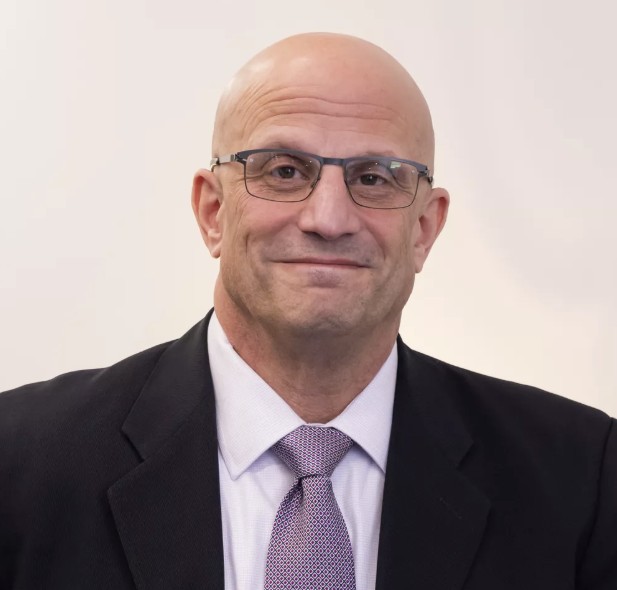
Childhood Obesity Treatment Pioneer
Evan P. Nadler MD served as Co-Director of the Children’s National Obesity Programs and Director of the Child and Adolescent Weight Loss Surgery Program at Children’s National Hospital from 2009 until 2023. He was also a tenured Associate Professor of Surgery, and Pediatrics, at The George Washington University School of Medicine & Health Sciences and continues there as an Adjunct Associate Professor. His current pursuits include pediatric obesity treatment program development, authoring a book on obesity, and educating the public about obesity via his YouTube channel, website, and media appearances. Dr. Nadler is an international leader in the field of child and adolescent obesity, has authored multiple publications and textbook chapters on the topic of pediatric bariatric surgery, and was one of the founding members of the Childhood Obesity Committee of the American Pediatric Surgery Association.