RSS Feed
 Goodpods
 Apple Podcasts
 Spotify
 Amazon Music
 TuneIn
 iHeartRadio
 Pandora
 Podchaser
 Castbox
 Overcast
 Podcast Addict
 Castro
 PlayerFM
 YouTube
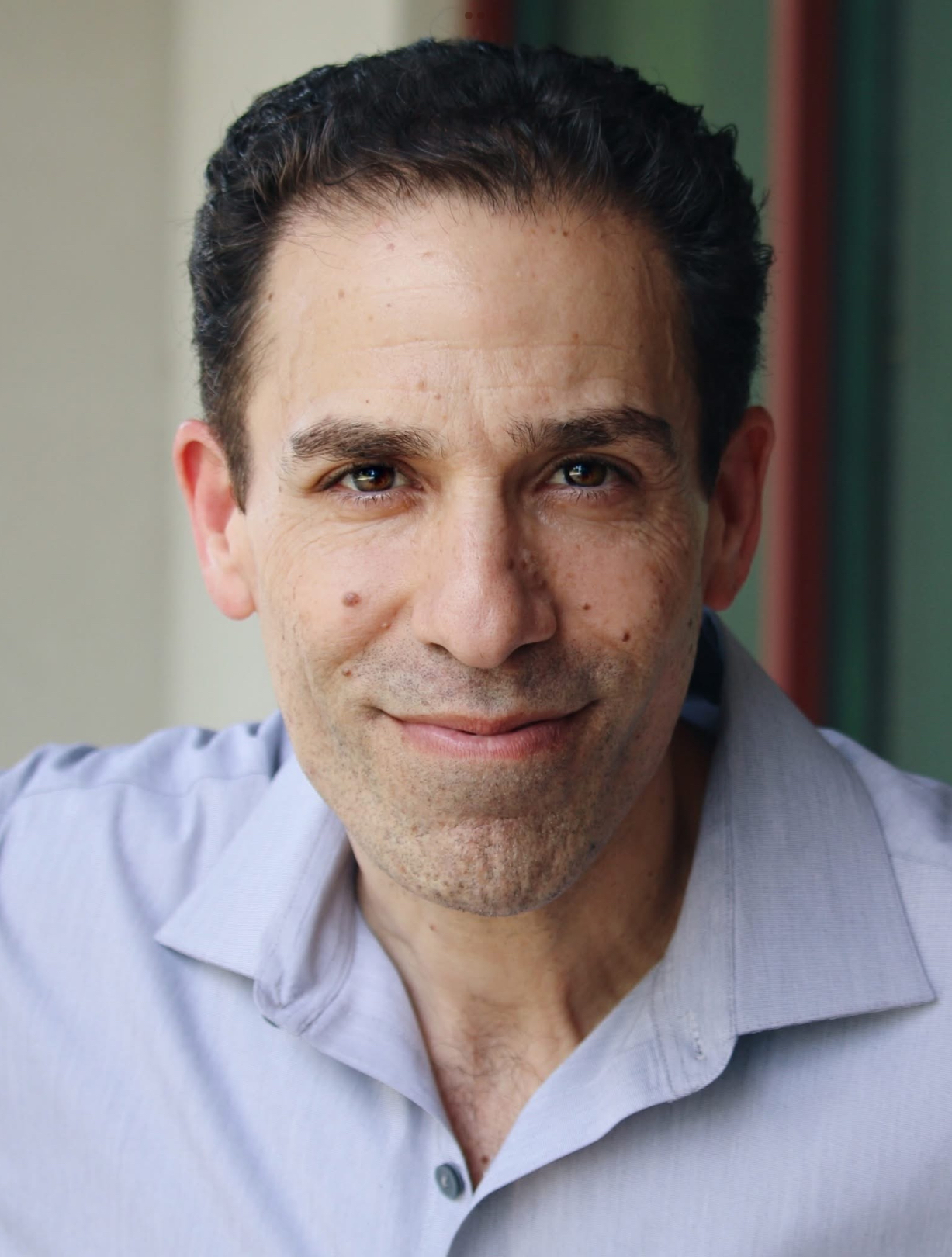
 What happens when a lifelong playwright, filmmaker, and professor finally decides to pursue a dream he's carried since childhood? In this inspiring episode, Rich sits down with Seth Panitch to discuss his debut novel, Antique, and the powerful journey that led him to become a first-time novelist in his 50s.
Their conversation explores the difference between value and worth, the importance of history and human connection, and why it's never too late to reinvent yourself. Seth also shares invaluable advice for aspiring authors about publishing, finding an agent, and building a writing career.
What happens when a lifelong playwright, filmmaker, and professor finally decides to pursue a dream he's carried since childhood? In this inspiring episode, Rich sits down with Seth Panitch to discuss his debut novel, Antique, and the powerful journey that led him to become a first-time novelist in his 50s.
Their conversation explores the difference between value and worth, the importance of history and human connection, and why it's never too late to reinvent yourself. Seth also shares invaluable advice for aspiring authors about publishing, finding an agent, and building a writing career.
Sponsored by Harford County Health Department
Guest Bio:
Seth Panitch is an award-winning playwright, filmmaker, director, professor, and author. He serves as the Head of the MFA Acting Program at the University of Alabama and has directed productions around the world, including numerous collaborations with the National Theatre of Cuba. His debut novel, Antique, combines mystery, history, magical realism, and emotional self-discovery while encouraging readers to reconsider how they define success, value, and personal worth.
Main Topics:
· Seth's journey from playwright to first-time novelist
· Why it's never too late to chase a lifelong dream
· The inspiration behind Antique
· The difference between value and worth
· Learning from older generations
· The role history plays in shaping our lives
· The emotional process of writing fiction
· Character development and outlining techniques
· Publishing with Grand Central Publishing
· Finding a literary agent
· Marketing a book as a debut author
· Why every author should appear on podcasts
· Advice for aspiring writers
Resources mentioned:
Episode Sponsor: Harford County Health Department
Website: sethpanitch.com
Books
- Antique
- Harmony (upcoming)
- Puzzling (upcoming)
- Artificial (future project)
- The Shining
- Hero with a Thousand Faces
People
- Stephen King
- Joseph Campbell
- Lily Turner
- Joel Zwick
- Ken Follett
- Stanley Kubrick
Organizations
- University of Alabama
- Grand Central Publishing
- Barnes & Noble
- Amazon
- Skinner Auctions
- Sotheby's
TV Shows
- Antiques Roadshow
- Happy Days
- Laverne & Shirley
- Mork & Mindy
- Bosom Buddies
Learn more about Seth, pick up a copy of Antique, and don't forget to leave a review after you've read it. If you enjoyed this episode, subscribe, leave a review, and join the conversation by sharing your thoughts or visiting ConversationsWithRichBennett.com.
Celebrate the Magic of Words in Bel Air, Maryland!
Harford County Health Department
To protect, promote, and improve the health, safety, and environment of Harford County residents.
Disclaimer: This post contains affiliate links. If you make a purchase, I may receive a commission at no extra cost to you.
Rate & Review on Apple Podcasts
Follow the Conversations with Rich Bennett podcast on Social Media:
Facebook – Conversations with Rich Bennett
Facebook Group (Join the conversation) – Conversations with Rich Bennett podcast group | Facebook
Twitter – Conversations with Rich Bennett
Instagram – @conversationswithrichbennett
TikTok – CWRB (@conversationsrichbennett) | TikTok
Sponsors, Affiliates, and ways we pay the bills:
Hosted on Buzzsprout
SquadCast
Follow the Conversations with Rich Bennett podcast on Social Media:
Facebook – Conversations with Rich Bennett & Harford County Living
Facebook Group (Join the conversation) – Conversations with Rich Bennett podcast group | Facebook
Twitter – Conversations with Rich Bennett & Harford County Living
Instagram – Harford County Living
TikTok – Harford County Living
Sponsors, Affiliates, and ways we pay the bills:
Recorded at the Freedom Federal Credit Union Studios
Hosted on Buzzsprout
Rocketbook
SquadCast
Want to be a guest on Conversations with Rich Bennett? Send Rich Bennett a message on PodMatch, here: https://www.podmatch.com/hostdetailpreview/richbennett
Disclaimer: This post contains affiliate links. If you make a purchase, I may receive a commission at no extra cost to you.
If you’re interested in podcasting and are looking for equipment and services, here are some of the ones we use and recommend:
Podcast products we have used, use, and/or recommend
Buzzsprout - Let's get your podcast launched - Start for FREE




00:00 - Introduction
02:17 - Meet Seth Panitch
03:32 - Why write a first novel in your 50s?
07:07 - The inspiration behind Antique
10:47 - History, aging, and learning from older generations
14:22 - Value vs. worth
19:22 - From idea to published novel
20:27 - Inside the story of Antique
24:47 - Building unforgettable characters
26:47 - Seth's writing process
30:17 - Saying goodbye to a first novel
32:27 - Favorite scenes to write
34:07 - What Seth hopes readers take away
35:24 - Sponsor Message: Harford County Health Department
35:47 - Reading guides and book clubs
36:47 - Designing the cover
38:17 - Why everyone should read Antique
40:27 - Playwriting vs. novel writing
43:17 - Could Antique become a movie?
46:07 - Landing a literary agent
57:37 - Marketing a debut novel
01:01:07 - Why podcasts matter for authors
01:03:17 - Where to find Seth
01:05:02 - The Fast Five Question
01:06:02 - Rich's Closing Thoughts
Wendy & Rich 0:01
Coming to you from the Freedom Federal Credit Union Studios, Hartford County Living Presents, Conversations with Rich Bennett.
Rich Bennett 0:29
I'm sure you've heard if it's too late to chase that dream you've been carrying around for years. My guest today is proof that sometimes the best chapters of our lives haven't even been written yet. After building an impressive career as a playwright, filmmaker, professor, and mentor to countless actors and artists, Seth Panich decided to take on an entirely new challenge in his 50s, writing his very first novel. What followed was Antique, a captivating story filled with mystery, history, art, hidden treasures, and a deeper exploration of how we determine value worth and purpose in our So joining me today is author, Prenor, playwright, filmmaker, theater professor, and now novelist, Seth Panich, Seth, how's it going man?
Seth Panitch 1:30
That's going great, nice
Rich Bennett 1:31
Rick.
Seth Panitch 1:31
to see
Rich Bennett 1:31
Oh,
Seth Panitch 1:32
you
Rich Bennett 1:32
you too. Look, I want to dig right into this because I love it when I get authors on that it's their first novel usually like After Retirement or whatever. So I mean you in your 50s I had another young lady on she was in her 70s when she were
Seth Panitch 1:55
her
Rich Bennett 1:55
book. I had a we had another young lady on who is taking a break from writing because she needs she needs to have an eye surgery done her or something like that. But yes, she still has a trainer and she's still going to be writing and she's 101.
Seth Panitch 2:14
Oh, wow, that's fabulous.
Rich Bennett 2:15
Yeah.
Seth Panitch 2:15
That's
Rich Bennett 2:16
So
Seth Panitch 2:16
great.
Rich Bennett 2:16
that means you got 50 some more years of
Seth Panitch 2:18
up.
Rich Bennett 2:18
writing
Seth Panitch 2:18
Yeah,
Rich Bennett 2:19
to catch
Seth Panitch 2:20
man, I am an, I am an infant. Oh, and and yeah, I haven't retired from my Clark Kent job yet. No, I'm still teaching, yeah, I'm still head of the MFA acting program at University of Alabama. So I have to sneak my writing during the school year. It's the summer now. So this is when I can write full time. But you know I have to I have to do it in late afternoon's and weekends. And so you know, I really got a fight for my writing during the school year.
Rich Bennett 2:47
So what was it that triggered your mind and said, I want to write a novel.
Seth Panitch 2:51
Insanity.
you know, actually Richard something I always wanted to do when I was a
Rich Bennett 2:58
Yeah,
Seth Panitch 2:58
kid. One of my first loves was reading. And I used to love to just sit in my room and read because I felt transported by it. And so I always had these dreams of one day being a writer. And I went into theater as a young kid. It actually straightened me out. I was a tough nut to crack for my teachers. And there was something about being in drama and in plays that really straightened me out. And my grades went from like not so great to I never got anything under a B plus after I started doing drama the rest of my life.
Rich Bennett 3:31
Wow.
Seth Panitch 3:32
So I loved acting, but in college, of course, you know, I said I'm not going to be an actor. You can't make money in that. Can't be in theater the rest of your life, which is what I did, but I said I couldn't. So I went through like 50 different majors. And one of my minors was creative writing. And so so I went into acting because I thought it would help my creative writing. The problem was that these doors kept opening for me these beautiful golden doors. I went to the grad school, the grad school I wanted, my number one choice. I got into the Shakespeare festivals I wanted. I wrote a play and that went to New York. Like two years after grad school, I was doing a play off Broadway with Lily Turner, Rich, who founded the off Broadway movement. She was 92 when she produced my play, my first
Rich Bennett 4:16
Wow.
Seth Panitch 4:16
play. And so she had started the village gate and the village cricket and she knew everybody. And what I loved about her is that everybody was a schmuck. So she knew Hemingway and he was a schmuck. And she knew this guy and he was a schmuck. So she was like real old school. it's like another grad school for me. And so these doors opened my whole life. Uh, and then when I wanted to teach I got this great gig at Alabama, Fabulous gig, this universe, you've been so supportive of me. It supported me to go act in any Shakespeare Festival I want, put me up. They have helped to fund my films. They have helped to fund 5 off Broadway plays for me. They have set me down a Cuba 12 times to direct with the National Theater of Cuba. So again, the doors open. It was during COVID, Rich, where we all had a little bit of chance to just think which I really didn't have. And I thought, 'God, there's a door that I never looked at that I always wanted to'. And so I took up out a year and read all the books I could on writing. And I also started, Rich, rereading books that I loved to ask myself, why am I drawn in to try and paint what that is, what that bell curve is, and then I wrote what I don't call my first novel cause I don't even know if it was a novel. It was a big fat mess. And that taught me how to write antique. So it's, so you know, you could say it's a long time coming, but on the other hand, everything I've done is why I think antique is successful. I'm using my life experience in it, which we all need to do as
Rich Bennett 5:48
Right.
Seth Panitch 5:49
writers. You know, I tell my actors that they're never going to grow the actor. They can grow technique in a class, but they can't grow the actor. They have to be outside of the building and not acting. I believe that you have to be outside of your art form to grow the person. And it could mean sailing around the world. It could be picking up a new hobby, or you know, whatever it is. And so I think all those things that I did help me. And certainly we can talk later about how I think acting and directing and writing and filmmaking has all informed the way that I write a book.
Rich Bennett 6:20
Oh, yeah, definitely. So, but with the with antique, what was it about this story that actually made you say this one has to be a novel?
Seth Panitch 6:31
I've always loved antiques for a show. In fact,
Rich Bennett 6:33
Okay.
Seth Panitch 6:34
when I direct at the university, you know, I'm teaching all day long. And then I have maybe two hours. And then I go back you know, back into the university and then I direct from six to 10 every night. Six nights a week. So it's a brutal schedule.
Rich Bennett 6:48
Yeah,
Seth Panitch 6:48
So I always used to take a nap between, say, like four and six. And the only thing that could put me to sleep was antiques for a show. Not because it's boring, but because it was so soothing to hear people really know what they're talking about. So I've
Rich Bennett 7:01
show.
Seth Panitch 7:01
always loved to
Rich Bennett 7:02
Yeah.
Seth Panitch 7:03
I was watching this episode. It was actually a rerun of something from the I think the late 90s or the early arts rich and you might have seen this episode. It's very famous. There's an older gentleman and he's got this old beat up rug. He thinks it's worth maybe a couple hundred bucks. And they tell him it's worth $500, 000 because it's a Navajo chief
Rich Bennett 7:20
Oh,
Seth Panitch 7:20
blanket.
Rich Bennett 7:20
yeah,
Seth Panitch 7:21
Yeah. Yeah. And remember he just starts crying hysterically like these tears coming down. And what he kept repeating was my my grandparents, they were just poor farmers. And so what I realized is that he was saying not that the blanket was worth that much money, but that his family had that kind of
Rich Bennett 7:38
yeah,
Seth Panitch 7:38
worth.
Rich Bennett 7:38
yeah.
Seth Panitch 7:39
And I thought isn't it beautiful that we still have art forms and people that can do that for each other. And then I thought, isn't it sad that we need it? And so from there I got the idea of antique which is how do we determine our worth? Is it how many thumbs up we get on social media?
Rich Bennett 7:56
Right.
Seth Panitch 7:57
Is it is it the the amount of accolades that we receive? And that's something that I battle with as well as someone that's won awards. I mean, is that what I'm defined by? And if I don't win those, what does that mean about me? So, I was going through the same thing in my early 50s. And that's where the idea came.
Rich Bennett 8:12
Wow. I yeah, I love that show, antiques roach show.
Seth Panitch 8:16
Yeah.
Rich Bennett 8:17
And the thing that gets me when you watch that show is just I like to refer to his art, the pieces that people
Seth Panitch 8:26
bring.
Rich Bennett 8:27
Especially when you see some of the bosses and all that.
Seth Panitch 8:30
Yeah.
Rich Bennett 8:31
Yeah. And all the hand made stuff. It's just.
Seth Panitch 8:34
Oh, it's
Rich Bennett 8:34
It
Seth Panitch 8:34
beautiful.
Rich Bennett 8:35
is.
Seth Panitch 8:35
And the history of it
Rich Bennett 8:36
Oh, yeah.
Seth Panitch 8:36
too, and and and then to hear about who had it in their family. And and how these pieces, like you say, how these pieces crossed like Abraham Lincoln drink from that cup. And just to see that you really can't touch back at history. And I'm sure archaeologists feel this way by, by holding something that some famous person held or some person that you admire held, you know,
Rich Bennett 9:01
you know, and I think that's something that too many of us take for granted is history because,
Seth Panitch 9:08
you
Rich Bennett 9:08
and
Seth Panitch 9:08
know,
Rich Bennett 9:08
I I've said this before, no, even if you go somewhere, no matter where you go, just stand and reflect on where you're at and think about who
else
Seth Panitch 9:20
there.
Rich Bennett 9:20
has been You know, when you're looking at
Seth Panitch 9:23
it. Yeah.
Rich Bennett 9:25
Don't just look at you know who created the art but the history behind it like the
Seth Panitch 9:31
histor
Rich Bennett 9:31
paints the paints how the paints were made mm-hmm everything you look at all the my boy thought I was crazy because she had this little figurine and I figured I think it was a deer or something and I'm just
Seth Panitch 9:44
I'm
Rich Bennett 9:44
looking at you guys really I said just look at all the detail in
Seth Panitch 9:48
yeah
Rich Bennett 9:49
the amazing
Seth Panitch 9:50
yeah the craft that goes into it and it's interesting that you say that I think we can also rich extrapolate into... you're saying that that people don't pay enough attention to history and what it can give you just by touching back at that I think that's the issue and it's the central issue of the book of how the our society looks at age and I mean American society
Rich Bennett 10:10
yeah
Seth Panitch 10:10
we do not respect age that's why I put those two definitions at the beginning of the book which is antique is something rare and valued or the second definition is old washed up and I think that that we look at at our older population as old and washed up we just want to put them in a home and yet the wisdom that they've acquired from the crises that they've been through is a that's why I was so happy to work with Lily when I was younger is a wealth of knowledge that we, we just don't pay attention to in this society and it's and it's at it's why we keep making the same darn mistakes
Rich Bennett 10:50
yeah
Seth Panitch 10:51
and it just it blows mine I did a lot of things wrong as a kid but the one thing I did right in high school is that my side job was to work at a adolescent hospital
Rich Bennett 11:01
yeah oh why
Seth Panitch 11:02
and obviously I didn't know I don't know anything about the physical side of it so my job was just to go into the room and talk to people and just talk like you were talking about some of the people on your show or like 80s and 100 just to talk and hear those stories just reminded me that you know someone's already done this I mean everything's probably been done before so why not talk to somebody that did it right and steal that or why don't you talk to somebody that admits they did it wrong and don't do that and I just don't think we do that as a society
Rich Bennett 11:34
no we don't and that's one of the things I used to love as a kid was going to the vfw's in the american legio with my father and just
Seth Panitch 11:42
these
Rich Bennett 11:42
talking guys and hearing the stories
Seth Panitch 11:46
it
Rich Bennett 11:46
just even the I missed those times because when I was younger the vfw I would listen to these guys but family you know like old aunts and uncles I a lot of times I would just ignore it and I kick
myself in the ass because I wish I would have listened my thank god my sister listened so
Seth Panitch 12:08
yeah
Rich Bennett 12:08
she knows the stories that's
Seth Panitch 12:10
great
Rich Bennett 12:11
but yeah it's like oh god I miss out on so much and I think people today especially the younger generations just need to sit down with the older people and talk to them and find out what they've done what they're all that stuff
Seth Panitch 12:26
yeah yeah well we've told them they don't have to and that's the problem and I mean I mean the way that we market to them you know this whole thing about commenting this didn't start on social media you remember this started on businesses businesses would say you know leave it quietly and they'd never read these comments but they'd make you feel like you had skin in the game so we've done this to our youth so often and especially with social media this commentary that they now equate opinion with fact
Rich Bennett 12:51
yeah
Seth Panitch 12:51
so why on earth do they need to talk to someone who's 90 when they already know everything and I see this as a college professor a lot of students come to college not to learn but to be told that they're already right and that's and and I'm seeing that now in the last 3 years it's something I've been here for 21 years so this is not a gradual thing this came out of covid this came out of how we treated youth during covid how we baby them and infantize them and I'm lucky that the students that want to come into my class already know that I'm a tough SOB so they come ready to work so I don't have those problems but I see that across the university in in the population
Rich Bennett 13:35
yeah well you know and speaking of that you know one of the most powerful ideas in your book is the difference between value and worth
Seth Panitch 13:45
yeah
Rich Bennett 13:46
why
Seth Panitch 13:46
yeah
Rich Bennett 13:46
was that distinction so important for you to explore
Seth Panitch 13:50
because I'm going it myself you know we talked about that before you know I've I've and this is you know over the I've always jumped through hoops that's that's the way that I work unfortunately and so so I went and I got 10 year early and then I got associate professor early full professor early and then I went up for every award that the university could give and I got them all real young yeah And so I sort of run out of things that I can go up for. And so I'm struggling with what my worth is, because I know what my value is, right? I see my CV. But the problem with all of those things, what I've learned, is that they are like heroin. They gave you this big pop that not that I've tried heroin. But I assume, right? Mom, if you're listening, I have not. All right, you don't have to jump off a bridge. But it's a huge pop when you win that award. And it lasts for about eight hours. And then it's done. And you feel lower afterwards, because you've got to fill that hole. And I've been doing that my whole life. And it's caught up to me physically in my high blood pressure, and so it's made me have to... I think my body was telling me things that my mind didn't grasp yet.
Rich Bennett 15:15
Okay.
Seth Panitch 15:16
And so I'm in that battle between worth and value. And also, as I do look forward to retiring, which I'd like to do in either two or four years, I can retire from the university and relatively comfortably. I'll do it in two if I sell my second book. If I don't, I'll stay four years. It's
Rich Bennett 15:34
Right.
Seth Panitch 15:34
just what I'll do. But then I'll write then. So I'm facing a life without being a professor where every student looks up to you. And students come specifically to this university because they think that I can help them to the next level, which is a great honor.
Rich Bennett 15:49
Yeah.
Seth Panitch 15:50
So without that constant honor, what am I? And so I've got to find my worth before I retire, 'cause it already makes me anxious. Without students, without having 20 students every semester, running the class to have class with me. It's a big, It's an honor and of course, honestly, it's an ego boost rich. To have that many young people think that I can help them is an ego thing.
Rich Bennett 16:18
yeah.
Seth Panitch 16:18
So that's weird. Is it something that I'm battling myself?
Rich Bennett 16:22
Seth, I have a funny feeling. When you retire, you're gonna be busier than you are now.
Seth Panitch 16:27
Yeah, yeah, probably am. I probably am.
Rich Bennett 16:29
Which is a good thing.
Seth Panitch 16:31
Yeah, it is. Yeah, I agree with you completely. And I think that we have a misconception of what retirement means. Retirement means you leave the job you're in.
Rich Bennett 16:39
Yes.
Seth Panitch 16:40
It doesn't mean you stop.
Rich Bennett 16:42
Yeah, you just don't go home and sit in a recliner
Seth Panitch 16:44
You don't say,
Rich Bennett 16:45
every day.
Seth Panitch 16:46
no. And I think even just traveling at some point is not enough. I think that the musculature of our minds has been built up, especially people that have worked. You know, I have friends that retired much earlier than me and good on them, those lucky bad.
But, you know, but it's not gonna be for me. But you know, my dad worked until he was in his early seventies. And so his mind was so facile
Rich Bennett 17:10
Yeah.
Seth Panitch 17:10
and filled with, he was a doctor with so much information, that he probably should have worked afterwards in another thing, and he did a lot of traveling, he loved it, and he loved that life, because he'd worked so hard. But I think he might even be happier now if he had taught afterwards, maybe just one class a week. It's like having a Ferrari that you don't drive.
Rich Bennett 17:34
Yeah.
Seth Panitch 17:35
It doesn't make a lot of sense. You still gotta drive your mind. And you know, my mother still works, you know, and she's pushing 80 and she still works as a therapist and she has groups, and I think that's what keeps her facile enough to annoy me
Rich Bennett 17:51
time.
Seth Panitch 17:51
all the
Rich Bennett 17:54
(people laughing)
Seth Panitch 17:55
'Cause that's also part of her job, but she does it
Rich Bennett 17:57
(people laughing)
Seth Panitch 17:57
very well.
Rich Bennett 17:58
I don't think, well, I don't wanna say I don't think, I don't want to retire,
Seth Panitch 18:04
said
Rich Bennett 18:04
and I've
Seth Panitch 18:04
a
Rich Bennett 18:05
million times
Seth Panitch 18:06
a-
Rich Bennett 18:06
I'll be
Seth Panitch 18:06
Yeah.
Rich Bennett 18:07
There's all that I'll still be doing this.
Seth Panitch 18:09
Yeah!
Rich Bennett 18:09
But when you love something, you just keep doing it, but now I...
Yeah.
You found a new love, and
Seth Panitch 18:16
yeah.
Rich Bennett 18:17
Writing, yo.
Seth Panitch 18:18
Yeah, I'll do it forever. I will do it as they're putting me in the coffin. I'm gonna write on the back of the coffin. I'm gonna keep doing it.
Rich Bennett 18:26
We
Seth Panitch 18:26
Yeah,
Rich Bennett 18:26
some ice phone rings. Hey, it's Seth, I'm
Seth Panitch 18:28
right.
Rich Bennett 18:28
in here. Can you bring me a new pen? (people laughing)
Seth Panitch 18:31
Bring me my pens out. You know, I'm dead and so is my pens.
Rich Bennett 18:35
Oh, geez. Are you still with Antique? When the thought first came to your
Seth Panitch 18:41
mind, (people
Rich Bennett 18:42
laughing) to the point when it became published, what was that time frame?
Seth Panitch 18:48
Okay, so it came to my mind probably in...
Well, I know it took me a year from writing it to selling it. It took 12, well, researching it is December. So it took a year and five months.
Rich Bennett 19:07
Okay.
Seth Panitch 19:08
From the point where I started researching it, so probably
Rich Bennett 19:12
two years.
Seth Panitch 19:14
Two years. Okay. Two years. Yeah. Writing it to sound. Well, then there was... So just until I got, until I got, until I got, until I got it sold or until I got it published.
Rich Bennett 19:23
Published,
Seth Panitch 19:25
okay, so, so, so I'd say three and a half years.
Rich Bennett 19:29
Okay.
Seth Panitch 19:29
Three and a half years, cause publishing was another year and a
Rich Bennett 19:32
Alright,
Seth Panitch 19:32
half.
Rich Bennett 19:32
and we're going to talk about that in a little bit cause I'm,
Seth Panitch 19:35
expiring
Rich Bennett 19:36
authors to hear your journey as an author. But I want to hear more about the book first. So tell us about the,
Seth Panitch 19:43
yeah,
Rich Bennett 19:44
characters and how you came up with them.
Seth Panitch 19:46
Sure, sure. You want to hear like the two minute story of it. Basic.
OK, OK, we'll do, we'll do the pitch first, so, so the pitch is, um, for those of us like you and I have watched antiques, Rochelle a lot, you know, people come and they bring these incredible heirlooms to them, these geniuses tell them what it's worth. The people are always asking, what is this worth? But we know that they're really asking what am I worth? And Gray Schaefer, who is our hero, has lost the answer to that question. She's one of the primary appraisers on antiques, Rochelle loves her job adores her husband, he's the host of it. He's very outgoing and debonair. Unfortunately, he adores his young assistant a little too much. They have an affair and the humiliation forces her off the show. So she's galloping a pace towards 50 without her job, without her husband and without her father, who's passed. And he was her North star. He was a big wig in our history, and he was head of art history at Columbia, and she was just getting to the point in her life, which she could talk to him as an equal. And the other way he can communicate is through art. So the only way she could talk to him was through art and she's finally at that point, professionally, he passes. And she's left with a mother that mystifies her as mothers sometimes do. And so she crawls off the mat at some regional antiques, Rochelle in the middle of nowhere, they have these minor leakers all over the country, and she finds this old beat up necklace that she actually takes from someone she buys it off of them, which she's not supposed to do. Because there's something about it that she's drawn to and the people are trying to sell it. And when she wears it, she can't tell people that someone's beat up book is only worth $5. She tells him it's worth $5, 000, and she's terrified she's going to get fired because when they go to market, it's not going to sell for that. But when the people take it to auction, it sells for exactly that amount of money. So this object that she's wearing is some kind of ancient force that mixed with her allows hers, the two of them together grow together to set the price of things based on what it means to the family, not what it means to the market. This makes her famous again puts her right back on an antiques roadshow and on the path of her holy grail and every antiqueer has that one piece that's been lost the time that they've been looking for their whole life that they think is going to crest them, and she gets back on the track of this painting that's been lost for 120 years and it's something she talked about with her father, so it's a way to communicate with him. But the question is is she trying to answer that question of what I'm worth in the wrong direction? What is it worth? And what am I worth? And that's the piece.
Rich Bennett 22:23
So this sounds like to me, this is a correct me if I'm wrong. So I'm hearing history,
Seth Panitch 22:33
a
Rich Bennett 22:34
I'm like fiction here magic. So I'm a romance,
Seth Panitch 22:40
yeah.
Rich Bennett 22:41
And I'm also hearing some self help.
Seth Panitch 22:45
Yeah, there is. It's self discovery,
Rich Bennett 22:47
right? It's yeah.
Seth Panitch 22:48
And it's really, it's a resuscitation story.
Rich Bennett 22:52
Okay.
Seth Panitch 22:53
Right? It's about someone who's professionally and emotionally dead. She just doesn't know what to do anymore. She's on the ground and she's looking up and everything looks dark to her. She doesn't know how to take a step. And so it's about how we can find that from looking within our self, yes. But I think the first step is looking outside of our self and she has this magical piece that she can commune with. But in her process, she also looks to an older gentleman as a mentor. We've talked about that already, about that need, she gets, she creates new friends. She, she finds herself by looking outside of herself first. And then when she's comfortable there inside herself, which is sort of the reverse of what you
Rich Bennett 23:43
Right.
Seth Panitch 23:44
hear a lot, people say, well, you got to be comfortable with yourself for even kind of, well, I think for her, it's a different story, because I think she doesn't even know what she is. She has to see herself reflected in the eyes of another person, so it really is a resuscitation story.
Rich Bennett 24:00
Was there any of yourself hidden in Greece?
Seth Panitch 24:03
Yes, all of it.
Rich Bennett 24:04
Really? Okay.
Seth Panitch 24:05
all of it. I because I'm an actor and I
Rich Bennett 24:08
Yeah.
Seth Panitch 24:08
spent my whole life acting, everything I write is me. In fact, every character in the book has a part of me. Now, it may be a tiny part of me, a tiny part of me, so her husband's drive and his need to be in the spotlight is me.
Rich Bennett 24:24
I
Seth Panitch 24:27
think the only character that I'm not and I'm in Grace's father, who's, again, very driven and can be very cold about it and sometimes only speaks in these terms. The only character I'm not is Grace's mother and Grace goes through the whole piece discovering about her mother as well. Her mother to her is a cipher, but she learns that her mother is much richer that Grace is not looking correctly at the painting that her mother is. She's not looking at the colors, she's looking past it and her mother is not me. That's the only character and she's a major character. She's a compilation rich of my mother and the women on my mother's side of the family, specifically my mother's mother, who I actually never got to meet. She died before I was born and so there's a mystery to Grace's mom and that's because I never got to meet my grandmother. She died a year, less than a year before I was born.
Rich Bennett 25:22
Wow, okay. And as we get older, I think a lot of us, we start looking at our parents and our grandparents. And definitely.
Seth Panitch 25:33
Yeah, we do. It's in phases, isn't it? I mean, it's in phases. We worship them when we're young, then we get older and they fall off that pedestal hard sometimes. And then they kind of climb back up a little bit, you know, as we sort our stuff out, you know, as we get older and stop trying to project things on top of
Rich Bennett 25:56
Right.
Seth Panitch 25:56
them. I've done that with my parents as well.
Rich Bennett 25:58
Was that something you were intentionally exploring through Grace's journey?
Seth Panitch 26:05
I don't and I hope I don't sound stupid by saying this. I don't intentionally explore anything specifically.
Rich Bennett 26:12
Okay.
Seth Panitch 26:13
I have an idea and sort of gestalt about what the thing is, it's more like hearing music before I write, so it's fuzzy. I don't really know what I'm exploring until I write into it.
Rich Bennett 26:30
Okay.
Seth Panitch 26:31
I outline like crazy rich. I mean, it takes me a month to outline and I have probably a 30 page idea document, which just as ideas and philosophies, and like you're talking about now, you know, concepts that I might want to look at during the piece. So yeah, that is in there, but I don't use all of them and I don't look back at it when I write. It's just a way to freeform before I write and names of characters and aspects of characters. And then I have a character outline of every major character. So it's probably two pages on each character. And it's what does she want? What does she need? What's stopping her from getting both when does want the need cross in the middle? What is the climax of want? What's the climax of need? What is she terrified of? What is she attracted to? What is she revolted by? What is her history? A little paragraph on history. You know, what's, so I do that for every character. And then I do basic outlines, which are a lot like here over a thousand faces, Joseph Campbell, which is, which is those mythological, because I believe in myth, I believe in the human myth, and I believe in the collective unconscious, and that I want to tap into that in the reader. I want to, I don't want to write for specific groups, I want to write for everybody. And, you know, I don't like to tribalize art. And I think that a lot of people today do that. They just write for people that look and talk exactly like them. And, and so it's a very general outline. And then I have a step outline of every single scene. chapter in the book and it's like a little paragraph on every, and that's about 50 pages long.
Rich Bennett 28:11
What
Seth Panitch 28:11
So I do that. So, so I have a lot of firm, I not, not, it just gives me the confidence,
Rich Bennett 28:18
rich,
Seth Panitch 28:19
to it, to improvise, because improvisation scares me. But it's, it's what we do. Like, what
Rich Bennett 28:27
now?
Seth Panitch 28:27
you're doing
Rich Bennett 28:27
Yeah.
Seth Panitch 28:28
It's, it, so, and you've prepped, but, but you can't perform your prep, and you can't write your prep. But the prep is in you. And if you, in improvising, if you don't use it, then you didn't need it.
Rich Bennett 28:42
That's
Seth Panitch 28:42
But,
Rich Bennett 28:42
true.
Seth Panitch 28:44
you still have, I, but I still think you have to write it down, you can't start from nothing. Some writers can't, I can't do that. Steven King can do that. He doesn't outline. Um, but, but, and I revere him.
Rich Bennett 29:12
Ye,
Seth Panitch 29:12
You know, when you improvise, you just, you, you're going to the subconscious place. I think that's why he got caught on drugs and alcohol because it, it takes you to that place.
Rich Bennett 29:20
yeah.
Seth Panitch 29:21
Um, so, yeah,
Rich Bennett 29:23
mmh,
Seth Panitch 29:34
that's a great question, man. Um, my hardest scene with Grace is how she says goodbye at the end of the book because it was such. An enjoyable experience to write that first draft, that it was very emotional for me to say goodbye to it.
Rich Bennett 29:50
Wow.
Seth Panitch 29:51
Very emotional to me. I cried like a two year old. It was, it was a rough, it was rough to finish that first draft. Um, and I didn't put it off, but it was, it was, that was very difficult to write, not difficult to get the words down, but it was, it just felt
Rich Bennett 30:08
Yeah,
Seth Panitch 30:09
tough to do because I was saying goodbye to a character because, you know, rewrites are lovely, but they're not the
Rich Bennett 30:15
it's not
Seth Panitch 30:16
first
Rich Bennett 30:16
the
Seth Panitch 30:16
draft. Yeah, you don't transform in a
Rich Bennett 30:18
same,
Seth Panitch 30:19
rewrite.
Rich Bennett 30:19
nah.
Seth Panitch 30:19
It's, it's, cutting and shaping and adding and it's, you know, it's more like surgery. Um, it, you know, it's not, it's not like song.
Rich Bennett 30:29
it's, it's really, you're
Seth Panitch 30:30
And, and that, you know, that first draft, a lot of people hate the first draft. I really override. I mean, the first draft of antique was 460 pages, it's 360 now.
Rich Bennett 30:41
how, how many did you
Seth Panitch 30:42
Yeah,
Rich Bennett 30:42
say it first?
Seth Panitch 30:43
It was 460.
Rich Bennett 30:44
Wow. Okay.
Seth Panitch 30:46
And it's, it's 368, but, but I added a ton with my editor and my own. So probably in the end I cut 200 pages out of that because I also added 100 pages. So, um, my, my first draft of Harmony, my second book that I'm working on now was 500 and 68 pages.
Rich Bennett 31:00
See, I think that's why books need to have an uncut version like you have with movies.
Seth Panitch 31:07
Yeah, that's a great idea. Yeah, just, I mean, someone can read the first one. If they really love it, wouldn't they like to see it? Rings and yeah, you know, some authors do that,
Rich Bennett 31:17
Just,
Seth Panitch 31:17
Rich.
Rich Bennett 31:17
oh,
Seth Panitch 31:18
there's a scene that they love. They just throw it in another book. I've seen
Rich Bennett 31:22
Oh, yeah, yeah, in
Seth Panitch 31:23
you
Rich Bennett 31:23
another,
Seth Panitch 31:23
know, yeah, like reading it, you're like, and they'll say, well, this was something I was working on in my former book and I really loved it. It's like, hey, it worked. So great. Use it. You know, musicians do that
Rich Bennett 31:33
Oh,
Seth Panitch 31:33
too.
Rich Bennett 31:33
yeah, I said, what was the for you? What was the best part of the book to write
Seth Panitch 31:45
the, um, for me, the best would be the most exciting scenes, and those would be the, um, the auction sequences.
Rich Bennett 31:53
okay,
Seth Panitch 31:53
There are three major options in there. There's, there's Skinner's Massachusetts Skinner's Boston. So Skinner's Boston is the bigger one. And then there's other bees and, and, and there's a there's an auction near it's other bees. You can, you can see on YouTube. If anyone's interested, go to YouTube and look at their options. It's people are paying millions and hundreds of millions of dollars. It's unbelievable. And they don't have the money. I don't know how these people can do it. The main auctionier is Brett. And this guy looks like, um, the nightmare mayor before Christmas guy, um, Jack, uh, whatever.
Rich Bennett 32:29
Yeah, yeah, the skeleton.
Seth Panitch 32:30
Yeah.
Rich Bennett 32:30
Yeah,
Seth Panitch 32:31
the long arms. He's tall. And he leans over that lectern and, and the way his body moves. It's like a spider. And he uses humor. But he also pushes people all the time. And I really tried to distill him into the book. So writing him was a lot of fun.
Rich Bennett 32:51
Okay.
Seth Panitch 32:51
Like it's like if he gets a, if he gets a number to the right, he'll look to the left and he'll say, they're against you, sir. Not do you have another thing. They're against you. He puts people in battle. And it's those were the scenes that were the most fun to write, um, just to write those battle sequences back and forth. And people don't have the money and yet they do it anyways. And, and, and so that's that those are my favorite scenes.
Rich Bennett 33:15
So what do you hope that readers get from the safe 30 finish.
Seth Panitch 33:19
I hope they get what I got at her writing that first draft. I, that's my ultimate hope. Is it someone would leave this?
Seeing their own worth grow a little bit. Um, and maybe looking at someone in their life differently. Um, mostly themself. I mean, I'd love for them to leave the book and say, I got something else to give,
Rich Bennett 33:46
yeah.
Seth Panitch 33:48
especially for somebody who's 40 and up. If it's younger than 40, I'd love somebody to come away thinking, I really need to look closer at my parents. I need to look closer at my grandparents. I need to learn about my great grandparents. That would be the thing that I'd love. And I'd love them to be transported. I'd love them to put that book down and say I went somewhere that was exciting and was pleasurable and was positive in a world where there's very little of it. That would please me.
Rich Bennett 34:21
That's what makes a good author. When you're painting that picture for people.
Seth Panitch 34:25
Yeah.
Rich Bennett 34:26
I mean, yeah, I love that. You're listening to the conversations with Rich Bennett. We'll be right back.
Harford County Health Department 34:37
The Hartford County Health Department can help eligible pregnant women and children with low to average incomes get free health insurance through the Maryland Children's Health Program. Call 410-877-1040. That's 410-877-1040.
Rich Bennett 34:52
I want to get into some other parts about the agent or that. But a couple of questions I have to ask you first before get there. Number one, you have something in your book I've never seen anybody else do. And I love it. At the very end you have a reading group guide. What made you decide to do that?
Seth Panitch 35:20
Well, I'm not going to take credit for that.
Rich Bennett 35:22
Okay.
Seth Panitch 35:22
That was something that my
Rich Bennett 35:24
did.
Seth Panitch 35:24
publisher
Rich Bennett 35:25
Really? I've never
Seth Panitch 35:26
Yeah. So that's something that Grant Central did. Just so people could sit in like book clubs and spur conversation because they really want this to get to book clubs. Now, they did ask me to, once they had the questions, if I like them or if I didn't like them,
Rich Bennett 35:47
seen --
Seth Panitch 35:47
so
Rich Bennett 35:47
right.
Seth Panitch 35:47
they were a few that I didn't like that we threw out. And a few that I -- I -- I felled with a little bit. But I'd say at least 75 to 85 percent of that is their text.
Rich Bennett 35:55
I love it. I'm
Seth Panitch 35:56
Yeah.
Rich Bennett 35:56
doing great. And
Seth Panitch 35:58
Yeah.
Rich Bennett 35:58
who
Seth Panitch 35:58
Yeah.
Rich Bennett 35:58
is it that created to cover because that is an awesome cover?
Seth Panitch 36:02
I'm going to -- sorry, I'm going to forget the name. I put them in the acknowledgments at the end.
Rich Bennett 36:07
Okay.
Seth Panitch 36:08
I was able to -- and one of the exciting things about being a novelist is that they let you choose the artist,
Rich Bennett 36:13
Right.
Seth Panitch 36:14
and so they give you a choice of like three to five and I gave them my top three. And I think this was within my top three, this person. And the first -- and they let me give them ideas about what I wanted on the cover. And I wanted an attic and I wanted a window and I wanted stars in that window because stars are so important in the piece. And there's a single star in there which people will not understand until the second to last chapter. And I wanted items in there that people could see in the book, so when they close the cover they could keep seeing things that they'd read about as they went through. I think they're about four items on the cover on that. And so -- and so I gave them those notes and then the -- then the artist came back to me with a couple of rounds on it. And it was
Rich Bennett 37:01
Wow.
Seth Panitch 37:02
-- that was very exciting to see that develop and talk about colors and everything, but a lot of people are responding to the cover, which is great. I mean, that's so important to get somebody to turn the thing over and look at the reviews,
Rich Bennett 37:12
The old saying was, "Never judge a book by the cover, but it's a cover that's going to make people pull
Seth Panitch 37:20
it
Rich Bennett 37:21
that
Seth Panitch 37:21
sells.
Rich Bennett 37:21
book." Yes.
Seth Panitch 37:22
Correct, correct.
Rich Bennett 37:24
Very much so, and it's -- oh, it's amazing. I love it. All right, so before we start it -- oh, actually, before we get into that, tell everybody why they need a purchase of this book.
Seth Panitch 37:36
Why they need it. That's a good question. Well,
I think this goes back to what we were just talking about, which is that people need it because we go through the day this society today, being faced with things that make our self-confidence seep out of us. It's like Asmotic. We're pulled, we get on the road and everybody's yelling at us, we're either too fast or we're too slow. We were judged by what car we drive. We're judged by where we live. Our sense of value is so challenged throughout the day and then we get home and I'm not a big social media person, but for people that are huge on social media, it's really difficult because if you go on Facebook, you see all these people and you see these incredible lives that they're having. And of course you're only seeing what they want you to see. So you're, they're not having the lives you think they're, but it's still for so many people they just feel left out. And I think this book leaves you in, I think this book, this book returns you to yourself. I think people that are able to read it and go through the journey that grace goes through are going to feel a greater sense of worth when they finish the book. And, and I think they're going to have a greater sense of, of the beauty of, of history around them that they don't even see. And that history could be in their partner. Their history, that history could be in their parents or their grandparents or in, um, you know, when they go travel somewhere. I, I think it, the book puts you in better contact with what really matters.
Rich Bennett 39:32
Right.
Seth Panitch 39:34
And that's why I think people should buy it.
Rich Bennett 39:36
So with writing this compared to, because you're also a playwright, is a difference was it? Or actually
Seth Panitch 39:45
which
Rich Bennett 39:45
being a playwright helped a lot,
Seth Panitch 39:47
Yeah. At first I thought it would be a huge difference, Rich,
Rich Bennett 39:50
okay,
Seth Panitch 39:50
because obviously plays the action of a play is the text,
Rich Bennett 39:53
right?
Seth Panitch 39:54
right? Is the dialogue, the dialogue, the action of the film is really visual. And yeah, dialogue plays a huge part in that. But really it is the visuals. What's going to move film? It's moving pictures, right? Um, for novel writing, it's different because what moves the story forward is your ability, as you were saying earlier, to, to have the reader painted in their head. That so, so there is a meditative quality to it and that is not exist in place because in plays the actor emotes, the reader emotes in novel writing. So so creating that space for them to do that instead of showing them that is very difficult. And that was the balance point that, um, and I had to work that out in in my first mess of a novel. But to learn how to do that and how to create that in the reader's mind, I've seen playwriting also, unless you're George Bernard shot, you don't write a lot of set, right?
Rich Bennett 40:58
in right
Seth Panitch 40:58
But in film you do, in film, you really want to know what, what the what the place looks like, especially if you're independent film, and you know, you're going to film your screenplay, um, and, uh, but I think my background in playwriting and in directing plays in film, Help tremendously, and so does my acting because when I write dialogue, I act it out and I act it out so it sounds natural. So hopefully my dialogue rings naturally to people and that's my acting training coming in my playwriting works because of writing dialogue again. So both of those work together. Um, but also my playwriting structure helps for this screen plays or directing film helps and directing stage because when you're directing, you're directing the action and you're directing the eyes of the audience to track the action the way that you want it by the way you set up the shot. Or the way you move your actors on an outdoor stage, right? In a
Rich Bennett 41:51
right?
Seth Panitch 41:51
stage it's so diffuse in some respects my experience as a stage director was better than the film director because an audience can look anywhere on stage. So to be able to shape that action so their eyes track it is what I used when I was writing action sequences in the piece. So once I stopped worrying as Kubrick says and learned to love the bomb that's the title of Dr. Strangelove. Well, you know, once I gave into that, everything together like de catholic actually
Rich Bennett 42:24
came
Seth Panitch 42:24
and I thought I could de catholic and everything was sort of synthesized together.
Rich Bennett 42:29
So since you have written films plays everything else.
Seth Panitch 42:39
Well, my agent would love to see this turned into a movie or a TV show we think.
Rich Bennett 42:43
Okay,
Seth Panitch 42:43
But usually it's got to be off for a while and you've got to get the right people to read it and usually that that he was saying that he wants to wait until it's paperback my paperback comes out February 3rd. And I think that's when he'll start looking into it. It's such an internalized piece that that makes it difficult. You know, there's some books that just don't
Rich Bennett 43:03
okay,
Seth Panitch 43:04
translate
Rich Bennett 43:04
right.
Seth Panitch 43:04
well. You know, crime dramas do a really good job horror does a good job because it's they're usually not internalized. I think the genius of the shining movie is it's really not book. Both of them are incredible works of art,
Rich Bennett 43:20
the
Seth Panitch 43:21
like Couprick's film is incredible and and I love Stephen King's book. I do not like the other adaptations of Stephen King's book because the book is internalized.
The book is really about a man fighting with alcoholism and the destruction of the family. The film is about violence. The film is about the violence inherent in all of
Rich Bennett 43:48
Yeah.
Seth Panitch 43:48
us. And so they're very different stories, the two of them. So it's tough for a book that's internalized to really work well. Unless some producer is just trying to make money off it, you know, Harry Potter is not internalized. It's all magic and externalized and we see everything. It's like, eh, you know, and we know what that story is. So it works beautifully on film, gorgeously on film. Um, but I don't know how. I think my second book works better on film. And I think my third book that I'm, I'm about 80 pages into over the summer, because I can't, I have to do three things at once like an idiot. But, um, you know, because I'm, I'm doing final touches on harmony, my second book. And I'm doing this book tour for antique. And I'm working on a puzzling, which is my third book. But that one is really, that's a, that's a thriller. That's a, that's a horror slash thriller. And that one is definitely a film.
Rich Bennett 44:48
Antique,
Harmony. It was the third
Seth Panitch 44:52
puzzling puzzling.
Rich Bennett 44:55
It's all got, like themes of art.
Seth Panitch 44:58
Yeah. Yeah. Yeah. It does. Well, probably because I spent my life in it.
Rich Bennett 45:03
Yeah, well, yeah. That's true.
Seth Panitch 45:05
I will, I will say my fourth is called artificial, which I think could be art as well. Some
Rich Bennett 45:10
Oh, yeah.
Seth Panitch 45:10
artists are artificial. So you're right.
Rich Bennett 45:12
Well, what's the first three letters?
Seth Panitch 45:15
Yeah. That's a good point. That's, that's a really good point.
Rich Bennett 45:18
So something, you've done something that a lot of people, a lot of authors aspiring authors, even some authors that have been around for a while don't even have, you got an agent first. What?
Seth Panitch 45:32
Yeah. So, so my first on agents was not
Rich Bennett 45:37
crack
Seth Panitch 45:37
great, because I, you know, I had this, this first thing that I had written and, and I thought it was great. I learned that it isn't, but I thought it was great. And I sent it out on, you know, I, I sent it to agents and there, there are a lot of services online that people can find. I was on. like query manager or something. It's query something or other
Rich Bennett 46:04
It's
Seth Panitch 46:04
that that that I use as a few years ago, and, and you get to query agents directly through it. So, so I have people, you know, if people listening to this, you were interested in this. So query manager is the way that you track it. It's query something else, but if you go to query manager, you'll see how to, how to get in. And it's, it's an online side and you, you write your pitch. And, and the agents that are actively looking for clients are on it and you can pitch directly to them and you can send stuff directly to these agents. It's, it's an incredible thing. I can't remember how much it costs per year, but it's not outrageous.
Rich Bennett 46:41
Right.
Seth Panitch 46:42
And some agents ask for five pages. So you've got to have a bunch of things ready. Right. So first I got that document ready. I looked and I saw what people wanted. So I was ready to go. Because, you know, once an agent post that I'm looking, they're going to get a million submissions.
Rich Bennett 46:58
Mm-hmm.
Seth Panitch 46:58
And so you got to be early on that. So you, you've got to have all your ducks in a row first. You, you can't fiddle through this. So, you know, you go on the site, you look for what agents you're looking for. And then you're going to want to reach, I mean, here's a trick for everybody. You research the agent before you send to them
Rich Bennett 47:15
Yes.
Seth Panitch 47:15
and you just look them up online. You don't just say hello. Here's my book. Do you want to read it? Here's my pitch. And you're, you know, your pitch, I think, is one page. And then you've got to tell them what it's like, you know, what are the similar books that it's like. And then you've got to give them your one sentence. I think it's like a one sentence, a three sentence. And then you've got to give them five or ten pages or something. And then they'll respond. And they'll say I want to see more or they won't,
Rich Bennett 47:38
Right.
Seth Panitch 47:38
you know. And, you know, I always made sure in my first line I acknowledged something that I'd found about them that that I was familiar
Rich Bennett 47:50
Smart.
Seth Panitch 47:50
with. Just one thing. So if they love dogs, I talked about dogs or just made a joke about dogs. I mean, you don't, you don't have to have the same thing that
Rich Bennett 47:58
Yeah.
Seth Panitch 47:58
they... But acknowledge that you've researched them because that means something to the agent. The agent says, oh, this is somebody that does their homework. It's not that the agent's an eagle maniac needs to see what that they love dogs. They know they love dogs, you know. And don't say because you love dogs, I love dogs read my book. If your dogs, if your books about a dog, you say because you love dogs so much, I got a dog you're going to adore boomer. OK, here you go. Right? Um, but you can say as a fellow dog lover, um, you know, we have similar sensibilities and so I thought you might enjoy this, but you're going to have to find an artful way to do that. And I spent time on my query letters.
It's Joel's Wic. Joel's Wic is a very famous director and writer. He was the director of Laverna Shirley and Happy Days and Morgan Mindy and bosom buddies. He discovered Tom Hanks. They're still best friends and he directed Big Fat Creek wedding. So he's not in the business anymore. He's retired. He does theater now. Just theater. But he's read everything I've ever written since 1998. He's a god to me this man.
Rich Bennett 49:17
Wow.
Seth Panitch 49:17
And so I sent it to him and he gave me because he loves to give notes a million notes on six pages of stuff. So that's something that I would tell every writer to do that. And that's the way to get an agent. What I found rich is that I got a hundred and I sent out to a hundred and six and I got a hundred and six rejections. why it was good news after the first after the first and you don't send to 100 you sent a ten at a time because
Rich Bennett 49:45
Here's
Seth Panitch 49:45
if somebody says they want to read it they usually say I'm going to read it but I don't want you sending it to anybody else.You have to respect that
Rich Bennett 49:52
right.
Seth Panitch 49:52
So if you send to a hundred and then three come back to you don't be an ass because if you sent the three and they talk to each other you're dead. It just looks like you're blanketing people. So it's okay take your time. Your book isn't going anywhere right. And if you're that desperate for money you better have a job that's paying
Rich Bennett 50:10
Yes,
Seth Panitch 50:10
you. because that's because they they can smell that kind of pressure rich on us you know they can smell it especially if you're going to meet with them on zoom oh my god if you it's like what I hate course line the whole god I hope I get it is so revolting to me. It's like just relax. But, but so I workshop all that stuff. Sorry, so the first five is no problem because I'm like well I sent it 10 is no problem. Then you get to 10 and nobody nobody they responded they all said I say five said love the writing. Three said love the writing and I want to see what you write next and the other said sorry not my thing but they all responded. And I thought this industry is so different. It's so I was really impressed and I'm going to tell you something out of 106 rejections I'd say I got written responses from over 80. Over 80 would at least write a sentence and that's they don't have to do that on that side all they have to do is say no. It comes to their inbox and all they have to do is say pass and for you know 80% to at least give a gives a response. Tell me two things first of all these are actually really artistic people that are looking for new writers. And that's not true in Hollywood are looking for what's new and shiny but they're not looking for writers and you know they're looking for what already sells my Hollywood looks for what already sells. And theater right now is such a mess because it's all tourist it's it's tourists generated in on Broadway so they're not looking for the next right on meal they're just not. And so I found that really incredible I also had so many people say I want to see your second that it gave me an incredible amount of confidence that I'm I'm in the right direction. And just and a lot of them treated me as if I'd already written a bunch of books one person wrote back yeah you know you're a great writer but this just isn't my story. It's like no I don't know I'm a great writer so thank you for telling me so I wrote them back that I'm like I have no idea so I really appreciate that they're like I get off yourself of course you are that was like old school New York I love. No you are we're not even going to talk about you being good because you already know you are just like I just love that so when I got to 20 it was a little depressing because it's like nobody wants to read it you know I think I'd send it to one or two people by 20 but they passed.
Rich Bennett 52:46
Right.
Seth Panitch 52:48
And said they wanted to see the next thing then when you got to 30 I started laughing and relaxing because I thought I'm just going to get rejected by everybody but I kept sending it out.
Rich Bennett 52:58
Didn't
Seth Panitch 52:58
I, I kept sending it out, I kept sending out, I just said that you just keep sending it out. There was that voice in me that said dude just man, it, the saying it,
Rich Bennett 53:06
give it yes
Seth Panitch 53:29
What do you want to look back on in that last moment? What do you want to see? What's your last view of your life? Right, and I said I want to be a writer and I'm and I have enough there that I think I can I I shouldn't be it on my first book my god I think it took three books for Stephen King to get his first one sold carry. I think he'd already written two others before and he'd written tons of stuff before
Rich Bennett 53:56
that
Seth Panitch 53:57
and he'd been paid like 30 bucks for a short story you know so people struggle you're not going to get it off the first thing that's the other thing for young writers to understand or anybody at you know at our age starting out you're not going to get it at first my God I mean doctors are going to spend 12 years before they can operate on you and you think you're just going to get it because you're deserved it so I so I luckily I have that mindset which is so I went through 106 I just started laughing at the end I stopped checking every day and like every three days I check I'm like up somebody else rejected me that God Felt but what I did rich and I do tell all writers to do this get an excel sheet and write the name of the person and write what your stick was what was the thing dogs right that you put in that line and what did they say did they just pass then you don't have to go back to them again did they say like the writing not the story did they like say like the story not the writing did they say I only do so when you your second book comes out you look down that list and those are the people that you can go after so it's giving you actionable things you're learning you're moving towards you know you didn't sell it but you're closer to
Rich Bennett 55:04
yes
Seth Panitch 55:04
selling and that's the way to do it and then I was very lucky because I was actually working with an editor on how to improve my query letters and he was an agent and so I had already built a relationship with him because we were working together on my query letter and so I pitched him antique and he said let me read it and he read it and he says I want to represent you so so that was that was a totally different
Rich Bennett 55:40
yeah
Seth Panitch 55:40
avenue and he said to me is that I like to he said that I think this is good enough you can go to try other agents if you want you know there's a lot that wanted you 'cause I show him my excel sheet is like there's a lot that want your second book but I really believe in it and I believe you don't you don't turn away from that kind of confidence in your in your work if somebody really wants to work with you and you know I talked to a lot of people at the university who were writers and they all said you know if all these people want to see your second book why are you going with the first person that comes back to you it's because he was so passionate about it and I clicked with him when I met with him and he's been fabulous I couldn't imagine a better agent for that book or for me you know as long as he wants to agent
Rich Bennett 56:29
yeah
Seth Panitch 56:30
and who knows he could change I could change but I really lucked out with
Rich Bennett 56:35
and
Seth Panitch 56:35
him
Rich Bennett 56:35
this came out in February?
Seth Panitch 56:37
hardcover yeah came out in February hardcover came out in February 3rd so I've been out for six months
Rich Bennett 56:43
oh god
Seth Panitch 56:43
I-- wait February March April sorry four months I've been out for four
Rich Bennett 56:46
what
Seth Panitch 56:46
months
Rich Bennett 56:46
are we in? oh we're Jun okay
Seth Panitch 56:47
Jun
Rich Bennett 56:48
yeah
Seth Panitch 56:48
yeah yeah
Rich Bennett 56:48
Jun 3rd Sheesh I record so much every day after I lose track of the dates
Seth Panitch 56:53
yeah yeah
Rich Bennett 56:54
so as especially as a first time author what's been the biggest struggle for you so far?
Seth Panitch 57:01
selling the book
Rich Bennett 57:02
okay
Seth Panitch 57:03
I tell you
this was really tough for me to understand because it was my first go around and so I spoke to all these writers at the university but none of them had been with a big five publisher in fiction so they didn't so they said oh you're with a big five right you're with you're with grand central hashad wow it's one of the big five have to do anything they're gonna do everything and they have then they have a great they have a great marketing office and they have a public publicist and all that stuff so they have that right so I'm new and I'm like all right I'm just let them do it it's not enough
Rich Bennett 57:36
you don't
Seth Panitch 57:37
they they they put me on all the sheets of the books that went out February 3rd which is fabulous I'm on the hashed sheet unfortunately they went with eight books and that day and one of them was Ken Follett so I'm gonna buy Ken Follett over Panuch and I'm Seth Panuch you know I mean I was competing you know with someone's eyes they're looking at like best selling authors and then they schmuck at the bottom is never done anything before so that's what they do for you.
Rich Bennett 58:05
Yeah.
Seth Panitch 58:06
And that's not
Rich Bennett 58:07
Now.
Seth Panitch 58:08
enough. And so about a month in, I realized that what they had done was not enough. And so I hired my own publicist and I used my advance for that. And I used my advance for travel and I traveled to Los Angeles and I did a bunch of events there I have traveled to I've done like five events in Alabama, one in Georgia, four in Tennessee. I mean, I've done, I think like 16, 17 events and I still have four left, I'm going to be flying to Washington State because I've got three in Washington State. Um, so I have one in Dallas coming up. I have a few in Mississippi and a few more in Alabama, so and that costs money and so you know you get that advance. You're like, oh, I'm going to use this advance. So I can retire early know you used. Don't be dumb when you get that advance. That's use it for a publicist use it and next time I'll hire a marketer to.
Rich Bennett 59:11
Yeah,
Seth Panitch 59:12
hire a marketer to because they put it in stores. So they put it in stores, but they don't really push it,
Rich Bennett 59:18
That's
Seth Panitch 59:18
right?
Rich Bennett 59:18
true. Yeah.
Seth Panitch 59:20
And I think it's because they don't have to as shed has can follow So what I think their mindset is is let's just see what what manage can do we don't want to spend money on that
Rich Bennett 59:32
it, right?
Seth Panitch 59:33
because we that's money we could keep trying to find a new writer that's just going to do it on their own. And it's not an evil thing. It's just it's the necessaries of business. It's very expensive to publish a novel. And so what I tell myself is there a publisher and what they did for me was published my novel.
Rich Bennett 59:53
Yeah.
Seth Panitch 59:53
That's their job.
Rich Bennett 59:54
Exactly.
Seth Panitch 59:55
So and they paid me enough upfront for me to hire a great publicist, Darcy Rowan in New York. And she's gotten me into a million reviews and a bunch of great feature articles and a bunch of, you know, a radio all over the country like, like, got me on the BBC version of European radio. So that's what you have to do is is use your money for a publicist and for travel.
Rich Bennett 1:00:23
And you're doing something else. I tell all workers who do all the time, you're getting on podcast. That's
Seth Panitch 1:00:30
Oh, yeah.
Rich Bennett 1:00:30
free marketing.
Seth Panitch 1:00:32
Yeah. Yeah. Well, there's something else that that from my perspective and you probably already know this from being and having a podcast. The other thing that podcasts do for you and it reminds you that you're a writer.
Rich Bennett 1:00:45
Yeah,
Seth Panitch 1:00:46
and sometimes if the day is rough and you don't have enough time to write, if you're like me and you have a day job, talking to somebody about your writing is like writing, it's like a half an hour of you having to talk about your process. And not just give people a bullshit line, right? I mean, I mean, we're really being honest with people and talking about it differently every time or whatever comes out from who you're talking to. I think I think it helps you specify what you do. And it's also exciting to talk to somebody about what you do that doesn't know you, but knows the art form in ways because you know writing better than my wife does. And I love talking to my wife about this. But it's just a different experience. Yeah, talking to a fellow writer about writing is I think it just inspires
Rich Bennett 1:01:34
Yeah, what do you other thing too, when you're getting on podcast, it's you're getting more comfortable speaking in front of people. So when you go to these events,
Seth Panitch 1:01:43
you.
Rich Bennett 1:01:44
although you already are comfortable because
Seth Panitch 1:01:46
yeah, this yeah,
Rich Bennett 1:01:47
for
Seth Panitch 1:01:47
yeah.
Rich Bennett 1:01:47
All thirds. I think that's why it's important because you go to events, especially if they want you to read. You got to be comfortable. Yeah,
Seth Panitch 1:01:56
yeah, they should all authors should also take an act in class.
Rich Bennett 1:01:59
Oh,
Seth Panitch 1:02:00
to take an act in class.
Rich Bennett 1:02:01
I liked
Seth Panitch 1:02:01
Take an act in class. Be able to stand up and emotionally connect with text because when you read your selection, you better be emotional.
Rich Bennett 1:02:11
Yes,
Seth Panitch 1:02:12
you you have to and and so I would I would tell all authors to take just one act in class.
Rich Bennett 1:02:18
That's a good idea.
Seth Panitch 1:02:19
Yeah,
Rich Bennett 1:02:20
that's smart. Well, Seth, is there anything you would like to add before I get to my last question, would you go to pick by the way.
Seth Panitch 1:02:27
Um, I guess, I guess what I would add is if people want to, you know, keep in touch with me, you know, during the tour or the next book or when the software is coming out, they can follow me on Instagram at at Seth Panic author, I'm on Facebook, Seth Panic, Dash author. Um, and those are probably the best ways to to keep up with me. The book antique is in a lot of independent bookstores, but it's also in all the Barnes and Noble's or they can get it online at Amazon or Barnes and Noble.com. Seth panic.com.
Rich Bennett 1:02:59
P, A, N, I, T, C, H people.
Seth Panitch 1:03:02
Yes, sir.
Rich Bennett 1:03:03
and,
Seth Panitch 1:03:03
Yes, sir.
Rich Bennett 1:03:03
those of you listening, you know what I'm going to tell you, I tell you this all the time. After you purchase antique by Seth Panic, make sure you leave a full review everywhere that you can leave a review. Not just one place everywhere that you can. Also, take a, take a photo of yourself holding the book, and posted on social media and tag Seth and myself in it
Seth Panitch 1:03:29
well.
Rich Bennett 1:03:29
as And whoever else you want to tag, because that's going to help him. So,
Seth Panitch 1:03:34
right, yeah,
Rich Bennett 1:03:35
definitely.
Seth Panitch 1:03:35
that's beautiful.
Rich Bennett 1:03:36
All
Seth Panitch 1:03:36
Rich is absolutely right.
Rich Bennett 1:03:37
So, I need you to pick a number between one and five,
Seth Panitch 1:03:43
five,
Rich Bennett 1:03:43
Number five. All right, now I need you to pick a number, whoop, whoop, that's Block Three. Now, I got to get to the right block.
Seth Panitch 1:03:52
uh-huh.
Rich Bennett 1:03:52
Block five. There we are. All right, now yeah. Okay, so this category, this block is Legacy Connection and the global perspective. So, I want to see if you pick one that has to do with what we've been talking about. So pick a number between 81 and 100.
Seth Panitch 1:04:12
Ooh, um, 89,
Rich Bennett 1:04:18
89. Okay, if you could change one thing about how society views success, what would it be?
Seth Panitch 1:04:28
Hmm, if I could change one thing about how society views success, what would it be? That it would not be based on how much money is in your bank account.
That would be it.
Rich Bennett 1:04:44
Yeah, that would be it. I'm glad you said that. Yeah, I agree with you 110%.
Seth Panitch 1:04:50
Yeah, just that
Rich Bennett 1:04:51
Seth. I want to thank you so much. It's been an honor and you got to come back going when the other books come out as well.
Seth Panitch 1:04:59
I'd love to, Rich, so much. Yeah, I will definitely keep you in in a file. Yeah, you'll be in a
Rich Bennett 1:05:03
file. Just don't put me into the file 13 to trash.
Seth Panitch 1:05:07
No,
Rich Bennett 1:05:08
the
Seth Panitch 1:05:08
no, not not the round file.
Rich Bennett 1:05:11
Thanks.
Seth Panitch 1:05:12
You got it, Rich.
Rich Bennett 1:05:13
As we wrap up, I hope this conversation leaves you thinking about more than just a great book to add to your bookshelves. Seth reminded us that it's never too late to chase a dream, that every chapter of our lives has the potential to become our most meaningful one. One that our worth can never be measured by awards, titles, or what's in your bank account. It's found in the lives we touch. The stories we share, and the legacy we leave behind. The Fantique sounds like the kind of story that speaks to you, and I think it will. Do yourself a favor and pick up a copy. And after you've read it, don't stop there. Leave a review wherever you can, everywhere you can. Because those reviews truly make a difference for authors. And snap a picture with your book. Share it on social media, and tag Seth and myself. You'll not only be supporting a talented author. But you'll also be helping others discover a story that just might change the way they see themselves. And maybe after listening today, you'll take a little extra time to talk with a parent, a grandparent, or someone whose life experiences have shaped the world around you. You never know what treasure you'll uncover when you take the time to listen. to learn more about Seth Panich, connect with him online, and grab your copy of the antique, check out the links in the share notes. Until next time, I'm Rich Bennett. Thanks for listening, and remember, every great conversation starts with someone willing to listen and someone willing to share. Now, it's your turn. Join the conversation by sharing this episode. Leave in a comment, or reach in after me directly. Take care, be kind to one another, and I'll talk with you again soon.