RSS Feed

 Goodpods

 Apple Podcasts

 Spotify

 Amazon Music

 TuneIn

 iHeartRadio

 Pandora

 Podchaser

 Castbox

 Overcast

 Podcast Addict

 Castro

 PlayerFM

 YouTube
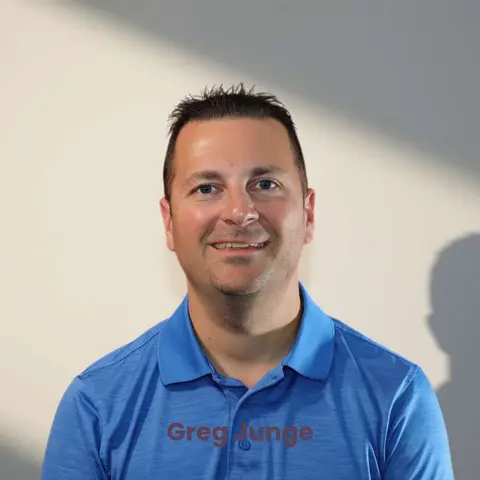
What if your children are learning more about money from watching you than from anything they're taught in school? Financial literacy starts at home, and the conversations you have today could shape your children's financial confidence for years to come. In this episode of Conversations with Rich Bennett, Rich welcomes Greg Junge, founder of Money Mindset Academy and author of Teen Money Mindset and Parent Money Mindset. Greg shares how his childhood experiences, entrepreneurial journey, and ...
Key Takeaways
- Financial literacy is rarely taught in traditional schools, making it crucial for parents to start teaching money management habits at home from an early age.
- Money conversations don't have to be formal; everyday activities like grocery shopping can serve as natural opportunities to teach children about budgeting and value.
- Greg Junge, founder of the Money Mindset Academy, wrote his books 'Teen Money Mindset' and 'Parent Money Mindset' to help bridge the gap in financial education.
- Teaching kids to live beneath their means rather than just within their means helps protect them against unexpected financial hardships like job loss.
- Encouraging open communication between parents and teens about finances builds long-term confidence and prevents money from becoming a taboo or stressful topic in adulthood.
What if your children are learning more about money from watching you than from anything they're taught in school? Financial literacy starts at home, and the conversations you have today could shape your children's financial confidence for years to come.
In this episode of Conversations with Rich Bennett, Rich welcomes Greg Junge, founder of Money Mindset Academy and author of Teen Money Mindset and Parent Money Mindset.
Greg shares how his childhood experiences, entrepreneurial journey, and real estate investing background inspired him to help families develop healthier financial habits. Together, Rich and Greg explore why financial education matters, how parents can teach children about money without being financial experts, and why learning to manage money should begin long before adulthood.
What You'll Learn:
- Why financial literacy for kids should start with conversations at home.
- How to teach teenagers budgeting, saving, and responsible credit card use.
- Ways to turn grocery shopping and everyday purchases into money lessons.
- How digital spending and subscriptions can create unhealthy financial habits.
- Why parents and children benefit from learning about money together.
Connect With Greg Junge:
Money Mindset Academy: https://moneymindsetacademy.com/
Books: Teen Money Mindset and Parent Money Mindset, available through Amazon.
Special thanks to our sponsor, Paul Applegate of Edward Jones, for supporting meaningful conversations about financial confidence and planning for the future.
Enjoyed this episode? Subscribe to Conversations with Rich Bennett, leave a review, and share this conversation with a parent, educator, or family who could benefit.
Join the conversation!
CHRIS PINNELLA: CHRISTMAS BY CANDLELIGHT - Star Centre
Paul ApplegatePaul offers No Cost No Obligation Retirement Check Ups and Consultations.
Disclaimer: This post contains affiliate links. If you make a purchase, I may receive a commission at no extra cost to you.
Rate & Review on Apple Podcasts
Follow the Conversations with Rich Bennett podcast on Social Media:
Facebook – Conversations with Rich Bennett
Facebook Group (Join the conversation) – Conversations with Rich Bennett podcast group | Facebook
Twitter – Conversations with Rich Bennett
Instagram – @conversationswithrichbennett
TikTok – CWRB (@conversationsrichbennett) | TikTok
Sponsors, Affiliates, and ways we pay the bills:
Hosted on Buzzsprout
SquadCast
Follow the Conversations with Rich Bennett podcast on Social Media:
Facebook – Conversations with Rich Bennett & Harford County Living
Facebook Group (Join the conversation) – Conversations with Rich Bennett podcast group | Facebook
Twitter – Conversations with Rich Bennett & Harford County Living
Instagram – Harford County Living
TikTok – Harford County Living
Sponsors, Affiliates, and ways we pay the bills:
Recorded at the Freedom Federal Credit Union Studios
Hosted on Buzzsprout
Rocketbook
SquadCast
Want to be a guest on Conversations with Rich Bennett? Send Rich Bennett a message on PodMatch, here: https://www.podmatch.com/hostdetailpreview/richbennett
Disclaimer: This post contains affiliate links. If you make a purchase, I may receive a commission at no extra cost to you.
If you’re interested in podcasting and are looking for equipment and services, here are some of the ones we use and recommend:
Podcast products we have used, use, and/or recommend
Buzzsprout - Let's get your podcast launched - Start for FREE




Frequently Asked Questions
Who is Greg Junge?
Greg Junge is the founder of the Money Mindset Academy, a real estate investor, and the author of 'Teen Money Mindset' and 'Parent Money Mindset'.
What is the Money Mindset Academy?
The Money Mindset Academy is a platform founded by Greg Junge that offers resources, books, and courses designed to help parents and teens develop healthier financial habits and better communication around money.
At what age should parents start talking to kids about money?
Parents can start having age-appropriate conversations about money with children as young as six or seven years old by using everyday choices, such as selecting items at the grocery store.
Why is financial literacy important for teenagers?
Financial literacy helps teenagers understand budgeting, saving, and responsible credit card use before they enter adulthood and face major financial decisions.
00:00 - Introduction to Greg Junge
03:19 - Why Schools Don't Teach Enough About Money
04:58 - Learning Financial Responsibility Through Work
07:41 - Money Lessons From Family and First Jobs
09:24 - College, Career Choices, and Finding Your Path
10:54 - Greg's Journey Into Real Estate Investing
13:06 - Creating Teen Money Mindset and Parent Money Mindset
15:46 - Getting Financial Education Books Into Families' Hands
19:03 - Building Money Mindset Academy
21:20 - How Businesses Can Support Financial Education
22:34 - Parents and Teens Learning Together
23:34 - Teaching Young Children About Money
26:16 - Entrepreneurship and Future Money Mindset Books
26:54 - Could Money Mindset Become a Podcast?
28:59 - Financial Planning for Retirement
30:56 - Sponsor: Paul Applegate of Edward Jones
33:02 - Essential Budgeting Skills for Teenagers
34:28 - Digital Spending and Subscription Traps
36:56 - Teaching Kids With Debit Cards
38:02 - Making Financial Education Interactive
42:24 - Common Money Management Misconceptions
44:31 - Financial Mindset and Learning Together
46:11 - Coaching and Community at Money Mindset Academy
47:52 - Who Should Read Teen Money Mindset?
49:57 - Future Book Bundles and Academy Plans
51:29 - Why Money Management Is a Life Skill
53:44 - Experiences Versus Material Possessions
57:11 - Greg's Final Question
58:32 - Why Mindset Requires Daily Practice
59:55 - Rich's Closing Thoughts and Takeaways
Wendy & Rich 0:01
Coming to you from the Freedom Federal Credit Union Studios, Hartford County Living Presence, conversations with Rich Bennett.
I love this guy.
I love this guy. [laughing]
You're not going to show up!
You're not going to show up!
You're not going to show up, man.
You're not going to show up, man.
You're not going to show up, man.
You're not going to show up, man.
You're not going to show up, man.
You're not going to show up, man.
You're not going to show up, man.
No, no, no, no, no, no.
You're not going to show up, man.
Rich Bennett 0:27
You're not going to show up, man.
It's not going to happen, man.
You're not going to show up, man. What you heard about money growing up
Was it something your family talked about openly? Or something that always seemed to cause stress? Those early experiences can follow us into adulthood. And our own kids may be picking up lessons we don't even realize we're teaching. My guest today, Greg Young, helps families recognize those patterns and start better conversations about money. Greg is the founder of money mindset academy, author of team money mindset, and parent money mindset. And an entrepreneur and longtime real estate investor who runs a bookkeeping business with his wife. He brings lessons from his own journey to a question many parents face. How do we help our children feel confident about money when we're still figuring things out ourselves? I have a funny feeling that this is going to be fun because
one of the things, and Greg, you probably seen this, when it comes to money, kids today, I don't want to say just today, I mean, I want to say kids probably from 20s on down, they were never really taught about money in school. They never were taught how to budget a checkbook or anything like that. Have you seen it?
Greg Junge 1:51
Yeah, it's pretty crazy. I would say even, I'm 46. So I was a teenager 30 years ago, and I was never taught about money in school. So it goes back way longer than I think children from 20 and under. But yeah, and that's kind of why I jumped into you know, money mindset academy and writing these books is because I realized that I grew up in a household, fortunately, where we did talk about money.
Rich Bennett 2:17
Yeah,
Greg Junge 2:17
And you know, it wasn't sitting down and going over credit card statements every Sunday, or that kind of thing. But if I had a question, I wasn't afraid to ask that question to my mom or my dad.
Rich Bennett 2:28
yep.
Greg Junge 2:29
And I don't think teens are really experiencing that these days. And I really want to open that door.
Rich Bennett 2:34
Well, and the thing is too, and well, you're 46. I'm sure you saw it when you were younger too. Teens back then, we would go out and bust our ass to make money.
Greg Junge 2:47
Yeah.
Rich Bennett 2:48
You know, we would mow lawns, we would shovel sidewalks and sell them. Well, back then you had newspaper routes and you could, man, I am showing my age, but yeah, you sell the newspapers and everything. And our parents had us. If we made enough money, well, let's go open up a checking camp. They taught us how to balance our checkbook. You ask a kid that today, they're like, well, why do I need to balance my checkbook. I don't need a checkbook. Okay, but if you still have a bank account, you still need to learn that it just it baffles me. But then again, there's a lot of adults that know how to do that either. So,
Greg Junge 3:30
And I think you're dead on because as a teenager, I grew up with that, you know, get a job or if you want to buy a car when you're in high school, well, guess what Greg, you're going to have to pay for it. You're not giving that to you. So I shoveled snow. I worked in delis for the most part. I grew up in New
Rich Bennett 3:49
oh,
Greg Junge 3:49
York. So delis were everywhere. And yeah, I was one of those kids that, you know, went to school and then you went to your job afterwards. And somehow you got everything done. And I think you're right. Kids these days today. I hate saying that, but I think they're looking for the shortcuts, the side
Rich Bennett 4:06
yes.
Greg Junge 4:06
hustles, which is fine. But the shortcuts, not so much.
Rich Bennett 4:10
It's
scary because one of the other things, and my daughter and I were just talking about this the other day. And thank God she's got a job that she loves. But I see a lot of
kids that went to school with her. Now she's 25. And there are some kids that have already had over 10 jobs.
Greg Junge 4:35
Wow.
Rich Bennett 4:35
Yeah. And because, now here's the scary part. Because a lot of them were taught to, you know, even if you have a job, if you can find another job that pays more money, you go for that job. And, and, and, and keep doing that until you find a job where you can make a lot of money. Well. Once you there are still I believe at least I hope there are there are still some companies That will look at that resume and say oh Well, okay, you've been five different jobs in the past two years Why and I'm sorry, but if I'm the one interviewing you and you tell me well because You know, I want to job the piece more money
Greg Junge 5:18
Right. Yeah.
Rich Bennett 5:19
pretty good. So I
Greg Junge 5:20
Yeah, that's
Rich Bennett 5:20
don't you gonna stay here
Greg Junge 5:22
yeah, no kidding, I mean as a you know as a business these days. I would agree with you I would look at that as a negative not a positive because yeah, they are gonna if they're gonna jump from somebody else what's their loyalty going to be to you and
Yeah, I think we just grew up in a different just in a different time, you know, I
Rich Bennett 5:39
Yeah,
Greg Junge 5:39
can imagine having 10 jobs as an adult Yeah, that's kind of crazy especially within two three five years. That's insane
Rich Bennett 5:47
Are you so with you? Because I'm well like you said you weren't taught about money in school But growing up in your New York City, right?
Greg Junge 5:58
Uh Long Island actually so the suburbs
Rich Bennett 6:00
well still there were delis everywhere
Greg Junge 6:02
Yeah,
Rich Bennett 6:02
Did did you learn more about money and budgeting from your parents or on the streets?
Greg Junge 6:11
Um, I'd say a little bit of both honestly.
Rich Bennett 6:12
Okay,
Greg Junge 6:13
Um, you know, my dad was a an international banker So he worked for yeah, he worked for a bank in the city. He used to commute every day He was the main finance guy in our household He ran, you know, the checkbook the investments all that kind of stuff and that's who I basically you know I learned a lot from him But also like you said in the delis We yet we this is a funny story But back in the day we actually had to do all the math in our head while we were making the sandwich and ringing up The the snapple and all that kind of stuff and then come up
Rich Bennett 6:44
good
Greg Junge 6:44
with it And then get changed get the cash do all that kind of stuff And it was second nature and it was a lot of fun but it was Practicing that math all the time practicing customer service talking to people Um, so yeah, I think it was a combination of you know, making money in the deli That was kind of the street education and then coming home and having You know my dad there Even my older brother Just to ask those conversations and listen to hey, what do I do with this 500 dollars that I made in the deli last month Um, and then just kind of you know learning and as you progress as an adult you have more adult conversations You know about buying a car buying a house and I always lean on my family and close friends of For that information because they've been there and they've done that and
Rich Bennett 7:33
Right,
Greg Junge 7:34
I know I can ask them maybe a quote unquote stupid question But they're not going to judge me and they'll point me in the right direction, you know
Rich Bennett 7:41
I so in high school Because you're already working into delis and doing everything else
Do you remember what it was you wanted to do once you got out of high school as far as your career
Greg Junge 7:56
I had no idea going into Okay what I wanted to do at all um
Rich Bennett 8:00
could Well
Greg Junge 8:01
I
Rich Bennett 8:01
wait man going into so what were you going into the college for
Greg Junge 8:05
Basically, I went into college because My older brother went to college my older sister went to college and I just figured all right This is the path and this is right you know, you kind of normally did um, but had I known that I probably wouldn't have gone to college. I had a great time. Been a lot of
Rich Bennett 8:23
Yeah,
Greg Junge 8:24
great friends but career wise I would have jumped into real estate a much sooner and Who knows where I would have been, but you know can't change the past, but To answer your question. Yeah, college was I had no idea what I wanted to do in college even when I get out of college Still not really a clue
Rich Bennett 8:41
Wow so you have basically general studies in
Greg Junge 8:44
pretty much. Yeah
Rich Bennett 8:46
And I think that's a problem even today with kids
Greg Junge 8:49
Mm-hmm,
Rich Bennett 8:49
you know because they're told to set a career path But look at how many people how many of them go and go to college for that career and Either after their first or second year of college They're already changing their career path or what they wanted to do Or some of them don't finish college Or the ones that do and get that degree have a hard time trying to find a job for the degree
Greg Junge 9:17
All right. Oh
Rich Bennett 9:19
Man it's scary, so so you did that you got into real estate. How long were you doing real estate for you still doing it?
Greg Junge 9:26
So, I'm still doing real estate as a real estate investor.
Rich Bennett 9:30
Okay.
Greg Junge 9:30
I've been investing since about 2010 and I was a realtor for about seven years. I do still hold my license here in Florida, but I don't actively use it unless somebody really comes to me. I don't really advertise it. But I love real estate. I think it's a great investment tool. Something to kind of throw into your tool bag
Rich Bennett 9:49
Yeah
Greg Junge 9:49
amongst other investments. But I started later in life, I started at 35 as a realtor. Luckily, when I started real estate investing in 2010, I was 30 years old and my wife and I were living in Phoenix right after the real estate crash. So I was in the right place at the right time. Should have bought more in hindsight, but I did pretty well picking up some properties in Phoenix and really learning real estate investing. And the realtor piece came a little bit later, which obviously complements the whole real estate
Rich Bennett 10:23
Yeah.
Greg Junge 10:23
investing. So, I love real estate, I love talking to people and it was just a natural fit.
Rich Bennett 10:28
What were you doing before real estate? I know you weren't in college till you were 30.
Greg Junge 10:34
No, I graduated in four years, so out of few different jobs, not too many, not as many as you mentioned earlier.
Rich Bennett 10:41
Right.
Greg Junge 10:42
What I was working for, the local county, Maricopa County, in Arizona, for about eight years, very low paying for my position, but it was very comfortable looking back, knowing what I know now, I was definitely in my comfort zone and didn't want to push myself. But then I realized I can't have a boss anymore, I want to run my own ship and run things the way I want to run them. And that's when real estate really came into play.
Rich Bennett 11:08
So since the time, as a teenager, working those jobs into Delhi and everything else, to work for the county and then becoming a real estate investor, you were still budgeting your money and everything the way you were taught, right?
Greg Junge 11:25
Oh, yeah. Yeah, that was a constant throughout.
Rich Bennett 11:28
Okay. What made you decide to start the money master, the money mindset academy and how long good you start debt,
Greg Junge 11:38
So money mindset academy came out of a couple of books that I wrote.
Rich Bennett 11:42
okay?
Greg Junge 11:43
So in 2024 I wrote the first book, Teen Money Mindset. And I wrote that because I always wanted to write a book, but I did not want to write a book about real estate investing. I felt like that was too kind of dead on. And I know there was a lot of money, or excuse me, in a lot of books in that niche from other investors who are more experienced and I was like, you know what? I want to do something different, but kind of adjacent. So kind of as a test, or on a whim, I just decided to write about exactly what we're talking about, how money's not taught in school. And just put it on Amazon, put it out there to my community. And it got some good reviews, some good feedback. And couple of years later in 2026 I wrote Parent Money Mindset. And that one really loops in the parents to having the conversation with the child, not necessarily teaching them about budgets and credit cards and credit card interests, although that's important, it's more about, hey, how do I raise a confident child where he or she is not afraid to have these conversations and ask questions and have the real mindset around money that we're talking about. And that led to money mindset academy, which as we speak, I'm pretty much developing. So it
Rich Bennett 12:57
okay,
Greg Junge 12:57
is a work in progress, but you can see the progression. And it's just a fun space to be in, helping parents and teens. And I think with my background, I bring a unique, non-parent aspect to it. So
Rich Bennett 13:12
a
Greg Junge 13:12
see where it goes, but it's a lot of fun.
Rich Bennett 13:13
All right, so why did you decide to write one for teens first?
Greg Junge 13:18
I think because I was thinking about my teenage experience in high school, like we're talking about where
Rich Bennett 13:24
I
Greg Junge 13:24
did have to work for my mom. I had to work for a lot of money and I grew up in a household where that was just the norm. And I feel that's great because that was my norm, but it was, it was so much fun. I had a lot of fun working in the delis, making friends. And I realized teenagers are not getting this information, A, from school and B, from their parents. So I figured, you know, why not just put it out there, help teenagers out and really outline the fundamentals of the things that I think teenagers should know before they, you know, turn 18 or go to college or start their career.
Rich Bennett 13:58
All right, so with, since the teen money mindset was first, I love talking to authors, especially about this, it seems like that would be a hard, especially since it was your first, when a hard book to market it towards teens. Was it?
Greg Junge 14:18
it was, yeah, and that was part of my research actually after
Rich Bennett 14:20
Okay.
Greg Junge 14:20
I started writing the book. Because, this was basically the first book that I wrote myself and figuring it out, uh, marketing and all that stuff, that was very new to me. So...
Rich Bennett 14:30
Right.
Greg Junge 14:30
I realized, basically, when I was publishing my target audience is not teens, 'cause teens are not gonna go on Amazon and buy this book.
Rich Bennett 14:38
Right.
Greg Junge 14:39
It's parents. So, my marketing had to really, um, attract parents who want the best for their teens, and that's what my marketing turned into. Hey, parents, do your teens know about X, Y, and Z? Do you want them to be successful moving forward? A that's why I think Teen Money Mindset really did well because the positioning was towards the parents, but it was, hey, if you want to help your teen, here's a resource.
Rich Bennett 15:06
I actually see in this right, there's also a Spanish version of it.
Greg Junge 15:10
There is, yes, I'm testing out, uh, I am not bilingual, but, um, testing out the Spanish market just to see if there's any traction there. So, it's, yeah, again, just throwing things out there, testing it out, and if it takes off, and it helps out some other families that are speaking Spanish. Great. If not...
Rich Bennett 15:29
Idea.
Greg Junge 15:30
Yeah, you know, mine as well.
Rich Bennett 15:31
Now, is it also an audible version?
Greg Junge 15:34
Yes. Um, so I do have Teen Money Mindset in Audible English. I am working on Teen Money Mindset Audible Spanish as we speak, and parent Money Mindset is available in Audible English only at this point.
Rich Bennett 15:48
So for between the two, what do you see, especially if the Teen Money Mindset are more people getting the actual physical book, the digital version, or the audible version.
Greg Junge 16:03
So with Teen Money Mindset, I have a longer track record because it's been over two years.
Rich Bennett 16:08
Okay.
Greg Junge 16:08
I pushed the paperback very hard in the beginning because I didn't have the audible at that point. Um, so I'd say probably across all platforms. It's a paperback or the Kindle version.
Rich Bennett 16:20
Okay.
Greg Junge 16:21
And then audible is probably second. Um, but I do want to, for my own business purposes, do promote audible a little bit more because I know, you know, some people, they just prefer audible. They don't want to sit down and read. They want to listen to it while they're working out or cleaning or whatever. So that's why I have it available on all different platforms just to kind of serve and also it's another test right. See what the
Rich Bennett 16:44
Yeah.
Greg Junge 16:44
markets listening to and reading.
Rich Bennett 16:46
Have you have you approached any schools to carry the book?
Greg Junge 16:51
I haven't yet. That is on my list. I have.
Rich Bennett 16:53
Okay.
Greg Junge 16:54
Talking to some local schools, local charities that I actually spoke to, so I do give the book away to, you know, local charities and that kind of thing. So I really just want to get the book in the hands of, of parents, and really get them talking and get them into the community. So I do sell the book. Obviously on Amazon,
Rich Bennett 17:13
but I'm
Greg Junge 17:14
not going to be, you know, an Oprah best seller for this book. So it is more of an educational piece and then, really bringing them into the academy where I can really teach them a little bit more. And like you said, kind of get into schools. That would be fantastic. But I'm still trying to plot and navigate my way into that into that path a little bit.
Rich Bennett 17:35
with the academy, they can come on and take courses and everything
Greg Junge 17:39
But
Rich Bennett 17:39
team your parents.
Greg Junge 17:40
Exactly. Yeah. So I'm actually as we speak, I'm working to hire some faculty to basically put together some courses. Yeah. Subject matter experts that are smarter than me and more dialed in on certain areas of finance. Like, for example, I'm talking to a CPA a buddy of mine and he wants to come on and talk to parents about just tax savings, tax angles, tax questions. While I can answer maybe a tenth of those questions, he can really dive in because that's his
Rich Bennett 18:12
Yeah.
Greg Junge 18:12
lane. So yeah, so bring on experts and friends like that that can really, you know, serve a certain lane that I can't or don't want to speak on, honestly.
Rich Bennett 18:23
I can see now I'm still focused on the teen one right now because I, I wish something like that was around when you know my kids were in school. But I could see like your
kids organizations, whether it be scouts, Leo clubs, or what I don't even know how many kid organizations are anymore. Are there, I mean, if we could get them in the hands of those organizations, and the, who's ever run in those organizations, do it like a class or better yet a book club. What did you learn from this chapter? Oh, you know what this just gave me an idea. All right. So those of you listening. You, if you own a business or you're an organization, here's what I want you to do. Actually, great. What's the website so they can go and buy it.
Greg Junge 19:23
Uhm, so it's available on Amazon. It's pretty easily searchable there, but my main website, which has everything is money mindset academy.com.
Rich Bennett 19:52
I don't have much money to do. I don't have anything to do with the kids to do together because that's something that's missing. We know that parents and teens don't do enough together as it is. Uhm, but sponsor these books and give them to the organizations because let's face it. Teens and even some parents need to know more about how to budget their money and everything. One of the things I was always taught. I know most people don't like this, but that's what I, when I was taught was live beneath your means. A lot of people are told to live within your means. I was always told, live beneath your means because. Let's face it. People do get laid off been there. Uhm, and you don't want to have to get rid of stuff to you know to to make to put food on the table when everything. That's the last thing you want to do. But now I mean this is great because I can see if parents could do this together, and especially organizations do it like a book club and then go and take the courses Ned you offer courses where are will you be offering courses where the parents and the teens can take them together.
Greg Junge 21:06
Yeah, that's one thing we're doing, we're doing the flagship course, which kind of covers the curriculum from the books and yeah parents and teens you kind of hit the nail on the head. And my whole one of my goals is for parents and teens to actually do this together. So it is kind of like a mini book club, but also just having those conversations. That's why I really want to push teens and parents doing this together, reading the chapters together, doing the family exercises together. I feel like it opens up the dialogue for a teen to feel comfortable asking mom or dad, hey, how does this work or how do credit cards work. I'm going to be 16 or 17 next year. When do I get a credit card?
Rich Bennett 21:46
But
Greg Junge 21:47
just starting to have those conversations instead of we'll figure that out later, you know, when you're an adult, you can figure that out. That's just kicking the can down the road and in my opinion, not really doing right by your child.
Rich Bennett 21:58
So with the teen money mindset, what are some things that you cover in there that you think people would be surprised about?
Greg Junge 22:06
Surprise about I think is the age that you should start talking to your teenager because it is called teen money mindset, but as I was writing parent money mindset, you know, I realized that you can actually have these conversations with a six, seven or eight year old. Obviously, you're not going to talk about your mortgage with a seven year old. They're not going to understand that, but that's one of the resources that I put together was an age based appropriate conversation, where you can talk to a seven or eight year old in the grocery store about why you're choosing frosted flakes over the generic brand or vice
Rich Bennett 22:43
Right.
Greg Junge 22:43
versa. And it's not a, you know, a sit down money lesson. It's just one of those things that parents can model the behavior of, hey, I'm going to ask you a question about our finances, whether it's, you know, Tony the tiger or the other one. And I want to include you in these conversations instead of just, you know, grabbing the cereal throwing in the cart and then moving on and not really talking to your child. So yeah, so it's just engaging and having those conversations and modeling that behavior
Rich Bennett 23:14
as a parent. That just made that just gave me a good idea parents that are taking their kids grocery shop and should turn that trip into a lesson into a classroom, you explain that all to them because. Let's see. Lastly, we hate is when you're taking the key grocery shopping and they can't get something and they start throwing a fit cry and laying on the ground. But if you explain to them why,
Greg Junge 23:42
right?
Rich Bennett 23:43
Yo, when it comes to money, I mean, I guess it can be hard because you know, you know what I said. Well, it's got too much sugar in it. So it is in the long run that's going to cost you money, too much money. Wow, there's a lot of different lessons that people can learn from this. But yeah, six years old, you're right. I never thought about that because even as when we were little, we weren't teenagers. At least I wasn't when we first started making money, we were doing whatever we could.
Greg Junge 24:18
Right. Yeah.
Rich Bennett 24:19
(B) Look at the, I mean, Lemonade's the MF, right? I'd, I'd, I'd, not too long ago, I'm coming home and coming down the main route and sure enough. And I think the boys only like eight. But boys guy Lemonade stand.
Greg Junge 24:32
(C)
Rich Bennett 24:33
Up there. And he's been in it all the time. And he even, from what I understand, is he purchased stuff with the money he made to build a better Lemonade stand.
Greg Junge 24:45
(B) Wow, entrepreneurial.
Rich Bennett 24:46
it. (B) Yes,
Greg Junge 24:48
(C) Love
Rich Bennett 24:48
yeah. And I think, actually with your, with the book team money mindset, do you think you'd actually will teach kids to be entrepreneurs as well?
Greg Junge 24:57
(C) It touches on entrepreneurs. I didn't want to dive into it. But,
Rich Bennett 25:01
I
Greg Junge 25:02
think in my mind that could be another book.
Rich Bennett 25:04
(B) I just figured that.
Greg Junge 25:06
(C) I'm, I'm have a list of books in my head for, you know, blank money mindset, entrepreneur money mindset, um, all these different ideas. But, um, I can kind of get ahead of myself and I really want to build out what I'm building out before I write book three and book four,
Rich Bennett 25:21
right?
Greg Junge 25:22
Entrepreneur money mindset is definitely on my list.
Rich Bennett 25:26
So all to ban actually start a podcast about this too.
Greg Junge 25:30
You know, it's funny, a few people recently have told me or asked me that question. And it's on my mind. I'm trying to figure out the logistics of that because I was a podcast host two times with two different friends.
Rich Bennett 25:44
Right.
Greg Junge 25:44
And they actually had to walk away for different reasons. So I'm not a, you know, I'm not a stranger to podcasts. I actually like hosting a podcast.
Rich Bennett 25:53
Yeah.
Greg Junge 25:53
But it's just the time factor is what I'm trying to figure out of what I need to put into it. But yeah, you're like the second or third person in a two or three weeks that has said, no, this needs a podcast. So maybe that's coming to fruition in 27.
Rich Bennett 26:07
You think it could be fun. And of course, you would have to have the parents there as well because of legality issues, but for 14 or teens to come on separate episodes and question you about it, ask
Greg Junge 26:21
I
Rich Bennett 26:21
you
Greg Junge 26:21
didn't
Rich Bennett 26:21
the
Greg Junge 26:21
even think about
Rich Bennett 26:22
questions.
Greg Junge 26:22
that.
Rich Bennett 26:23
Well, let's face it. That way, teens will listen.
Greg Junge 26:26
That's true because the teens bring in the teen's audience and they're talking that language. That's a really that's a new angle I haven't heard. Thank
Rich Bennett 26:34
you. I'm giving you homework now, Gray comes
Greg Junge 26:37
No, you're giving me ideas, Ritchie.
Rich Bennett 26:39
with
Greg Junge 26:39
Give
Rich Bennett 26:39
you.
Greg Junge 26:39
me ideas.
Rich Bennett 26:40
That would be great because kids kids today, you're seeing a lot more kids listening to the podcast and actually starting podcast.
Greg Junge 26:49
Ye,
Rich Bennett 26:50
granted a lot of them don't know what they're doing, but that's what. But too, if they could come on and just pick your brain, and then you, of course, then you can turn the questions around on them too. Oh,
Greg Junge 27:07
of course, you know, be
Rich Bennett 27:07
so
Greg Junge 27:07
back
Rich Bennett 27:07
much
Greg Junge 27:08
and forth
Rich Bennett 27:08
on, man, and a learning experience for parents and the kids.
Greg Junge 27:14
it's
Rich Bennett 27:15
Oh,
Greg Junge 27:15
a really good idea to have the parent and the teen as a guest like, you know, Rich and his daughter, you know,
Rich Bennett 27:20
Yeah,
Greg Junge 27:20
about X Y and Z or huh, interesting.
Rich Bennett 27:24
And right, I'm not going to tell I'm not going to steal that idea that's all yours. Oh,
Greg Junge 27:30
all
Rich Bennett 27:30
I see
Greg Junge 27:30
you have
Rich Bennett 27:31
enough. You got the two books and you already got other ones in your head like entrepreneur money mindset of course you're too young to do one on senior money mindset. Well, no, you probably could
Greg Junge 27:45
I
Rich Bennett 27:45
because
Greg Junge 27:46
could
Rich Bennett 27:46
because you know, I'm sure you've talked to enough and
Greg Junge 27:50
when
Rich Bennett 27:50
people retire, you're always saved enough money for retirement, but it seems like once you retire, things become a lot more expensive because now you got to pay in the Medicare, you know, you're medical, you're more than likely you're not going to have full medical insurance. God forbid, if you have to go into assisted living, that can be like $14, 000 a month.
Greg Junge 28:16
Not cheap.
Rich Bennett 28:17
No, it's not. It's, it's, it's sad. It's, it's more expensive to go into assisted living than it is the bio house.
Greg Junge 28:25
Yeah,
Rich Bennett 28:26
and that's something I don't understand. You got a whole freaking series
Greg Junge 28:35
he
Rich Bennett 28:35
that you do.
Greg Junge 28:37
Yeah, it's pretty much, I don't want to say nonstop, but it could go very long like you said, like retired money mindset or elder money mind,
Rich Bennett 28:44
Yeah.
Greg Junge 28:44
you know, there's so many different ideas in my head and I think that is a great target market too because, you know, I have aging parents or an aging mother at this point, you know, my dad's not with me anymore, but just as an adult child trying to manage her affairs and seeing what she's going through exactly what you're talking about with, you know, health and independent living assisted living luckily we're not there yet, but it's a conversation that, you know, me and my siblings are involved with and it's a whole another game plan and you know, things that you really didn't think you would, you know, talk for conversations to have with your with your parent, right? So yeah, so that's that's another angle for sure.
Rich Bennett 29:28
it. You're listening to conversations with Rich Bennett. We'll be right back.
I want to take a moment to tell you about someone I truly trust with financial planning. Paul Applegate from Edward Jones. I've been with Edward Jones for years, so this isn't just a sponsor mention, it's personal. Paul's story is powerful. He's a former police officer who spent years protecting our community and today he serves people in a different way by helping them take control of their financial future. Paul works with individuals, families and small business owners who want to be purposeful with their money, bu real financial confidence and design a retirement that actually aligns with their dreams, whether you're just starting out or fine tuning an existing plan, Paul brings structure clarity and direction you can trust. His mission is simple protect your future the way he wants protected the community with a plan you can believe in. Paul offers no cost, no obligation retirement checkups and consultations. Rich at the Paul Applegate with Edward Jones and take the first step toward confidence in your financial future. Give him a today at 410-297-7267. Again, that's 410-297-7267.
Let's get back to the conversation.
All right, so I want to get back to teens a minute because I got and I hope a lot of parents will talk to their teens after this. When do you hope a teenager understands about money before they actually start managing more of it independently?
Greg Junge 31:34
Good question I think. A tangible takeaway from Team Money Mindset is a budget, understanding just how to run a budget. It doesn't have to be complicated. It could be a teenage budget where they have their allowance, maybe they have their deli job or whatever and then they
Rich Bennett 31:49
Right.
Greg Junge 31:49
have some expenses, and then use that as a template for when they're in college. What does that look like? All right, well now there's some more expenses. You're going on dates, you're going out doing whatever, and then your first job budget. That's going to be a little more complicated because maybe now you're renting an apartment with utilities. So I think that is one of those foundational tangible items that you're going to need at every stage in life.
Rich Bennett 32:12
Yeah.
Greg Junge 32:12
And it's going to get a little bit more complicated, but budgeting for sure, and in my opinion, understanding how a credit card works because every person, not every person, most people have a credit card in this world. And it's a great tool. If you use it properly, it is a horrible tool. If you let you, if you let it use you,
Rich Bennett 32:33
yes.
Greg Junge 32:34
Yeah. And I've been there before with, you know, once or twice with some, you know, bad credit card stories, but nothing crazy. Anyway, understanding that how it's a great tool and how to stay on that right side of the credit card is another thing. So budget and credit cards are two tangible things. I would really love people to take out of team money mindset.
Rich Bennett 32:54
What pressures are around spending? Are you actually hearing about from teams? I'm sure you've talked to some teenagers right?
Greg Junge 33:00
Yeah, I think the biggest thing around teens is, you know, everything is digital these days that we didn't have. So it's, to me, it's mind blowing because as an adult, I see some of it, but kids are just, you know, tapping on their phone, they're, you know, subscription, they're doing add-ons, and it's just like swiping a credit card where you don't see it, you don't feel the money exchanging hands, but either they or their parents are getting Amazon bills or Instacart bills and hate son or adult. What's going on here? Well, I just tapped a button and food showed up, you
Rich Bennett 33:35
Yeah.
Greg Junge 33:35
know, magically. So those are things that I think we really need to real teens in and just have classes and education around subscription management or, you know, what that looks like and the consequences of just tap, tap,
Rich Bennett 33:49
tap. Actually, with that, yeah, because adults need that education to, do you go over like apps for their phone or whatever, which, which will show, and I know there's apps will, that will, look at everything that you subscribe to and break it down because a lot of times you forget what you're paying a month. And then you also buy annual annual subscriptions,
Greg Junge 34:14
right,
Rich Bennett 34:14
and then you're hit with that bill, or it comes out of your bank account automatically and you forgot all about it. So do you recommend like apps or anything for that to help them?
Greg Junge 34:25
I don't think I did that in teen money mindset.
Rich Bennett 34:27
Okay.
Greg Junge 34:28
That is a great angle though, that's something I probably, honestly, I should have put in the book and I can always obviously do another addition or make changes to it, but I think that's a really good angle because. And maybe I didn't put in the book because as a teenager, I was kind of thinking of my own teenager experience and, you know, I didn't have a cell phone back then, it was a totally different world. So I didn't relate to that aspect, but that's
Rich Bennett 34:52
a.
Greg Junge 34:52
yeah, that's
Rich Bennett 34:52
I wouldn't put it in the book. I would do that as a course for the academy
Greg Junge 34:58
training.
Rich Bennett 34:59
Yeah, because I mean, you think about it a lot of those apps go away because they get purchased from other companies.
Greg Junge 35:06
True.
Rich Bennett 35:07
And there's always new ones coming out. So yeah, that's something I would definitely offer in the academy. It now you, you mentioned credit cards, but do you also go over Like the visa, the what do you call them? The debit cards where you can
Greg Junge 35:25
right?
Rich Bennett 35:25
use them as a credit card.
Greg Junge 35:27
Yep.
Rich Bennett 35:28
Okay.
Greg Junge 35:28
Yeah, there's, um, there's one actually that is most popular. It's called green light.
Rich Bennett 35:32
Yes.
Greg Junge 35:33
if you're familiar with that. Yeah. So it's basically debit cards for kids and the parent can oversee and kind of monitor what's going on. So I think that's one that I really recommend that has great, you know, reviews
Rich Bennett 35:47
Yeah,
Greg Junge 35:48
and recommendations. And a buddy of mine, I was actually on his podcast a couple months ago. He's using that for his teenagers and he does something pretty smart. He'll actually, um, you know, as a parent, you can ask your team a question where you already know the answer, but you just want that interaction with the team. So they'll walk into like a target and say, Hey, Jimmy, how much do you have on your green light card? Where he already knows the answer. Jimmy has a hundred dollars, but it gets Jimmy thinking, Oh, I only have a hundred dollars. Do I want to spend it all in target right now? Do I want to spend 10 bucks and save 90? So he's using it and he's modeling that, you know, that behavior as an adult properly in my opinion. So it's a, it's a good way to kind of teach.
Rich Bennett 36:31
I just had another idea.
Greg Junge 36:33
Go for it. I love it.
Rich Bennett 36:34
With the academy, uh, have you thought about like doing camps like a shopping camp or something like that.
Greg Junge 36:42
OK,
Rich Bennett 36:42
you know, me like our so kids today, we're going to go to the car dealership and learn.
Greg Junge 36:49
Oh, OK, I got
Rich Bennett 36:50
Like
Greg Junge 36:50
it.
Rich Bennett 36:50
give them enough, give them a fake bank account of that bank account. You know, like when you played, what was it? The game of life
Greg Junge 37:00
life. Ye.
Rich Bennett 37:00
You got that career and you will make money something like that and incorporate it. So I think that way too, they're learning, well, I really liked that Ferrari. I have enough money. I can, I can do only how much a month. Because let's face it, you see a lot of kids, teens, whatever you want to call them. Once they get their first job and making that good money, they're not looking to buy a used car. They're looking to buy a new car and they want something that's flashy.
Greg Junge 37:32
Yep. Yeah. No, that's a great idea for the the field trip. I hadn't thought about that. I did think about in the future Hopefully when this gets developed to you know, maybe do a retreat or
Rich Bennett 37:43
Yeah,
Greg Junge 37:43
be a part of somebody else's financial retreat as Hey, this is money mindset Academy. They're one of the five speakers we have going on this weekend That would be a lot of fun. I love conferences networking
Presenting I still have to work on you know to get there, but it would be fun just to get the Message out and really just be surrounded by the parents and teens and not
Rich Bennett 38:06
yeah.
Greg Junge 38:07
community, you know So but I like the idea of the field trip. That's really cool
Rich Bennett 38:10
Man even putting on speaking engagements. Were you invite speakers have Gary Vee come and talk the
Greg Junge 38:16
god.
Rich Bennett 38:17
skin?
Greg Junge 38:17
Oh, yeah. Do you have his number? I'll give him a
Rich Bennett 38:19
Oh
Greg Junge 38:19
call
Rich Bennett 38:19
my Don't let me tell you those kids would wake up
Greg Junge 38:24
I'm sure if they if he was on the the docket.
Rich Bennett 38:26
Yeah, oh my god. Well, who knows you know, you may be the next Gary Vee They're great.
Greg Junge 38:32
Who knows? I mean, I am a jets fan. So we have that in common, right? So that's about it, but
Rich Bennett 38:37
Or at least you didn't say a stealers fan so yeah, nothing wrong with the jets. Although how they gonna do this year
Greg Junge 38:44
oh, there's a lot wrong with the jets and
Rich Bennett 38:46
Yeah,
Greg Junge 38:46
to answer that question yeah, not very But you know, they're my team. So got a reform.
Rich Bennett 38:51
I worry about the giants. That's
Greg Junge 38:54
Yeah, well
Rich Bennett 38:54
I have a funny feeling. They are going to be the team to watch
Greg Junge 38:59
Do you think so?
Rich Bennett 39:00
Oh, yeah, with Harble is the coach
Greg Junge 39:03
Yeah, interesting. All right. I can see that I have no No fear of the giants like you know, I can reform. I'm a jets fan, but it's not like a met Yankees rivalry or So
Rich Bennett 39:13
I tell you another team that's actually I don't know how we're talking about football well because so well Actually, let's face it. There are a lot of people and this is something teams need to realize too Because look how many people get drafted whether it be by the NBA the NFL or whatever into major league sports They get that money and they go out and they spend it right away and then they're cut from the team and never picked up again But I forgot where I was going. Oh,
Greg Junge 39:43
I think I can y'all get
Rich Bennett 39:45
a team that's really surprised me this year And I think it's going to be a sleeper lot of people got on chalfour are the cowboys.
Greg Junge 39:52
Oh, okay I could see that actually what they're what they're building there with DAC and everything so
Rich Bennett 39:56
Yeah,
Greg Junge 39:56
okay
Rich Bennett 39:57
I mean they they gave us a run for our money this pay a week in Yeah Yeah, for those of you listening were recording this on October 1st and the rain would just play the cowboys are read Rio de genaro And it was another nail biting game and I lost more hair
Greg Junge 40:17
It's cool to see them to go in international too, which
Rich Bennett 40:19
it is
Greg Junge 40:20
not not that this is a football conversation, but Business-wise, I think it's fun that they're you know branching out and obviously It's contracts. It's more money more revenue share and from the market. But it's still cool to see
Rich Bennett 40:33
Yeah, yeah, it is but yeah, I think kids got to realize that you know You're because going back to school setting a career path and oh, yeah, I'm with playing the NFL You still got to know about money and how to manage it because it's it may not always be there
Greg Junge 40:51
Right, yeah
Rich Bennett 40:51
It's
Greg Junge 40:52
going to be a part of your life every day, so you might as well understand it
Rich Bennett 40:56
Right, so with teens and I don't know teens and parents. Let's go both late With teens or parents. What are some of the biggest
misconceptions about
I Let's just say manage it money
Greg Junge 41:15
so I think the biggest misconception for the parents point of view is that they're gonna learn this somewhere else And they're gonna learn this as an adult when they go away to either college or start a career
You know, I know parents have a lot of responsibilities as a parent to raise your child Ethically to be nice to people, you know all
Rich Bennett 41:35
Yeah,
Greg Junge 41:35
that kind of stuff, but I am putting another thing on their plate Which is you have to teach them about it's just a basics of money You don't have to get into you know what a real estate complex real estate deal looks like But just understand the concepts of money that they're gonna be in that teen's life like we're talking about every day spending saving debt bad decisions good decisions So I think the parent really does have to adopt this very early
Rich Bennett 42:03
and yeah
Greg Junge 42:04
I like to say it's never too early, but it's never too late. So, you can talk to adult children about this. If they have no clue, it'll, you know, maybe take a little bit longer to maybe grasp it or take,you know, pick it up. But the earlier the better for sure.
The information that could be good, it could be bad, but they're learning one way or another so you might as well be the one to at least guide them, right?
Rich Bennett 42:40
Yeah. Well, oh God, and that's another headache right there. These influencers. Oh, you can make so much money doing this.
Greg Junge 42:48
Yeah.
Rich Bennett 42:49
And actually, and I'm with that being said, do you cover in the book anything about mental health? Well, we, we mentioned in the beginning with stress. But do you cover anything about that in the book as well?
Greg Junge 43:03
Not mental health directly, I do talk about mindset. That's one of the chapters in teen money mindset. Obviously, it's in the title. So it is, you know, abundance versus scarcity and, you know, those kind of things. But not necessarily mental health, like negative issues or
Rich Bennett 43:21
Right.
Greg Junge 43:21
problems that society, like, I think that would be too heavy for these kind of books.
Rich Bennett 43:25
Yeah.
Greg Junge 43:26
But, you know, that, that factor is definitely there and definitely in parent money mindset. I always say, like, as a parent, you have to have that mindset first and have the awareness of what exactly we're talking about because if you as a parent, don't understand budgets and credit cards, you're probably not going to, you know, have these conversations with your kids. Because you're going to be afraid that, hey, I'm not qualified to teach my kid. I don't know
Rich Bennett 43:50
Right.
Greg Junge 43:50
about credit cards. And what if they ask me about this question, I don't want to look like an idiot in front of my kid where nothing could be further from the truth. I always like to say as a parent, the best thing that you can do is. Tell your child when they ask you a question, hey, you know what, I don't really know the answer to that. Let's go look at it together. I don't
Rich Bennett 44:10
Yeah,
Greg Junge 44:10
understand how an interest rate works on a credit card.
That's a good question. But, you know, you know, who knows the answer? My buddy Rich, let's give him a call real quick. Ask him some questions. It just shows you that, hey, my parents, they don't know all the answers, but they're resourceful and they can reach out to their friends and their community. And they're going to get me an answer. That's
Rich Bennett 44:30
yeah.
Greg Junge 44:30
more important than telling them, yeah, an interest rate is the amount of money you pay on the balance that you owe and blah, blah, blah. So it's again, just modeling that behavior of well, I don't know the answer, but I'm going to find out let's figure it out together.
Rich Bennett 44:43
And create me from Rome, but you also all for coaching.
Greg Junge 44:47
Yeah, that's one part of the Academy that I'm working on right now. So
Rich Bennett 44:50
Okay.
Greg Junge 44:51
it's more of a beta program. Not 100% sure if I want to do the coaching myself, because I do have some experience with that, but not a lot or maybe bring on a coach that is more experienced that will kind of guide them. You know, through that. So yeah, so part of the program that's in the works.
Rich Bennett 45:10
Well, I was going to say you could start that program and people could graduate to become money mindset coaches for the Academy as well.
Greg Junge 45:23
Okay, like put them through the curriculum, train them. That's pretty,
Rich Bennett 45:27
because this way they're learning your your system. Yeah, your system and that's what you have a system here.
Greg Junge 45:35
Yeah, I like that. I like the way you think, Rich, you give me a lot of ideas.
Rich Bennett 45:40
So with the you also have something else of the Academy called the community, explain what that is.
Greg Junge 45:47
So the community that is through school.com,
Rich Bennett 45:50
Okay,
Greg Junge 45:50
the SK OOL and again, something that I'm building right now inviting some subject matter experts in there. But really, I'd love it to be a place where parents and teens if they want to just bounce ideas off each other
Rich Bennett 46:05
yeah.
Greg Junge 46:05
communicate and have parents talking to parents while, you know, I'm there and some other facilitators are there to ask questions, give them resources, exercises, courses, that kind of thing. So it's basically one central hub for parents to really hang out, learn and use the resources.
Rich Bennett 46:24
So I know parent money mindset is basically for age wise for parents. But the team money mindset, what's the age range for that book? Because I would
Greg Junge 46:37
say,
Rich Bennett 46:37
go ahead.
Greg Junge 46:38
Reading wise, I would say anywhere from 10 to 10 and up. You know, I do say some people, even adults, they can read team money mindset and get the concepts if they never had them. So team money mindset is, I don't want to say misleading, but it's aimed at teens, but adults who don't have that information, they can still read it. So from 10 and up is the answer to your
Rich Bennett 47:01
Okay,
Greg Junge 47:01
question.
Rich Bennett 47:02
that's all I was wondering because, you know, with young adults that are in their twenties, I think they could still definitely learn from it because. Uhm, well, you also had the kovat kids then and they're now 25 and even what they did learn in school then the ones that graduated that year. And even after I think lost a lot of that education in their mind. Because of everything else that was going on.
Greg Junge 47:32
Yeah, tough times for sure. I can't
Rich Bennett 47:34
Yeah.
Greg Junge 47:34
imagine keeping your head straight during that time with school and everything.
Rich Bennett 47:39
So. Now, do you, I know we mentioned having speakers come, but do you actually go out and speak as well?
Greg Junge 47:45
So I'm starting to,
Rich Bennett 47:46
Okay.
Greg Junge 47:46
uhm, I did reach out to a couple of, uh, local, uh, nonprofits and everything. So I did have a speaking engagement probably three weeks ago.
Rich Bennett 47:55
Okay.
Greg Junge 47:56
It was in front of like 15 or 20 people just a quick three to five minute. Hey, this is what I'm doing. I gave away free books in the back of the room. So, um, people can grab those resources. It's one of the things I'm working on. Presentation skills is another skill that I'm working on. That's
Rich Bennett 48:13
Yeah.
Greg Junge 48:13
maybe why I'm an author because you can really, uh, cure your words and put them in the right order when you're speaking live. It's live. There's no delete button. There's no edit. So it's a little bit
Rich Bennett 48:24
rewind
Greg Junge 48:25
stressful.
Rich Bennett 48:25
Yeah.
Greg Junge 48:25
Yeah. Hard to rewind in real life. So, but I'm working on it.
Rich Bennett 48:29
Now with, with the two books, do you also offer them as a set?
Greg Junge 48:34
Yeah. You are nailing every question. Um, so I'm actually, I have my editor working on the, uh, the, in Amazon. It's called a bundle. So you bundle the two versions together. So it's one product. So that should be coming out probably probably by January of 27. I would say, or a little bit earlier.
Rich Bennett 48:52
Okay. That's why I can't. Yeah. Ca right now I have team money mindset in my cart and I'm looking like, Oh, there's not a bundle yet. But
Greg Junge 48:59
not yet. It's on the way.
Rich Bennett 49:00
That's okay. That, that'll work to that'll work. So. Yeah. Yeah. I, I could see this goal really. Where do you think money mindset academy is going to be at in five years?
Greg Junge 49:12
Ooh, that's a good question. Well, I'm hoping that everything that we're talking about, you know, more books, entrepreneur money mindset is on the table by then. Five years is a long time. So I can easily get that going, but, um, but yeah, I think everything that we're talking about is courses, coaching. I think is very important because that's the one on one.
Rich Bennett 49:34
Yeah.
Greg Junge 49:35
And then hopefully in five years, maybe a retreat or two or a conference or whatever you want to call it. That would be phenomenal. And, um, yeah. Like I said, you're giving me a lot of ideas and you're giving me a good five year goal to really hit these things. So, uh, what would that be, 20, 31, 20, 32? So.
Rich Bennett 49:52
Oh, my god. Oh, why did you have
Greg Junge 49:54
very sounding
Rich Bennett 49:55
that? Yes. Holy cow.
Greg Junge 49:58
Yeah. Well, you put the five years out there. So.
Rich Bennett 50:01
God. Now you're, you're sitting on a gold mine here because this is something that not just parents, but teens desperately need because it's not being taught a lot. Uh, and like I said before, one of the things that irritate me is when somebody says, well, don't need to learn how to budget a checkbook because nobody has checks anymore.
Greg Junge 50:22
Right.
Rich Bennett 50:23
And it's just it's mind boggling. And I think even back in high school, I know some school still have it as a class, but I think it should be mandatory where you have almost like a business management class. The change the name of it. Like a money management class, basically.
Greg Junge 50:44
Right or like a life skills.
Rich Bennett 50:46
Yes.
Greg Junge 50:47
Money management or something
Rich Bennett 50:48
that.
Greg Junge 50:48
like
Rich Bennett 50:48
Yeah, because one of the things and this. This is common sense stuff. And it's not taught. Unfortunately, common sense is not taught in schools. And you know, money is very important. We needed to live. And it can't be abused. I think too many people are still abusing it. And it's a
God. It's to be able to make money and to save it. It is a skill. You gotta learn. And that's why they need to read the books and take the courses. It just goes through the damn academy and then have great coming speak.
Greg Junge 51:38
There we go. I love that transaction there. So, um, but no, I think you're right. It is a life skill that, you know, like I said, I was lucky to grow up with that in my household, but they're still not teaching it in schools and you're right. So they're gonna learn it somewhere. So, um, and hopefully in five years. This is a gold mine, and I'm when I say gold mine, I mean building that community and just seeing the impact. I mean making money, like you said, it's a skill. It's great. We all need it. Um, but I think for me, this is more or on the same path as a, a purpose project. And it's just fun. You know, I like like connecting people and seeing those results. So
Rich Bennett 52:16
what you just said there, it's fun. And people need to realize that money, you know, when you learn how to budget your money, it can be fun. It doesn't have to be stressful. You don't need that Gucci bag or, you know, all that stuff. You can get by without it. And I think it's something that people need to look at again and realize you don't need all that flashy stuff. You know, don't need to be driving around that Lamborghini. Although, if you want to give me one, I'm not going to complain. And I always think of Sam Walton, you know, the original owner of Walmart.
Greg Junge 52:55
Yep.
Rich Bennett 52:56
He lived, he was one of the richest men in America. I think he was a billionaire when he passed, um, I have to double check on it, but I'm pretty sure he was. He lived in a rancher drove around his old rusty beat up pickup truck. Still. And I think the most expensive thing he had was he bought a Cessna airplane.
Greg Junge 53:19
Right. Which,
Rich Bennett 53:20
and he always gave back to his employees too.
Greg Junge 53:23
Yeah, very true. Yeah. No, I think you're right. I mean, I'm on the same path as well, where shiny objects, all that, you know, fun stuff. I would rather like have fun.
Rich Bennett 53:34
Yeah,
Greg Junge 53:34
yeah. Travel and go on vacations experiences for me over Lamborghini's, but that's my angle. So if you want a Lamborghini, like you said, cool, go out, figure out a way to make that money and make it work, but don't don't make yourself broke over it.
Rich Bennett 53:48
Yeah, experiences are something that you'll remember forever.
Greg Junge 53:52
Yeah,
Rich Bennett 53:52
You know,
Greg Junge 53:53
exactly.
Rich Bennett 53:54
and it's, I have a friend of mine, um, what they do with the kids now, the kids at Christmas time, the kids get one present. And then they always go on an adventure for
Greg Junge 54:09
Cool.
Rich Bennett 54:09
Christmas. So, you know, whether they go to Jamaica or wherever they'll take a trip and the kids appreciate that a lot more and so do the parents. I think more, more parents, all to look into our families should look into that. Not just families, even Mary couples,
Greg Junge 54:24
right?
Rich Bennett 54:25
Look into that, you know, just get away, because we let work just overtake us, and I'm guilty of that. I mean, I'm working seven days a week and I shouldn't be, but,
Greg Junge 54:38
right.
Rich Bennett 54:39
You know, it is what it is. So, geez. All right. So those of you listening, when you, when you purchase teen money mindset and parent money mindset, if you read them and you learn from them, leave a full review everywhere where you can leave reviews, purchase copies for other people. All of you business owners and organizations purchase several copies and donate them to a kid's organization or wherever you can. And leave a full review everywhere you can and also take photos of you holding the books, posting on social media, Tigray and tag myself in it as well. Craig, I can talk to you for hours and just on separate, separate subjects, you know, like credit cards. We could talk an hour about what, you know, the pros and cons of credit cards when you're a teen
Greg Junge 55:37
adult.
Rich Bennett 55:37
or an
Greg Junge 55:37
Oh, yeah.
Rich Bennett 55:38
Which is giving me some more ideas. I'm going to have to chat with you later about that.
Greg Junge 55:43
Of course.
Rich Bennett 55:43
But is there anything you would like to add before you pick the last question?
Greg Junge 55:48
No, I think you kind of did the promotion better than I ever could. So the only thing I would say is, you know, for people that are interested, just go to money mindset academy.com. All the information is there. But yeah, you set a best rich. So I can't talk that.
Rich Bennett 56:03
So the way this works. I have a hundred questions here. And the guests always picks one. Somehow another end up picking one that aligns with what we've been talking about. So we can do it one of two ways. I got a hundred questions broke up into five blocks. So if you pick a block number, then you pick the numbers within that block. Or if you just want to pick a number between 100, you can do it that way.
Greg Junge 56:27
Okay, let's pick. I'm going to go with my favorite number 19. That was my number in high school for my baseball. So.
Rich Bennett 56:36
Oh, oh, okay. Oh, this is a good question. What is the most significant realization you've had about yourself in the past
Greg Junge 56:48
year?
Rich Bennett 56:50
We's laughing.
Greg Junge 56:52
Oh boy.
Oh, that's a really tough question in the last year.
Rich Bennett 56:58
No, that's what makes it harder in the past years. Oh, okay.
Greg Junge 57:04
I would say that-- Mindset is something that you need to practice every day and be aware of. I think years passed, uhm, 'cause I basically got started with mindset and personal development in 2019, 2020.
Rich Bennett 57:19
Okay.
Greg Junge 57:20
And I-- I think I thought back then, once you quote unquote learn everything, that's it. That's just information and then, no, you have to apply it. You have to reapply it. You have to really be aware of your habits every day, 'cause for me, I'm really good at starting and stopping habits,
Rich Bennett 57:37
Yeah.
Greg Junge 57:38
not continuing them, which is where the real results come. So, I would say staying on top of my self-awareness and, uhm, just the mindset is something that you have to dive into every day. It's not a box that you just check and you're done.
Rich Bennett 57:52
Yeah. Good answer. Man.
Greg Junge 57:54
Thank you.
Rich Bennett 57:55
So you scared me at first, 'cause when you left, I'm like, 'Oh God, what's he gonna say here?'
Greg Junge 57:59
[laughs]
Rich Bennett 58:00
Yo, you and I both agree that it's hard to figure out within the past year. Alright, that's a tough question, but uh,
Greg Junge 58:08
yeah, that's a good one.
Rich Bennett 58:09
Yeah. Greg, I want to thank you so much. It's been an honor and uh, God, I cannot wait to talk to you again, because I have a funny feeling we're gonna be talking a lot more.
Greg Junge 58:21
Yeah, I think so too, Rich. I appreciate it.
Rich Bennett 58:23
Thank
Greg Junge 58:24
And
Rich Bennett 58:24
you.
Greg Junge 58:24
great.
Rich Bennett 58:24
Thanks.
Greg Junge 58:26
Thank you.
Rich Bennett 58:27
One thing that really stayed with me from my conversation with Greg is that you don't have to know every answer to help your children learn about money. Sometimes the best thing you could say is, "I don't know. Let's figure it out together." That gives them permission to ask questions. And it shows them that learning doesn't stop when you become an adult. From Greg's days working in delis on Long Island to his experience in real estate and business ownership, you could hear how much of those early lessons shaped him. Now, through teen money mindset, parent money mindset, and the money mindset academy he's building, he's helped another family start those conversations. We talked about budgeting, understanding credit cards, and how easy it is to spend money when all it takes is tapping a button. But I also loved Greg's example of turning a trip to the grocery store into a chance to learn. Something as simple as talking about why you chose one box of cereal over another can open a conversation that sticks with a child. And his answer to that final question was a good reminder for all of us, learning something is only the beginning. You have to practice it. Those small habits repeated over time are where progress happens. So here's something to try. Have one conversation about money with your child this week. Ask what they're saving for, what they're curious about, or what they like to understand better. Give them room to talk and see what you learn from each other. You can learn more about Greg and his books at moneyminesetacademy.com. If you read them and find them helpful, leave an honest review, and consider sharing a copy with another family or a youth organization. And a special thank you to Paul Applegate, my Edward Jones financial advisor, for sponsoring this episode and helping us bring these meaningful conversations to you. Until next time, I'm Rich Bennett. Thanks for listening, and remember, every great conversation starts with someone willing to listen and someone willing to share. Now it's your turn. Join the conversation by sharing this episode, leaving a comment or reaching out to me directly. Take care, be kind to one another, and I'll talk with you again soon.