RSS Feed
 Goodpods
 Apple Podcasts
 Spotify
 Amazon Music
 TuneIn
 iHeartRadio
 Pandora
 Podchaser
 Castbox
 Overcast
 Podcast Addict
 Castro
 PlayerFM
 YouTube
 Jessie Fahay joins Conversations with Rich Bennett to discuss how theater can become more than entertainment and instead serve as a catalyst for meaningful conversations and social change. As the founder of Ripple Effect Artists, Jessie shares how productions focused on mental health, racism, human trafficking, and other critical issues inspire audiences to continue the conversation long after the curtain closes.
This episode dives into the realities of running a nonprofit theater company, the challenges artists face, the importance of human connection in a divided world, and why storytelling still has the power to transform lives.
Jessie Fahay joins Conversations with Rich Bennett to discuss how theater can become more than entertainment and instead serve as a catalyst for meaningful conversations and social change. As the founder of Ripple Effect Artists, Jessie shares how productions focused on mental health, racism, human trafficking, and other critical issues inspire audiences to continue the conversation long after the curtain closes.
This episode dives into the realities of running a nonprofit theater company, the challenges artists face, the importance of human connection in a divided world, and why storytelling still has the power to transform lives.
Guest Bio:
Jessie Fahay is the founder of Ripple Effect Artists, a nonprofit theater company based in New York City that uses performing arts to spark dialogue around social justice and human rights issues. With both an MFA and MBA, Jessie combines artistic vision with strategic leadership to produce impactful theater experiences that connect audiences with advocacy organizations and encourage meaningful community conversations.
Main Topics:
· How Ripple Effect Artists was founded
· Theater as a catalyst for social change
· The importance of conversations after performances
· Mental health and storytelling
· Structural racism and social awareness through theater
· Human trafficking awareness productions
· Challenges of running a nonprofit theater company
· Funding struggles in the arts
· COVID’s impact on theater productions
· The power of community experiences
· Social media algorithms and division
· The future of theater and touring productions
Resources mentioned:
· TEDx
· Concord Theatricals
· Dramatists Play Service
· The Diary of Anne Frank
· Bang Bang You’re Dead
· Law & Order
· Black Lives Matter
· National Endowment for the Arts
· NYU
· Building the Wall
· Gideon’s Knot
· War of the Worlds
· Project addressing mental health during COVID
· OnSpeaks
· The Center for the Study of White American Culture
· Fight Club
· Broadway
· Off-Broadway
If you enjoyed this episode, please subscribe, leave a review, and share it with someone who believes in the power of storytelling and human connection.
Celebrate the Magic of Words in Bel Air, Maryland!
Rate & Review on Apple Podcasts
Follow the Conversations with Rich Bennett podcast on Social Media:
Facebook – Conversations with Rich Bennett
Facebook Group (Join the conversation) – Conversations with Rich Bennett podcast group | Facebook
Twitter – Conversations with Rich Bennett
Instagram – @conversationswithrichbennett
TikTok – CWRB (@conversationsrichbennett) | TikTok
Sponsors, Affiliates, and ways we pay the bills:
Hosted on Buzzsprout
SquadCast
Follow the Conversations with Rich Bennett podcast on Social Media:
Facebook – Conversations with Rich Bennett & Harford County Living
Facebook Group (Join the conversation) – Conversations with Rich Bennett podcast group | Facebook
Twitter – Conversations with Rich Bennett & Harford County Living
Instagram – Harford County Living
TikTok – Harford County Living
Sponsors, Affiliates, and ways we pay the bills:
Recorded at the Freedom Federal Credit Union Studios
Hosted on Buzzsprout
Rocketbook
SquadCast
Want to be a guest on Conversations with Rich Bennett? Send Rich Bennett a message on PodMatch, here: https://www.podmatch.com/hostdetailpreview/richbennett
Disclaimer: This post contains affiliate links. If you make a purchase, I may receive a commission at no extra cost to you.
If you’re interested in podcasting and are looking for equipment and services, here are some of the ones we use and recommend:
Podcast products we have used, use, and/or recommend
Buzzsprout - Let's get your podcast launched - Start for FREE




00:00 - Introduction
02:14 - Meet Jessie Fahay
04:16 - Jessie’s Theater Journey
07:08 - Why Theater Still Matters
08:13 - Theater as a Conversation Starter
12:21 - The Importance of Real Conversations
18:22 - The Birth of Ripple Effect Artists
20:13 - The Reality of Producing Theater
21:31 - Choosing Productions and Social Topics
22:30 - Writing Workshops and Supporting Artists
28:34 - Running a Nonprofit While Working Full-Time
29:34 - The Cost of Producing Theater
33:52 - How Ripple Effect Artists Gets Funding
44:12 - Producing Theater During COVID
48:35 - Mental Health and Theater Productions
53:50 - Touring Productions and Expanding the Mission
56:22 - Stories That Changed Audience Members
01:01:07 - Human Trafficking Awareness Productions
01:02:17 - How to Support Ripple Effect Artists
01:03:52 - The Random Question Segment
01:04:28 - Jessie’s Idea to Improve Daily Life
01:06:44 - The Importance of Sleep and Mental Wellness
01:10:19 - Final Thoughts and Wrap-Up
Wendy & Rich 0:01
Coming to you from the Freedom Federal Credit Union Studios, Hartford County Living Presence, conversations with Rich Bennett. I love Rich Bennett. You're not like a show-up! You're a bad guy. You're a good boy. It's kind of a few seconds of hard work, and I'm not going to have to wait until it's done. No, no, no, no, no, no, no. It's kind of like a few
Rich Bennett 0:27
What if the most important part of a show wasn't the show itself? What if the real impact happened after the lights came up? After the applause faded, when people were left sitting there feeling something they couldn't ignore. Today's guest didn't just ask that question. She built an entire movement around it. Jessie Fahe is the founder of Ripple Effect Artist, a groundbreaking organization that uses theater as more than entertainment. Through powerful, thought-provoking productions, she creates space for conversations that matter, conversations around human rights, social justice, and the issues we don't always know how to talk about, but she doesn't stop at awareness. Jessie brings advocacy into the room. She connects audiences with real organizations, real solutions, and real opportunities to take action. What starts as a night at the theater becomes something much bigger. A ripple effect that extends far beyond the stage. With a unique blend of artistic passion and strategic vision, plus an MFA and MBA to back it up, Jessie is proving that storytelling isn't just about reflection. It's about transformation. Jessie, first of all, welcome and man, I am tongue tied here today.
Jessie Fahay 1:53
Thank you so much for that great introduction, so appreciate it. You did it beautifully. I'll put you on stage.
Rich Bennett 2:00
I have a tendency to break camera. There's no cameras there, right?
Jessie Fahay 2:04
No.
Rich Bennett 2:05
All right. Good, because I know you did a TEDx talk. I've been dying to do one, but I'm afraid I would break the camera.
Jessie Fahay 2:10
Oh, we're not seeing even in the TEDx event that I did. Some people actually do start and stop and start over, and it was so interesting for me as an actor. I was watching. I was like, "Oh, that's allowed here. That's kind of cool." Yeah, but it's all...
Rich Bennett 2:28
I didn't do that.
Jessie Fahay 2:28
Yeah, I know. I know. That to diminish the extraordinary organization that is TED and TEDx is just sort of interesting. It's just like, "Oh, okay, people really can start over." I came from a world where you don't do that in theater, but it really is a conversation, right? And so people want to kind of like be conscious and be mindful and take a pause and like go back and maybe start over and that
Rich Bennett 2:55
Yeah.
Jessie Fahay 2:55
can be a very, very useful practice, yeah.
Rich Bennett 2:58
There's one thing that always makes me about theater is, yeah, there are no other takes.
Jessie Fahay 3:04
Correct. Yeah.
Rich Bennett 3:05
It's straight on. So, I guess with that, a lot of adlib.
Jessie Fahay 3:10
Mm-hmm.
Rich Bennett 3:11
Does it help add a lot?
Jessie Fahay 3:12
For sure. Yep. I have actually watched their plays when I will know the dialogue so well just because I've read the play and I know it's so ill and I've watched people even celebrities mess up and watch how they cover and it's really
Rich Bennett 3:26
Mm-hmm.
Jessie Fahay 3:27
interesting, it's fascinating to watch, yeah.
Rich Bennett 3:29
So, how long have you been in theater?
Jessie Fahay 3:31
Uh, so, really started to take intensive acting classes and started to really get into the world of what it was to dive into a character when I was 16. That's, yeah, a long time. Long time ago.
Rich Bennett 3:48
Ten years ago, come on,
Jessie Fahay 3:50
yeah, that's very
Rich Bennett 3:51
time.
Jessie Fahay 3:51
Yeah, and then, um, it's been an interesting journey, but I really started to fall in love with, you know, I think there are so many wonderful industries, professions out there that are about studying what it is that makes us human, and this is just, you know, this is one of them.
Rich Bennett 4:13
So, I take it as always your dream then to do your theater,
Jessie Fahay 4:16
yes,
Rich Bennett 4:16
What
Jessie Fahay 4:17
always.
Rich Bennett 4:17
about big...
Jessie Fahay 4:18
You know, it's interesting. As an actor, I'm getting submitted for more film and TV and I'm starting to look at those scripts more, TV scripts more. And I think we are now in a really amazing golden age of television because there are so many streaming services and like there's so much leeway that I mean, not a lot of leeway, but there's so much more leeway that TV writers have now. Then they did in the 90's when I was watching TV. And it's, you know, I loved the shows I watched in the 90's and there were just specific formulas to be followed with.
Rich Bennett 5:01
Right.
Jessie Fahay 5:02
they even call all the, they call them procedures like the shows that we left. So shows like law and order that are like an hour long. There's a crime by halfway through the show we've solved the crime. And then by the end of the show, we've discovered whether that person is found guilty or not.
Rich Bennett 5:23
Yeah,
Jessie Fahay 5:24
Follows that same procedure. I mean, it's quite literally called a procedural that type of
Rich Bennett 5:29
okay.
Jessie Fahay 5:30
and
Rich Bennett 5:30
I didn't realize
Jessie Fahay 5:30
that. Yeah. Yeah. Yeah. And they're great because they're, they're reliable. The audience knows in a way what to expect, which kind of relaxes the brain in a great way.
Rich Bennett 5:46
Right.
Jessie Fahay 5:46
So they're great. But now we're in an age of television where there's so many different There's so many different stories to be told.
I'm, I'm seeing we still have a ways to go with this, but I'm seeing so many different body types, age types. I'm seeing a lot of a of a growth in that way.
Rich Bennett 6:12
Yeah.
Jessie Fahay 6:13
We still have a way as to go, but, but, but we're progressing, I believe
Rich Bennett 6:17
still doesn't beat theater
Jessie Fahay 6:19
I agree. Thank you.
Rich Bennett 6:21
though.
Jessie Fahay 6:21
That was so validating. Thank
Rich Bennett 6:24
you. I talk to somebody else about this. It's amazing how many well known actors go back to theater.
Jessie Fahay 6:33
Yeah, it's there
Rich Bennett 6:34
because they love it so much.
Jessie Fahay 6:35
Yeah. There's something about the response, just knowing that there's an audience in
Rich Bennett 6:41
room.
Jessie Fahay 6:41
the And having a community experience be together, which is why people affect mostly has produced theater. We've produced a couple films. But mostly produce theater because we that experience of community and convening and conversation and coming together is just, it's, yeah, it's something that's unparalleled. And it's just so palpable that, and it's also something that human beings crave. We saw this massive, shift in mental wellness during COVID, and it's,
Rich Bennett 7:17
massive
Jessie Fahay 7:18
we were separated, right. It's, it's because we were not convening. Maybe we could convene over zoom, but it's not the same.
Rich Bennett 7:26
No, no, definitely not, definitely not. When did you actually first realize that the real power of theater wasn't really happening on stage, but what people did afterwards.
Jessie Fahay 7:40
yeah, that's a good question. So I realize it's a pretty bold statement saying that. And what I'll go with is that when I was an actor on tour, I was 23, and I was acting with a company that put on the play, the diary of Anne Frank, it was called the story of
Rich Bennett 7:59
Oh,
Jessie Fahay 7:59
rank. And so, you know, it was children's theater. Although we were paid, we had a salary and we got to tour and I got to see a lot of the country, which I thought was really important. I think it's very important that people in the Northeast, especially New York see as much
Rich Bennett 8:17
as
Jessie Fahay 8:18
possible. So yeah, because of that tour, I got to see 44s. I've been to 44 of our states. And so to witness students and adults and their reaction to a story about, hey, prejudice, told through the eyes of a child, which is why that story is so incredibly moving. And so it's the same with catcher and the rye when you witness the atrocity through the eyes of a child.
Rich Bennett 8:50
Yeah,
Jessie Fahay 8:51
it gives such an interesting light and perspective. What I found through that, and you know, part of the programming was that we engaged with the students afterwards as actors about the topic. And not just about we're actors and here's what our life is like, although they would ask questions like that. But it was
Rich Bennett 9:11
Right.
Jessie Fahay 9:11
really fun. Okay, what is prejudice look like? What does hate really look like? What does, what is nationalism really look like? Like those kinds of questions? And these were six greater sometimes and they're...
Rich Bennett 9:27
Wow.
Jessie Fahay 9:31
Not smart enough to want to engage in these conversations, but they're not so old that they want to be cool and posture like they still wanna, like they're not worried about whether or not their friends are going to make fun of them if they ask a question. So they actually were very, very engaged and it was, and then we did high school too and they were very engaged for different reasons.
But it was that experience and then in high school and I was in high school, the Columbine happened and that was a time that we all thought of school shooting was such a major shock. Now we have almost become I think a little bit desensitized to them, because they're happening so frequently, but at that time Columbine was a major shock around the country. We were all just completely, uh, you know, and we had conversations in my school about it for many, many weeks, where we were as students, people were checking in with us about, "Are you okay?" And how is your mental state? And there was like this real conversation around, "How could this happen?" And there was a play that was written and the man who wrote it offered the rights to all high schools to do it for free. Yeah, because he cared so much about the topic called Bang Bang You're Dead. And I don't know if high schools are still doing it, I hope they are, but it was a real look at the mentality of all people involved. Victims, families of the victims, the perpetrators, and what, what the makeup of all of it is, and then we started to engage in conversations with the school. So I started to be, look at theater as a conversation starter, at a pretty young age and I was, "Yeah." "Drawn to it." So, yeah.
Rich Bennett 11:34
"Wait, which..." and it, it can be, too. You know, whether it be theater, whether it be a movie, whether it be a book, whether it be this, a podcast.
Jessie Fahay 11:44
Yeah.
Rich Bennett 11:45
"Is the conversation starter?" And that's one of the reasons I do this. And I hope people continue the conversation because I think that's something that's missing today.
Jessie Fahay 11:54
Absolutely.
Rich Bennett 11:55
People are quick to debate.
Jessie Fahay 11:58
Yes.
Rich Bennett 11:59
But they don't want to hold the conversation.
Jessie Fahay 12:01
Correct.
Rich Bennett 12:02
And
Jessie Fahay 12:02
Yes.
Rich Bennett 12:02
that's very important.
Jessie Fahay 12:03
It is. And I, and social media and algorithms, they are actually, like, I think people are starting to get attuned to this, but I want to make this very loud. Algorithms and social media are designed to create profits, for openings that want us to be talking at each other to be viscerally mad and angry, to be opposed to each other. That is actually causing profits for people in ivory towers. That's all I will say about that. And that's not a partisan statement that I'm making that is just purely...
Rich Bennett 12:41
It's
Jessie Fahay 12:42
true. Capitalism. That's just how the
Rich Bennett 12:44
Truth.
Jessie Fahay 12:44
capital... It's working. And I'm not here to say that all capitalism is bad, but that is one of the capitalist models, a
Rich Bennett 12:52
Mm-hmm.
Jessie Fahay 12:52
major capitalist model that's happening now, is that there are people who are profiting off of us not actually connecting and listening.
Rich Bennett 13:01
Yeah.
Jessie Fahay 13:02
And so, and the perfect way to have that unfold is on screens and digital, and social media. A way where that almost can't happen, sometimes it can, but very, very rarely does it happen, is in a shared physical human space in which people are having a dialogue, which is
Rich Bennett 13:22
Yes.
Jessie Fahay 13:23
different. and two people having monologues at each other. What I've found so surprising because in addition to our shows, I host nonviolent communication sessions, which I think are so important.
Rich Bennett 13:35
Mm-hmm.
Jessie Fahay 13:35
And I've had conversations with people this year who disagree with me politically. And they have been peaceful, heartfelt. We've found common ground. We will probably, we will probably still vote differently. But we've found common ground and
Rich Bennett 13:53
Yes.
Jessie Fahay 13:53
found shared values. And I think there are so many more shared values amongst all people. I believe that in this country. I believe that people. There are so many more shared values. And that is not what gets That's not what causes ratings. That's not
Rich Bennett 14:13
publicized.
Jessie Fahay 14:13
that's not fun and dramatic to watch. Like, let's look at all of our great, wonderful, peaceful shared values that's not entertaining for people. Bradley.
Rich Bennett 14:22
And that's the one thing that I don't like about social media is, and it's not just social media. You see it on TV too, negativity, negativity sells.
Jessie Fahay 14:33
Absolutely, yeah.
Rich Bennett 14:34
And that's what people, people, oh my God, when you look at the algorithms, it's amazing how many different negative posts you see
Jessie Fahay 14:45
a positive.
Rich Bennett 14:45
before you see
Jessie Fahay 14:45
Mm-hmm, yep.
Rich Bennett 14:46
It's nerve wracking.
Jessie Fahay 14:48
Mm-hmm,
Rich Bennett 14:49
yeah.
Jessie Fahay 14:50
yep,
Rich Bennett 14:50
That's why I love the good news. I don't even watch the news anymore. You know, we need a good news,
Jessie Fahay 14:57
Healthy, you know what, there are good news outlets, channels that exist, there's also completely non, you know, I would call it unbiased, but like news that isn't bought, that's grass roots, that's
Rich Bennett 15:12
yeah.
Jessie Fahay 15:12
funded by the grass roots community. But of course, we don't learn about.
Rich Bennett 15:17
They're hard to find.
Jessie Fahay 15:18
Because they're not for profits and they don't have.
Rich Bennett 15:20
Yeah,
Jessie Fahay 15:21
The funding to actually get out there, right? They're hard, you have to dig, define them.
Rich Bennett 15:26
oh
Jessie Fahay 15:26
And
Rich Bennett 15:26
yeah.
Jessie Fahay 15:27
I think a lot of people are not, you know, when people are working two to three jobs and raising a family, they're not gonna do a whole lot of digging to find. And I have compassion for that, I get that. They're not gonna do a whole lot of digging to find the most reliable news source that's, and it's not fair, I think, to put that on them. So, but what theater provides, I heard somebody say this recently, so I am stealing it, is that it's a place where people sit and listen.
Like they actually, you're quiet. It's dark.
Rich Bennett 16:03
Yeah.
Jessie Fahay 16:03
Usually. And you sit and you listen and you observe. And maybe you disagree, maybe you agree, maybe you're outraged, maybe you're heartbroken, maybe you're laughing, maybe you're all of those things. But you are actually in a space where what is required of you as an audience member
Rich Bennett 16:22
Mm-hmm.
Jessie Fahay 16:23
is to sit and observe and have whatever reactions you might have, and then you can have a space where you reflect, and then what typically happens to go back to that quote is that people might have a state of catharsis, or might have a state of, having whatever emotional reaction they might have, and then they might have a few comments about it with their friends, like, oh, this actress was great. I love the staging, the music was awesome, and then usually in my experience--
You change subjects and you talk about something else. I don't
Rich Bennett 17:03
Yeah.
Jessie Fahay 17:03
know how bad, but I couldn't help but wonder with the incredible power that can be present on a stage. What if that actually had, like, lasting, sustainable, staying power in some way?
Rich Bennett 17:19
Mm-hmm.
Jessie Fahay 17:20
As far as results out here in the world and the community. And so, yeah, so I had that audacious, crazy thought and here I am.
Rich Bennett 17:33
(David laughing)
Jessie Fahay 17:33
Don't move it.
Rich Bennett 17:35
Is that how Ripple effect artist came about?
Jessie Fahay 17:37
Correct, yes.
Rich Bennett 17:38
And what year was that?
Jessie Fahay 17:40
So I first had the idea and started to have actors read plays in the basement of my building in 2009, but we got incorporated in
Rich Bennett 17:53
2013.
23.
Jessie Fahay 17:55
Yeah, 2013.
Rich Bennett 17:56
Okay, now, wow, okay.
Jessie Fahay 17:58
I know, I just said 20, that makes no sense. I
Rich Bennett 18:00
No,
Jessie Fahay 18:01
know.
Rich Bennett 18:01
no, no, no, no, you're right. It's just,
Jessie Fahay 18:02
(David laughing)
Rich Bennett 18:02
I keep-- Look, when
Jessie Fahay 18:03
Weird.
Rich Bennett 18:04
somebody says 20 years ago, I'm still thinking the '80s.
Jessie Fahay 18:07
I know, I
Rich Bennett 18:07
It's
Jessie Fahay 18:07
know. I know.
Rich Bennett 18:10
ah.
Jessie Fahay 18:10
I know. Time. I know it's so weird. I know 2006 is 20 years ago.
Rich Bennett 18:16
Yeah, I still can't.
Jessie Fahay 18:18
I know. I know. I'm with...
Rich Bennett 18:20
I
Jessie Fahay 18:21
understand. I get it. Yeah, so 2013, we got our 501C3 status. And then we had already produced shows before then. So our first show like actual stage play we produced was January 2011. Yeah,
Rich Bennett 18:39
yeah. Oh, wow. Okay. So right now at a high school.
Jessie Fahay 18:43
You're so kind. Oh, yes, matter gets you everywhere is what they say in the entertainment world. And
Rich Bennett 18:52
It's
Jessie Fahay 18:52
it's not
Rich Bennett 18:53
the
Jessie Fahay 18:53
wrong.
Rich Bennett 18:53
Irish in you. That's what...
Jessie Fahay 18:56
Yeah,
so yeah, it was 2011. I took 500 bucks and produced a show, which is not even close to enough money to produce an actual play. But I figured out I found ways to get a free space. I got costumes donated. Yeah, that was like a real... and I wasn't paying actors yet. So that was like a real rough and tumble. Nareo,
Rich Bennett 19:26
Wow.
Jessie Fahay 19:27
yeah. And then it's expanded since then. So now we have a board of directors. Our average budget for a show is between 30 and 40K. We're working on what it will look like for us to expand to have off-Broadway runs that are about five to six weeks and 200 300 seats. So that's what we're working towards.
Rich Bennett 19:51
Okay. So you're not doing all these in one area. You're going to all different buildings?
Jessie Fahay 19:57
Correct. So we're always in New York.
Rich Bennett 20:01
Right. For now.
Jessie Fahay 20:01
Full theater capital. Correct. Yeah. But we will have... I mean, we have a home office and then we rent different theaters. So we don't actually have a theater space. Yeah.
Rich Bennett 20:13
Oh. I didn't think about that. So you have to rent the theater, which
Jessie Fahay 20:17
Correct.
Rich Bennett 20:17
I'm sure that's not cheap either.
Jessie Fahay 20:18
Not at all. It's very... it's high up there. All things in New York. These are just commercial landlords. And they
Rich Bennett 20:28
Right?
Jessie Fahay 20:28
have to make sure that their expenses are covered too. What it costs to rent out a Broadway theater is astronomical.
Rich Bennett 20:37
Oh. That.
Jessie Fahay 20:38
So yeah. No. There's pretty high running... running costs. Yeah.
Rich Bennett 20:44
Wow. Now who does the writing? Is it a bunch of different writers or is it
Jessie Fahay 20:50
Yeah.
Rich Bennett 20:50
you?
Jessie Fahay 20:50
Good question. No. I did get a writing degree. That was my major in college. So I do
Rich Bennett 20:56
Okay.
Jessie Fahay 20:56
have an eye for what great writing is. And what we always do as a board is we choose the topic that we want to address first and then we do
Rich Bennett 21:06
a
Jessie Fahay 21:07
big research. I would say a couple of weeks. Like two to three weeks, a big research project where we will actually basically go shopping for place. we will look at their two major publishing houses. There's Concord and Dramatists that actually license and publish plays. And so we will look at those plays that address the topic that we want to address. And then we have a certain criteria as far as how we go about choosing our plays that we want to that we want to put on.
Rich Bennett 21:40
Yeah. All right, so crazy question. Since you have a degree
Jessie Fahay 21:43
in writing. Yeah.
Rich Bennett 21:44
And with ripple effects being a nonprofit.
Jessie Fahay 21:48
Yeah.
Rich Bennett 21:49
With your putting on all the all these productions. Have you thought about like holding classes for writing?
Jessie Fahay 21:56
That is so great. I actually we actually have.
Rich Bennett 22:00
Oh, wow. Okay.
Jessie Fahay 22:02
We did a while ago. We did a program for writers. I love doing it. And we will probably do something the exact in a similar way, but also
Rich Bennett 22:13
right
Jessie Fahay 22:14
actors and writers. I'm sorry actors and directors, but yeah, we did a couple years ago. We had a program where we brought some writers young writers together. And as somebody, I mean, I had a play published a long, long, long time ago, separate from ripple effect, but as somebody who has been producing what I would call masterfully written plays for over 10 years, I gave them the perspective of what a producer looks for in as far as looking at a script. And then they went through a few different workshops, and then they had readings with actors in front of producers, which is super cool. They got to actually see how their writing lands for people.
Rich Bennett 22:59
Now could they, if you guys did that again.
Jessie Fahay 23:05
Yeah.
Rich Bennett 23:06
And turned one of those scripts into a production for you guys. Could you become the publishing company?
Jessie Fahay 23:14
That's your question. We couldn't become the publishing company necessarily because there's only, there's, believe it or not, there's a few monopolies or.
Rich Bennett 23:25
Okay.
Jessie Fahay 23:26
Say, I say the term monopoly and they in a loose way because I don't want to demonize any company, but there are a few companies within the world of theater that kind of have a monopoly on the business and of things. So, um, Samuel French was the major publishing house. They got bought out by Concord and drop.
Rich Bennett 23:50
Oh, I did,
Jessie Fahay 23:50
yeah. Yeah. Yeah. Pretty recent.
Rich Bennett 23:52
Wow.
Jessie Fahay 23:53
Yeah.
Rich Bennett 23:53
Okay.
Jessie Fahay 23:54
Okay. It was pretty recent. Uh, so, so that so Concord and dramatists are the two major theatrical publishing houses. So if you are a writer, uh, and you want to get gain royalties on your writing, then you can do that one of two ways. One is a producer might take out an option on your play. Sort of like taking out an option on like a house or like on property or something and they will say, okay, I'm going to pay this money. You will have this percentage and then no one else can produce your play while I'm producing it. So the so the reason why we have rights, um, ripple effect just took out the rights to a play called building the wall, which is or producing in June, which came from Concord as well. The reason you apply for rights is because we have to ensure that no one else in New York is producing building the wall at the same time that we are.
Rich Bennett 24:57
Okay.
Jessie Fahay 24:58
In competition, um, funny enough, there's another theater company that's doing a reading of building the wall and it's just a reading like actors reading it and it's not ticketed and it's just a one time event. But the director of my play learned about that.
Rich Bennett 25:15
Oh.
Jessie Fahay 25:16
He just wrote me an email like, what is going on somebody else is producing this? You have to call Concord. It's illegal. This is not cool. And then I did more digging and I realized they didn't actually break any of the rules. But this is like, it is a thing where you can't have. There's never a time in which there will be in the same city to company is producing the same play at the same time. It can't happen legally.
Rich Bennett 25:41
Right.
Jessie Fahay 25:42
Yeah.
Rich Bennett 25:42
Wow. All right. So since you guys doing the course, you want to be able to have them publish it through ripple effect.
Jessie Fahay 25:50
We could
Rich Bennett 25:51
Can
Jessie Fahay 25:51
produce it though.
Rich Bennett 25:51
you, you could produce it. And I guess you could help them get it published, whether
Jessie Fahay 25:55
Correct.
Rich Bennett 25:55
it's through
Jessie Fahay 25:56
Yeah.
Rich Bennett 25:56
Concord or the other one. Okay.
Jessie Fahay 25:57
Yeah. So the publishing process is a whole other whole other game, but they
Rich Bennett 26:04
Wow.
Jessie Fahay 26:04
need to. Submit samples of their work and also show where their work has been produced. It's this lovely little catch 22. But show where the work has been produced. But then it begs the question, how can it get produced if it's not published. If
Rich Bennett 26:22
know,
Jessie Fahay 26:22
people don't
Rich Bennett 26:22
right?
Jessie Fahay 26:23
You know, so and then they can submit it to the two major publishing houses. And then there's a whole
Rich Bennett 26:31
A
Jessie Fahay 26:31
waiting
Rich Bennett 26:31
lot harder than just writing a
Jessie Fahay 26:32
process.
Rich Bennett 26:32
book.
Jessie Fahay 26:33
Way harder. Yeah. Well, I mean, if people are trying to get a novel published, like not the self published way, but actually.
Rich Bennett 26:42
Right.
Jessie Fahay 26:42
That's a pretty from what I understand. That's a pretty long waiting game.
Rich Bennett 26:47
It can be. Yeah.
Jessie Fahay 26:48
Yeah.
Rich Bennett 26:49
Yeah. Because you're put your usually your
They want you to have an agent,
Jessie Fahay 26:55
Right.
Rich Bennett 26:55
but then your agent wants you to have a publisher.
Jessie Fahay 26:58
Correct.
Rich Bennett 26:58
It's
Jessie Fahay 26:58
Same thing.
Rich Bennett 26:59
it's a. Oh my God.
Jessie Fahay 27:01
It's.
Rich Bennett 27:02
Yeah. Mine boggling.
Jessie Fahay 27:03
Yeah.
Rich Bennett 27:04
It blows me when way whenever I have an author on and their first book, they already have a publisher.
Jessie Fahay 27:09
Yeah, it's amazing.
Rich Bennett 27:10
But no agent. I'm like, how?
Jessie Fahay 27:13
They did a lot of self like they just did it all themselves probably.
Rich Bennett 27:16
Yes.
Jessie Fahay 27:16
You have to
Rich Bennett 27:17
have. Yeah.
Jessie Fahay 27:17
So much belief and love and in your work. And you know, I also think we're kind of As a as artists, all of us, I think we're kind of graduating out of this time of like my agent, my manager, does all the work.
Rich Bennett 27:34
Right.
Jessie Fahay 27:35
I think we're adapting to like it's good to have representation, but we need to be submitting to, you know, get And ourselves out there too. That's just.
Rich Bennett 27:47
wow, cause this is mind boggling to me too, because those of you listening, Jesse and I were talking before, the green room,
Jessie Fahay 27:58
in
Rich Bennett 27:59
uhm, and being a 501c3, she still has a regular full time job. She doesn't get paid at all from Ripple Effect. If you can, on average,
Jessie Fahay 28:11
yeah.
Rich Bennett 28:12
What's the cost to put a production on that you guys do?
Jessie Fahay 28:15
Yeah. Uh, so now that we put on shows that employ equity actors, meaning actors that are in the union, so we pay them salaries, and uh, equity stage managers, we pay them salaries as well, uh, on average, for a very, very simple, one set, uh, two person show that we're putting on. It's about 30k. That's like bare minimum. Yeah. Yeah. So the average cost of a-
Rich Bennett 28:46
what?!
Jessie Fahay 28:47
If you're ready to have your mind blown even further, I will tell you the average cost of a Broadway production, no.
Rich Bennett 28:54
Oh God.
Jessie Fahay 28:55
It's got 20 million
Rich Bennett 28:59
dollars. Not for one night.
Jessie Fahay 29:01
No, for a long-
Rich Bennett 29:01
Okay.
Jessie Fahay 29:02
Yeah, average.
Rich Bennett 29:03
20 million dollars?
Jessie Fahay 29:04
Correct. That's average.
Rich Bennett 29:07
And for you, for two actors, the whole set and everything, plus the venue, 30k, and how long does that last?
Jessie Fahay 29:17
Two weeks.
Rich Bennett 29:19
Come on.
Jessie Fahay 29:20
I'm not kidding. Yep, that's just- it's- it is. And I make this very public because I want all artists out there to know that the majority of theater producers, I've met a lot of theater producers, I've befriended a lot of them, I have one very near and dear and close to me, I've spent Thanksgiving dinners with her when getting to my family is too far of a travel group. Um, theater producers for the most part have incredible hearts. A lot of them don't have incredible wallets. Some of them do. But they are doing this because of their love of the art, their love of giving artists opportunities, their love of keeping this art going. And a lot of them have other day jobs. A lot of them, this is not how they make their funding. This is just their passion. Yeah. So I think that's not- it seems to me that's not as well known.
Rich Bennett 30:21
Uh, no.
Jessie Fahay 30:23
Yeah. And there's like- there's producers- like producers kind of have this- there's a bit of a connotation of, you know, there just bullies who can write big checks and it's just so not true. It's just
Rich Bennett 30:37
Right.
Jessie Fahay 30:37
not that at all.
Rich Bennett 30:38
Don't believe everything you see in the movies.
Jessie Fahay 30:42
Exactly.
Rich Bennett 30:43
Exactly. Wow.
Jessie Fahay 30:43
Yeah. Yeah. So yeah, and I've, you know, I've been met with sometimes the question or the opposition of, you know, could those thousands of dollars be used in a more effective way and like, and it's an understandable question and it's an understandable question to ask around the difference that you wanna make. And my response or my stance has been, if we're having an actual dialogue and conversation with 500 to 700 possibly 1000 people over the course of two weeks, and they go, I mean, it's a ripple effect.
Rich Bennett 31:27
Yeah.
Jessie Fahay 31:27
And they go out and impact their community, the community of New York City, which you know, this is a little bit biased on my part, but I'm a huge believer in that how New York goes is kind of how the country in a way is kind of world goes, because we are kind of a window to the world in a lot of ways. And so, yeah, if they can make that kind of an impact based on a show that they saw, then that's, you know, this is this is something that I can feel justified in
Rich Bennett 32:01
Yeah. Right.
Jessie Fahay 32:01
that budget and that budget is still very, very hard to raise. But, you know, if you look at opera and ballet, the budgets are, you know, 10 times, what I just said, and I'm not
Rich Bennett 32:15
Wow.
Jessie Fahay 32:16
going to insult, I'm not going to insult opera or ballet like Timothy Shalam made it, but I'm not going to go down that road, because I think they're both beautiful and important.
Rich Bennett 32:26
Yeah.
Jessie Fahay 32:27
So what I will say is that if we as a society are okay with these sorts of amounts going towards the art for arts sake which is wonderful and great then why not be okay with this amount of funding going towards arts that is advocating for social
Rich Bennett 32:58
okay
Jessie Fahay 32:59
yeah
Rich Bennett 33:00
so wow god
Jessie Fahay 33:03
gave you a mouthful
Rich Bennett 33:05
I just
Jessie Fahay 33:06
so
Rich Bennett 33:06
this is this is great because I think we mentioned this in the green room I don't believe people realize how hard it is to run a nonprofit.
Jessie Fahay 33:17
Yeah.
Rich Bennett 33:18
And you're the first nonprofit that I've thought to that something like this, but but it's important and again it doesn't matter which side the aisle your own. You're raising awareness which is very very very important so here comes the hard question well it's not a hard question.
Jessie Fahay 33:37
Yeah.
Rich Bennett 33:37
You're probably going to blow my mind away again on this one too. How do you get the funds.
Jessie Fahay 33:43
Yeah. So like you said all all nonprofit founders are heroes in my book and all nonprofit volunteers companies these are major major heroes and so how people attain funding looks different from every every not for profit
Rich Bennett 34:03
right
Jessie Fahay 34:03
this based on their mission based on their values based on their you know community so it's so a few different ways for us so first I am I am here to blatantly acknowledge that yes I did grow up with a certain level of privilege I'm nowhere close to being a trust fund baby but I grew up with parents who were smart about money so I am my mother is incredibly intelligent about money and so I and college was just where I grew up it was just you were going to go it wasn't
Rich Bennett 34:40
right
Jessie Fahay 34:41
10 you go or should you it's like
Rich Bennett 34:43
you're going to go you're going
Jessie Fahay 34:44
and I didn't realize until later in my adult life just how much of a privilege that was
Rich Bennett 34:51
there
Jessie Fahay 34:51
and then later looking at okay i've been you know some might say blessed privileged I've been given an afforded a lot of opportunities to grow in prosper and so now how do I partner with my very resourceful family actually make an impact so my so I say all that to say my family certainly does not fund all of this but they have helped so my mother is on the board of my not for profit she makes a donation every year it's not massive but she does make a donation every year and there's a wonderful community where she lives that believes in the cause and she's been a wonderful partner so I wouldn't call this a family business she's not the only she's the only person in my family who is involved but I will say that it has been a wonderful journey in my relationship with her and I you know I think you talked about this in your relationship with your partner right of like if you have relationship with someone you love whether it be a romantic partner or a family member or a great friend where your relationship is oriented around how are we contributing to the world it is an incredible it is it's one of the most rich and amazing relationships you can have because then you know our relationship is not all about like our mom and daughter drama it's like that's
Rich Bennett 36:22
yeah
Jessie Fahay 36:23
long that's disappeared that's been gone for a long time and we had it when I was a teenager all those things but now it's like our relationship is oriented around how are we contributing so that's a beautiful thing so that's one and I do say that because
you know I think all of us if we could recognize what privileges we were given and not from a place of guilt or shame or ourselves up but look at okay like I was given these privileges now how can I give back
Rich Bennett 36:58
mm-hmm
Jessie Fahay 36:59
How can I research? How can I be researched and give back? So that's part of it. I met a wonderful woman who I did a bunch of leadership development courses with who worked in theater for a long time. She's been my partner for a long time. Funny enough, her name is Jessica and I'm Jesse, so that's that's one.
Rich Bennett 37:17
good
Jessie Fahay 37:19
She was really fantastic at writing grant proposals. So she became my partner 15 years ago. So did have somebody actually in charge of that. So we have-
Rich Bennett 37:32
Which is important?
Jessie Fahay 37:33
grants incredibly important and there's it's one of those things where the government has money to give to and like foundations, small mom and pop foundations have money to give organizations. They don't make it super public. You got to dig in. Find.
Rich Bennett 37:50
Oh yeah.
Jessie Fahay 37:51
Because the thing is people money, they don't advertise that they have money. That's the thing but-
Rich Bennett 37:58
They don't and you look- Look at how many businesses that I mean huge businesses have greens for that
Jessie Fahay 38:04
Huge.
Rich Bennett 38:05
but you don't know.
Jessie Fahay 38:06
Exactly. You got to keep digging. You got to
Rich Bennett 38:08
Uh
Jessie Fahay 38:08
really.
Rich Bennett 38:08
huh.
Jessie Fahay 38:08
They dig and talk to as many people as possible. In the world of the arts everyone knows of the national endowment of the arts which did lose funding this year. I will not make this a political conversation but I will say that the arts just got hurt big time
Rich Bennett 38:23
Yeah.
Jessie Fahay 38:23
when it came to funding this year. So um but that's like the big national one and we only have one national arts foundation in this country. In places like Europe there are multiple national arts foundations and so to find private foundations like
Rich Bennett 38:45
Mm-hmm.
Jessie Fahay 38:46
within your city, within your community, within your state. That is really you know again those are not massively advertised but that's what there is to look for and dig for and I was very
Rich Bennett 38:58
Right.
Jessie Fahay 38:58
very fortunate and so grateful to her eternally grateful to her for her partnership and she did a lot of great digging and she's an excellent writer. So um so that was another way. Ticket sales but most theater companies do not or you know any arts companies ticket sales do not make
Rich Bennett 39:19
up. Right not a whole lot of money.
Jessie Fahay 39:21
No even if you're sold out it doesn't it doesn't compensate
Rich Bennett 39:25
Yeah.
Jessie Fahay 39:25
and then we would have events um and then and then I would justify it this way but I don't I don't have children myself and so I was just like okay what on average would I be spending per year on a child if I had a
Rich Bennett 39:46
child
Jessie Fahay 39:48
and even though I've spent less money on my not for profit than I would a child I'm still spending money on my own not for profit so I've
Rich Bennett 39:58
my
Jessie Fahay 39:58
made financial contributions to my own so I I joke.
Rich Bennett 40:03
It's your baby
Jessie Fahay 40:04
Correct it is my baby and I work in order to work that's been my life for the last uh but it's you know it's my passion project a lot of people spend their own money on their passion projects I don't recommend going overboard with that like
Rich Bennett 40:24
the hell.
Jessie Fahay 40:25
don't go into debt over a passion project which I have not done um don't you know starve don't not pay your bills do your passion project like do not do that but I have but I have like there's vacations I have not gone on there's houses I have not bought there's investments I have not spent the money on because I spent the money here and there's all kinds of questions and thoughts of like should I have done that should that always comes up um and then you can always recreate what's next so yeah
Rich Bennett 41:01
now do you do you have because when I think of theater I know like there's a lot of places we'll have like memberships
Jessie Fahay 41:10
yeah
Rich Bennett 41:10
do you have that as well
Jessie Fahay 41:12
yeah somewhat so we
Rich Bennett 41:13
not for the actors I'm talking about
Jessie Fahay 41:15
yes
Rich Bennett 41:15
for like
Jessie Fahay 41:16
yeah yeah yeah audience
Rich Bennett 41:17
okay
Jessie Fahay 41:18
because yeah yeah so they're like subscriber
Rich Bennett 41:21
thank you I knew there was another word for it
Jessie Fahay 41:23
We've got it, right? Yeah, so like people subscribe to the opera or
Rich Bennett 41:28
yeah
Jessie Fahay 41:28
subscribe to round about theater company sometimes. Yeah, so we have a way in which people can make a certain, we have our holiday campaign every year for end of year donations. That's a big campaign that the whole board works on and they can, if you give a certain amount, then you have free tickets to our shows like that and free tickets to our events. So we do have that sort of modeled in. It is an interesting catch 22 because in order to have a subscriber program, you need to have enough programming in order to have enough,
Rich Bennett 42:03
yeah.
Jessie Fahay 42:04
You need to have the money. I know it's a funny, it's like, you know, navigating catch 22's.
Rich Bennett 42:10
It's a hard business
Jessie Fahay 42:11
all over the place. Yeah, but that's more or less what we have as far as our programming. But I, I recommend that because for any not for profit out there, if you can create a justifiable way to have monthly income, like whether it be like monthly squibership or monthly pledges or classes, like that is key because then, you know, you have a reliable source of funding that is monthly, so that you're not running around like crazy. Yeah.
Rich Bennett 42:45
Yeah. So like, when you were doing the writing classes, and I'm going to just mention classes again.
Jessie Fahay 42:50
Yeah. Had
Rich Bennett 42:51
like a business as a sponsor of the class.
Jessie Fahay 42:54
Good question. No, we've also had sponsorships so businesses can take out ads in our play bill. That's another source of
Rich Bennett 43:03
Okay.
Jessie Fahay 43:03
funding. And then yeah, sponsorships can be great. But for that one, no, those writers paid monthly fee. So that was a monthly income source, but it wasn't high. I mean, it
Rich Bennett 43:15
right
Jessie Fahay 43:15
wasn't for them. So that was how, yeah, we covered that. And then I was teaching those classes and not paying myself. So it was a
Rich Bennett 43:24
right
Jessie Fahay 43:25
thing thing. Yeah.
Rich Bennett 43:25
My God, how hard was it six years ago during COVID? Because you couldn't put on any productions, right?
Jessie Fahay 43:31
That was when we produced a film, our second film. And
Rich Bennett 43:35
Okay.
Jessie Fahay 43:35
we did a whole fundraising campaign for a film. We had a filmmaker film director on our board. And so we decided, okay, we're going to address mental health this year. And we'll put on
Rich Bennett 43:47
port.
Jessie Fahay 43:48
Very important. And we put on a short film, or we produced a short film. And even shooting a film in 2021 had its challenges. Like we needed to have a COVID safety person on set.
Rich Bennett 44:00
Mm-hmm
Jessie Fahay 44:01
to which I believe was one of, yeah, it was one of our board members who did that. And we had to, you know, actors had to socially distance and wear a mask.
Rich Bennett 44:12
Yeah.
Jessie Fahay 44:13
Just like, they don't really do that. Like we don't socially distance, especially in a in a tight screen shot. That's
Rich Bennett 44:24
the thing. Especially if it's a romantic part.
Jessie Fahay 44:26
Exactly. Like you're not
Rich Bennett 44:28
low, you look like this.
Jessie Fahay 44:32
It was such a bizarre time. And it's,
Rich Bennett 44:35
yeah,
Jessie Fahay 44:36
2021 is now five years ago. And so it is some time ago. So I feel like now I'm almost forgetting like, oh, these are the things we did. But, you know, people were going to the theater wearing masks. Like the audience were masks when we did our show in 2022. So our first show after COVID, our first play after COVID was 2022. And even then all of our audience members had to wear masks. We had to have a COVID safety person in our rehearsals. And that was also a two person show. And they had to wear masks. There are two actresses and they had to wear masks during rehearsal when they weren't rehearsing. So they would do their scene without masks. But then as soon as the director was giving them notes, which is a thing
Rich Bennett 45:24
have,
Jessie Fahay 45:24
that I they had to put their masks back on, which I don't even know what that prevented. But we just
Rich Bennett 45:30
well,
Jessie Fahay 45:30
had to be. We it
Rich Bennett 45:32
was hard
Jessie Fahay 45:33
safety safety first. Yeah.
Rich Bennett 45:35
I, uh, well, I mentioned before before we started how I do Santa Claus professional.
Jessie Fahay 45:40
Yes, I love that.
Rich Bennett 45:41
I had to wear a mask and they put me outside.
Jessie Fahay 45:45
Oh my God. See if this full beard and a mask over
Rich Bennett 45:48
a mask.
Jessie Fahay 45:48
Oh,
Rich Bennett 45:49
true. I had a Chris, I had to have a Christmas theme mask.
Jessie Fahay 45:52
Yeah. Oh, I
Rich Bennett 45:53
it.
Jessie Fahay 45:53
love
Rich Bennett 45:53
Yeah, it was so. Because people asked me. They said, Well, do you know, would you bear? I said, hey, if the kids want to come up and see me, I'm fine with
Jessie Fahay 46:02
it. Yeah.
Rich Bennett 46:03
Yeah. Yeah. But if they wouldn't wear a mask, I'll wear a mask. I mean, that's cause me, the kids need to see Santa.
Jessie Fahay 46:11
Absolutely.
Rich Bennett 46:11
no matter
Jessie Fahay 46:12
Absolutely.
Rich Bennett 46:12
what, you know, and
Jessie Fahay 46:13
Yeah.
Rich Bennett 46:14
oh god yeah I still have those masks just because I said I'm not gonna get rid of them because that's something. That was my busiest year.
Jessie Fahay 46:24
Oh interesting.
Rich Bennett 46:24
It was weird.
Jessie Fahay 46:25
So was that December 2021? Like
Rich Bennett 46:29
No.
Jessie Fahay 46:30
coming out.
Rich Bennett 46:30
I can't remember is 2020 or 2021.
Jessie Fahay 46:33
Okay.
Rich Bennett 46:34
I mean I did it both years
Jessie Fahay 46:35
Okay.
Rich Bennett 46:36
because it would happen my next store neighbors were up and down her granddaughters were up and down in Santa live next door.
Jessie Fahay 46:43
I love that.
Rich Bennett 46:45
we're in a condosack so she came up the idea of building Santa's workshop and put it on the corner
Jessie Fahay 46:52
And
Rich Bennett 46:52
and people could drive by and see Santa.
Jessie Fahay 46:55
Yep.
Rich Bennett 46:56
And we had people lined up partway around the block
Jessie Fahay 47:00
Yep.
Rich Bennett 47:00
and we were social distancing and everything and then the place where I did breakfast with Santa became dinner with Santa.
Jessie Fahay 47:07
Oh.
Rich Bennett 47:08
And they put me outside.
Jessie Fahay 47:09
I love that. Oh
Rich Bennett 47:11
And
Jessie Fahay 47:11
right.
Rich Bennett 47:11
because I was, Jesse I'm not lying. I was upset. I'm like these kids kind of have Santa and then I was doing Zoom calls of kids throughout the world.
Jessie Fahay 47:20
Oh,
Rich Bennett 47:20
so and I think the Zoom calls help. That's why that was my busiest year yet until last year.
Jessie Fahay 47:26
That's so interesting. I think that that makes sense. People needed a sense of hope,
Rich Bennett 47:32
Yes.
Jessie Fahay 47:32
joy. Coming together especially kids. Yeah. And kids who didn't get to be with friends, didn't get to be in classrooms, didn't get to go outside and play. I think that's thank you for being
Rich Bennett 47:47
cool. Oh, I loved
Jessie Fahay 47:48
so
Rich Bennett 47:49
doing it. I love it. And it's funny. And it doesn't matter how old people get, they still want to sit on Santa's lap.
Jessie Fahay 47:55
Yes. I do. Yes.
Rich Bennett 47:59
I mean we're all kids. We're all kids. With the one you did during COVID on mental wellness because this is something that I mean even realize it until somebody brought it up to me. I think it was last week
Jessie Fahay 48:13
Yes. Yeah.
Rich Bennett 48:14
because now we have the COVID babies.
Jessie Fahay 48:16
We sure do.
Rich Bennett 48:17
Yep. And they're in school.
Jessie Fahay 48:19
Yep.
Rich Bennett 48:20
Have you the, the, the, the movies that you did on mental wellness. Have you turned around and done them the theater now? Yeah. So. Okay.
Jessie Fahay 48:30
21. We kind of, so our programming and how we were planning out our programming after COVID was kind of wonky and weird because
Rich Bennett 48:39
Good.
Jessie Fahay 48:40
COVID was wonky and weird. And so we were just kind of like figuring it out as we were going, which many businesses were doing and many arts companies were doing because you know, it was a time where we didn't know, we were just taking guesses. We didn't
Rich Bennett 48:53
Yeah.
Jessie Fahay 48:53
know how long. I still remember when I thought we were going to shelter in place for like a month and.
Rich Bennett 48:58
Uh-huh.
Jessie Fahay 48:59
It came a year and a half. So. So with that, so we knew that well, first we had a play that we were going to produce in June of 2020 and we had to cancel it immediately. Luckily, oh, and we had, we had put it deposit down on the theater. I, I, it took years to get that deposit back.
Rich Bennett 49:24
Yeah.
Jessie Fahay 49:24
Yeah. So that was like a whole thing, but then we decided we got to a point where I think we realized we have no idea how long this is going to last. So we did radio place. Like 19
Rich Bennett 49:38
Oh,
Jessie Fahay 49:39
yeah.
Rich Bennett 49:39
Are you serious?
Jessie Fahay 49:40
That was cool. It
Rich Bennett 49:41
I
Jessie Fahay 49:41
was really.
Rich Bennett 49:42
still love listening to
Jessie Fahay 49:44
I know they're great. We actually did just for fun. We were fortunate we had someone on the board who worked at a radio station so we made them public and then you know we created a podcast. We just did as much as we possibly could
Rich Bennett 49:58
that.
Jessie Fahay 49:59
virtually and actually it was a little bit less stressful because we didn't have to raise money to do those
Rich Bennett 50:05
Yeah,
Jessie Fahay 50:05
things. We didn't have to buy a theater so it's just sort of like well we're not going to make any money but we're not going to spend any money and we're just going to put out some some content just to keep active as much as possible. So we did just for fun. We did the radio version of War of the Worlds because it was like, oh the world's ending and like people were like it was super fun. It was actually really fun. We got a bunch of actors together and they just recorded everything like what we're doing and like spliced it together. So yeah that was cool and then after George Floyd we had in 2018 we produced a spoken word artist who's a black female who's very very vocal about structural racism throughout history and so we had her do a radio show of her support and we put that out there. So yeah, so we did a bunch of radio stuff and then we did a podcast and then we planned for shooting a film because we figured that rules were going to be looser
Rich Bennett 51:13
right.
Jessie Fahay 51:14
around filming than theater which they were. I mean there were still rules but it was less complicated. It's something like live theater and we took this guess and luckily we were right. We figured we won't be able to do anything live until 2022 or maybe later. So then
Rich Bennett 51:30
Yeah.
Jessie Fahay 51:31
2022 we so danced your question. We stuck with mental wellness and addressing mental illness throughout that whole trajectory because we didn't want to let that go. So in a play called Gideon's not in 2022 which is a two-person play which addresses a young boy who's taken his own life. Yeah and what young kids are up against and and look at and deal with and so we had the premise of the play it's pretty brilliant. It's the mom of the boy shows up for her parent teacher conference that was our that was already scheduled before the boy did this and the teacher doesn't expect that the mom's going to come and then the mom comes anyway and it becomes a whole really really interesting showdown between these two women about who's actually responsible.
Rich Bennett 52:31
Oh. Yeah. Right.
Jessie Fahay 52:32
Yeah
and then it opens up a whole world of how teachers are not supported and are not given the resources or the community or the support needed or the training really needed for children who are severely mentally
Rich Bennett 52:51
Yeah. Yeah.
Jessie Fahay 52:51
ill
Rich Bennett 52:51
Yeah. Right. Yeah.
Jessie Fahay 52:52
and then the parents are not getting the support they need and so there's this you know and then they blame each other and and it's so we explored that whole world
Rich Bennett 53:02
wow
Jessie Fahay 53:03
yeah
Rich Bennett 53:03
and when you go on off Broadway and go on to all the different states?
Jessie Fahay 53:07
All the different states?
Rich Bennett 53:09
Yeah I mean you have to make some more states you have to see
Jessie Fahay 53:12
oh oh oh god oh like for
Rich Bennett 53:14
states.
Jessie Fahay 53:14
me
Rich Bennett 53:14
I mean you gotta you have to take no taking these productions
Jessie Fahay 53:18
to other
Rich Bennett 53:18
on the road.
Jessie Fahay 53:19
Yeah you know what it's a really great question yeah and people have asked that. we need to come up with a touring model which we actually did years ago and it didn't paint it there's just so yeah there's a lot that we could do but yeah I think we need to come up with a touring model and it would need to be like the same show that we tour throughout
Rich Bennett 53:45
Yeah
Jessie Fahay 53:46
yeah and so then like the question is does that mix with us changing our theme every year because that's what makes
Rich Bennett 53:54
mm-hmm
Jessie Fahay 53:54
it a little bit tricky because we want to address all topics.
Rich Bennett 53:57
Right
Jessie Fahay 53:57
and so I don't know. Do you want to put where should we go to Baltimore?
Rich Bennett 54:04
I don't know I know you would get a lot of people down here
Jessie Fahay 54:07
okay
Rich Bennett 54:07
still didn't
Jessie Fahay 54:08
it okay
Rich Bennett 54:08
okay I think everywhere you would. It'll ask maybe because raising awareness absolutely. All right anybody listen and if you have a tour bus
Jessie Fahay 54:20
of magical
Rich Bennett 54:23
school bus. The magic
Jessie Fahay 54:24
yeah
Rich Bennett 54:25
school. Oh
Jessie Fahay 54:27
yes
Rich Bennett 54:27
okay this is the second episode where magic school bus is coming to
Jessie Fahay 54:31
play. Wait when did it come up before?
Rich Bennett 54:34
uh, oh my God, it was a while ago. I think it was with a, uh, if I'm not mistaken, a children's musician.
Jessie Fahay 54:40
Well, oh, perfect. Yeah.
Rich Bennett 54:42
Yeah.
Jessie Fahay 54:42
Yeah, love that. Yeah.
Rich Bennett 54:43
That's
Jessie Fahay 54:43
That's great. Yeah.
Rich Bennett 54:45
either that or maybe it'd been about talking about the who.
Jessie Fahay 54:48
I mean,
Rich Bennett 54:49
no, it wasn't that.
Jessie Fahay 54:51
It all works.
Rich Bennett 54:53
That wasn't magic school, but that was just school. What the hell was the with that song. Never mind. Yeah,
Jessie Fahay 55:00
but I know the one you mean. I'm always thinking of the who's Tommy because i'm a theater
Rich Bennett 55:04
person. Oh.
Didn't it wasn't quadrothenial also? To quadrothenia. Was that also Broadway play for them or was it just Tommy or Broadway musical?
Jessie Fahay 55:16
Yeah. Tommy's the only thing that they've done on Broadway. That's known because that album is like a concept, it
Rich Bennett 55:25
story.
Jessie Fahay 55:25
tells a
Rich Bennett 55:26
Yeah.
Jessie Fahay 55:26
So, um, that's only when I know of, yeah, but maybe they've done other stuff.
Rich Bennett 55:32
I don't know.
Jessie Fahay 55:32
Yeah.
Rich Bennett 55:33
God, who knows.
Jessie Fahay 55:34
Yeah.
Rich Bennett 55:35
So I love hearing feel good stories.
Jessie Fahay 55:37
Okay.
Rich Bennett 55:38
And with what you're doing with the productions and then sitting down with the audience afterwards for questions and everything,
Jessie Fahay 55:44
All right.
Rich Bennett 55:45
can you share a? Feel good story that really I want to say you really took your breath away
Jessie Fahay 55:51
Yeah.
Rich Bennett 55:51
from somebody at the end of the audience.
Jessie Fahay 55:53
Yeah. That's a great question. So when we did our show, one that sticks to my mind right now is that we did our show addressing racism and really we called it structural then, but systematic racism. So what does that mean? Looking at all of the different systems within our country. So the big systems where we see segregation and ongoing oppression is real estate education and the judicial system. So if you're not, you know, I think if anyone is having a conversation about and finance, but I would look, I would loop finance in with real estate, but finance employment also. So those like four major tears, I think we all could agree that those are four aspects that really can determine your life, right? Your employment, your real estate, whether the cops are looking to arrest you or not and also your level of education. These are all like four major pillars of an American life existence. So, and these are four pillars in which there has been separations of treatment, major separations of treatment throughout history. So there's even traces of red left in New York City. So with that being said, we did a show that addressed that with a play called "Guarding the Bridge," and then we partnered it with spoken word with this wonderful spoken word artist named onspeaks. And so after that we have our talk back. And we actually had an organization that was called the center for the study of white American culture. So it was like looking at colonialism, history of whiteness, what does that mean? And we also had people from Black Lives Matter there, we had people from an organization called "Guard to Stop." So we opened it up to the audience, and there was an Egyptian man who had just arrived as an immigrant to New York. So he actually wasn't a Black American, he was an Egyptian immigrant. And he was going to NYU, which many would characterise as being the most liberal open place. And he said, "I can't thank you enough for putting on this show because I felt so alone and so disregarded." And this is in New York City. He felt so, he said something like, "I felt so alone and so disregarded, and I feel unseen here."
Rich Bennett 58:42
You
Jessie Fahay 58:44
know,
so just giving voice, giving resonance to people, and then having, so that was a really special moment. And having a moment on stage, that was a time in which the panel are the people
Rich Bennett 59:01
speaking. Mm-hmm.
Jessie Fahay 59:02
like a big group of us on this tiny little stage so we're all like crammed together and, uh, so having, you know, people who are
who are, who are having workshops around whiteness, and I, and I thought that was important because more often than not, people who go through oppression, they're the ones doing all the work.
so, 'cause, like, they automatically have to become activists just because they happen to be born in a gay body or a black body so they just have to become activists. And I, um, want to say like, no, it's the work of all of us. I happen to be born in this body and it's the work of all of us.
Rich Bennett 1:00:06
And
Jessie Fahay 1:00:06
So, um, so to be up on that stage with people who share my opinion was, uh, yeah, that was, that was really remarkable. That's one I can think of. We also, uh, dressed human
Rich Bennett 1:00:20
trafficking when, oh,
Jessie Fahay 1:00:21
oh, and, uh, we had a survivor on stage, uh, and she, she had started her own organization. Um, so it was just one of those moments in which like, you could hear a pin drop, like, the,
Rich Bennett 1:00:34
yeah,
Jessie Fahay 1:00:34
the audience was silent just with what she had to share. Yeah.
Rich Bennett 1:00:38
Wow. Those of you listening, you know what I'm going to say when, when Jesse gives us the website,
Jessie Fahay 1:00:47
way.
Rich Bennett 1:00:47
I know the It's better when Jesse gives us the website. Go look at all the shows. When you go to New York, you have to have to go until she gets to wherever you live at. Make it their nation, make it their nation, because that's important. These nonprofits, it's hard. It's very hard to run a nonprofit and they're raising awareness, which is very important. And what's even more important, they're continuing the conversation.
Jessie Fahay 1:01:16
Yeah.
Rich Bennett 1:01:16
And that's the thing we all need to talk about it. They don't argue about it. Don't debate about it. Have conversation about everything. And what is that website?
Jessie Fahay 1:01:30
Thank you so much. I don't need to do anything
Rich Bennett 1:01:33
it.
Jessie Fahay 1:01:33
else to block Oh, perfect. Thank you. So it is ripple affect artists plural.com. Yeah. And you can contact me directly through the website and then donate directly on the website too. So ripple affect artists plural.com.
Rich Bennett 1:01:50
So is there anything you would like to add before I get to my last
Jessie Fahay 1:01:54
Oh,
Rich Bennett 1:01:54
question.
Jessie Fahay 1:01:55
well, thank you so much. I mean,
Rich Bennett 1:01:56
Oh, my
Jessie Fahay 1:01:57
that's my biggest. That's my biggest statement. I want to make to you because, you know, I started this company to use theater to provide a platform for not for profits and what you're doing is creating a podcast that is a platform for charities around there. And I think we need to have a spotlight on people doing the on the good news and people doing the good
Rich Bennett 1:02:22
pleasure.
Jessie Fahay 1:02:23
work. And the boots on the ground work. I think we need to have our focus in our spotlight on them as much as we possibly can. So just thank you for that.
Rich Bennett 1:02:34
Well, it was my honor. And it's it's important. That's why one of the reasons I started this. That was good. Over 10 years ago, man, I am
Jessie Fahay 1:02:43
when you are in high school. Yeah,
Rich Bennett 1:02:46
all right, when I was in high school playing, that's
Jessie Fahay 1:02:49
I'm
Rich Bennett 1:02:49
it.
Jessie Fahay 1:02:49
going to call back.
Rich Bennett 1:02:54
Alright, so you ready for this? I don't know if you know how this works. And it's pretty wild. I always, my guest picks the question.
Jessie Fahay 1:03:05
Oh,
Rich Bennett 1:03:05
they don't know what the question is going to be. I don't even know what the question is going to be. And I want to say most of the time it aligns with what we've been talking about.
Jessie Fahay 1:03:13
Yeah.
Rich Bennett 1:03:13
So I need you to pick a question about a question. Wow. I need you pick a number between one and five.
Jessie Fahay 1:03:19
Okay. Wow. Four.
Rich Bennett 1:03:22
Okay. Now I need you to pick a number between 61 and 80.
Jessie Fahay 1:03:28
Oh my God. Okay. 77.
Rich Bennett 1:03:37
77. Anyway, this could go with what we've been talking about.
Jessie Fahay 1:03:40
Okay.
Rich Bennett 1:03:41
So if you could invent something that would make daily life easier, what would it be?
Jessie Fahay 1:03:47
Oh my God.
A place where anyone and everyone could get a good night's sleep.
Rich Bennett 1:04:00
Like
Jessie Fahay 1:04:01
so, so beds mattresses for everybody. So the number one. The number one, you know, difficulty that unhoused people have is that they don't get a good night's sleep.
Rich Bennett 1:04:13
Yeah.
Jessie Fahay 1:04:14
Probably way more of a difficulty than food. I mean, obviously food is a difficulty to, but, uhm, yeah, mattress.
Rich Bennett 1:04:21
Wow.
Jessie Fahay 1:04:22
Yeah.
And then, for those of us who have mattresses that we don't like, I have a great mattress. I knew that that was an investment I needed to make, but
Rich Bennett 1:04:41
it's important.
Jessie Fahay 1:04:41
It's so important, and I have an egg crate on my mattress, and it's, like, critical, it's so critical for my back now, but, because we walk a lot in New York as we
Rich Bennett 1:04:52
about it.
Jessie Fahay 1:04:52
talk
Rich Bennett 1:04:53
Oh,
Jessie Fahay 1:04:53
Yep. And your back starts to feel it over some years. But, yeah, like everybody having a nourishing night's sleep. Yeah. It's, it's like, it affects everything. It affects mental wellness, it affects how we relate to each other.
Rich Bennett 1:05:10
yeah.
Jessie Fahay 1:05:11
Yeah. No, I mean, you know, people see people walking around in New York, and they have certain opinions, like, oh, they must be, you know, they'll, they'll attach the word crazy to them, which I don't like that word at all, or they'll attach whatever characterization to the person walking around. Usually they're just sleep deprived.
Rich Bennett 1:05:31
Yeah. Well, yeah, I mean, it's, I think the number sure you need, what, 7 to 9 hours of sleep a night. And it also helps you lose weight. I know it's, it's helped me. I'm like, I had another guy on, and he talked about sleeping, and he gave me some tips for better sleeping. And I tried them. I was thinking, yeah, this ain't going to work. Oh my God.
Jessie Fahay 1:05:56
Yeah.
Rich Bennett 1:05:57
What a difference. I mean, I always had, I gotta watch what I say. I don't want her to come on. So I always ask Lexie, like to play when I get a bed, play the type that bowls or white noises.
Jessie Fahay 1:06:08
Yeah, yeah,
Rich Bennett 1:06:09
yeah. Yeah, it helps. Sleep socks is what he recommended.
Jessie Fahay 1:06:13
Oh, yeah,
Rich Bennett 1:06:14
I never heard of that.
Jessie Fahay 1:06:15
Yeah, weighted weighted blankets. I don't have one, but I
Rich Bennett 1:06:19
haven't tried that
Jessie Fahay 1:06:19
yet. Yeah, they're amazing.
Rich Bennett 1:06:21
Yeah. And also the, the, oh my God. Oh, the mask, the sleep mask.
Jessie Fahay 1:06:27
Yeah,
Rich Bennett 1:06:27
I was like, hey, you can sleep with that thing on. I can.
Jessie Fahay 1:06:33
Yeah.
Rich Bennett 1:06:34
That makes a huge difference.
Jessie Fahay 1:06:35
Yeah, whatever works.
Rich Bennett 1:06:37
Yeah.
Jessie Fahay 1:06:38
Yeah, whatever, you know, I just, yeah, a lot of us are out here, especially in this country, just pounding the pavement, working so hard and,
Rich Bennett 1:06:47
I
Jessie Fahay 1:06:48
think people don't understand that, yeah, people are just not getting. They don't make this political, but people are just not getting basic needs met.
Rich Bennett 1:06:58
No,
Jessie Fahay 1:06:59
And
if we can just be in a world where you can be wealthy, sure, be wealthy, cause, you know, cause that business. You know, I have zero interest in, like, communist Russia, like I was you're interested in that be wealthy, but having, you know, making sure that common basic needs are met. I think it would, you know, because it's a spiral. People don't get enough sleep, and then they drink more, and then because they drink more, they're not sleeping enough. And then their sleep is disrupted throughout the whole. And it's like this ongoing thing. And I do believe it's causing violence. I believe it's causing a lot of struggle. So just mattresses.
Rich Bennett 1:07:43
I
Jessie Fahay 1:07:44
That's
Rich Bennett 1:07:44
think.
Jessie Fahay 1:07:45
my answer.
Rich Bennett 1:07:46
I think you're on to a new theater
Jessie Fahay 1:07:48
I
Rich Bennett 1:07:48
production.
Jessie Fahay 1:07:49
know I know, like taking what like insomnia, look, actually funny enough, I just for the heck of it, cause I happen to have a little bit of time this week. And I just rewashed fight club and look, look at what an on saw in Somniac does. Like look at what and he has insomnia and he creates an underground, you know, fighting club. And then he blows up a bunch of buildings cause he needed sleep.
Rich Bennett 1:08:21
I don't I don't know if you're going to yell at me for this, but I've never seen that yet.
Jessie Fahay 1:08:25
Oh, I won't yell at you, but you have to
Rich Bennett 1:08:27
Okay.
Jessie Fahay 1:08:27
watch that movie. It's one.
Rich Bennett 1:08:28
I know. Well, I keep everybody keep telling me about all these movies and shoes I have to watch. I think I have like an old encyclopedia of them.
Jessie Fahay 1:08:37
Yeah, I know. I know I get it. I have friends who tell me to watch a lot of movies all the time and I got to a point where I was like just starting to write notes in my iPhone of like here's a list. Yeah, no, it's pretty brilliant. And it's David Fincher as a director and he's incredible, but yeah, it's, you know, I mean it's not really about the fighting, it's about.
Rich Bennett 1:08:59
yeah,
Jessie Fahay 1:09:00
More than that. Um, but, you know, spoiler, like, you learn it in the beginning, the main character, Ed Norton's character is an insomnia, I can't actually sleep. And, um, what he says is, like, when you can't sleep, you're never really asleep, but you're also never really awake, 'cause you're
Rich Bennett 1:09:17
yeah.
Jessie Fahay 1:09:18
just out all the
Rich Bennett 1:09:19
Yeah,
Jessie Fahay 1:09:19
time.
I think we have a lot of zombies walking around this planet.
Rich Bennett 1:09:27
You think?
Jessie Fahay 1:09:27
I do.
Rich Bennett 1:09:29
I know,
Jessie Fahay 1:09:30
they're hard. Yeah.
Rich Bennett 1:09:32
Jesse, I want to thank you so much.
Jessie Fahay 1:09:34
You,
Rich Bennett 1:09:35
Oh,
Jessie Fahay 1:09:35
this book.
Rich Bennett 1:09:36
this has been fun. Now, we both need to go get something Irish to eat.
Jessie Fahay 1:09:43
Love it. Alright. Great.
Rich Bennett 1:09:45
[laughs]
Jessie Fahay 1:09:45
Are you guys gonna mash? Yes. Love it.
Rich Bennett 1:09:48
[laughs] what a conversation this turned out to be. You know, going into this episode, I thought we'd be talking about theater. And we did, but this became something so much bigger than productions, stages, scripts, or even lights. This was really a conversation about human connection. About what happens when art stops being passive entertainment and starts becoming a catalyst for empathy, for awareness and for action. Jesse and everyone at Ripple's Effect Artist are proving that storytelling still matters. In a world where so many people are talking to each other, they're creating spaces where people can actually sit, listen, reflect, and continue the conversation together. And honestly, we need a lot more of that right now. What also stuck with me is hearing just how much heart goes into nonprofit work like this, the sacrifices, the passion, the constant fight for funding, the belief in a mission, even when it would be easier to walk away. That deserves respect. And I think one of the biggest takeaways from this episode is that change doesn't always begin for protest, a headline, or some giant moment. Sometimes it begins quietly in a theater scene. Hearing a story that makes you see another human being different. So I encourage all of you, check out Ripple Effect Artist, support what they're doing. And if you're ever in New York, go experience one of these productions for you. Don't just watch the story. Become part of the conversation that follows. Jesse, thank you so much for coming on and sharing your heart, your mission, and the incredible work you and your team are doing. This was truly inspiring, and everybody listening, keep the conversations going because those conversations, they create the ripple effect.
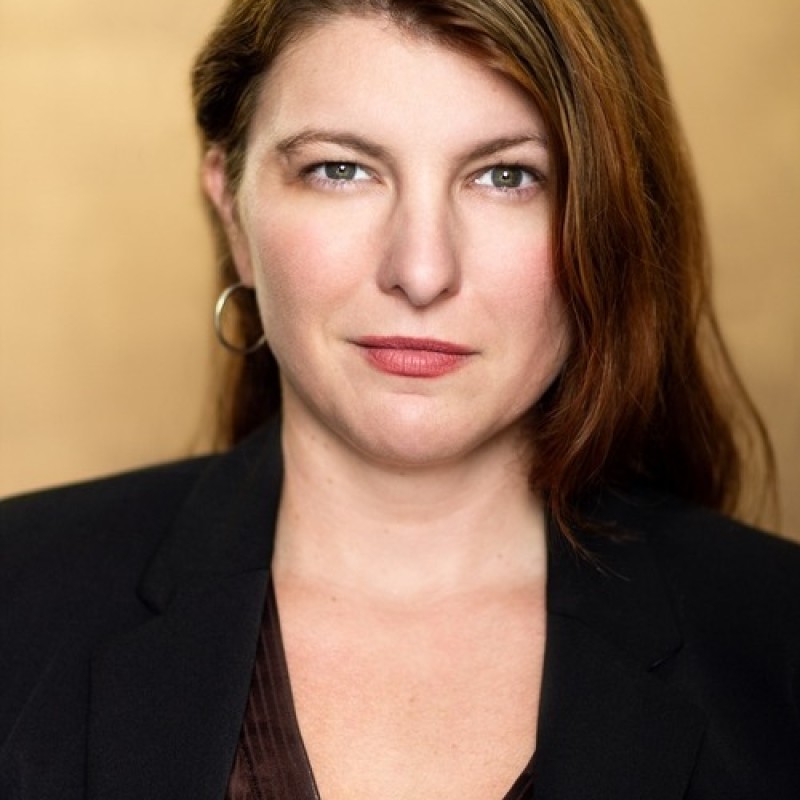
Empowering artists to create theatre that sparks social change—one performance, one audience, one ripple effect at a time.
For 16 years, I've been proving that theatre isn't just entertainment—it's a catalyst for justice. As Founder and Executive Director of Ripple Effect Artists, I've produced dozens of original productions addressing LGBTQ+ rights, racial justice, gender-based violence, and climate action, reaching thousands of audience members and providing FREE performances to NYC students.
My approach is simple but powerful: every show ends with a talk-back that moves audiences from passive viewing to active engagement. We partner with grassroots organizations, donate proceeds to social justice causes, and challenge every audience with one question: WHAT DIFFERENCE CAN YOU MAKE?
I shared this philosophy in my TEDx talk at NC State University: "We Are Missing Out! The Arts Are Our Superpower!"—where I explored how theatre uniquely creates empathy, dialogue, and meaningful action.
My background blends art and business:
MFA in Acting from Bristol Old Vic Theatre School (UK)
MBA from Capella University
SAG-AFTRA & Actors' Equity member
Published author and playwright
Professional actor, singer, and public speaker who has addressed 200+ drama educators nationwide