RSS Feed

 Goodpods

 Apple Podcasts

 Spotify

 Amazon Music

 TuneIn

 iHeartRadio

 Pandora

 Podchaser

 Castbox

 Overcast

 Podcast Addict

 Castro

 PlayerFM

 YouTube

What if life-saving surgery didn't have to wait for an operating room? Imagine a portable surgical environment that can be set up in under five minutes, bringing care closer to patients in hospitals, disaster zones, and remote communities. In this episode of Conversations with Rich Bennett, retired U.S. Army Lieutenant Colonel and SurgiBox President and CEO Kelly Laurel shares how the innovative SurgiField System could change the future of surgical care. Drawing from her military healthcare c...
Key Takeaways
- The SurgiField System by SurgiBox creates a protected, ISO level 7 operating room equivalent environment in under five minutes, drastically improving access to surgical care.
- Retired U.S. Army Lieutenant Colonel Kelly Laurel draws on her extensive military healthcare background and personal patient experiences to lead medical technology innovation.
- Portable surgical technology can alleviate massive hospital backlogs by shifting minor procedures out of expensive main operating rooms and into bedside settings.
- The ultra-portable 10-pound system fits in a backpack, making it ideal for natural disaster response, remote areas, cruise ships, and military battlefields.
- Beyond protecting the patient from infection with HEPA-filtered positive pressure air, the bubble protects healthcare providers from bloodborne pathogens and reduces overall medical waste.
What if life-saving surgery didn't have to wait for an operating room? Imagine a portable surgical environment that can be set up in under five minutes, bringing care closer to patients in hospitals, disaster zones, and remote communities.
In this episode of Conversations with Rich Bennett, retired U.S. Army Lieutenant Colonel and SurgiBox President and CEO Kelly Laurel shares how the innovative SurgiField System could change the future of surgical care.
Drawing from her military healthcare career and her personal experience waiting weeks for a procedure that took only minutes, Kelly explains why access to surgical infrastructure can be just as important as access to skilled surgeons.
In this conversation, you'll discover:
- How SurgiBox creates a protected surgical environment using portable, HEPA-filtered technology.
- Why Kelly's military service helped prepare her to lead healthcare innovation.
- How the SurgiField System has been used in Ukraine, Myanmar, and Jordan.
- How portable surgery could help hospitals address surgical backlogs and disaster response.
- What's next for SurgiBox, including smaller systems and planned blood-recovery capabilities.
Kelly's mission is about more than technology. It's about helping medical teams deliver care where and when patients need it.
Learn more about SurgiBox: https://www.surgibox.com/
Contact Kelly: kelly@surgibox.com
Episode sponsor: Eco-Cool HVAC, a veteran-owned company committed to honest service and dependable comfort. Visit https://ecocoolhvac.com/.
Enjoy the conversation? Subscribe, leave a review, and share this episode with someone interested in healthcare innovation, military medicine, or medical technology.
Visit https://conversationswithrichbennett.com/ for more conversations.
Join the conversation!
CHRIS PINNELLA: CHRISTMAS BY CANDLELIGHT - Star Centre
Vincent La Padula Magic Show | Havre de Grace Opera House — Vincent Does Magic
Eco-Cool HVAC
YOUR FRIEND IN THE SUMMERS & WINTERS! Heating & Air Conditioning Service and Repair, Furnace & Boil
Disclaimer: This post contains affiliate links. If you make a purchase, I may receive a commission at no extra cost to you.
Rate & Review on Apple Podcasts
Follow the Conversations with Rich Bennett podcast on Social Media:
Facebook – Conversations with Rich Bennett
Facebook Group (Join the conversation) – Conversations with Rich Bennett podcast group | Facebook
Twitter – Conversations with Rich Bennett
Instagram – @conversationswithrichbennett
TikTok – CWRB (@conversationsrichbennett) | TikTok
Sponsors, Affiliates, and ways we pay the bills:
Hosted on Buzzsprout
SquadCast
Follow the Conversations with Rich Bennett podcast on Social Media:
Facebook – Conversations with Rich Bennett & Harford County Living
Facebook Group (Join the conversation) – Conversations with Rich Bennett podcast group | Facebook
Twitter – Conversations with Rich Bennett & Harford County Living
Instagram – Harford County Living
TikTok – Harford County Living
Sponsors, Affiliates, and ways we pay the bills:
Recorded at the Freedom Federal Credit Union Studios
Hosted on Buzzsprout
Rocketbook
SquadCast
Want to be a guest on Conversations with Rich Bennett? Send Rich Bennett a message on PodMatch, here: https://www.podmatch.com/hostdetailpreview/richbennett
Disclaimer: This post contains affiliate links. If you make a purchase, I may receive a commission at no extra cost to you.
If you’re interested in podcasting and are looking for equipment and services, here are some of the ones we use and recommend:
Podcast products we have used, use, and/or recommend
Buzzsprout - Let's get your podcast launched - Start for FREE



Frequently Asked Questions
What is the SurgiField System?
The SurgiField System is a portable, inflatable surgical environment powered by a HEPA filter pump that creates a clean, protected operating room equivalent in under five minutes.
How much does the SurgiBox SurgiField weigh and how is it transported?
The system weighs less than 10 pounds and fits into a 40-liter backpack, allowing it to be easily hiked into remote locations, carried on ambulances, or airdropped by helicopter.
What types of procedures can be performed inside the SurgiBox bubble?
The system can accommodate various procedures, including limb surgeries, hand and foot treatments, diabetic ulcer debridements, and even C-sections depending on the model's size.
How does portable surgery help hospitals deal with surgical backlogs?
By taking minor procedures out of the main operating room and moving them bedside or to community clinics, hospitals can increase throughput and significantly reduce patient wait times.
00:00 - Introduction to Kelly Laurel and SurgiBox
03:30 - Growing Up in a Military Family
05:23 - Army Leadership Lessons
07:47 - From Battlefield Medicine to Healthcare Leadership
09:35 - Discovering SurgiBox
11:38 - How the SurgiField System Works
13:22 - Making Hospitals More Efficient
15:50 - Kelly's Personal Experience Waiting for Surgery
19:00 - Bringing Surgical Care Closer to Patients
20:28 - Training and Using the Technology
21:41 - Disaster Response and Emergency Medicine
24:37 - Surgical Care During Medical Evacuations
26:37 - Military Applications and Future Development
28:03 - Sponsor: Eco-Cool HVAC
29:59 - Next-Generation SurgiField and Blood Recovery
32:17 - The Origins of SurgiBox
36:01 - Hospital Infrastructure and Surgical Backlogs
40:03 - Real-World Applications in Ukraine and Myanmar
41:53 - A Live Surgical Demonstration in Jordan
45:28 - Surgical Instruments and System Limitations
46:36 - Could Portable Surgery Reduce Wait Times?
50:10 - SurgiBox Website and Contact Information
51:40 - Kelly's Vision for the Future
52:23 - The Random Question: Feeling Truly Alive
53:33 - Final Thoughts and Appreciation
55:11 - Rich's Wrap-Up and Closing
Wendy & Rich 0:01
Coming to you from the Freedom Federal Credit Union Studios Hartford County Living Presents, Conversations with Rich Bennett. How are you good to hear?
You're not that sharp up!
I'm not that sharp up! What? I'm not that sharp up! I'm not that sharp up! I'm not that sharp up! No, no, no, no! I'm not that sharp up!
Rich Bennett 0:27
I'm not that sharp up! Imagine waiting months for enhanced surgery that could take about ten minutes. My guest, Kelly LaRelle, knows that frustration first-hand. And he gives her mission a very personal meaning. A retired U. S. Army Lieutenant Colonel and the President and CEO of Surgery Box. Kelly is working to help bring surgical care closer to people who need it. Surgery Box's Surgery Field System – now, say that ten times your ass – creates a protected operating room like surgical environment in under five minutes. Opening possibilities everywhere from hospital bedside to remote communities and disaster zones. So today, we'll hear how Kelly's military experience and her perspective as a patient shape her leadership and explore a powerful question, what becomes possible when we can bring the surgical environment to the patient? How you doing, Kelly?
Kelly Laurel 1:26
Great! Thanks for having me, Richie.
Rich Bennett 1:28
Oh, oh, my pleasure. Look, I want to get right into this because when we're talking in a green room and you're telling me everything, it's like, okay, this is the first of all where you live and it's as amazing as it is. It's all, I think it's well something that we've needed for a long time. So before we get into Surgery Box, and I love asking veterans this, what drew you to serve in the military? Specifically the Army, and how did I experience shape the person you are today?
Kelly Laurel 2:02
Oh, wow. Good question. So let's see. I joined when I was 17, it's probably the youngest one in my basic training.So yeah, and so it definitely was the latrine queen, whether I was on schedule or not, during the dynamics, and that was it if served, we'll know what that means. So you know, you have a roster, but I knew I was going to get my butt kicked if I didn't take someone else's stiff one they were told. So I opened an experience, but anyway, no, I was called to serve. My father served in the military's retired Air Force. So, it's all I know, right? Move 12 times before I was 17, right?
Rich Bennett 2:38
Wow.
Kelly Laurel 2:40
Then had that really active, you know, military brat life. And strangely, I liked it, right? I liked the new locations, I liked meeting new friends. I have an older brother and younger sister who didn't like it the way I did, right?
Rich Bennett 2:53
Okay.
Kelly Laurel 2:54
It's big crocodile tears. So, but I actually enjoyed it. I enjoyed seeing the service that my father provided and it was something I was called to do. So join the military enlisted the simultaneous membership program and did ROTC at the same time, then ultimately commissioned. And then of course came on on active duty and commission as a medical service core officer and love it, right? It was a great career. I think it was a great opportunity, you know, I'm a Hispanic woman. And I think there's no other place that gives you that quality of opportunity.
Rich Bennett 3:29
Yeah.
Kelly Laurel 3:29
Mail, mail, minor, or not, right? And it's just, I think I was given every opportunity that any other person had to excel and to achieve the things you want to achieve. So I think it's just a great place to gain leadership skills, to be treated fairly and equally, and to have great opportunities. I absolutely love my military career. I love what it taught me. I love the experiences that I've had and the people I serve with.
Rich Bennett 3:55
Is there a moment from your service that actually still influences how you lead today?
Kelly Laurel 4:01
Oh, absolutely. And sometimes I need to curtail that, right?
Rich Bennett 4:04
yeah.
Kelly Laurel 4:04
So, You know, I have a serious expectation management problem. Like, you know, when people say they're going to do things, I expect them to actually do them when they think they're going to do them. And so this is interesting, right? So the group and the team I lead in Mr. G. Boxer are much, much younger.
Rich Bennett 4:19
Right.
Kelly Laurel 4:20
They're all in their thirties now, many of them started in their twenties and been with the company a little while, but they're in their early thirties. And just sort of the work ethic is different. And I have to learn how to sort of adapt and adjust to sort of things that are more common today, right? And you know, I think the leadership skills and things that I have is just like, hey, here's your to-do list, you come back and you report on your status and you've done XYZ and here's what you plan to do it. Everybody's a little bit more relaxed than that.
Rich Bennett 4:48
Yeah.
Kelly Laurel 4:49
U, you know, not that they're not getting it done. They're just take a different creative approach to things and and when I say things should be done soon today, that's usually a kind of a 24 hour thing and they might translate that a little bit differently. So, you know, language barriers in talking plainly and expectation management. And so there's definitely things about that that, you know, I've had to sort of civilian eyes
Rich Bennett 5:14
or, yeah,
Kelly Laurel 5:15
or get into the front of working with younger people again, you know, I think in the military when you're training young service member's soldiers and, you know, you really trying to build them up and
Rich Bennett 5:26
how
Kelly Laurel 5:27
to execute in the way you want. It's kind of a little bit different, you know, working with the creatives of of today, but, um,
Rich Bennett 5:35
you can't be a drill instructor in today's world in the,
Kelly Laurel 5:38
yeah,
Rich Bennett 5:38
in the corporate
Kelly Laurel 5:39
someone's going to complain. Someone's
Rich Bennett 5:40
company. Yeah,
Kelly Laurel 5:41
going to complain.
Rich Bennett 5:43
Even raising kids, you, you can't. It's funny because my daughter works in the daycare and it's like some people, somebody said, you ought to substitute there's like.
Okay, no way, because you know, there's kids be misbehaved, the drill starter come out of me be like, I get fired. It wouldn't last long. So actually, how did your pants take you from military into the medical technology?
Kelly Laurel 6:19
The good question. So you know, medical service course, I was responsible in you early in my career for, um, you know, battalion aid stations ambulance.
Rich Bennett 6:27
Yeah,
Kelly Laurel 6:29
operationally how you move patients on the battlefield. And at some point in your military career, you have to specialize and I became a comptroller, a resource manager, a CFO, if you will,
Rich Bennett 6:38
you
Kelly Laurel 6:39
of hospital. So I had a hospital at all essential Germany. So I had Hydoper hospital outline clinics, outline vet clinics, dental clinics. So then you're in a different sort of mindset about, you know, making the budget you have, how do you make it efficient. I
Rich Bennett 6:53
know,
Kelly Laurel 6:54
went to work then afterwards and office of the surgeon general where we were managing how that money flowed. And it was just interesting. So I went sort of from a battlefield perspective to a fixed facility perspective where you're tracking efficiencies and, and outputs and, and how the doctors and time is being utilized. So all that to say that, and my husband also having served, you know, and standing up the first warrior transition brigade that was out, you know, with part of all to read when we had such an influx of wounded warriors and service members.
So this all of this sort of pieces of health care rent and important. And as I finished my career, you know, I also served as a legislative appropriations liaison for the Pentagon, not for just defense health but other programs as well. So I started to really see things at a very broad, broad level. When I retired, I went to work for an international medical device company who wanted to grow presence and market share, both in that military facilities
Rich Bennett 7:53
vehicle.
Kelly Laurel 7:53
and in the So I see things from a very strategic perspective on what moves the needle and how do you capture workload. I did that for a number of years and that's when I thought I was going to really retire the second time. And then
Rich Bennett 8:06
on
Kelly Laurel 8:07
this little company calls on me to help them and give them some advice on this technology that they were really just taking from a R&D company into a commercialization one. And, you know, and it was born out of Harvard, and MIT, I'm thinking, why are they calling me, they're the smarty pants, like, what do I know. But this is really then where you figured out, okay, I do know something about.
Rich Bennett 8:29
Right.
Kelly Laurel 8:30
And so I looked at it, and it was such a compelling technology to help save lives on the battlefield. That's what drew me in first. And of course, you know, my husband has been having done the Moondaboyer brigade, you know, and served there for a number of years. It was like, okay, this could be a game changer. Because sometimes it's about surviving your injury, and then it's also about minimizing the infections post-endery that can also have a very crippling lingering effect.
Rich Bennett 8:55
Right.
Kelly Laurel 8:55
So that was what first drew me to it, but then putting on my different lens is where I said, you know what, this is a game changer, not just for battlefields, and where infrastructure doesn't exist, but where we deliver healthcare globally. How do you make care more efficient, and I would love to just talk to you a little bit more about how I see this sort of, you know, transition. It's an obvious fit for where structure doesn't exist, but how it really can change the game for where healthcare does get delivered.
Rich Bennett 9:25
Yeah, because I mean, when I saw, when the information came over and I saw a surgery box, I'm like, what is this? But then I saw your background.
And I'm sure you've experienced this here in the States. there and I think of my buddy who need to get both of his hips replaced. The closest V. A. was an hour and a half away. But the fact that this can bring things closer and I don't know if you work with the V. A. or not, but I'm sure you'll hit on that. Uhm, it's just amazing so you know what I'm just going to turn it over to you and tell.
Kelly Laurel 10:10
No, I totally agree with you. So like I said, this is just an inflatable bubble, a drape, an inflatable drape that you said can be set up and under 5 minutes. If you're proficient, probably closer to 3 minutes. You know, it's powered by this HEPA filter. It's above the size of a shoebox, a HEPA filter pump that blows positive clean pressure air into the bubble while you perform your procedure. And it's not a balloon so the air is captured. It's an
Rich Bennett 10:35
How?
Kelly Laurel 10:35
active air flow, which is really a key important feature. And it has arm ports on top so you can have 2-3 people working at any moment and it adheres to a patient. So you clean a patient like you normally would. You peel back a stick or you stick it on them, you turn on the pump, it inflates. You're ready to rock and roll in under 5 minutes, right? You can perform domino thoracic procedures anywhere or you can do any limb procedures, arms, hands, legs, feet. Okay. So now you kind of got an idea that you can stick things into the bubble. It's got a magnetic port so you can put tools and instruments in and it's sort of self-closes back. Or if it's a C section, take a baby out and it'll close back up. So
Rich Bennett 11:12
What?
Kelly Laurel 11:12
this is blowing clean air in creating an ISO level 7 operating room equivalent in any condition, right? So you might not be able to control the whole room around you but you can control the clean air and space above that
Rich Bennett 11:25
Right.
Kelly Laurel 11:25
injury or surgery. Really, really fascinating and like you said it can be, it's ultra portable, weighs less than 10 pounds. It fits in a 40 liter backpack. You can hike it in anywhere. You can sling load them and drop them by helicopter if your roads aren't passable. So really cool tech that can just make so much sense, right, like you
Rich Bennett 11:46
Yeah.
Kelly Laurel 11:46
can just this mini clean box right above a surgical site. So this is what I said what attracted me is like this could be a game
Rich Bennett 11:54
back.
Kelly Laurel 11:54
changer on our Let's start to think about like you said, where healthcare is delivered and knowing from a CFO perspective and how much you might through put is in an operating room. The operating room is the most expensive infrastructure of any hospital, right? You pay by a minute. It has, you know, how efficient that operating room really determines how profitable that hospital network is, right?
Rich Bennett 12:17
Right.
Kelly Laurel 12:18
And as your, you know, your operating room very, very efficiently and everything else flows down from that, your admissions and things of that in your readmets, if there's infections, lots of things happen in the operating room. But if people had more capacity, and you took the, let's just say even the simple procedures out of the operating room, like hands and feet surgery or other minor procedures, think about how, how much more you need the care for your autopsy report and meeting your population's demand. So in a hospital facility, you could take things now bedside for room dressing changes, hand procedures, foot procedures, move them out of the operating room, save it for the big hit replacement or those big knee
Rich Bennett 12:53
measurements.
Kelly Laurel 12:54
And now you've, you're flattened out, more surgeons are getting more throughput, the population is getting their demands met. They're not having to wait as long for these procedures to happen.
You know, they run a lot of these community based clinics. There's no,
Rich Bennett 13:11
yeah.
Kelly Laurel 13:16
Yeah. Maybe somebody comes once a week and treats all of those patients. Maybe you need a fistula creation for dialysis patient. Maybe you send a vascular surgeon once a week to do procedures. And now you're, you're really meeting your populations demands because now you have the infrastructure to do something cleanly and safely. So this is where really where I want to get the conversation going. And I'm eager to get this in front of the VA and start talking to them about it. So when this company launched, you know, we went regulatory wise outside the US because we said, hey, the need is greater there. The lack of infrastructure is significant in many of
Rich Bennett 14:04
us.
Kelly Laurel 14:04
You know, you know, low and middle income countries, right? The, the infinite mother mortality rates were really high because we're doing dirty c sections because they lack infrastructure. So we started thinking about it in that way. And this is where I'm started like, you know, we need to come back here domestically.
Rich Bennett 14:22
Yeah.
Kelly Laurel 14:22
And a need here also in the U. S. that I think this can have a really strong value proposition. And so this is where we're now working on our messaging and being on platforms like this. I don't know who's listening, but this might be a great way to say, you know, private practice surgeon no longer the hand surgeon. And you mentioned that in the beginning, sorry jumping around here, but, you know, when I retired from the Army, I had a really bad decoer veins, right? As a thumb, you used to call it, I think, "Washboard syndrome, washmaid syndrome," right? So it was my thumb was locked up from over blackberry to nothing, right? So here you are working in the Pentagon. So you're on the Metro, you're using your blackberry from sunup to sun down because you're on the run and you're doing different things and I've worked on the hell. So anyway, I had a very serious thumb injury, right? And I couldn't no longer move my thumb from overuse for petitive use.
Rich Bennett 15:12
a..
Kelly Laurel 15:12
So I
Rich Bennett 15:12
Technology!
Kelly Laurel 15:12
saw
Rich Bennett 15:13
That's one of the downsides.
Kelly Laurel 15:16
So I had this terrible blackberry thumb going decoer veins. And so, you know, the military is part of my retirement. You know, this has kind of obviously covered my injuries.
Rich Bennett 15:25
Right.
Kelly Laurel 15:26
To a really fancy hand surgeon, impathessed, you know, I'd go and I'd get a number of course-owned shots, right? And to see if they would get the inflammation down and working. And it just wasn't working. And from,
Rich Bennett 15:37
Wow!
Kelly Laurel 15:37
you know, I suffered with it for a few months and so you're only allowed so many shots. But, you know, those steroid shots before it becomes detrimental, right? And
Rich Bennett 15:45
Mm-hmm.
Kelly Laurel 15:45
you can no longer do it, right? And I'd do a couple and it's like, "Okay, you're a surgical candidate." I'm like, "All right, we've got to go in there and do a tendon release." Fine. So this doc had a beautiful Bethesda office and a high rise, fancy, swanky boy, a surgical time he rents space down the street at an ambulatory surgical center. And so, I'm like, "Okay, he's like, "Well, I get every Wednesday afternoon, right?" And so, and I'm booked up for this many weeks and so I'll see you on like, so I had to wait several weeks until it was my time for surgery. Okay, fine. So I show up there, I go there, you know, I'm wearing the bonnet, getting scrubbed up in the surgical gown, all of these sort of things and, you know, go do the surgery. And the surgery literally takes under five minutes, right? Because they drain all the blood out of your hand, put a constricting ban on. And if they don't work fast, there's going to be other damage, right? So they work super fast. It's, you know, it's probably even under two minutes when he's actually cutting. And I'm thinking, man, I waited weeks for this
Rich Bennett 16:41
Uh-huh.
Kelly Laurel 16:41
surgery. You know, weeks ago, right?
Rich Bennett 16:45
Doesn't make sense.
Kelly Laurel 16:47
Okay, he's right. So I think this has got to be better for him, better for me. He doesn't have to leave us off. You know, in and out, he can build for his procedure, and we're all happy, right? I like. But that just sort of made my head, you know, realized that there's so many of these procedures. Like I said, the diabetic foot ulcers, I think, you know, we have such a rise in diabetes, you
Rich Bennett 17:07
Yes.
Kelly Laurel 17:07
know. Not eating like we should. And, you know, they add that to so much sugar and everything. And diabetes, you know, leads to two other conditions, hand problems, and feet problems, right?
Rich Bennett 17:19
Hmm?
Kelly Laurel 17:19
Because of inflammation and swelling and things like that. So, um, yeah, jus think about how this could help change home healthcare delivery or bedside delivery without having to go and actually pay for an operating room.
Rich Bennett 17:32
You know what it reminds me of and now I'm going to be showing my age, but I remember, as a kid, doctors use to make house calls, which is something you don't see anymore. And now you're bringing this to the patients,
Kelly Laurel 17:47
a.
Rich Bennett 17:47
which is The other thing. And now I don't know if this would help with that, but I'm thinking, you know, because we see wildfires a lot here and in Canada, can this help with burn victims as well?
Kelly Laurel 18:00
Okay. It can it depends on the extent of their burn. So,
Rich Bennett 18:03
Okay.
Kelly Laurel 18:03
what what I especially even as you continue to care take for burn visions that need those debrisments while
Rich Bennett 18:10
Yeah.
Kelly Laurel 18:10
they're continuing to hit so the only caution I would say is there is an adhesive on the bottom and it's like a big window frame, right? You
Rich Bennett 18:17
Right.
Kelly Laurel 18:17
peel off a stick, creates like a window frame. So depending on the extent of their burn, if it can be, if it can fit within the window frame, then you can safely do it but I wouldn't attach it to any burn flesh. Because it is so sensitive. So depends on the size and severity of the burn, but it could be.
Rich Bennett 18:35
So is it with this, with the surgery box, I'm going to get a wrong surgery box, surgery system,
Kelly Laurel 18:43
Where
Rich Bennett 18:43
surgery
Kelly Laurel 18:43
do you
Rich Bennett 18:43
field.
Kelly Laurel 18:43
feel? Surgey field? Uh-huh.
Rich Bennett 18:45
Surgey field system. Yeah. Surgey box surgery. I'm not even going to try it. Is there specialized training that goes with this? And if there is, is this something that's going to be put into like the universities and everything?
Kelly Laurel 19:00
So those are places we want to get to is being in universities and making this just a common everyday
Rich Bennett 19:08
Yeah.
Kelly Laurel 19:08
premium product can be used for so many things. But in terms of what you asked for in terms of training, part of what we've done is we created an instruction for use, a little pamphlet on how to set it up and how to use it. And part of our testing before we even released this was how intuitive is it? How much training do you actually have to put something like this together?
Rich Bennett 19:28
Right.
Kelly Laurel 19:28
And so we were able to go and do a couple of test scenes at different locations with a number of different surgeons and all we left them as instructions and said nothing. 100% of them could set it up, right? Like, you got to figure that the medical profession is smarter than the average
Rich Bennett 19:46
Yeah.
Kelly Laurel 19:46
bear, but it's still not complicated. Like, they could look at the picture, they could figure it out, they set it up, turned it on and were able to execute without any other instruction. So we say zero training is needed, but we do have instructional videos now if available on our website, you can push it, if it's a limperseacher or it's a domino thoracic surgery, just go watch a video and it shows you how to set it up. But the instructions that we include are pretty clear. It's pretty intuitive.
Rich Bennett 20:13
Oh my God. I'm just sitting here thinking like with the hurricanes and everything like Katrina.Oh my God. Imagine if this was around back then.
Kelly Laurel 20:22
Exactly. This is definitely something that should be in everybody's, you know, FEMA or
Rich Bennett 20:26
Yeah.
Kelly Laurel 20:26
any mask help when your infrastructure is damaged because again, back to going with it takes days to get those trailers moving to arrive on site to set up. And people need procedures immediately after the disaster. Right? Like,
Rich Bennett 20:40
Yes.
Kelly Laurel 20:40
you know, with tornado, they could have suffered lots of injuries from that. Right? So if you think about just immediately right after something, if these were warehouse and stored somewhere close by or airdrop from the helicopter, like I said, easy enough. Right? This can be, you know, address those population needs immediately without the infrastructure. Matter of fact, we had a picture of a hospital in Thailand, I had a massive earthquake and they immediately are, you know, their hospital. They're crumbled right?
Rich Bennett 21:08
And
Kelly Laurel 21:09
they're up, right? So they're out there in the parking lot in the open space in parallel doing surgeries, right? So the clinicians are all there doing surgeries, but they're open to the open air. Just imagine if they could have all popped up bubbles and could be doing surgeries in parallel. Right? Like, you know, big saving.
Rich Bennett 21:26
These, are these things cause effective enough to where they could be carried on like ambulances or, or fire trucks for EMTs?
Kelly Laurel 21:36
I mean, so it depends on what the EMTs capable of doing.
Rich Bennett 21:39
Right.
Kelly Laurel 21:39
Just some things like that, but it could be an ambulance where you're actually taking a healthcare provider out with you because you're
Rich Bennett 21:46
Yeah.
Kelly Laurel 21:46
expecting counties, right? You're going to a car rack, a train rack or something like that where there's casualties. But they're very small. Like I said, you know, it fits in a backpack. The bubbles all come in these sterile tie-back pouches so you can take one machine and 10, 12 bubbles right out. So it's very, you know, it's a small footprint. And more importantly, what's interesting is this protects the patient from the outside environment. But it also protects provider from bloodborne pathogens, right? Blood splashes. So you don't need any other PPE other than gloves. So think about replacing now your gowns, your caps, your shoe coverings, all the other sort of PPE that people would
Rich Bennett 22:24
Yeah.
Kelly Laurel 22:24
wear. The surgical space. Now you just need gloves. So it is a smaller footprint and less waste if you think about it that way, but it could totally be pre-positioned with ambulances and any sort of emergency response team so that they have this immediately available.
Rich Bennett 22:40
That would be great, especially for you know, like you mentioned, that's what made me think of that question was when you mentioned tornadoes. You know, flooding, that's another thing, just all these natural disasters. And I didn't even think about car accidents. But I mean, yeah, because there's times you get like highways or interstates are completely shut down. And you were waiting on a medevac to come in. Oh, I guess that would even work fit on a medevac, wouldn't it?
Kelly Laurel 23:09
Absolutely. Absolutely. So-so what happens is there's a positive pressure machine that I mentioned and then the bubble it inflates. The pressure sensor that reads the ambient pressure and the pressure was within the bubble. So what it's doing is keeping a pressure differential. So we've tested it at different altitudes and as you change altitudes, right? So absolutely could be used for a Medevac. Could be used on fixed, you know, fixed wing and rotary wings. We've, you know, tested in both situations. I think about places where there's wide open spaces and you have to send an air ambulance out to get
Rich Bennett 23:42
Mm-hmm.
Kelly Laurel 23:42
somebody, right, because West Texas in the middle of nowhere and you had a car accident, right? So imagine that if you now put the provider and don't lose that golden hour by having to wait for that helicopter to arrive, scoop you up and bring you back, having that provider on that aircraft so that they can respond upon arrival. But if it changes, right? Could suddenly change, make the difference between life or death.
Rich Bennett 24:05
Ooh, think of even cruise lines. How will he count?
Kelly Laurel 24:08
Shit, well, I'm going to get you to be our marketing guy. You were all over it.
Rich Bennett 24:13
Well, I mean-
Kelly Laurel 24:15
Let's talk about that after
Rich Bennett 24:17
Because
Kelly Laurel 24:17
we- You're
Rich Bennett 24:18
of the
Kelly Laurel 24:18
right.
Rich Bennett 24:18
footprint of how small it is, it would be perfect on cruise lines. Even airplanes you think about it, because if something happens in the air, then you have to make an emergency landing, b if you- You
Kelly Laurel 24:33
get
Rich Bennett 24:33
You
Kelly Laurel 24:33
on.
Rich Bennett 24:34
know, it's like, dance to the last minute.
Kelly Laurel 24:37
Absolutely. And sometimes, you know, you don't have somebody you can actually address the situation or not have their tools, but-
Rich Bennett 24:42
Right,
Kelly Laurel 24:42
But maybe you can start to kid it in that way, but it can also be used for transport like a giant protective bubble. Just sticky,
Rich Bennett 24:50
yeah.
Kelly Laurel 24:50
let's say you've got somebody who's impaled with something and is sticky now. Okay, let's at least put this over as a protection, right? Set this on top of whatever, and they just sort of use it for transport as a, as just sort of a, you know, a, you know, a-
Rich Bennett 25:03
Yeah,
Kelly Laurel 25:04
protect that injury until somebody can address what it is that's going on.
Rich Bennett 25:09
Now, is this something that our military has now? Or are you still working on that?
Kelly Laurel 25:14
So, good question. So the military actually was a participant in funding us in a, you know, part of our early development, so there's, there's definitely some military interests, and we created it. We received some early funding from the US military and other other countries like, you know, USAID, which is gone, but Canadian aid and U. K. A. Also, we're interested in this technology, so we finished it. Now, like I said, we've got that out there. It's performing surgeries in a variety of areas, and we can come back and talk about those, but then when they saw it, the military's like, you know, we, we put in, we developed it with a lot of input from different providers, trauma surgeons, non-governmental groups and geo groups. One of those was Meditation Sans Frontiers or Doctors Without Borders. And one thing they said is, hey, we do a lot of C-sections, which is why our bubble is quite big and tall and has enough space to do a C-section and remove a baby safely. So, when we, when we finished it, the military's like, you know what, we really like it? Can you make it smaller? Because we're less worried about C-section, we want to do more about boundary sectioning and structural removal. So, we have a next gen, actually in development, that we have our prototypes that are now currently being produced, and then probably be available at some point later next year, but what's super cool about this and I have to just sort of tell you, it's a secret, so don't tell too
Rich Bennett 26:33
Okay.
Kelly Laurel 26:33
many.
Rich Bennett 26:35
it. You're listening to the conversations with Rich Bennett. We'll be right back.
Let me take a moment to talk about a sponsor I trust and highly recommend. Eco-Cool HVAC. One thing I love about these folks is how clear and up-front they are. Have you ever wondered whether bigger HVAC systems heat or cool faster, well, here's a spoiler. They don't. In fact, over-size units can cost you more in the long run. Ego Cool helps you get the right system, not the biggest, and that saves you money while keeping you comfortable. They're not in the business of overselling. They're in the business of doing it right the first time. Plus, the veteran owed, which means they bring discipline, honesty, and service to every job. Whether you need heating repairs, a system upgrade, or just some honest answers, Ego Cool HVAC is the team to call. They offer same-day service and free replacement quotes. Give them a call at 443-324-9714. Again, that's 443-324-9714 or visit EgoCoolHVAC.com. That's ECO-COOL-HVAC.com. With Ego cool, you don't just get HVAC. You get peace of mind.
[Music] Let's get back to the conversation.
[Music]
Kelly Laurel 28:31
You know, we have uh, we have pockets along the side of the bubble to keep the fluid out of the surgical area, right, in the big bubble. It's not along the side that stay lower than the body, so you know, the fluid flows down into it. But what's interesting is we linked up with another company out of the Netherlands called HEMA Clear. What HEMA Clear does is they created a blood filter system that's gravity-fed. It's basically take a blood bag of stuff, waste, and blood and it goes through a system that's circular about the size of a dessert plate, and then separates into platelet-rich blood cells and waste. But now you can give that back to the patient, so they had this auto-transfusion capability. The challenge they had is, how do we pick up all the blood all over the floor and put it into our system? So when they saw our bubble and we have these pockets already collecting fluid, we made a linkage to be able to take that fluid, run it through their system, and give blood back to the patient. Should they need it? Not all surgeries need blood, but in the cases where you do, you do. And so in our next gen, we are having that accessory for auto-transfusion, because having the right blood at the right place, at the right time, at the right temperature at the moment you need it, has been a logistical challenge on the battlefield for
Rich Bennett 29:49
Right.
Kelly Laurel 29:49
decades. For absolute decades. So this was kind of a game-changer for the military when they saw this. It's like not only can we now do clean safe surgery, we can couple it with auto-transfusion at that moment. And give the patient back their own help. So we will retrofit our OG, our original bubble, to have that same capability, but our next gen that will be out, will have auto-transfusion capabilities.
Rich Bennett 30:13
Wow.
Kelly Laurel 30:13
We're super excited about that, the military is super excited about that. So we know that this will be something that could be really important and interesting for them. Even if you're doing surgery within those field hospitals, now you can do it in parallel, and not worry
Rich Bennett 30:27
Yeah.
Kelly Laurel 30:27
about... Prophanation, keeping the blood off the floor, which becomes very good slippery, by the way. So you know, this is what we're working with the military. So they know about it, they've funded this next gen for us and so they're eagerly waiting for it to come out.
Rich Bennett 30:44
Now, when did this actually start? What year did this come around?
Kelly Laurel 30:49
So that's a really good question. So this technology, and like I said, I joined the company a few years ago
Rich Bennett 30:55
Right.
Kelly Laurel 30:55
and took over this year. So I wasn't the inventor, I am now putting input into the SNES Gen model where we'll have some additional design features. But the way that sort of came about is at Harvard, there's a doctor, Dr. David Kernell-Kin. He is a Special Forces Trauma Surgeon, a reserve special forces trauma surgeon. You may know that name from the Boston Marathon bombing.
Rich Bennett 31:18
Okay.
Kelly Laurel 31:18
He was running that marathon and had just finished when the bombing went off and turned around and did hours and hours of surgery and ran back into trying to help people through that.
Rich Bennett 31:30
Yeah.
Kelly Laurel 31:30
he's started a known entity in the Boston area, but anyway, Colonel, uh, David King, trauma surgeon, was in class teaching a surgical rotation, and he had just returned from the humanitarian mission the military sent him on in Haiti for the Haitian earthquakes. And he was in the class basically showing them, you know, hey kids, this is what real trauma surgery looks like, right, and he's showing him doing surgery in the back of a truck under a tree in a box with a fox or whatever, right, like you know, dirty surgeries everywhere. And one of students, WTOJ, raises her hand and says, you know, like this looks awfully dirty. Aren't you worried about sterility? And he's like, hey look, sterility's a luxury, not a necessity. You're doing what you have to do to save life and limb in that moment. And in her mind, I just didn't set well with her. She's like, you know, we take better care of lab samples than we are people. Aren't we worried about these infections, post-surgical infections? And so she literally went home with PVC pipe and ran rap and yellow kitchen gloves and said, if I can't control the whole environment, but if I can just control that space above the surgical site, make a clean box, if you will, what could that change the outcome? So she literally went back into the classroom and and show show Colonel King David King, hey, what do you think about this? Do you think this could make a difference? And he thought, I think you're on to something, right? And so he started to collaborate with her about this technology and start to say this is as a trauma surgeon, these are the things I want or how it needs to function and it can impede my mobility or my clarity or my dexterity and, you know, because initial versions have kind of gloved hands as you come in, but surgeons have special people and they're particularly picky about the gloves they wear. So it's like, you know what? Forget it, bri your own damn gloves in. We'll just make armports that are open and pick your gloves of choice. But anyways, it was starting to inform it. Also in the class was an Air Force load decision who got just returned back from the war and he was running one of the field hospitals in, where was he? Anyway, in quake. So he was running one of the field hospitals. And so now he's looking at it from a logistics perspective and a footprint perspective and how do we deploy it and how do we get it forward and what size weight and things like that. So so as a class, they started to really collaborate on it. And then Debbie went on after she finished med school over MIT and did a biomedical engineer and use the MIT D lab to help further develop this, right? And then we started collaborating with more. So anyway, this is kind of how the tech really spun up. But it started cooking up to your question about 2017. And that's just really a long journey for medical devices to get out of that R&D to really figure out the prototype.
Rich Bennett 34:08
Right.
Kelly Laurel 34:09
And our whole regulatory journey, which is a long road. And many companies on the medical device side really die in that Valley of death trying to really get something from an idea through regulatory. So we've made that journey. We've come across that Valley of death. We are on the other side. But but it's still been, you know, it's been a tough long slog and now we're ready to go to market.
Rich Bennett 34:33
So with with hospitals, how many how many of these things are actually in hospitals? because and
Kelly Laurel 34:40
So
Rich Bennett 34:41
reason asked is because, you know, think about natural disasters, a lot of times power or hospitals lose power. But they could do. Here's the field. The military field coming to again, but they could put those hospitals outside and use this as well.
Kelly Laurel 34:58
Who's you? Ri. So a lot of places have in disaster moments or need expansion. They'll call in trailers or set up 10.
Rich Bennett 35:05
Right.
Kelly Laurel 35:05
Parking and do things like that. But there's a lot of aging infrastructure too that isn't
Rich Bennett 35:11
necessary. Oh yeah.
Kelly Laurel 35:12
Air quality control. So you know, we were talking to NHS, which is the health system of the. right, their public health system. They have a one year, one year non-emergency surgical weight, so if you need a hernia repair or a foot or a hand, you're going to wait one freaking year for surgery, unbelievable.
Rich Bennett 35:29
Wow.
Kelly Laurel 35:30
And it's not a shortage of surgeons, it's a shortage of infrastructure. And so they're trying to build capacity, but it's expensive, capital expensive, it's permits. And then sometimes you might be a geographically landlock, you know, you might
Rich Bennett 35:44
Right.
Kelly Laurel 35:44
be a place and you can't go left or right. Those blocks don't belong to you, right? Like you just can't expand. So to your point, we were talking to them about, hey, here's an opportunity to increase your throughput, get your surgeons more surgical time by doing things outside of the OR, and one thing they mentioned to me and I hadn't even thought about it. So this kind of goes back to your point is they said, you know, we've had people who've had days, you know, waiting, waiting to get out of surgery. We've been scheduled that day and the surgical schedules full and then infectious control comes, shuts us down because our infrastructure is not meeting air quality standards. And we've canceled everybody's surgery, they're thinking, imagine even if we just had these backups, we could have rolled through all of those surgeries operating rooms, still had the general anesthesia on schedule, everybody's ready to go, have all your equipment absolutely could have done that. And I never thought about it from the aging infrastructure perspective, but it could absolutely solve their problem. You
Rich Bennett 36:38
Oh
Kelly Laurel 36:38
know,
Rich Bennett 36:38
yeah.
Kelly Laurel 36:38
operating rooms have their own HVAC system and their own handlers, right, because it can't mix with the rest of the facility for infection control. And I think it's typically 20 to 25 air exchanges per hour is required. Our system is guaranteed for 30 air exchanges per hour, because that's a small system. And all our bench testing actually
Rich Bennett 36:57
Mm.
Kelly Laurel 36:57
show it more like more like 45 plus or minus seven, because again, it's a small system. So we have a very high air exchange air quality. So this could be a big solution in
Rich Bennett 37:09
Yeah.
Kelly Laurel 37:10
solving capacity where your infrastructure is either failing or non-existent or jammed, right, because of other sort of demands.
Rich Bennett 37:19
Wo.
Kelly Laurel 37:20
I don't have to wait for an operating room to be to come open. Use it right in the ER, right, send the surgeon down, leave...
Rich Bennett 37:26
yeah!
Kelly Laurel 37:27
I see you as another great example. Maybe somebody's recovering very critically injured, something's going south. They need to go back in for surgery, the operator room's busy, every second counts, and you have to wait for that surgery to finish to clean up, to turn over the room, and then get them in there. And oh, by the way, you still have to disconnect them from all their patient monitoring, because you can't take that into the OR with you. Here's an opportunity. Pop it up. Do what you got to do, right where you're at. Leave them connected to all their machines, game changing. So this is to your point. This is where we need to really start getting our message. We've had some systems that we are early prototypes that we deployed out to Ukraine, in Miramar, in Jordan, in places like that.
Rich Bennett 38:10
Right,
Kelly Laurel 38:10
but we're scaling our production to start to put them in hospitals. And we have hospitals waiting to try it, to figure out to see how this fits into their workflow. So domestically, we don't have any hospitals using it yet, but because we're waiting for production, we're producing this out of Indianapolis with a company called Creative Phone. So they are going to be scaling up our production for us, and have some units available in January.
Rich Bennett 38:35
Nice. So have you guys used this in any third world countries?
Kelly Laurel 38:40
We have. So as I mentioned with some of our early prototypes, we sent out to and the US military actually paid for quite a few of them, because they were
Rich Bennett 38:50
Okay.
Kelly Laurel 38:50
interested. Before, right, they wanted to see how this performs in different settings. So we've sent to Ukraine,
Rich Bennett 38:58
front
Kelly Laurel 38:58
to
Rich Bennett 38:58
lines
Kelly Laurel 38:58
the
Rich Bennett 38:58
with them.
Kelly Laurel 38:59
We have our surgeries done there. We've also sent it to Mission of Coast Hospital, which is about 60 kilometers back from the front lines where there's still seen lots of shrapnel and injuries
Rich Bennett 39:09
these
Kelly Laurel 39:09
from
Rich Bennett 39:09
right.
Kelly Laurel 39:11
And they're doing surgery non-stop and the operator room is constantly busy so this was great for them to be able to do fixations, a lot of limb fixations, we're seeing pictures of. But where's a woman who was in Miramar, right, or Burma? I don't know how you want to call it. They have their own civil unrest. And so they have to be very, you know, they, i they see lights, they'll bomb, they'll bomb different sites of it, right. And so, so they had to be very covert about it. But this woman had Patent's disease, a bone disease that had a metastasis to her breast and
Rich Bennett 39:42
Oh,
Kelly Laurel 39:42
she--
Rich Bennett 39:43
wow.
Kelly Laurel 39:43
She needed to have a mastectomy. And there's no place for her to go to get a mastectomy. So they used our system and safely did a mastectomy, you know, in a makeshift facility right there in Burma. So we have on our website some A-studies, a shrapnel removal fixations, this mastectomy, which was just fascinating. Yeah. So it's been used in real-world operations. So we're excited about the promise that it shows and that it's been able to save the lives that it has.
Rich Bennett 40:16
So, you yourself have you been able to go out to where they're using this and any secluded areas or anything just to see how amazing it is?
Kelly Laurel 40:25
so, not yet, uhm, not
Rich Bennett 40:27
okay.
Kelly Laurel 40:29
We have some projects that we're working on with some different groups in Africa so.
Rich Bennett 40:33
okay.
Kelly Laurel 40:33
that can kick off. But one that wasn't secluded but I did see actually was witnessing a procedure and this is what sort of changed, you know, maybe think about the diabetic foot. so I was, I was asked by, I was asked by a surgeon in Jordan. He said, 'hey, I heard you have this system you could do surgery anywhere anytime.' I said, 'oh, yes sir.' And he's a retired military Jordanian surgeon but now it's in private practice, vascular surgeon. and he says, 'I have a congress coming up or a conference.' And I would like to do a surgery during congress. And, uh, I was thinking, 'what? like this-?'
Rich Bennett 41:09
'yeah, that's why.
Kelly Laurel 41:10
It was the most banana thing I'd never heard. He wanted to, he had never used it, he wanted to set this up and live stream of surgery, a procedure, and have all his peers standing around from the congress and doing this in a hotel conference center.' and,
Rich Bennett 41:27
'wow!'
Kelly Laurel 41:28
I'm like, is that even legal? I don't even know what you're saying anyway. So I thought it was so crazy and I said, you know, and I was actually in re-out working with some, some Saudi military time and I said, 'you know what? I'll be right there.' I left Saudi, went over to Jordan. I spent maybe 15 minutes with this stock, showing how to set it up to your point. You don't even really need training but I wanted to make sure it goes well.
Rich Bennett 41:49
Yeah.
Kelly Laurel 41:50
taking pretty high risk here. And so I still didn't understand the play or what he was planning on doing. So I'm listening to his conference and I'm waiting for the time- you know, 'cause we talked in the morning waiting for time to talk about it. And it was about limb salvage, right? Saving legs and feet and toes for diabetic patients who typically get all these amputations.
Rich Bennett 42:11
Oh,
Kelly Laurel 42:11
And again, all about limb salvage and they had some other technology with some nanoparticle silver that they're doing and showing great promise in regenerating tissue. That's a whole separate subject. It was fascinating and I'm looking at these pictures in this tech and I'm like, 'oh man, this stuff is crazy.' But then it was time to talk about Surjha Bok, so he had me get up and I maybe spent 10 minutes talking about how this system works and what it is. And then the next thing you know, they're really in a diabetic foot patient and we're popping this up and he's doing this whole wound abridement right there in the system and then doing that treatment with the nanoparticle silver.
Rich Bennett 42:48
Wow,
Kelly Laurel 42:49
and it was just am in this room watching this and people watching it and it's streaming on Facebook and it's so crazy. I'm like, 'the hotel is gonna come shut us down as soon as they realize what we're doing here.' But I was crazy at the crazy moment. So that's the only procedure that I was able to live procedures and witness firsthand, but definitely hoping that we can see, you know, some of these other procedures done in some of the rule in remote areas.
Rich Bennett 43:15
You know what? Maybe that opens some hotels' eyes too. And maybe they say, 'ooh, we need something like this here.'
Kelly Laurel 43:23
Right, it
Rich Bennett 43:24
be. You
Kelly Laurel 43:24
could
Rich Bennett 43:25
never know, I think of what are they called, the AED things? You know, the ZAPR-
Kelly Laurel 43:29
The... No, not sure.
Rich Bennett 43:32
You know...
Kelly Laurel 43:32
Yeah, for hard of us.
Rich Bennett 43:33
Yeah, you're seeing them everywhere, this could be the same way. Because,
Kelly Laurel 43:37
granted. Right, you
Rich Bennett 43:38
I
Kelly Laurel 43:38
could
Rich Bennett 43:38
mean,
Kelly Laurel 43:38
be like the
Rich Bennett 43:39
AED members. It
Kelly Laurel 43:40
tours on the wall, right, like breaking case of emergency
Rich Bennett 43:43
yet...
Kelly Laurel 43:44
and
Rich Bennett 43:44
Yeah,
Kelly Laurel 43:44
AED. Well, yeah, you grab a surgical field and some surgeon walk and buys, get some tools and you never know what they
Rich Bennett 43:50
you're
Kelly Laurel 43:50
might need
Rich Bennett 43:50
never
Kelly Laurel 43:51
to
Rich Bennett 43:51
now.
Kelly Laurel 43:51
do.
Rich Bennett 43:51
Now, actually, art... so with... I didn't even think about that with tools and being a bubble. Are there any tools that can't be used in it?
Kelly Laurel 44:00
That can't be...
Rich Bennett 44:01
Yeah. Besides a blowtorch, maybe.
Kelly Laurel 44:05
Yeah. Yeah, I was gonna say, you know, I... I don't have a definitive list but things that I think about is if you have a big chest spreader that really has a wide opening, then maybe there might be some limitations to that. But pretty much like the fixations, as we're seeing them, as we're putting all these external screws and pins and things like that in the ball, you know, building those cages or damage tissue... So what we're seeing is they're using the bubbles, especially in Ukraine, building, you know, stabilizing arms and legs with the big cages. So they build the cages and they're screwing them in and then they just cut the bubble on top and lift it off. Right? Because now it's a big cage, you can't really pull back out of the small space. So they're building it inside the bubble and then you just take a blade and open up the bubble and lift it off. So... so... but I'll have to think about what can't be used in it. I think, like I said, the thing that comes to mind is a big chest spreader and maybe you don't have the leverage in space to fully open. But other than that, you know, saws, hammers... Oh, that. (laughs)
Rich Bennett 45:08
So, and I gotta hope every hospital, every, for all the first responders, everybody, especially here in the United States, gets this. But in the future, do you see this cutting down a patient's time on waiting for surgery?
Kelly Laurel 45:27
Well, absolutely. Because you've now increased the throughput, right?
Rich Bennett 45:30
Yeah.
Kelly Laurel 45:30
So, even just used it in your OR, right? Let's take out from a minute doing a bedside
Rich Bennett 45:37
Mm-hmm.
Kelly Laurel 45:37
or in an office or something like that. Let's just talk about in a hospital operating room, right? There's time between, you know, and there's different surgery procedures and different times. But let's say it's between 25 and 45 minutes of nothing time, which is set up
Rich Bennett 45:52
Yeah.
Kelly Laurel 45:52
and... ...nothing. It's not non-surgical time between patients. So, if you could, you know, it's a most operating theaters in a standard day, get about five procedures booked today. Imagine if you could take it to eight, maybe even ten.
Rich Bennett 46:07
Yeah.
Kelly Laurel 46:07
So, absolutely increase your throughput, which will then start to, you know, move the volume down and your wait time starts to come down as well. So, if you think about it, you don't have to clean the whole operating room between procedures. Pop up the bubble, do your
Rich Bennett 46:22
Uh-huh.
Kelly Laurel 46:22
procedure, and it's next. All the blood and fluid stays within it. And even if it didn't, you're not exposed to the whole room
Rich Bennett 46:30
did
Kelly Laurel 46:30
anyway,
Rich Bennett 46:31
you? Right.
Kelly Laurel 46:31
The SPAN chief review stays clean. And I think about, and I hadn't thought about it before, robotics, right? So, a lot
Rich Bennett 46:37
Mmm.
Kelly Laurel 46:37
of places like do robotic surgery. And this... And I was at a trade show and somebody who was part of a robotic surgical team out of France came by and he said, you know, they sell... And you have to buy all these expensive drapes to drape everything in the room, it takes about 45 minutes to completely sleeve and drape, but everything and it's a single use drape. They do a procedure with the robot and then they change all those drapes all over again and go through the whole process again. He goes, and I have to cover every part of the machine. He's like, you've just reversed my problem. I don't need to drape anything. I'm just coming through doing my procedure and coming back out. He's like, he thought it was amazing. He's like,
Rich Bennett 47:13
Yeah.
Kelly Laurel 47:13
I'm... Chappish. I'm just going to do my robots because now it's just sell them a bubble and they can roll through their procedures much faster.
So, I do see it as changing the waiting time and really getting that population demand met.
Rich Bennett 47:31
I see, yeah, I see it change a lot of things and probably the most important thing is saving people's lives that, you know, otherwise wouldn't have. You know, it's just...
Kelly Laurel 47:43
He's an economizing the infection risk that could
Rich Bennett 47:47
be a
Kelly Laurel 47:48
long debilitating
Rich Bennett 47:51
condition.
Kelly Laurel 47:51
We do know from the data, especially, you know, the Gulf Wars and how many service members live with severity of the infections.
Rich Bennett 48:00
Mm-hmm.
Kelly Laurel 48:01
The rest of their life.
Rich Bennett 48:02
Oh my god, and just the people with diabetes, how much that's going to help? Holy cow. This
Kelly Laurel 48:09
Absolutely.
Rich Bennett 48:10
is something we've needed generations.
Kelly Laurel 48:12
Or think about an elderly patient who's really immunocompromised and...
Rich Bennett 48:17
Hmm. Oh,
Kelly Laurel 48:19
It's a shift to a hospital, right?
Rich Bennett 48:21
yeah.
Kelly Laurel 48:21
Now, I'm going to care team to their home or to wherever they're at, right? And not risk moving them to a facility where they might be even more at risk, right? You know,
Rich Bennett 48:35
need...
Kelly Laurel 48:35
if they
Rich Bennett 48:36
Yeah.
Kelly Laurel 48:36
The risk is too great because of their condition. Send the team to them.
Rich Bennett 48:42
This is amazing. Uh, if people want to learn more, what's the website, because I know there's some videos of it and everything up there, too.
Kelly Laurel 48:54
Absolutely. Kay studies and all of that, surjubox.com. So if anybody wants to send me an email, kelly@surjubox.com. I'm happy to engage and talk with you, but... And yeah, kelly. K-E-L-L-Y, right? Nothing fancy. You know, EY,
Rich Bennett 49:09
you know. Those of you listening, go to the website, too. I look at some of the videos. I mean, this thing is amazing, and it's not that big.
Kelly Laurel 49:17
No.
Rich Bennett 49:17
I mean,
Kelly Laurel 49:18
It was
Rich Bennett 49:18
it's
Kelly Laurel 49:19
cool. And
Rich Bennett 49:19
like...
Kelly Laurel 49:19
then the people who have next year, even smaller, so... So, you know, and now people have a choice, depending on what procedure they need to do. They can
Rich Bennett 49:28
Yeah.
Kelly Laurel 49:28
take the little mini out or the big one. And then, of course, the capability for auto transfusion, I think it's going to be a huge benefit
Rich Bennett 49:36
Wow.
Kelly Laurel 49:36
for many locations.
Rich Bennett 49:45
Well, now we know what becomes possible for people, um, for patients waiting.
Maybe that's why we haven't, maybe that's why we haven't had any hurricanes yet this year because they're waiting to get all this, everything's situated out first so you can be ready just in case. Kelly, is there anything you would like to add before I get to the last question?
Kelly Laurel 50:12
No, I guess I really appreciate you having me here. I think people don't know what they don't know
Rich Bennett 50:16
I...
Kelly Laurel 50:16
and
Rich Bennett 50:17
Yeah,
Kelly Laurel 50:17
Now,
Rich Bennett 50:17
that's
Kelly Laurel 50:18
what's in the art of possible in changing? I- I'm hopeful the vision here is to change way health care is delivered regardless of location, and really just make sure everybody has equal opportunity to have clean, safe, infrastructure. So we're- we're excited about this stack, I think it- the features very bright, and I want to get it to the next level, so that another smart, young person could take the baton and take it to new places, and I can really retire.
Rich Bennett 50:43
sh*t.
Kelly Laurel 50:44
[laughs] But, and so I- I'm excited to get it to- where it needs to be, and- and- and let someone else take it even further.
Rich Bennett 50:51
Do you know you'll never retire? You're still-
Kelly Laurel 50:54
[laughs]
Rich Bennett 50:55
Geez. All right, so Kelly, this is gonna be interesting because I got a hundred different questions here, and my guess always picks the last question. Most of the time it aligns with what we've been talking about, so we're gonna find out. So I need you to pick a number between 1 and 100.
Kelly Laurel 51:14
Oh, 58.
Rich Bennett 51:15
58.
You know what, this- this is good. This is a good question, and it could go with your- um, military career even before. Um, what is a moment in your life where you felt truly
Kelly Laurel 51:36
alive? Ooh, interesting. Well, I think, you know, to feel alive is- is when you're really fearing not being alive, right? And so there was an opportunity, right, where- where I was- where I was with a- a congressional delegation downrange. Um, and our infrastructure is being shot at, right? So even though you're having protected gear, so there's nothing like being shot at, and surviving that- that makes you feel alive.
Rich Bennett 52:05
That's true. That is very true. Well, Kelly, I want- well, first of all, thank you for your service. And, um, God, the door's open because this- I can see five years from now- probably even less than that. This thing is going to be even- it's going to be huge.
Kelly Laurel 52:27
I
Rich Bennett 52:29
It's going to be huge. And-
Kelly Laurel 52:29
hope that's all. I hope everybody's mind now they can say- oh, Surgi- you know, Surgi Field, I know what that system is, or I know this company's Surgi Box, right? So at the dinner table, it's like a common word. That's
Rich Bennett 52:39
Yeah,
Kelly Laurel 52:39
what the-
Rich Bennett 52:40
exactly. Well, and- you know what they're going to have to do? They're going to have to remake the TV series, Mash.
Kelly Laurel 52:48
Right.
Rich Bennett 52:48
With
Kelly Laurel 52:48
It's
Rich Bennett 52:48
just-
Kelly Laurel 52:48
going to change all of that.
Rich Bennett 52:50
Yeah. I mean- so those of you listening, if you're wondering what the strange thing has to be, and why- why Kelly and I are struggling a couple times, she's got this pretty-
Kelly Laurel 53:02
[laughter]
Rich Bennett 53:02
Toy Poodle in her lap, that she's watching, and the Poodle is trying to eat her hair. [laughter]
Kelly Laurel 53:10
It was sleeping for most of them but now she's awake
Rich Bennett 53:13
Well,
Kelly Laurel 53:14
and-
Rich Bennett 53:14
she's
Kelly Laurel 53:14
and-
Rich Bennett 53:14
adorable. So
Kelly Laurel 53:16
[laughter]
Rich Bennett 53:16
now I've got to try this. What's her name? Can she hear me or are you got headphones on?
Kelly Laurel 53:21
Oh, she can hear you. Lucy.
Rich Bennett 53:23
[laughter] Lucy? Hey, Lucy?
Kelly Laurel 53:27
[laughter]
Rich Bennett 53:28
So yeah. Lucy, you want me to put antlers on you? You can be my reindeer?
Kelly Laurel 53:33
[laughter]
Rich Bennett 53:33
No, she's like, "No." [laughter] Kelly, thanks a lot.
Kelly Laurel 53:39
No, thank you. It was a pleasure. I really appreciate it.
Rich Bennett 53:43
? One thing that stuck with me after my conversation with Kelly was how long she waited for a hand procedure that took less than five minutes. Her surgeon had limited time at the surgical center and she had to wait weeks for a spot. I think a lot of us can relate to that. You finally found out what can help and then you find out how long it'll be before you can get it. Kelly seen that challenge from several angles. In the Army, she worked on getting patients to care on the battlefield. Later, she managed hospital resources. And now, as President and CEO of Surgery Box, she's working on another approach, giving medical teams a way to create a protected space around the surgical site for certain procedures. And I'm still thinking about the story she told of watching a surgeon use the surgery field system to treat a patient's foot wound in a hotel conference center in Jordan. A hotel conference center. I definitely didn't see that one coming. Got me thinking about the people who live hours from a hospital or who are waiting weeks for an operating room to open up. What wouldn't mean for them if more of that care could happen closer to home? My to Kelly for sharing her story and for her service to our country. If you're curious what the system actually looks like, you can find videos and case studies at SurgeryBox.com. And a special thank you to veteran owned, eco, cool HVAC for sponsoring this episode and helping us bring these meaningful conversations to you. Until next time, I'm Rich Bennett. Thanks for listening and remember, every great conversation starts with someone willing to listen and someone willing to share. Now, it's your turn. Join the conversation by sharing this episode, leave in a comment or reaching out to me directly. Take care. Be kind to one another and I'll talk with you again soon.
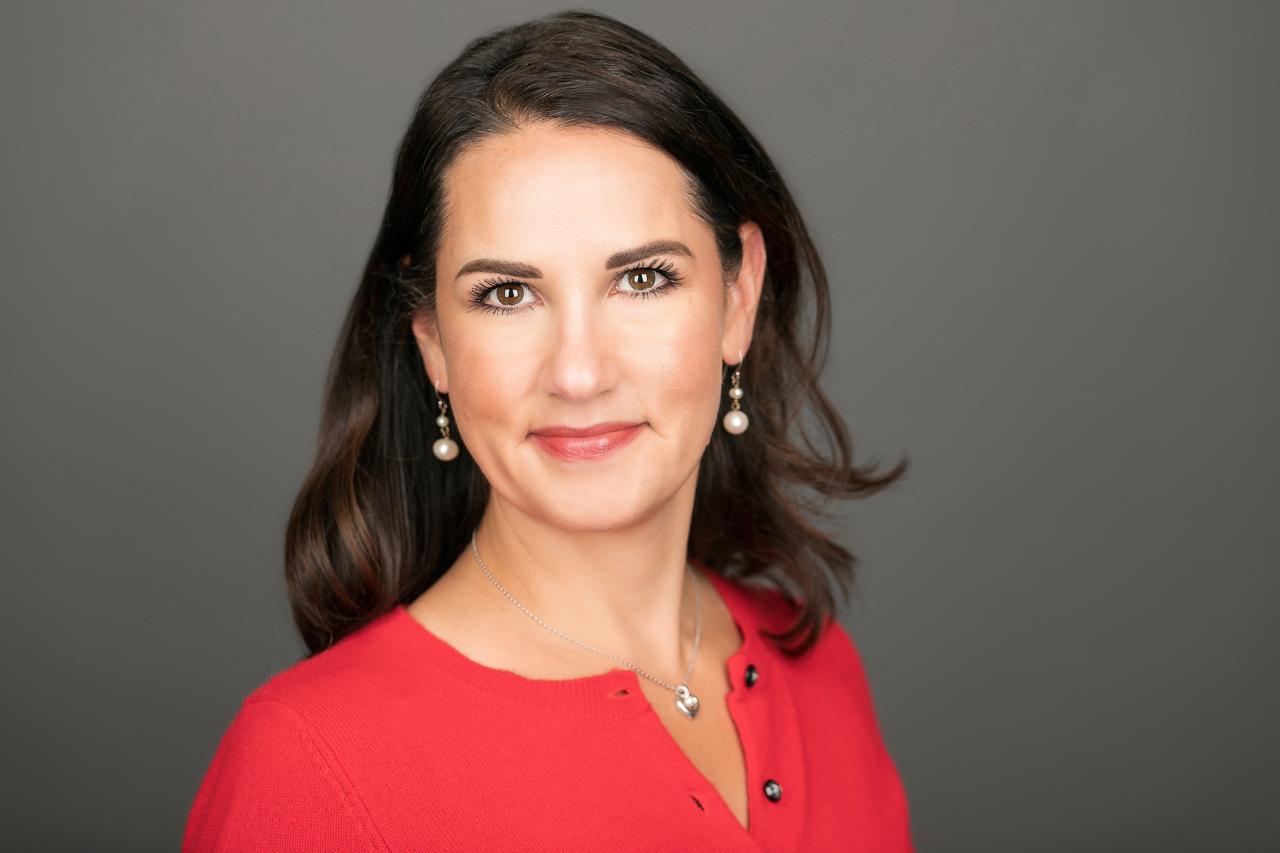
CEO/President
Kelly is a retired US Army Lieutenant Colonel and medtech entrepreneur who is leading the commercialization of a company that is operating in some of the world's most demanding environments. She knows what it means to be the patient too, having experienced firsthand the frustration of waiting months for hand procedures that should have been accessible immediately.